
Mad Libs, at its core, is far more than just a simple game of fill-in-the-blanks; it represents a masterful stroke of brand design and interactive storytelling that has captivated audiences for decades. Conceived by Leonard Stern and Roger Price in 1958, this enduring linguistic pastime has cultivated a distinct brand identity built on humor, creativity, and the delightful unpredictability of language. Its genius lies in its simplicity, inviting players to co-create narratives by supplying specific word types without knowing the story’s context, leading to often hilariously absurd results. From a brand perspective, Mad Libs exemplifies how a well-crafted concept, rooted in engaging design and clear purpose, can achieve iconic status and maintain relevance across generations.

The Ingenuity of a Simple Concept: Design Principles of Mad Libs
The enduring appeal and brand recognition of Mad Libs stem directly from its brilliantly simple, yet profoundly effective, design principles. The game meticulously orchestrates a linguistic surprise, transforming mundane sentences into comedic masterpieces through collaborative input. This foundational design is the cornerstone of its corporate identity and market success.
The Core Mechanics: Ad-Libs and Wordplay
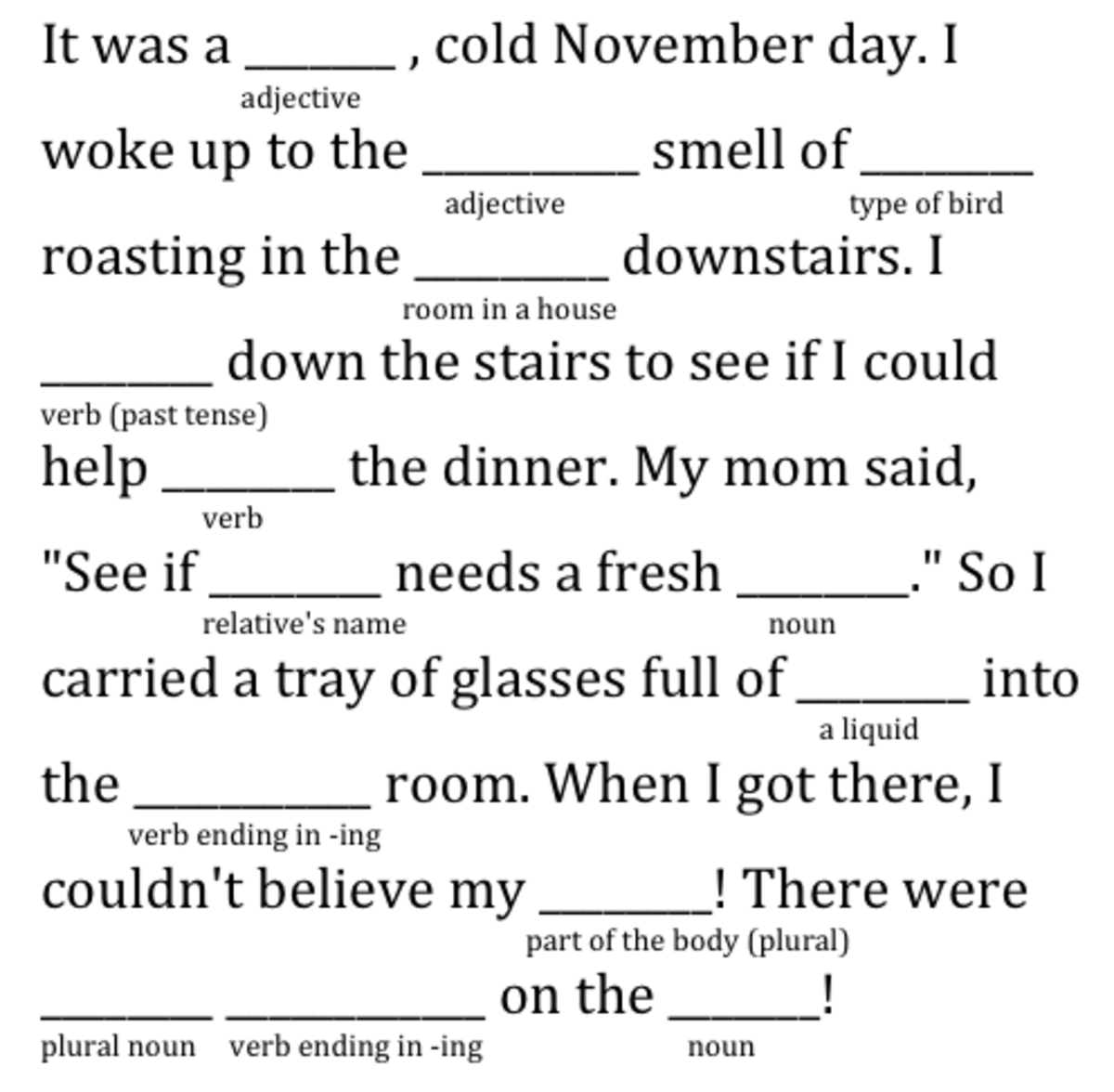
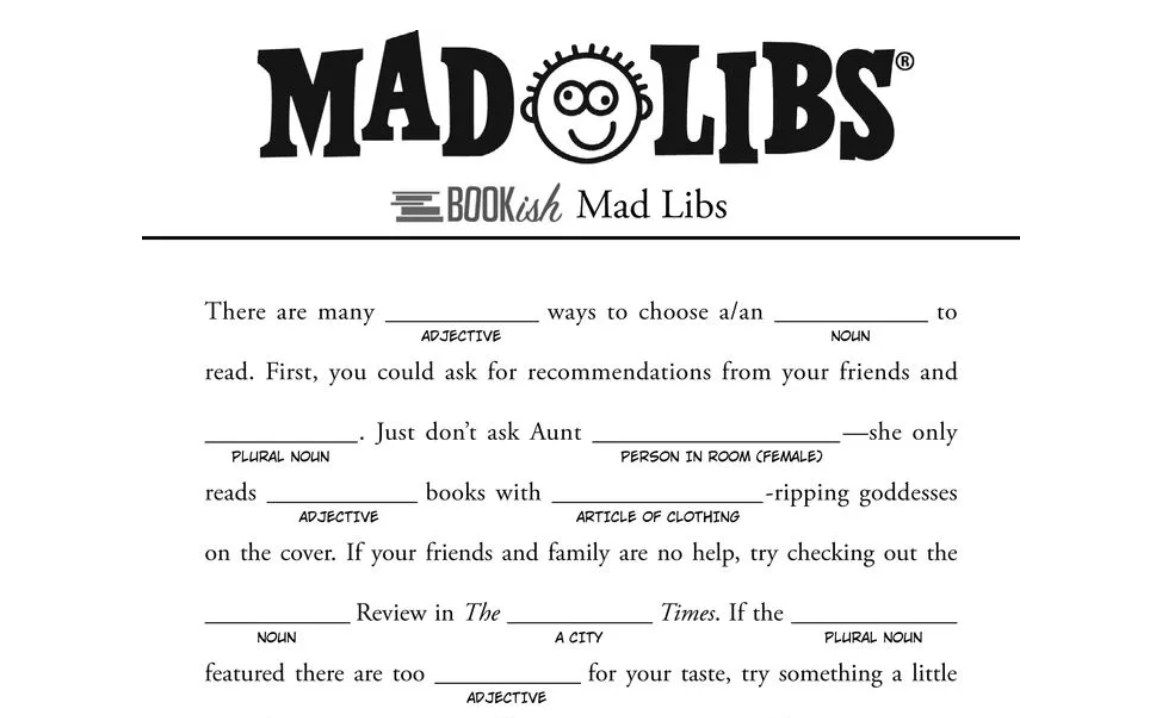
At the heart of every Mad Libs experience is a pre-written story, stripped of key words, leaving blank spaces categorized by parts of speech—nouns, verbs, adjectives, adverbs, and sometimes more specific prompts like “a type of liquid” or “a famous person.” The player (or, more commonly, one player asks others) provides words to fill these blanks, completely blind to the story’s narrative. Once all blanks are filled, the complete story is read aloud, revealing a narrative often nonsensical, frequently uproarious, and always unexpected. This mechanical design creates a built-in element of surprise, which is a powerful driver of engagement and amusement, solidifying the brand’s association with spontaneous laughter. The act of “ad-libbing” in this structured manner harnesses the human inclination for spontaneity within a controlled, game-like environment.
The Role of Word Categories: Guiding Creative Input
A crucial design element contributing to Mad Libs’ success is the precise categorization of word types. By specifying “adjective” or “plural noun,” the game guides the player’s linguistic contributions without revealing the plot. This subtle constraint is vital; it ensures that the resulting sentences are grammatically plausible, even if semantically absurd. This balance between structure and freedom is what prevents the stories from devolving into complete gibberish, instead elevating them to a specific brand of humorous, unexpected narratives. The categorization also serves as a subtle linguistic lesson, reinforcing the understanding of grammar in a playful context, which has inadvertently contributed to its educational appeal and broader acceptance. This thoughtful design choice underscores the brand’s commitment to delivering a consistently enjoyable and understandable, albeit funny, output.
Accessibility and Universal Appeal
The design of Mad Libs champions accessibility, making it enjoyable for a broad demographic. Its rules are straightforward, requiring only basic literacy and an imagination. This low barrier to entry has allowed the brand to penetrate diverse markets, appealing to children learning parts of speech, teenagers seeking lighthearted entertainment, and adults looking for a nostalgic trip or a simple party game. The absence of complex scoring or intricate strategies means the focus remains purely on creative input and shared laughter. This universal appeal is a significant factor in its enduring brand loyalty and its consistent presence in family homes, classrooms, and social gatherings, cementing its status as a timeless and inclusive brand.
Building a Brand Identity Through Laughter and Engagement
Mad Libs has masterfully cultivated a unique brand identity, distinguishing itself in the crowded entertainment landscape by consistently delivering on its promise of collaborative fun and unexpected humor. Its brand strategy is deeply interwoven with its product design, focusing on fostering interaction and joy.
From Print to Pop Culture: Establishing Brand Recognition
Since its inception, Mad Libs quickly transcended its origins as a niche word game to become a household name, a testament to its strong brand building. The distinctive visual identity of its books—often featuring playful typography and whimsical illustrations—became instantly recognizable. The phrase “Mad Libs” itself entered popular lexicon as a shorthand for any fill-in-the-blank activity or for creating a nonsensical narrative, demonstrating exceptional brand penetration and cultural resonance. This widespread recognition isn’t just about selling books; it’s about embedding the brand’s core experience into the collective consciousness, making it synonymous with impromptu humor and creative engagement. Its frequent appearances in film, television, and other media further solidified its status as a pop culture icon, underscoring its successful journey from product to cultural touchstone.
Fostering Collaborative Storytelling and Social Interaction
A key pillar of the Mad Libs brand strategy is its inherent promotion of social interaction. Unlike many solitary games, Mad Libs thrives on collaboration and shared experience. It’s an activity that necessitates dialogue, encouraging players to solicit words from one another, generating discussions and debates about the “funniest adjective” or the “most absurd verb.” This collaborative storytelling aspect transforms the game into a powerful tool for social bonding, making it an excellent icebreaker or a staple for group gatherings. The laughter it generates is often collective, reinforcing positive social connections. This focus on shared engagement has been instrumental in building a loyal community around the brand, as consumers associate Mad Libs not just with entertainment, but with cherished memories and social connection.
The Mad Libs “Voice”: Whimsical and Unexpected
The Mad Libs brand possesses a distinct “voice”—a tone that is consistently whimsical, lighthearted, and primed for the unexpected. This voice is embedded not only in the product’s output (the silly stories) but also in its marketing and the very nature of its prompts. The pre-written stories are crafted with a careful balance of generic settings and scenarios that can accommodate a wide range of player inputs, almost guaranteeing a humorous outcome. This consistent brand voice assures consumers that every Mad Libs book will deliver on its promise of playful absurdity, fostering trust and repeat engagement. The brand avoids overly complex or serious themes, staying true to its core identity as a source of innocent, spontaneous fun, thereby reinforcing its unique position in the entertainment market.
Strategic Brand Evolution and Enduring Relevance
The longevity of the Mad Libs brand, spanning over six decades, is a testament to its strategic evolution and its ability to adapt while staying true to its core identity. It serves as a compelling case study in brand resilience and smart diversification.
Diversification of Content: Themed Books and Digital Expansion
A significant factor in Mad Libs’ enduring relevance is its strategic diversification of content. The brand has produced hundreds of themed books, tapping into a vast array of popular culture phenomena, holidays, travel destinations, and everyday scenarios. From “Star Wars Mad Libs” to “Slumber Party Mad Libs,” this constant refreshing of content keeps the brand contemporary and appealing to new generations, while also offering nostalgic favorites to long-time fans. This targeted content strategy allows the brand to remain culturally relevant without altering its fundamental mechanics.
Furthermore, Mad Libs has successfully navigated the digital transformation, adapting its classic paper-and-pencil format into engaging digital applications. These apps maintain the familiar interactive experience while leveraging the convenience and connectivity of modern technology. This move into the digital space demonstrates a forward-thinking brand strategy, ensuring that Mad Libs remains accessible on contemporary platforms without diluting the authentic experience that defines its brand. The seamless transition showcases a brand that understands its essence and can translate it across different media.
The Mad Libs Format as a Marketing and Content Strategy Template
The Mad Libs format has become so iconic that it is frequently adopted or mimicked by other brands and content creators as a successful engagement strategy. Its structure—inviting user input to complete a narrative or statement—is a potent tool for interactive marketing, social media campaigns, and user-generated content initiatives. Brands often create “fill-in-the-blank” posts or quizzes that playfully echo the Mad Libs style, leveraging the inherent appeal of creative participation and the element of surprise. This adoption by other entities underscores Mad Libs’ influence as a cultural touchstone and validates its design as an effective template for fostering engagement. It illustrates how the brand has not only created a product but also a universally understood method of interactive communication.
A Legacy of Linguistic Play and Creative Freedom
Mad Libs has left an indelible mark on culture as a champion of linguistic play and creative freedom. It encourages players to experiment with language, explore vocabulary, and deconstruct narratives in a low-stakes, high-fun environment. Beyond mere entertainment, it inadvertently sharpens linguistic skills, fosters imaginative thinking, and demonstrates the comedic power of context and word choice. The brand’s legacy is intertwined with its ability to consistently inspire joy and creativity through its simple yet profound mechanism. It celebrates the quirks and endless possibilities of language, cementing its position not just as a game, but as a unique platform for creative expression and shared delight, an essential element of its long-term brand equity.
Protecting the Brand: Intellectual Property and Authenticity
For a brand built on a unique and easily replicable concept, intellectual property protection and a steadfast commitment to authenticity are paramount. Mad Libs has meticulously managed its brand integrity to maintain its market leadership.
The Importance of Trademark and Copyright
The name “Mad Libs” is a registered trademark, and the original stories and format are protected by copyright. This legal safeguarding is crucial for a brand whose core value lies in its distinctive method of entertainment. Protection prevents unauthorized imitations from diluting the brand’s image or confusing consumers. By asserting its intellectual property rights, the brand ensures that the quality and experience associated with “Mad Libs” remain exclusive to its official products, reinforcing consumer trust and distinguishing it from generic fill-in-the-blank games. This strategic protection allows the brand to control its narrative and maintain its market position against potential competitors.
Maintaining Quality and Brand Promise
Beyond legal protections, the Mad Libs brand maintains its authenticity through a consistent commitment to quality and the brand promise of delivering genuine, humorous experiences. Each official Mad Libs book features carefully crafted base stories designed to maximize comedic potential, irrespective of the words inserted. The prompts are thoughtfully chosen to guide players towards genuinely funny outcomes. This meticulous attention to detail ensures that every product upholds the high standard of humor and engagement that consumers expect from the brand. This dedication to consistent quality reinforces brand loyalty, as consumers know they can rely on Mad Libs for a truly entertaining and authentic experience, which is crucial for a brand whose reputation is built on shared laughter and creative fun.
aViewFromTheCave is a participant in the Amazon Services LLC Associates Program, an affiliate advertising program designed to provide a means for sites to earn advertising fees by advertising and linking to Amazon.com. Amazon, the Amazon logo, AmazonSupply, and the AmazonSupply logo are trademarks of Amazon.com, Inc. or its affiliates. As an Amazon Associate we earn affiliate commissions from qualifying purchases.