
In the ever-evolving landscape of home textiles, a new contender has been steadily gaining prominence, lauded for its luxurious feel, impressive performance, and, most importantly, its eco-conscious origins. This material is Lyocell, and when it comes to bed linens, Lyocell sheets are rapidly becoming a favorite for discerning consumers. But what exactly are Lyocell sheets, and what makes them stand out in a market often dominated by traditional cotton? This article will delve into the core of this innovative textile, exploring its creation, its unique properties, and why it represents a significant step forward in sustainable home goods.
The Genesis of Lyocell: From Wood Pulp to Luxurious Fabric
Lyocell isn’t born from a plant in the same way as cotton or linen. Instead, it’s a regenerated cellulosic fiber, meaning it’s derived from natural raw materials but undergoes a manufacturing process that transforms them into a new fiber. The primary source for Lyocell is wood pulp, typically sourced from sustainably managed forests, often eucalyptus trees, but bamboo and beech are also utilized. This sourcing is a crucial element of Lyocell’s sustainability claim.
The Closed-Loop Manufacturing Process
The magic of Lyocell lies in its manufacturing process, which is remarkably efficient and environmentally friendly. Unlike many other synthetic or even natural fiber production methods that can involve harsh chemicals and significant water usage, Lyocell production is renowned for its “closed-loop” system.
Step 1: Dissolving the Wood Pulp
The process begins with wood pulp, which is essentially processed cellulose. This pulp is then dissolved in a non-toxic organic solvent, typically N-methylmorpholine N-oxide (NMMO). This solvent plays a critical role in breaking down the cellulose structure without chemically altering it. The resulting solution is a viscous liquid, often referred to as a “dope.”
Step 2: Spinning the Fibers
This viscous solution is then extruded through fine spinnerets – essentially microscopic holes – into a bath of dilute sulfuric acid. This causes the cellulose to precipitate out of the solution, forming long, continuous filaments. These filaments are essentially pure cellulose, reborn as a textile fiber.
Step 3: Recovery and Recycling
The most significant aspect of the Lyocell process is the recovery of the solvent. After the cellulose has solidified into fibers, the solvent is extracted and purified. This recovered solvent is then reused in the production cycle, minimizing waste and reducing the need for new chemical inputs. This closed-loop system is a hallmark of Lyocell production, earning it accolades for its minimal environmental impact. The process also uses significantly less water compared to conventional cotton farming and processing, which are notoriously thirsty endeavors.
The Superior Properties of Lyocell Sheets: Comfort and Performance
The unique manufacturing process of Lyocell results in a fabric with a remarkable combination of desirable properties, making Lyocell sheets a compelling choice for those seeking both comfort and functionality in their bedding.
Unparalleled Softness and Smoothness
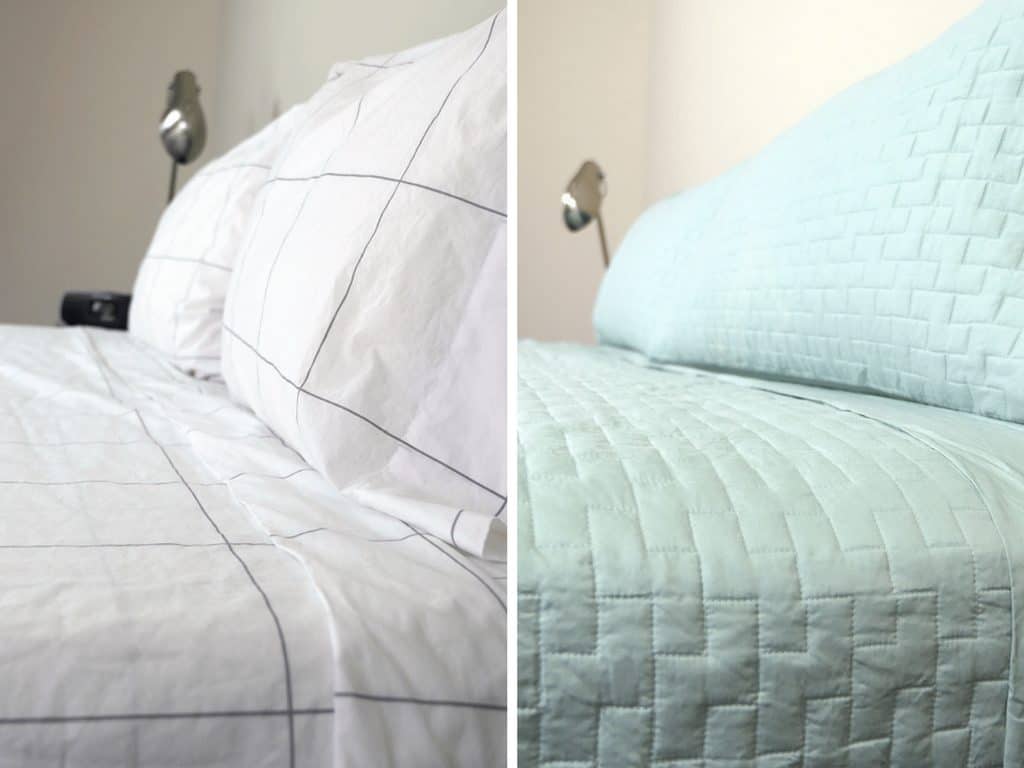
One of the first things consumers notice about Lyocell sheets is their incredible softness. The smooth, uniform structure of Lyocell fibers creates a fabric that feels exceptionally gentle against the skin. This smoothness contributes to a luxurious, almost silken feel that rivals high-end sateen weaves of other fibers. For individuals with sensitive skin, this inherent softness can be a significant advantage, reducing irritation and promoting a more comfortable sleep experience.
Exceptional Breathability and Temperature Regulation
Lyocell fibers possess excellent moisture-wicking capabilities. The structure of the fiber allows it to absorb moisture from the skin and then release it into the atmosphere relatively quickly. This property makes Lyocell sheets incredibly breathable, preventing the buildup of heat and humidity that can lead to discomfort during sleep.
This breathability translates into effective temperature regulation. In warmer months, Lyocell sheets help to keep you cool and dry by drawing heat away from the body. Conversely, in cooler weather, they can trap a small amount of body heat, providing a comforting warmth without feeling stifling. This makes Lyocell a versatile choice, suitable for year-round use and for individuals who tend to sleep hot or cold.
Hypoallergenic and Gentle on Skin
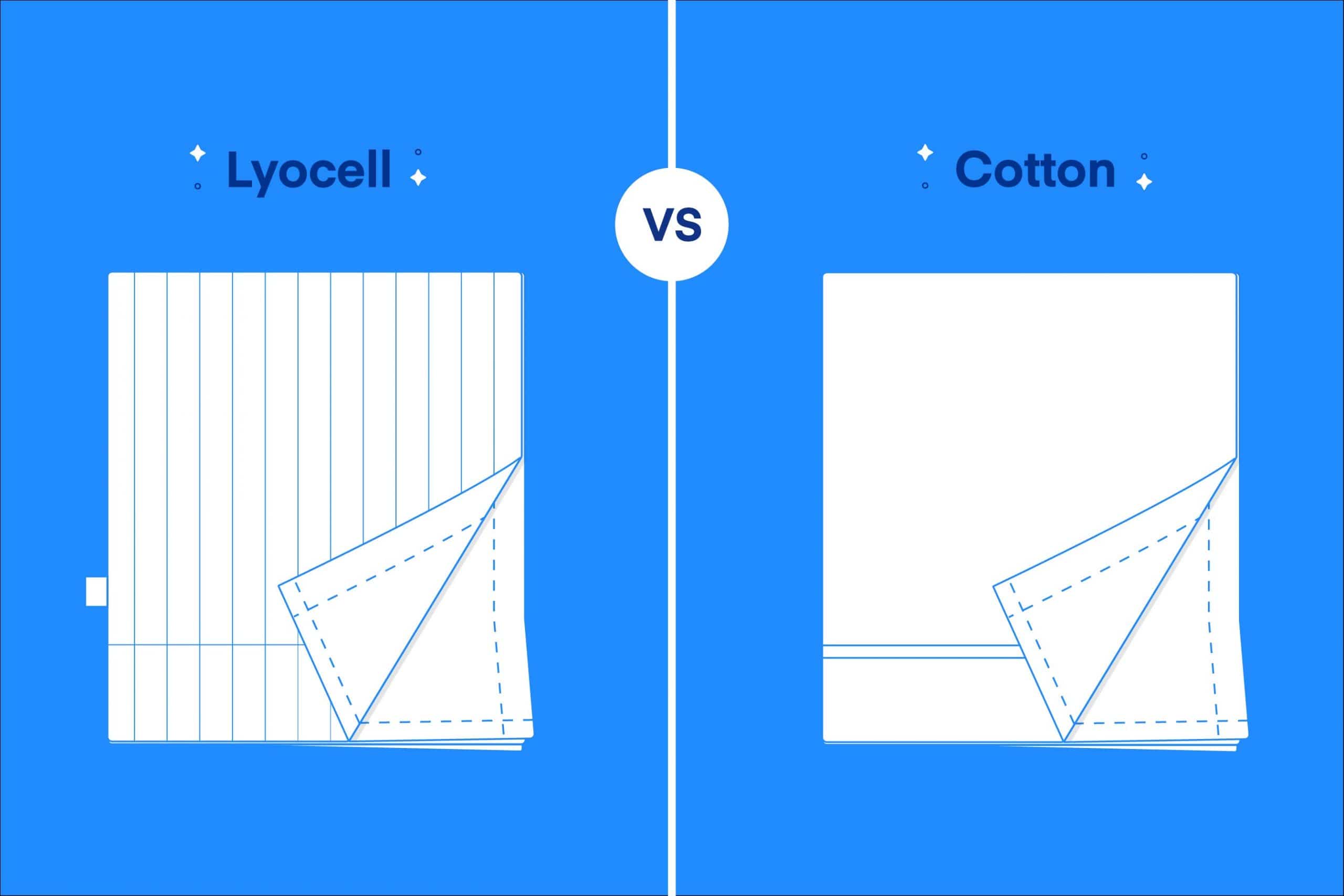
The smooth surface of Lyocell fibers minimizes friction, which can be a trigger for skin irritation for some individuals. Furthermore, Lyocell is naturally hypoallergenic. It’s resistant to the growth of dust mites and bacteria, making it an excellent choice for allergy sufferers or those prone to skin sensitivities. The absence of harsh chemicals in the closed-loop production process also contributes to its gentle nature.
Durability and Strength
Despite its soft and silky feel, Lyocell is a surprisingly strong and durable fiber. The regenerated cellulose structure provides good tensile strength, meaning the fibers are resistant to tearing and stretching. This translates into Lyocell sheets that can withstand regular washing and use without degrading quickly, offering a long-lasting investment in quality bedding. When cared for properly, Lyocell sheets can maintain their integrity and softness for many years.
Environmental Stewardship: The Eco-Conscious Choice
The appeal of Lyocell sheets extends far beyond their tactile qualities. Their production process positions them as a leading example of sustainable textile manufacturing, addressing many of the environmental concerns associated with conventional fabrics.
Sustainable Sourcing of Raw Materials
As mentioned earlier, Lyocell is derived from wood pulp, primarily from eucalyptus trees. These trees are often grown on farms specifically for fiber production and are known for their rapid growth and minimal need for pesticides or excessive water. The responsible forestry practices employed by Lyocell producers ensure that the sourcing of raw materials does not contribute to deforestation. Many Lyocell brands are transparent about their sourcing, often providing certifications like FSC (Forest Stewardship Council) to guarantee sustainable forest management.
Reduced Water Consumption
The production of traditional cotton, a staple in the textile industry, is notoriously water-intensive, both for growing the cotton plants and for processing the fibers. Lyocell production, in contrast, uses significantly less water. The closed-loop system minimizes water waste by recycling and reusing water within the manufacturing process. This drastically reduces the environmental footprint of Lyocell compared to conventional cotton.
Minimal Chemical Waste and Pollution
The closed-loop system is the cornerstone of Lyocell’s environmental advantage. The organic solvent used in the process is recovered and recycled with a very high efficiency rate (often exceeding 99%). This means that very little of the solvent is released into the environment, minimizing water and air pollution. This stands in stark contrast to the production of some other synthetic fibers, which can involve hazardous chemicals with significant environmental consequences. Lyocell is biodegradable, meaning it will naturally decompose over time without leaving harmful residues, further contributing to its eco-friendly profile.
Caring for Your Lyocell Sheets: Preserving Their Luxury
To ensure your Lyocell sheets remain soft, durable, and beautiful for years to come, proper care is essential. Fortunately, they are relatively easy to maintain, and adhering to a few simple guidelines will help preserve their unique qualities.
Washing Instructions for Longevity
For general washing, it is recommended to use cold or lukewarm water. Hot water can potentially damage the delicate fibers or cause shrinkage. A mild detergent is also advisable; avoid harsh chemicals, bleach, or fabric softeners, as these can degrade the fabric’s integrity and softness. When using a washing machine, opt for a gentle cycle. It is also a good practice to wash Lyocell sheets separately from other garments, especially those with zippers or buttons that could snag the fabric.
Drying Techniques for Optimal Results
Tumble drying Lyocell sheets on a low heat setting is generally acceptable. However, to maximize their lifespan and maintain their luxurious feel, air-drying is often the preferred method. If using a dryer, remove the sheets while they are still slightly damp. Over-drying can lead to stiffness and potential damage to the fibers. Avoid direct sunlight for extended periods when air-drying, as this can cause fading.
Ironing and Storage
If your Lyocell sheets become wrinkled, they can be ironed on a low setting. It’s often best to iron them while they are still slightly damp. For storage, keep your Lyocell sheets in a cool, dry place. Avoid plastic bags, which can trap moisture and lead to mildew. Instead, consider storing them in breathable fabric bags or loosely folded in a linen closet.
In conclusion, Lyocell sheets represent a significant advancement in the world of home textiles, offering an exceptional blend of comfort, performance, and sustainability. From their innovative closed-loop production process that minimizes environmental impact to their inherent softness, breathability, and hypoallergenic qualities, Lyocell sheets are more than just a bedding choice – they are a conscious decision for a more luxurious and environmentally responsible lifestyle. As awareness of sustainable practices continues to grow, Lyocell is poised to become a cornerstone of eco-friendly home goods, and Lyocell sheets are leading the charge in making sustainable luxury accessible to all.
aViewFromTheCave is a participant in the Amazon Services LLC Associates Program, an affiliate advertising program designed to provide a means for sites to earn advertising fees by advertising and linking to Amazon.com. Amazon, the Amazon logo, AmazonSupply, and the AmazonSupply logo are trademarks of Amazon.com, Inc. or its affiliates. As an Amazon Associate we earn affiliate commissions from qualifying purchases.