
The human body is a marvel of intricate systems working in concert to maintain health and fight off threats. While we often focus on the prominent organs like the heart, lungs, and brain, there are countless less visible but equally vital components that contribute to our well-being. Among these unsung heroes are the lymph nodes, a network of small, bean-shaped structures scattered throughout the body. You might have encountered them when experiencing a sore throat or a minor infection, where they can become swollen and tender. But what exactly are lymph nodes, and what is their fundamental role in our health? This article will delve into the fascinating world of lymph nodes, explaining their structure, function, and importance in a way that’s both informative and accessible, even for those without a medical background. We’ll explore how these miniature filtering stations operate and why understanding them is crucial for appreciating the body’s sophisticated defense mechanisms.
The Lymphatic System: A Highway for Defense and Drainage
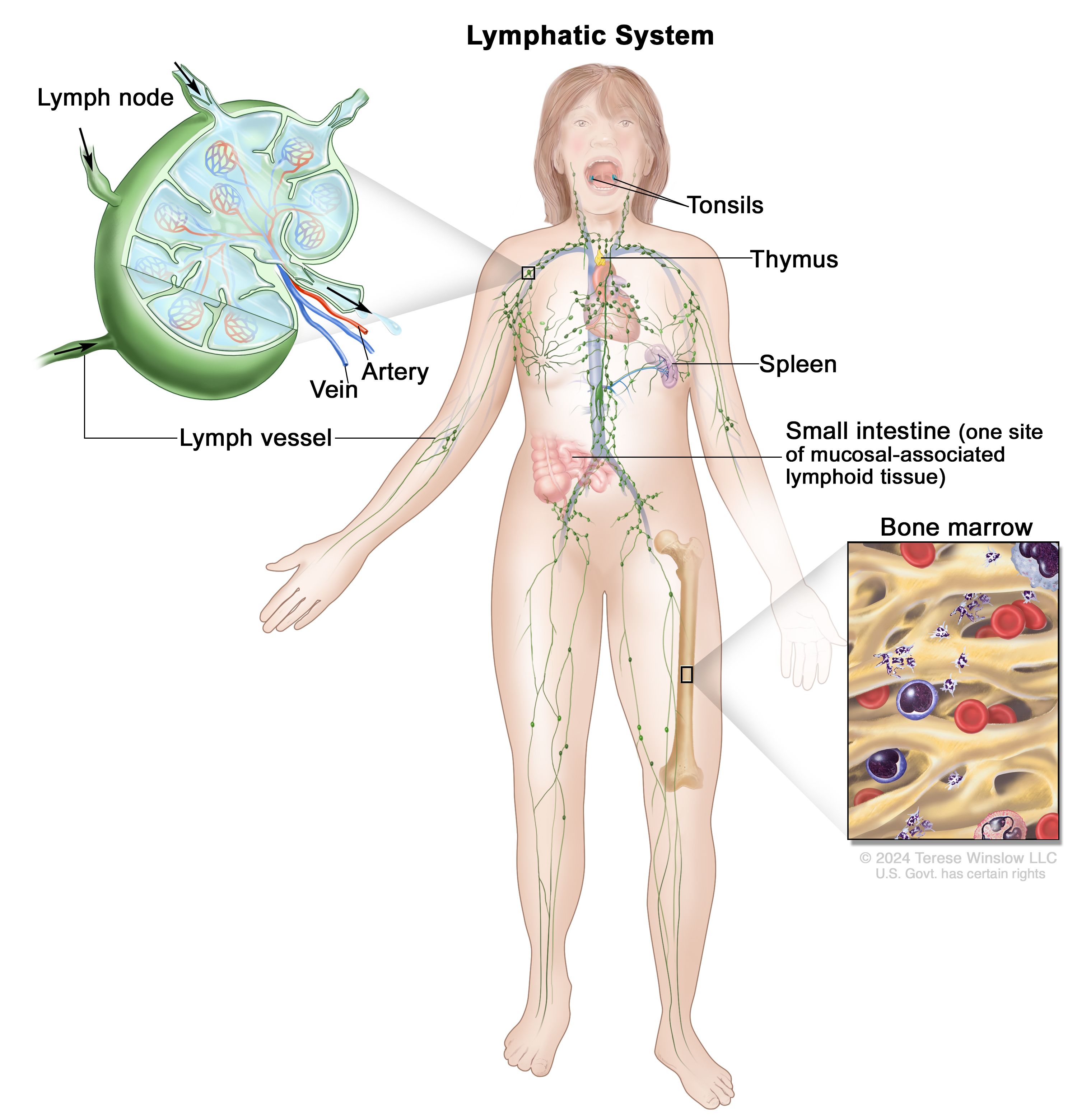
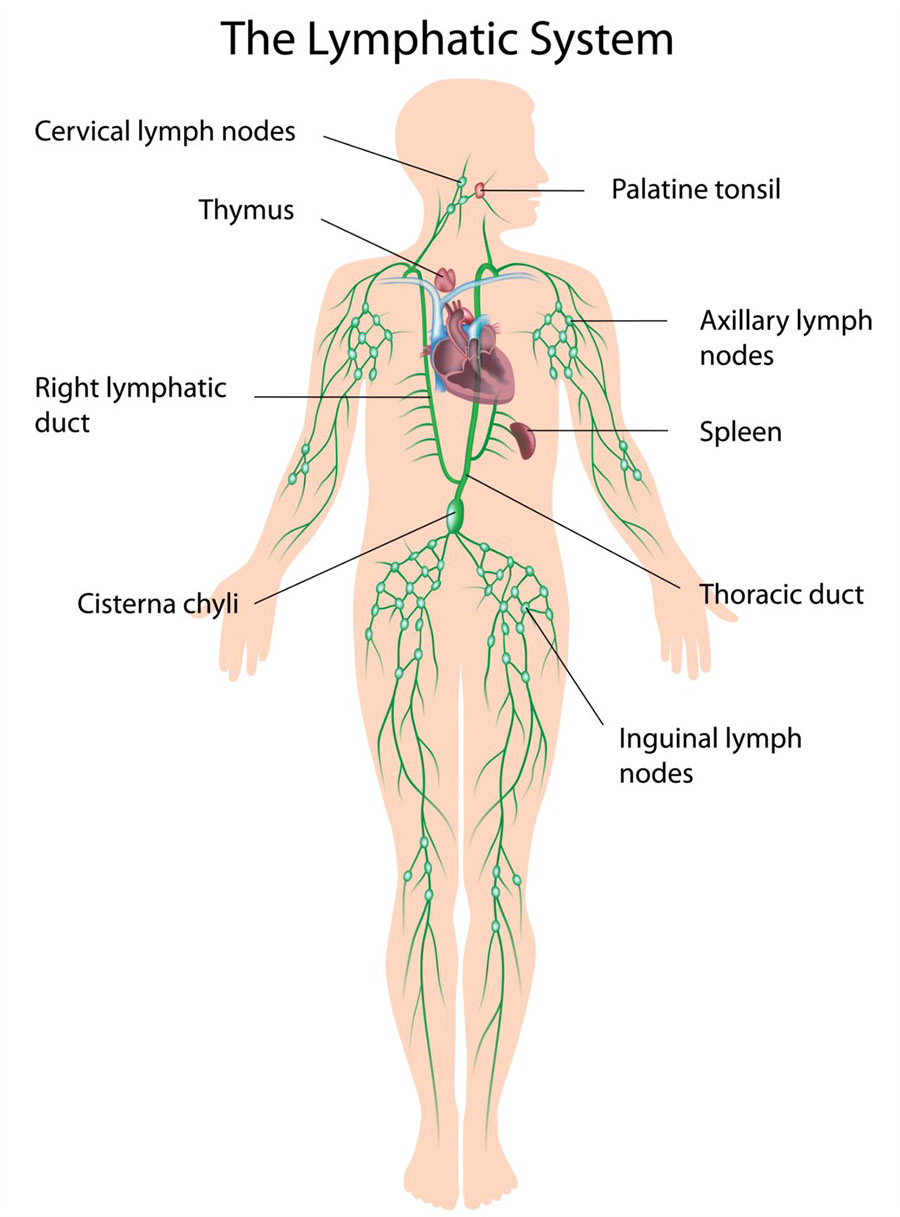
To understand lymph nodes, we first need to grasp the concept of the lymphatic system, of which they are a critical part. The lymphatic system is a vast network of vessels, tissues, and organs that work together to transport a fluid called lymph throughout the body. Think of it as a parallel circulatory system, but instead of blood, it’s carrying lymph. This system plays a dual role: it helps maintain fluid balance by returning excess fluid from tissues back into the bloodstream, and more importantly, it serves as a cornerstone of our immune system.
Lymph: The Body’s Internal Surveillance Fluid
Lymph is a clear or slightly yellowish fluid that originates from blood plasma. As blood circulates through capillaries, some of the plasma fluid, along with small proteins, waste products, and immune cells, leaks out into the surrounding tissues. This fluid, now called interstitial fluid, bathes the cells, delivering nutrients and removing waste. Most of this interstitial fluid is reabsorbed back into the blood capillaries. However, a portion of it, along with any foreign particles, pathogens (like bacteria and viruses), and abnormal cells (such as cancer cells) that may be present, enters the lymphatic vessels. Once inside these vessels, the interstitial fluid is officially termed lymph.
The lymphatic vessels are a delicate network that permeates nearly all of the body’s tissues. They are thinner than blood vessels and have one-way valves to ensure that the lymph flows in a single direction, moving upwards towards the chest and eventually returning to the bloodstream. Unlike the circulatory system, which has the heart to pump blood, the lymphatic system lacks a central pump. Instead, its fluid movement is driven by the contraction of surrounding muscles, the pulsing of nearby arteries, and the action of smooth muscle in the walls of larger lymphatic vessels.
Lymph Nodes: The Body’s Miniature Filtration and Surveillance Centers
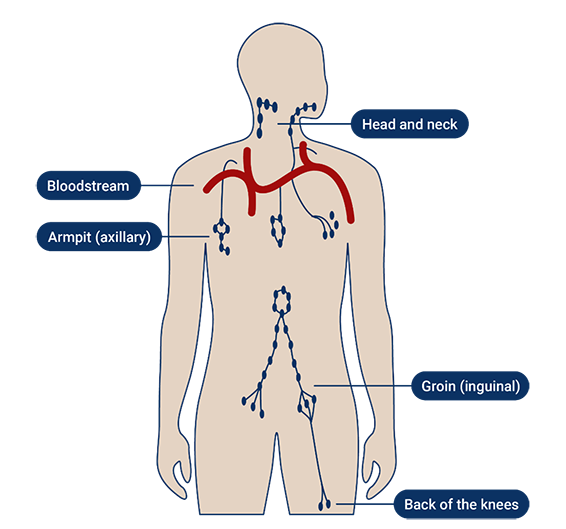
Scattered strategically along the lymphatic vessels are the lymph nodes, the primary sites where the lymphatic system actively filters the lymph and initiates immune responses. These small, oval-shaped organs are packed with specialized immune cells, primarily lymphocytes (B cells and T cells) and macrophages. Their strategic placement in areas where infections are likely to enter the body, such as the neck, armpits, and groin, makes them exceptionally effective guardians.
Structure and Composition of a Lymph Node
Each lymph node is encapsulated by a tough outer layer of connective tissue called a capsule. Beneath the capsule, the node is divided into distinct regions: the cortex and the medulla.
-
Cortex: The outer region, or cortex, contains densely packed clusters of immune cells called follicles. These follicles are where B cells reside and proliferate. When a B cell encounters an antigen (a foreign substance), it can be activated to multiply and differentiate into plasma cells, which produce antibodies.
-
Medulla: Deeper within the node lies the medulla. This region is characterized by cords of lymphocytes and macrophages. Macrophages are vital scavengers; they engulf and digest cellular debris, foreign particles, and pathogens that have been filtered from the lymph.
-
Sinuses: Between the cortex and medulla are channels called sinuses. These are lined with macrophages and reticular cells, which help trap and remove foreign material from the lymph as it slowly flows through the node.
The lymph enters the lymph node through several afferent lymphatic vessels, which pierce the capsule. It then percolates through the sinuses and the lymphoid tissue, where it is meticulously filtered. Immune cells within the node interact with any foreign invaders or abnormal cells present in the lymph. Finally, the filtered lymph exits the node through efferent lymphatic vessels, continuing its journey back towards the bloodstream.
The Crucial Roles of Lymph Nodes in Health and Immunity
The primary function of lymph nodes is to act as filters for the lymph, preventing harmful substances from circulating freely throughout the body. However, their role extends far beyond simple filtration. They are dynamic centers of immune surveillance and activation, playing a pivotal part in our defense against a wide range of threats.
Immune Surveillance and Filtration: Capturing Invaders
As lymph flows through the lymph nodes, any pathogens, such as bacteria, viruses, and fungi, along with foreign particles and abnormal cells, are trapped by the macrophages and reticular cells within the sinuses. This prevents these potentially harmful agents from reaching other parts of the body. Once captured, these invaders are often destroyed by macrophages.
Immune Response Initiation: The Birthplace of Defense
The lymph nodes are not just passive filters; they are active participants in mounting an immune response. When pathogens or foreign antigens are detected within a lymph node, the resident immune cells, particularly lymphocytes (B cells and T cells), become activated.
-
T Cells: Helper T cells recognize antigens presented by other immune cells (like macrophages) and coordinate the immune response. Cytotoxic T cells, on the other hand, directly attack and destroy infected cells or abnormal cells.
-
B Cells: When B cells encounter their specific antigen and receive signals from T cells, they proliferate and differentiate into plasma cells. These plasma cells then produce antibodies, which are Y-shaped proteins that can neutralize pathogens, mark them for destruction by other immune cells, or prevent them from entering cells.
The activation and proliferation of these immune cells can cause the lymph nodes to swell, a phenomenon known as lymphadenopathy. This swelling is a visible sign that the immune system is actively working to combat an infection or other foreign challenge. The tenderness often associated with swollen lymph nodes is due to the increased cellular activity and inflammation within the node.
Cancer Surveillance: Detecting and Containing Abnormal Cells
Lymph nodes also play a critical role in detecting and potentially containing the spread of cancer. Cancer cells that break away from a primary tumor can enter the lymphatic system and travel to nearby lymph nodes. When this happens, the immune cells within the lymph nodes may recognize these abnormal cells as foreign and attempt to destroy them. If the cancer cells are not eliminated, they can proliferate within the lymph node, forming secondary tumors. This is why doctors often check lymph nodes for signs of cancer spread (metastasis) when diagnosing and staging various cancers, as the presence of cancer in lymph nodes can significantly impact treatment decisions and prognosis.
When Lymph Nodes Signal Trouble: Infections, Inflammation, and Beyond
While lymph nodes are vital for maintaining health, their activity can also indicate that something is wrong. Swollen, tender lymph nodes are often one of the first noticeable signs of infection.
Responding to Infections: The Swollen Gland Phenomenon
The most common reason for swollen lymph nodes is an infection. Whether it’s a common cold, the flu, strep throat, or a more localized infection like a cut on the skin, the lymph nodes draining the affected area will become enlarged and tender. This is because the immune cells within the nodes are rapidly multiplying and working to clear the infection. The swelling typically subsides as the infection resolves.
Inflammation and Other Causes
Beyond infections, lymph nodes can also become inflamed due to other causes, including:
- Autoimmune diseases: Conditions like lupus or rheumatoid arthritis can trigger widespread inflammation, affecting lymph nodes.
- Allergic reactions: Severe allergic reactions can sometimes lead to lymph node swelling.
- Certain medications: Some drugs can cause lymph node enlargement as a side effect.
- Cancer: As mentioned earlier, the spread of cancer to lymph nodes is a serious concern. Lymphoma, a cancer that originates in the lymphatic system itself, also involves the lymph nodes.
Conclusion: The Unseen Guardians of Our Well-being
Lymph nodes, though small and often overlooked, are indispensable components of our body’s defense system. They act as biological filters, meticulously screening the lymph for pathogens, foreign particles, and abnormal cells. More than just passive filters, they are dynamic hubs where the immune system is alerted, activated, and orchestrated to neutralize threats. From fighting off a common cold to detecting the earliest signs of cancer, lymph nodes are constantly working behind the scenes to protect our health. Understanding their function offers a deeper appreciation for the incredible complexity and resilience of the human body, highlighting the importance of these often-unseen guardians of our well-being.
aViewFromTheCave is a participant in the Amazon Services LLC Associates Program, an affiliate advertising program designed to provide a means for sites to earn advertising fees by advertising and linking to Amazon.com. Amazon, the Amazon logo, AmazonSupply, and the AmazonSupply logo are trademarks of Amazon.com, Inc. or its affiliates. As an Amazon Associate we earn affiliate commissions from qualifying purchases.