
In the landscape of global fashion and retail, few names carry as much weight—or as much mystery—as Luxottica. To the average consumer, names like Ray-Ban, Oakley, and Persol represent the pinnacle of eyewear style and performance. However, behind these distinct identities lies a singular, orchestrating force. Luxottica is not merely a manufacturer; it is the definitive case study in brand vertical integration, a corporate titan that has fundamentally reshaped how the world perceives, purchases, and wears spectacles and sunglasses.
Founded in 1961 by Leonardo Del Vecchio in the small Italian town of Agordo, Luxottica began as a modest workshop producing components for the optical industry. Over the ensuing decades, it evolved into a global powerhouse that controls every facet of the eyewear journey—from design and production to distribution and retail. By understanding Luxottica, one gains insight into the sophisticated mechanics of brand management and the strategic dominance of the luxury market.
The Architecture of an Empire: Understanding the Luxottica Brand Portfolio
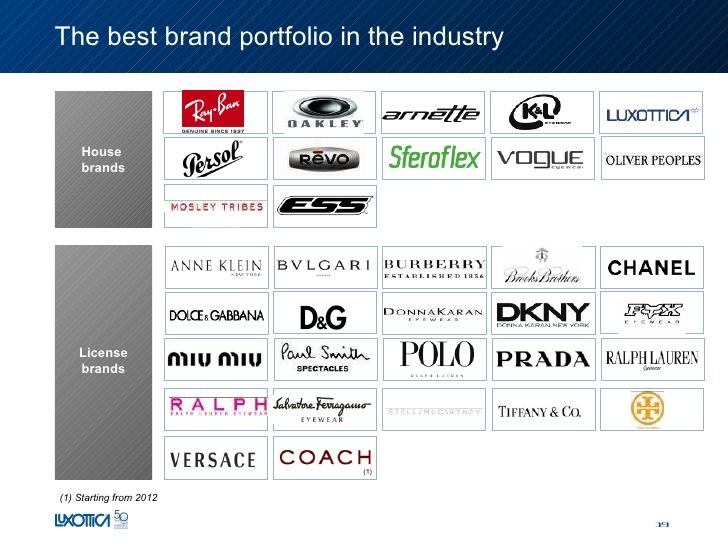
At the heart of Luxottica’s success is its sophisticated brand architecture. The company does not rely on a single aesthetic or demographic; instead, it manages a diverse ecosystem of brands that cover every conceivable niche in the eyewear market. This portfolio is categorized into two primary segments: proprietary brands and licensed brands.
The Power of Proprietary Brands: Ray-Ban and Oakley
Luxottica’s most significant assets are the brands it owns outright. The acquisition of Ray-Ban in 1999 is perhaps the most famous example of brand revitalization in history. At the time, Ray-Ban was struggling, sold in drugstores and gas stations for low prices. Luxottica pulled the product from thousands of low-end retailers, moved production to Italy, and repositioned it as a premium lifestyle brand. Today, Ray-Ban is the world’s best-selling eyewear brand, a testament to Luxottica’s ability to curate and elevate brand heritage.
Oakley, acquired in 2007, serves a different strategic purpose. While Ray-Ban captures the classic, “cool” aesthetic, Oakley dominates the performance and sports-tech sector. By maintaining these distinct identities under one corporate umbrella, Luxottica ensures it captures the loyalty of both the fashion-conscious urbanite and the high-performance athlete.
The Art of the Licensing Agreement
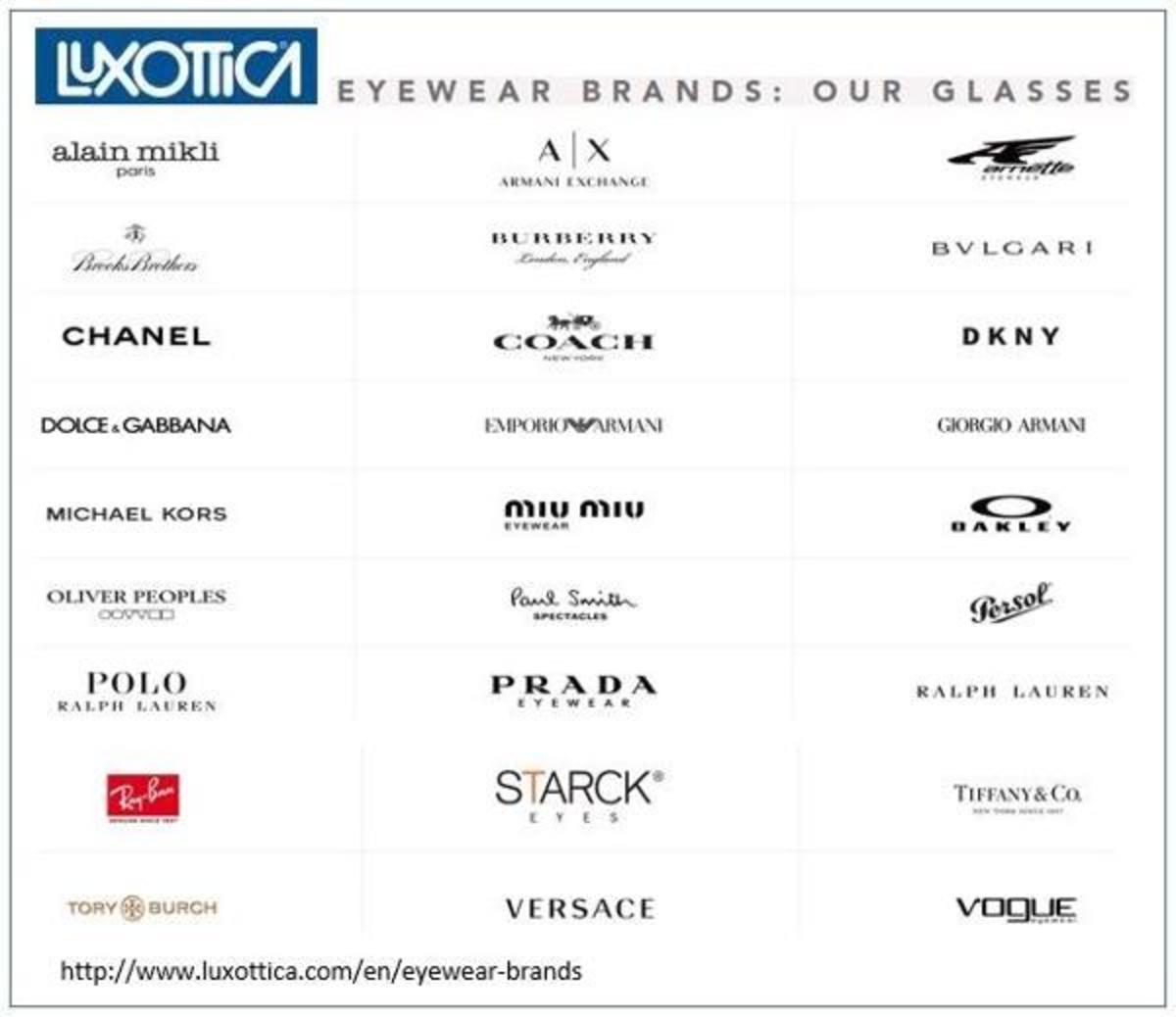
Beyond its own brands, Luxottica acts as the silent partner for the world’s most prestigious fashion houses. Brands like Chanel, Prada, Giorgio Armani, Burberry, and Versace do not manufacture their own eyewear. Instead, they license their names to Luxottica.
This is a masterclass in brand synergy. The fashion houses provide the DNA and the “halo” of their high-fashion reputation, while Luxottica provides the technical expertise, manufacturing scale, and global distribution. For the consumer, a pair of Prada glasses is an entry point into the world of luxury; for Luxottica, it is a high-margin product that leverages the brand equity of a third party to capture a specific luxury segment.
Brand Monopoly or Strategic Masterclass? The Psychology of Vertical Integration
Luxottica is frequently cited in business textbooks for its “vertical integration”—a strategy where a company owns its entire supply chain. While this has financial implications, its primary value lies in brand control. By owning the factories that make the frames, the labs that grind the lenses, and the stores that sell the finished product, Luxottica ensures a consistent brand experience that few competitors can match.
Creating the Illusion of Choice
One of the most profound aspects of Luxottica’s brand strategy is its presence in the retail sector. The company owns major retail chains, including Sunglass Hut, LensCrafters, Pearle Vision, and Target Optical.
When a consumer walks into a Sunglass Hut, they are presented with an array of choices: Ray-Ban, Oakley, Persol, Prada, and Burberry. To the untrained eye, these appear to be competing brands. In reality, Luxottica designed them, manufactured them, and owns the store where they are being sold. This “illusion of choice” allows the company to capture the consumer regardless of which brand they eventually choose, maintaining a dominant market share while catering to various psychological profiles and price points.
Controlling the Luxury Narrative
Brand equity is fragile. In the luxury world, overexposure or poor quality can destroy a brand’s prestige overnight. Because Luxottica controls the manufacturing process in its Italian and global facilities, it can maintain rigorous quality standards that justify premium price tags.
Furthermore, by owning the retail outlets, Luxottica controls the environment in which its brands are showcased. They control the lighting, the shelving, the training of the sales associates, and the promotional materials. This 360-degree control ensures that the brand identity of a “Chanel” or an “Oakley” remains intact from the moment of conception to the moment a customer tries them on in front of a mirror.
The Merger with Essilor: Scaling Global Brand Identity
In 2018, Luxottica completed a massive merger with Essilor, the world leader in ophthalmic lenses. This created a new entity: EssilorLuxottica. This move was not just a business expansion; it was a strategic evolution of the brand’s core identity.
Synergizing Correction and Fashion
Historically, the eyewear market was split between “vision care” (the functional need for lenses) and “fashion” (the desire for stylish frames). By merging with Essilor, Luxottica effectively unified these two worlds.
The new brand identity of the conglomerate is centered on the concept of “See More, Be More.” It positions eyewear not just as a medical necessity or a fashion accessory, but as a holistic lifestyle product. This synergy allows the company to push technological boundaries, such as Varilux progressive lenses, inside iconic Ray-Ban frames, ensuring that the brand remains relevant to an aging population that requires both style and high-quality vision correction.
Dominating the Global Professional Channel
The merger also extended the brand’s reach into the professional sphere. Essilor brought with it a massive network of independent opticians and eyecare professionals. By integrating its frame brands into these professional networks, EssilorLuxottica ensures that its products are recommended by trusted medical experts. This adds a layer of “authority” to the brand identity that a pure fashion brand could never achieve. It transforms the product from a seasonal purchase into a lifetime health and style partnership.
Future-Proofing the Brand: Innovation and the Digital Frontier
As we move further into the 21st century, Luxottica is pivoting to ensure its brand remains at the cutting edge of culture and technology. The company recognizes that the next frontier for eyewear isn’t just physical—it’s digital.
Smart Eyewear and the Meta Partnership
Perhaps the most significant recent development in Luxottica’s brand evolution is its partnership with Meta (formerly Facebook). The launch of Ray-Ban Meta smart glasses represents a bold step into the world of wearable technology.
This partnership is a strategic branding masterstroke. Tech companies often struggle with the “cool factor” (as seen with the functional but unfashionable Google Glass), while fashion brands often struggle with hardware. By putting Meta’s technology inside the world’s most recognizable frame—the Ray-Ban Wayfarer—Luxottica has successfully branded “Smart Glasses” as a desirable lifestyle accessory rather than a clunky gadget. This move secures the brand’s relevance among Gen Z and tech-forward consumers.
Sustainable Luxury and Corporate Responsibility
In the modern market, a brand’s identity is increasingly tied to its ethical footprint. Luxottica has responded by integrating sustainability into its corporate identity. Through initiatives like “Eyes on the Planet,” the company is focusing on using bio-based materials and reducing the carbon footprint of its massive manufacturing operations.
By positioning itself as a responsible leader, Luxottica is protecting its brand reputation against the criticisms often leveled at large-scale manufacturers. For the modern consumer, knowing that their luxury frames are produced with a commitment to social and environmental responsibility is becoming a key component of brand loyalty.

Conclusion: The Legacy of a Visionary Brand
Luxottica is much more than an eyewear company; it is a global steward of style, vision, and consumer experience. Through a combination of aggressive acquisition, meticulous brand management, and a visionary approach to vertical integration, it has created a marketplace where it is the primary protagonist.
From the rugged durability of Oakley to the timeless rebellion of Ray-Ban and the high-fashion elegance of its licensed partners, Luxottica has mastered the art of branding at every level. It has successfully navigated the transition from a traditional manufacturing firm to a modern lifestyle and technology leader. As it continues to innovate through smart eyewear and global health initiatives, Luxottica remains the ultimate example of how a clear brand strategy can turn a simple commodity—glasses—into an essential, aspirational, and world-dominating industry.
aViewFromTheCave is a participant in the Amazon Services LLC Associates Program, an affiliate advertising program designed to provide a means for sites to earn advertising fees by advertising and linking to Amazon.com. Amazon, the Amazon logo, AmazonSupply, and the AmazonSupply logo are trademarks of Amazon.com, Inc. or its affiliates. As an Amazon Associate we earn affiliate commissions from qualifying purchases.