
In the world of global commerce, few companies have mastered the art of brand positioning and vertical integration quite like the Luxottica Group. If you are wearing a pair of premium sunglasses or prescription frames right now, there is an overwhelming statistical probability—roughly 80%—that they were designed, manufactured, and distributed by this single Italian powerhouse. Based in Milan, Luxottica is not merely an eyewear manufacturer; it is the ultimate case study in corporate identity and brand portfolio management.
To understand what Luxottica Group is, one must look beyond the physical product of spectacles. It is an empire built on the strategic acquisition of heritage brands and the meticulous curation of licensed luxury identities. By controlling every stage of the brand lifecycle—from the initial sketch in a design studio to the shelf in a high-street retail outlet—Luxottica has redefined what it means to be a brand steward in the 21st century.
The Architecture of a Global Monolith: Brand Portfolio Management
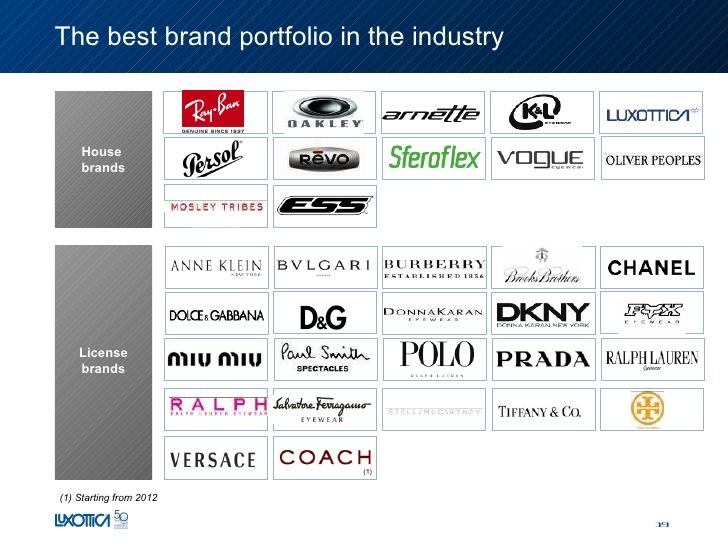
At the heart of Luxottica’s success is its sophisticated brand architecture. The company does not rely on a single name; instead, it operates a dual-layered portfolio consisting of proprietary brands and licensed brands. This strategy allows them to capture diverse market segments, from performance-driven athletes to high-fashion connoisseurs.
Proprietary Brands: The House Pillars
Luxottica owns several of the most recognizable names in eyewear outright. The crown jewel of this collection is Ray-Ban, arguably the most famous eyewear brand in the world. When Luxottica acquired Ray-Ban in 1999, the brand was struggling in the bargain bins of convenience stores. Through a radical rebranding strategy, Luxottica elevated it back to a premium status. Other key proprietary brands include Oakley, which dominates the sports and performance niche, Persol, known for its artisanal Italian heritage, and Oliver Peoples, which targets the luxury boutique demographic. By owning these brands, Luxottica retains total control over their equity and long-term trajectory.
Licensed Mega-Brands: The Fashion Connection
The second layer of Luxottica’s portfolio is its licensing arm. The group manages the eyewear divisions for a “who’s who” of global luxury fashion houses. Names like Chanel, Prada, Giorgio Armani, Burberry, and Versace do not manufacture their own glasses. Instead, they enter into long-term licensing agreements with Luxottica. Luxottica’s designers work closely with these fashion houses to ensure the eyewear reflects the “brand DNA” of the parent label. This allows Luxottica to leverage the massive marketing budgets and prestige of these external brands while maintaining the high-margin manufacturing and distribution rights.
Vertical Integration as a Branding Power Play
One of the most significant aspects of Luxottica’s corporate identity is its commitment to vertical integration. In the world of branding, control is the most valuable currency. By owning the entire supply chain, Luxottica ensures that the brand experience is never diluted by third-party intermediaries.
From Design to Distribution
Luxottica’s vertical model begins in its advanced manufacturing facilities, primarily located in Italy and China. Because they control the factories, they can ensure a consistent level of quality that mirrors the premium positioning of their brands. However, the true genius of their strategy lies in distribution. Luxottica doesn’t just sell to independent opticians; they own the stores where the glasses are sold. This includes global retail giants like LensCrafters, Sunglass Hut, Pearle Vision, and Target Optical.
Controlling the Retail Experience
When a consumer walks into a Sunglass Hut, they are entering a controlled environment designed to maximize the visibility of Luxottica-owned or licensed products. This creates a feedback loop: Luxottica uses its retail data to understand consumer trends, feeds that data back to its design teams, and manufactures products that are guaranteed to meet market demand. This level of market saturation is rare in any industry and provides the company with an insurmountable competitive advantage in terms of shelf space and brand visibility.
The Illusion of Choice: Mastering Corporate Identity
A common critique, and a testament to Luxottica’s branding brilliance, is what industry analysts often call the “illusion of choice.” To the average consumer, the eyewear market seems fragmented and competitive. A shopper might choose between a pair of sporty Oakleys, a pair of classic Ray-Bans, or a high-fashion frame from Prada, believing they are choosing between rival companies. In reality, they are choosing between different branches of the same corporate tree.
Maintaining Individual Brand DNA
Luxottica’s mastery lies in its ability to keep these brand identities distinct. They understand that the “Oakley customer” is looking for innovation and ruggedness, while the “Prada customer” is looking for status and avant-garde aesthetics. Luxottica manages these identities with such precision that the consumer rarely feels the “corporate hand” behind the product. Each brand maintains its own marketing voice, social media presence, and celebrity endorsements. This compartmentalization prevents brand cannibalization and allows the group to dominate multiple price points and lifestyles simultaneously.
The Marketing Strategy of Ubiquity
By controlling so many brands, Luxottica has achieved a state of “branded ubiquity.” They have successfully positioned eyewear not as a medical necessity, but as a primary fashion accessory. Through aggressive marketing and placement in film, music, and sports, Luxottica has transformed the perception of spectacles. They have moved the needle from a “one-pair-for-five-years” utility model to a “multiple-pairs-for-different-outfits” fashion model, significantly increasing the lifetime value of their customer base.
Case Study: The Resurrection of Ray-Ban
To truly understand Luxottica’s brand strategy, one must look at their transformation of Ray-Ban. This remains one of the most successful turnaround stories in modern marketing history.
From Bargain Bins to Premium Positioning
When Luxottica purchased Ray-Ban from Bausch & Lomb in the late 90s for $640 million, the brand was in a state of terminal decline. You could find Ray-Bans at gas stations for $20. The brand had lost its “cool factor” and its quality had plummeted. Luxottica’s first move was counter-intuitive: they pulled Ray-Ban from 13,000 points of sale worldwide. By intentionally creating a supply vacuum, they began the process of re-establishing the brand’s exclusivity.
Influencer and Cultural Marketing
Following the cleanup of distribution, Luxottica invested heavily in product quality and heritage marketing. They leaned into the iconic “Wayfarer” and “Aviator” silhouettes, connecting them to Hollywood history and rebellious youth culture. They raised prices significantly to match the new premium positioning. Today, Ray-Ban is a multi-billion dollar entity and the undisputed leader in the eyewear category. This success was not an accident; it was a result of a disciplined brand strategy that prioritized long-term equity over short-term sales volume.
The Future of Eyewear Branding: The EssilorLuxottica Merger
In 2018, Luxottica completed a massive merger with Essilor, the world’s leading manufacturer of ophthalmic lenses. The resulting entity, EssilorLuxottica, represents a new frontier in brand strategy—the convergence of health and fashion.
Converging Health and Fashion
Traditionally, the “frames” (Luxottica) and the “lenses” (Essilor) were treated as separate business sectors. By merging, the company has created a “total vision” brand. This allows them to market advanced lens technology (like Varilux or Crizal) inside their famous frames as a unified premium package. This merger has shifted the brand narrative from “looking good” to “seeing better and looking good,” capturing a larger share of the medical-device market while maintaining their fashion-forward identity.
Strategic Evolution in a Changing Market
As digital disruption enters the eyewear space—through companies like Warby Parker and the rise of smart glasses—EssilorLuxottica is evolving. They are now focusing on “Smart Eyewear” through partnerships with tech giants like Meta (the Ray-Ban Meta smart glasses). This signals a shift in their corporate identity: they are no longer just a fashion or health company; they are becoming a wearable tech company. By integrating technology into their most iconic brands, they are ensuring that their portfolio remains relevant to a younger, tech-savvy demographic.
Conclusion
The Luxottica Group is more than just a manufacturer of glasses; it is a global architect of desire. Through a sophisticated mix of brand portfolio management, total vertical integration, and a deep understanding of consumer psychology, they have built a market position that is virtually unmatched in any other consumer goods category.
Their story teaches us that a brand is not just a logo or a product—it is a promise of quality, a lifestyle aspiration, and a carefully managed ecosystem. By controlling the design, the manufacturing, and the retail experience, Luxottica has turned the simple act of buying a pair of glasses into a high-margin, global fashion event. Whether you view them as a visionary leader or a dominant monopolist, there is no denying that Luxottica Group has written the playbook on how to build and maintain a world-class brand empire.
aViewFromTheCave is a participant in the Amazon Services LLC Associates Program, an affiliate advertising program designed to provide a means for sites to earn advertising fees by advertising and linking to Amazon.com. Amazon, the Amazon logo, AmazonSupply, and the AmazonSupply logo are trademarks of Amazon.com, Inc. or its affiliates. As an Amazon Associate we earn affiliate commissions from qualifying purchases.