
At its surface, Lululemon Athletica is a multi-billion dollar multinational designer and retailer of athletic apparel. However, from a brand strategy perspective, Lululemon is far more than a clothing manufacturer; it is a seminal example of a “lifestyle brand” that successfully transitioned from a niche yoga outfitter into a global cultural phenomenon. Founded in 1998 in Vancouver, British Columbia, by Chip Wilson, the brand has redefined the relationship between consumer and product, pioneering the “athleisure” category and setting a new gold standard for community-led marketing.
To understand what Lululemon is, one must look past the technical fabrics and the signature stylized ‘A’ logo. The brand represents a psychological shift in retail—a move away from transactional selling toward the creation of a comprehensive identity centered on wellness, mindfulness, and the pursuit of a “sweatlife.”

The Genesis of the Sweatlife Identity
Lululemon’s rise was not accidental. It was built on a foundation of hyper-targeted branding. In its early days, the company focused exclusively on a specific demographic: the professional, health-conscious woman who valued both technical performance and aesthetic appeal. By focusing on a “niche of a niche”—yoga practitioners—Lululemon was able to cultivate an air of exclusivity and expertise that broader sports brands like Nike or Adidas lacked at the time.
The Manifesto and Core Values
Central to the Lululemon brand identity is its “Manifesto.” This collection of aphorisms and life advice—ranging from “Drink plenty of water” to “Doing things that scare you will make you feel alive”—was printed on its iconic reusable shopping bags. This was a masterclass in brand storytelling. It transformed a simple carrier bag into a badge of honor, signaling to the world that the bearer subscribed to a specific set of values. By aligning the brand with self-improvement and personal growth, Lululemon elevated its products from utility to philosophy.
Design Philosophy: Form Meets Function
From a design perspective, Lululemon revolutionized the industry by introducing the “Science of Feel.” While traditional athletic brands focused on performance metrics like speed and durability, Lululemon focused on the sensory experience of the wearer. Their proprietary fabrics, such as Luon and Nulu, were engineered to provide a “second-skin” sensation. This focus on how the clothes made the user feel—emotionally and physically—created a high level of brand loyalty. The design language was clean, minimalist, and functional, allowing the apparel to transition seamlessly from a morning workout to a business-casual meeting, effectively birthing the “athleisure” movement.
The Ambassador Program: Decentralized Marketing as a Competitive Advantage
Perhaps the most significant contribution Lululemon has made to modern brand strategy is its decentralized marketing model. While competitors were spending millions on celebrity endorsements and Super Bowl commercials, Lululemon built its empire through local influence.
Local Influencers and Store Educators
The Lululemon Ambassador program is the engine of its community-led growth. The brand identifies influential fitness instructors, yogis, and athletes in local communities and provides them with apparel and a platform in exchange for feedback and local promotion. These ambassadors are not just faces for the brand; they are the brand’s “boots on the ground.”
Inside the retail spaces, staff members are referred to as “Educators” rather than sales associates. This shift in nomenclature is critical. Their role is not just to sell a pair of leggings but to educate the consumer on technical features and local fitness opportunities. This creates a high-touch, consultative environment that builds trust and fosters a sense of belonging.
The “Third Space” Concept
Lululemon stores are designed to function as a “third space”—a location between home and work where people can connect. By hosting in-store yoga classes, run clubs, and wellness workshops, Lululemon transformed its retail footprint from a cost center into a community hub. This strategy creates an emotional moat around the brand. When a customer attends a free yoga class in the store, they are no longer just a consumer; they are a member of a tribe. This emotional investment makes them far less likely to switch to a competitor based on price alone.

Product Innovation and the “Science of Feel”
The technical superiority of the product is the bedrock upon which the brand’s premium positioning rests. Lululemon’s R&D department, known as “Whitespace,” is a laboratory where designers, physiologists, and engineers collaborate to push the boundaries of textile technology.
Intellectual Property as Brand Authority
Lululemon’s brand is synonymous with innovation. By patenting specific gusset designs and fabric blends, the company protects its premium status. For example, the development of “Silverescent” technology—which weaves silver into the fabric to inhibit the growth of odor-causing bacteria—solved a specific pain point for athletes. These innovations are marketed not just as features, but as “solutions for a life in motion,” reinforcing the brand’s image as an expert in the field.
Expansion into Men’s and Footwear
A key part of Lululemon’s recent brand evolution has been its successful expansion into the men’s market and, more recently, footwear. For years, Lululemon was perceived primarily as a women’s yoga brand. To pivot, the company utilized a strategy of “technical problem-solving.” By launching the ABC (Anti-Ball Crushing) pant, they addressed a specific comfort issue for men using a humorous, bold marketing tone that differentiated the men’s line from the more ethereal women’s yoga branding. This demonstrated the brand’s versatility and its ability to scale its core “Science of Feel” philosophy across different demographics.
Brand Resilience and the Evolution of Modern Luxury
Lululemon occupies a unique space in the market: it is a “masstige” (mass-prestige) brand. It offers the accessibility of a retail chain with the status and pricing of a luxury label. This positioning requires immense brand resilience and a disciplined approach to pricing and distribution.
The Power of Scarcity and Pricing
Lululemon rarely participates in deep discounting. Unlike many retail brands that rely on seasonal “blowout” sales, Lululemon maintains high price integrity. They use a “low inventory, high turnover” model, which creates a sense of urgency. Customers know that if they don’t buy a specific color or print today, it likely won’t be there tomorrow. This scarcity reinforces the brand’s premium perception and protects its profit margins.
Navigating Crisis: The Sheer Pants Incident
A defining moment in Lululemon’s brand history was the 2013 “sheer pants” crisis, where a batch of leggings was recalled for being overly transparent. While the initial response from the then-leadership was criticized, the brand eventually used the crisis to overhaul its quality control and reconnect with its core audience. The company’s ability to bounce back from a potential brand-killing event is a testament to the strength of the community it had built. The loyalty of its “super-fans” provided a buffer that allowed the brand to iterate, improve, and eventually emerge stronger.
The Future of the Lululemon Ecosystem
As we look at what Lululemon is today, it is clear the brand is evolving into a holistic wellness ecosystem. Through acquisitions—such as the purchase of the fitness technology company Mirror—and the launch of its membership programs, Lululemon is moving toward a “circular” brand model.
Integration of Digital and Physical Wellness
The brand is no longer content with just dressing the athlete; it wants to facilitate the workout itself. By integrating digital content, community events, and physical products, Lululemon is creating a “sticky” brand environment. The more touchpoints a consumer has with the brand—whether it’s an app-based workout, a local run club, or a new pair of sneakers—the more entrenched they become in the Lululemon lifestyle.
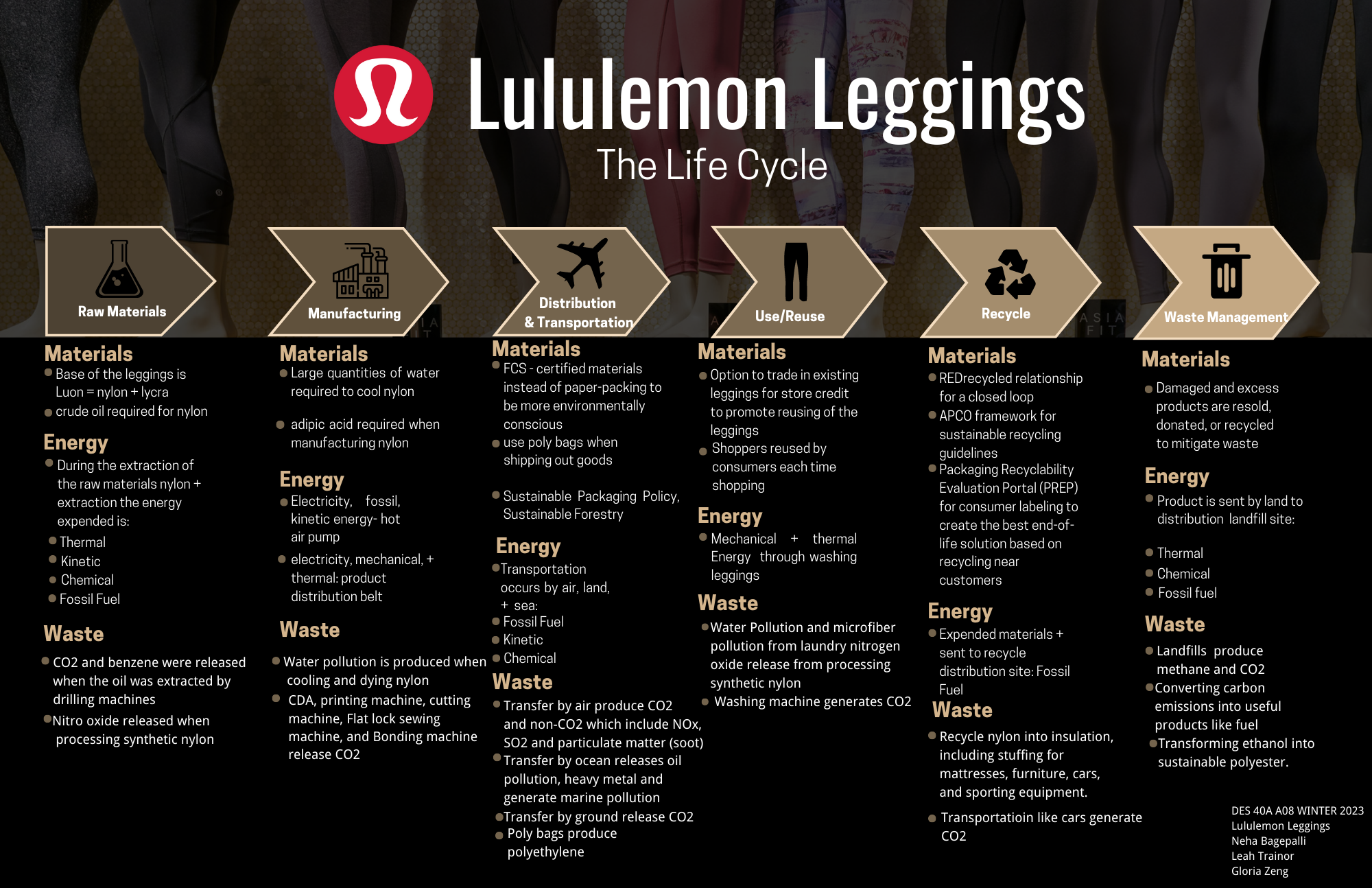
Sustainability and the “Impact Agenda”
In the modern era, a brand’s identity is inextricably linked to its social and environmental impact. Lululemon’s “Impact Agenda” focuses on sustainability, diversity, and mental health. By committing to circularity (programs like “Like New”) and using recycled materials, the brand is aligning itself with the values of Gen Z and Millennial consumers. This isn’t just corporate social responsibility; it is a core brand strategy designed to ensure long-term relevance in an increasingly conscious marketplace.
In summary, Lululemon is much more than an apparel company. It is a sophisticated brand ecosystem built on the principles of community, technical excellence, and a deep understanding of consumer psychology. By transforming a functional necessity—gym clothes—into a symbol of status and wellness, Lululemon has rewritten the rules of modern branding. It stands as a prime example of how a brand can achieve global scale while maintaining a local, community-focused heart.
aViewFromTheCave is a participant in the Amazon Services LLC Associates Program, an affiliate advertising program designed to provide a means for sites to earn advertising fees by advertising and linking to Amazon.com. Amazon, the Amazon logo, AmazonSupply, and the AmazonSupply logo are trademarks of Amazon.com, Inc. or its affiliates. As an Amazon Associate we earn affiliate commissions from qualifying purchases.