
In the rich tapestry of music consumption and audio technology, the terms LP and EP carry significant weight, representing distinct formats that have shaped how artists create and how audiences experience sound. While seemingly simple acronyms, they denote specific types of physical media, primarily vinyl records, that dictate track count, playing time, and artistic intent. Understanding these formats is crucial for appreciating the history of recorded music and the current landscape of music technology and collecting.
The Enduring Legacy of Vinyl: Understanding the Long Play (LP)
The Long Play, universally known as the LP, is synonymous with the full-length album. It represents a comprehensive artistic statement, a collection of tracks designed to be heard in a specific sequence, often telling a story or exploring a theme. For decades, the LP was the primary vehicle for artists to present their complete body of work.
Origins and Evolution
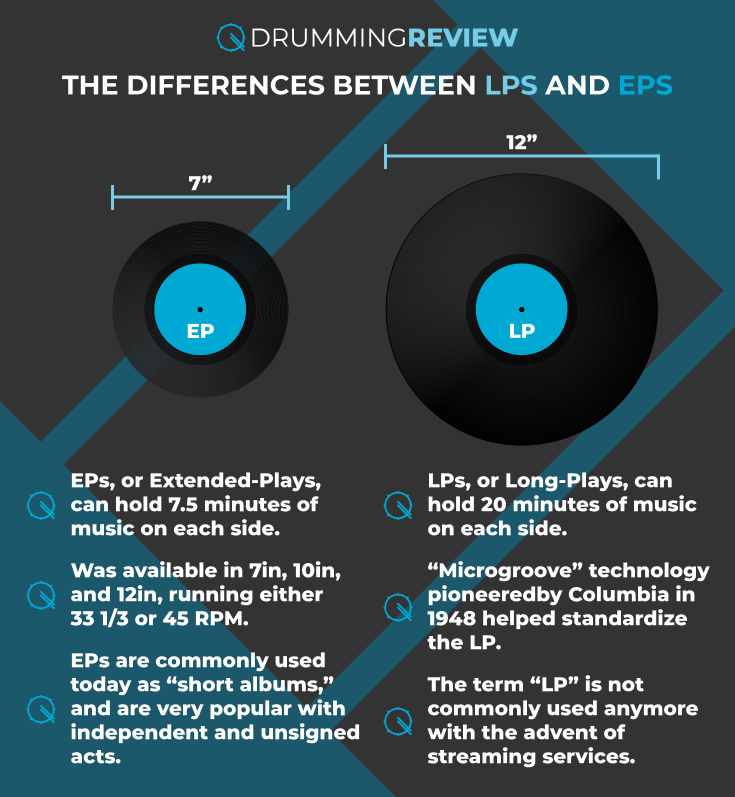
The LP format revolutionized the music industry upon its introduction by Columbia Records in 1948. Prior to the LP, 78 RPM shellac records dominated, offering only a few minutes of music per side. This limitation meant that longer compositions or multiple songs required numerous discs, interrupting the listening experience. The LP, pressed on a 12-inch vinyl disc and played at a slower 33 1/3 revolutions per minute (RPM), could hold significantly more music – typically 20 to 30 minutes per side. This innovation allowed for uninterrupted listening of entire symphonies, jazz improvisations, and eventually, rock concept albums. It ushered in an era where albums became cohesive artistic works, not just compilations of singles.
Physical Characteristics and Playback
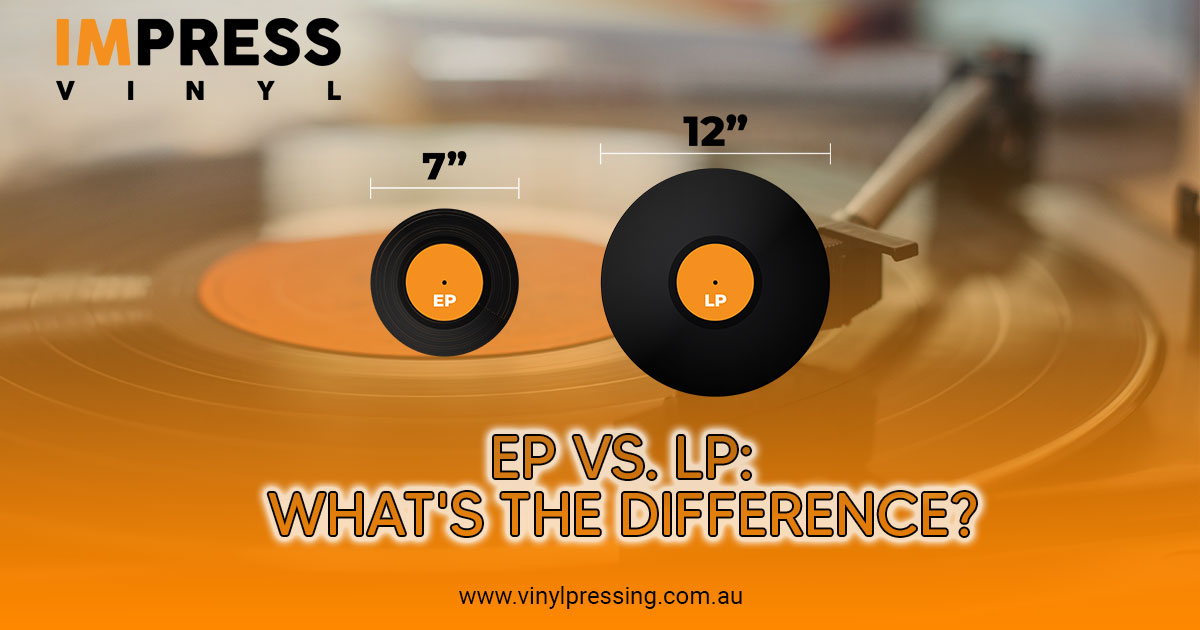
LPs are typically 12 inches (approximately 30 cm) in diameter, though 10-inch LPs also exist for niche releases. They are characterized by their microgroove design, which packs more audio information into a smaller space than the wider grooves of 78s. Played on a turntable with a delicate stylus, the vibrations picked up from these grooves are translated into sound. The material, polyvinyl chloride, gave the format its enduring moniker: “vinyl.” The larger surface area of an LP also provided a canvas for elaborate cover art and extensive liner notes, transforming the album into a multi-sensory experience that engaged listeners visually and intellectually, not just audibly.
The LP Experience: Sound Quality and Artistry
For many audiophiles and music enthusiasts, the LP offers a unique listening experience. Proponents often cite a “warmth” or “richness” in analog sound that they believe digital formats sometimes lack. While subjective, the physical act of selecting a record, placing it on the turntable, and dropping the needle becomes a ritual, deepening the connection to the music. Artistically, the LP provided a platform for artists to craft narratives, experiment with sonic textures, and develop album-oriented rock, pop, jazz, and classical works that would define genres and generations. The deliberate sequencing of tracks became an art form in itself, guiding the listener through an intended journey from start to finish.
The Extended Play (EP): A Bridge Between Singles and Albums
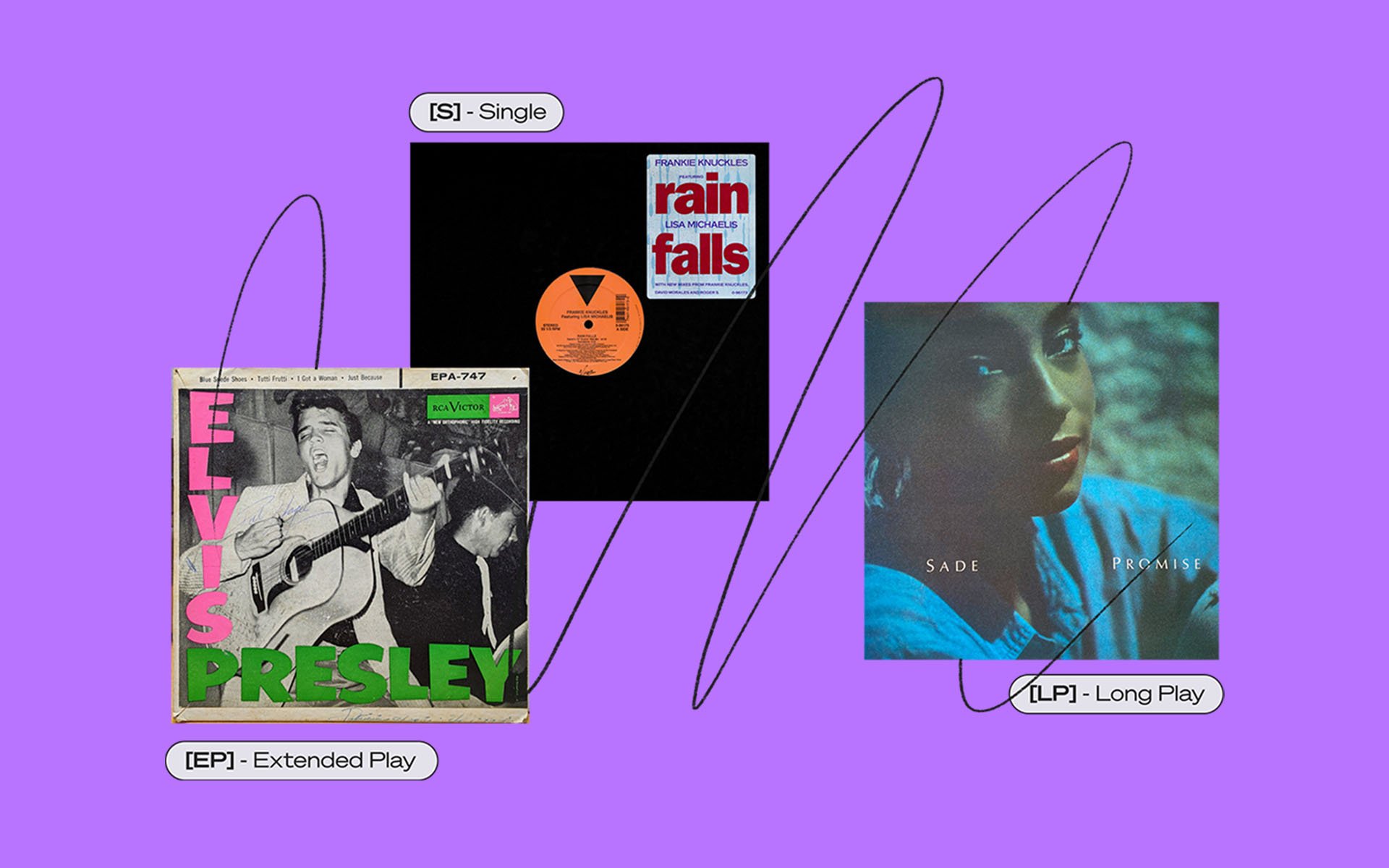
Positioned squarely between the brevity of a single and the expansive nature of an LP, the Extended Play (EP) serves a distinct purpose in music distribution and artistic expression. It offers more content than a typical two-track single but less than a full-length album, making it a versatile format for various stages of an artist’s career.
Defining the EP Format
Historically, EPs were typically 7-inch or 10-inch vinyl records played at 45 RPM, though 12-inch EPs at 33 1/3 RPM are also common, especially in modern releases. What defines an EP is less its physical size or speed, and more its track count and total duration. While there isn’t a universally strict definition, an EP generally contains between 4 to 6 tracks and has a playing time of 15 to 25 minutes, though this can vary. The Recording Industry Association of America (RIAA) has specific criteria for EPs versus LPs for charting purposes, but the artistic and marketing uses of the EP are more fluid.
EP’s Role in Music Distribution
EPs have historically played several strategic roles. In the early days, they often compiled tracks from a successful single with a few additional B-sides or album cuts to offer more value. Later, they became a way for artists to bridge the gap between full album releases, providing fans with new material without the commitment or time required for a complete LP. For emerging artists, an EP serves as an excellent introduction – a substantial body of work to showcase their sound and potential without the immense cost and effort of recording a debut album. It acts as a calling card, demonstrating range and talent while remaining digestible for new listeners.
Strategic Use by Artists
Artists utilize EPs for a multitude of reasons. They can be used to experiment with new sounds or genres before committing to them on a full album. EPs are also perfect for releasing themed collections, live recordings, remixes, or acoustic versions of existing songs. During the digital age, the concept of an EP has translated seamlessly into digital downloads and streaming playlists, maintaining its role as a flexible format for quick releases, collaborations, or even as a prelude to an upcoming LP, building anticipation among fans. The EP offers agility, allowing artists to stay relevant and engaged with their audience more frequently than the album cycle typically allows.
Technical Specifications and Playback Differences
While both LPs and EPs primarily refer to vinyl records, there are subtle but important technical differences, particularly regarding playback speed and physical design, that influence their sound and longevity.
RPMs and Playback Speed
The most common playback speed for LPs is 33 1/3 RPM. This slower rotation speed allows the stylus to trace more grooves per inch, packing more music onto the disc. Conversely, EPs were historically often played at 45 RPM, the same speed as singles. This faster speed provides a wider dynamic range and can offer superior sound quality due to more information passing under the stylus per second, but at the cost of reduced playing time per side. Modern 12-inch EPs, however, might be pressed at 33 1/3 RPM to maximize content, blurring some of these traditional distinctions. Turntables are equipped with settings to accommodate these different speeds, ensuring accurate playback.
Grooves, Durability, and Care
Both LPs and EPs feature delicate microgrooves that carry the audio information. The narrower and more densely packed grooves of an LP are what allow for its extended playing time. These grooves, along with the vinyl material itself, are susceptible to dust, scratches, and static electricity. Proper care—such as keeping records clean, storing them upright in protective sleeves, and handling them by the edges—is paramount for preserving sound quality and extending the lifespan of the record. The physical nature of vinyl, whether LP or EP, demands a level of interaction and maintenance that digital formats do not, making it part of the tactile and often cherished listening experience for enthusiasts.
The Digital Age and Vinyl’s Resurgence
The advent of digital audio technology, from CDs to MP3s and now streaming services, significantly challenged the dominance of physical formats like LPs and EPs. Yet, against all odds, vinyl has experienced a remarkable comeback.
Digital Equivalents and Streaming
In the digital realm, the concepts of “LP” and “EP” are still used, but primarily as descriptive terms for content length rather than physical formats. A digital album is the equivalent of an LP, offering a full collection of tracks. Digital EPs maintain their role as shorter releases, often priced lower or offered as free downloads to introduce new material. Streaming services have largely democratized music access, making it easier than ever to discover and listen to vast libraries of music instantly. This convenience and accessibility stand in stark contrast to the deliberate, ritualistic nature of vinyl.
Why Vinyl Persists: Nostalgia, Collectibility, and Sonic Warmth
Despite the digital revolution, vinyl sales have steadily increased for over a decade. This resurgence is fueled by several factors. For many, it’s a sense of nostalgia for a tangible format, a connection to music history, and a desire for a more intentional listening experience. The collectibility aspect is huge; rare pressings, colored vinyl, and elaborate packaging turn records into works of art and valuable possessions. Furthermore, the perceived “sonic warmth” and depth of analog sound continue to attract audiophiles who believe vinyl offers a richer, more authentic audio experience than highly compressed digital files. The ritual of placing a record on a turntable and engaging with the artwork provides a multi-sensory experience that streaming simply cannot replicate.
Choosing Your Format: LP, EP, or Digital?
The choice between an LP, an EP, or their digital counterparts often comes down to personal preference, listening habits, and an individual’s priorities regarding convenience, sound quality, and physical ownership.
For the Audiophile and Collector
For the dedicated audiophile and collector, LPs (and sometimes EPs) are often the preferred format. They seek the highest possible sound fidelity, the physical connection to the music, and the satisfaction of owning a tangible piece of art. Building a vinyl collection is a hobby in itself, involving discovery, curation, and the appreciation of both the music and the medium. The investment in a quality turntable setup and the care required for records become part of the immersive experience.
For the Casual Listener and Discoverer
Casual listeners and those primarily focused on music discovery and convenience will likely lean towards digital formats and streaming services. The vast libraries, instant access, portability, and relatively low cost of streaming make it an unparalleled tool for exploring new artists and genres. Digital EPs also serve as excellent entry points for sampling new artists without committing to a full album purchase. While the ritual and warmth of vinyl are unique, the practicality and ubiquitous nature of digital music make it the dominant choice for everyday listening. Ultimately, the best format is the one that brings the most enjoyment and satisfaction to the individual listener.
aViewFromTheCave is a participant in the Amazon Services LLC Associates Program, an affiliate advertising program designed to provide a means for sites to earn advertising fees by advertising and linking to Amazon.com. Amazon, the Amazon logo, AmazonSupply, and the AmazonSupply logo are trademarks of Amazon.com, Inc. or its affiliates. As an Amazon Associate we earn affiliate commissions from qualifying purchases.