
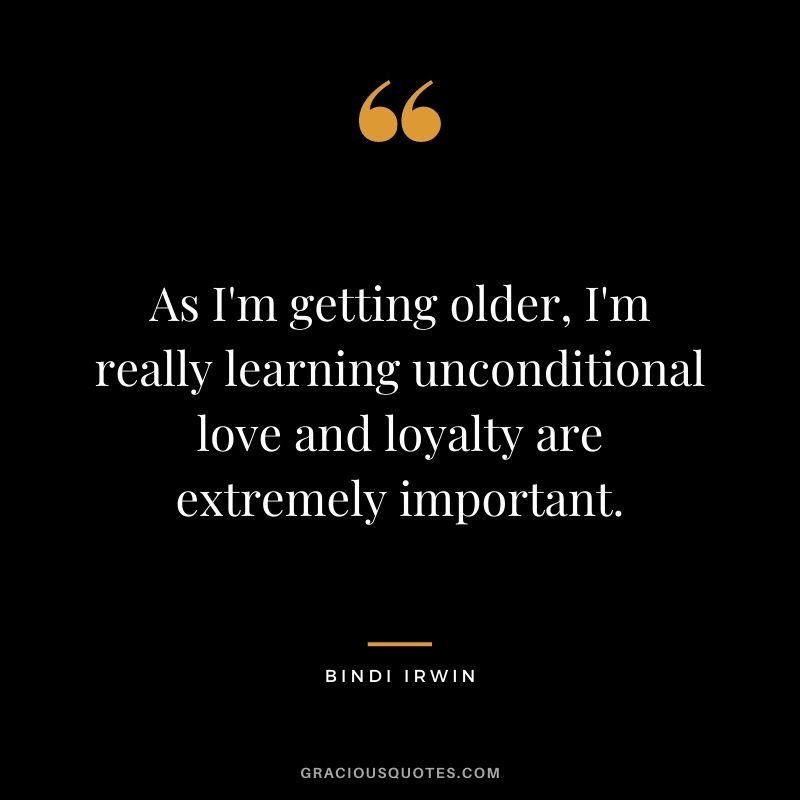
In the traditional sense, loyalty is often viewed through a romantic or interpersonal lens—a commitment to remain faithful, supportive, and consistent. However, in the hyper-competitive landscape of modern commerce, “loyalty in a relationship” has become the holy grail of brand strategy. Here, the relationship is not between two people, but between a brand and its audience.
In this context, loyalty is the result of a consistently positive emotional experience, physical attribute-based satisfaction, and perceived value of an experience, which includes the product or services. It is the invisible thread that keeps a consumer returning to a specific brand even when competitors offer lower prices or flashier features. Understanding the mechanics of this relationship is essential for any business looking to move beyond transactional interactions and toward sustainable brand equity.
1. The Anatomy of Brand Loyalty: Beyond Transactions
To understand what loyalty is in a brand relationship, one must first distinguish it from mere repeat purchasing. A customer might buy the same toothpaste every month out of habit or convenience, but that is not loyalty; it is inertia. True loyalty exists when a consumer has a preference so strong that they will go out of their way, pay a premium, or wait longer to engage with a specific brand.
The Emotional Connection
At its core, loyalty is an emotional construct. While features and price points matter, they are easily replicated by competitors. What cannot be easily stolen is how a brand makes a consumer feel. Emotional loyalty occurs when a brand aligns with a consumer’s identity. When someone buys a Harley-Davidson or an Apple product, they aren’t just buying a machine; they are purchasing a piece of an identity they wish to project. This emotional bond acts as a buffer against market fluctuations. When a brand makes a mistake, an emotionally invested consumer is more likely to offer a “second chance,” much like in a personal relationship.
Predictability and Trust
Trust is the currency of any relationship. In the branding world, trust is built through the bridge of predictability. A loyal customer knows exactly what to expect when they walk into a Starbucks in New York or a Starbucks in Tokyo. This reliability reduces the “cognitive load” on the consumer. By being consistent, a brand proves it is a reliable partner, fostering a sense of security that eventually matures into long-term loyalty.
2. Building the Foundation of a Long-Term Brand Relationship
A relationship doesn’t materialize overnight. It is cultivated through intentional brand strategy and a commitment to corporate identity. To foster loyalty, a brand must act as a living entity with values, a voice, and a clear purpose.
Consistency in Brand Voice and Identity
Imagine a friend who changes their personality every time you meet them. You would find it impossible to build a deep relationship with them because there is no stable “core” to connect with. Brands face the same challenge. A fragmented brand identity—where the social media tone doesn’t match the in-store experience—creates “cognitive dissonance.”
Strategic brand loyalty requires a unified voice across all touchpoints. Whether it is the typography on the packaging, the tone of a customer service email, or the aesthetic of a flagship store, every element must reinforce the same narrative. This consistency signals professional maturity and helps the consumer feel they “know” the brand on a personal level.
Transparency as the Bedrock of Trust
In the digital age, the “curtain” between corporation and consumer has vanished. Transparency is no longer an option; it is a requirement for loyalty. Consumers today are highly attuned to “greenwashing” or performative activism. For a relationship to remain loyal, the brand must be honest about its sourcing, its labor practices, and even its failures. When a brand admits to a mistake and outlines a plan to fix it, it often sees an increase in loyalty. This vulnerability humanizes the brand, making the relationship feel more authentic and less corporate.
3. The Role of Customer Experience (CX) in Fostering Fidelity
If brand strategy is the “soul” of the relationship, Customer Experience (CX) is the “daily interaction.” You cannot have a healthy relationship if the daily interactions are frustrating, even if the underlying values are aligned.
Personalization: Making the Consumer Feel Seen
One of the most powerful ways to build loyalty is through personalization. In a sea of billions of consumers, the brand that can say, “I know who you are and what you like,” wins. This goes beyond just using a customer’s first name in an email. It involves using data and AI tools to anticipate needs.

For example, a fitness app that notices a user has missed three days of workouts and sends an encouraging, non-judgmental nudge is acting as a “partner” in the user’s health journey. This level of personalization transforms the brand from a tool into a collaborator, deepening the loyalty within the relationship.
Resolving Friction Points in the Journey
Loyalty is often lost not because of a bad product, but because of a high “effort” requirement. If a customer has to jump through hoops to return an item, speak to a human, or navigate a website, the relationship sours.
High-loyalty brands obsess over the “Customer Journey Map.” They identify every potential point of friction and work to eliminate it. By making the relationship easy, the brand demonstrates that it values the consumer’s time. This respect for the consumer’s resources is a subtle but profound form of relationship-building that pays dividends in retention.
4. Measuring the Strength of the Union
You cannot manage what you cannot measure. In professional brand management, “loyalty” is quantified through specific metrics that indicate the health and longevity of the consumer-brand bond.
Net Promoter Score (NPS) and Customer Lifetime Value (CLV)
The Net Promoter Score (NPS) is a primary indicator of brand health. It asks one simple question: “How likely are you to recommend this brand to a friend?” This measures advocacy—the highest stage of loyalty. When a consumer is willing to put their own reputation on the line to vouch for your brand, the relationship has moved from “satisfied” to “loyal.”
Similarly, Customer Lifetime Value (CLV) provides a financial snapshot of loyalty. It calculates the total revenue a business can expect from a single customer account throughout the business relationship. A high CLV indicates that the brand has successfully moved the customer away from one-off purchases and into a long-term partnership.
Community Engagement and Advocacy
Loyalty often manifests in the creation of a “brand community.” This is where the relationship moves from one-to-one (Brand to Consumer) to many-to-many (Consumer to Consumer, centered around the Brand). Whether it is a dedicated subreddit, a Discord server, or an annual user conference, these communities act as an ecosystem that sustains loyalty. When consumers begin to identify with each other because of their shared love for a brand, the cost of leaving that brand increases, as it would mean leaving the community as well.
5. The Evolution of Loyalty in the Digital Age
The definition of “what is loyalty in a relationship” continues to shift as technology and social values evolve. We are moving away from “loyalty programs” (points and rewards) and toward “loyalty platforms” (values and experiences).
Social Responsibility and Value Alignment
Modern consumers, particularly Millennials and Gen Z, view their purchases as “votes” for the kind of world they want to live in. Loyalty is increasingly tied to a brand’s stance on social, environmental, and ethical issues. A brand that remains silent or takes a contradictory stance on issues important to its demographic risks an immediate breakdown of the relationship. Loyalty in 2024 is a pact: the consumer provides patronage, and the brand provides a commitment to ethical stewardship.
Gamification and Incentivized Retention
While emotional loyalty is the goal, the “Tech” side of branding provides new tools to reinforce behavior. Gamification—using game-design elements like badges, levels, and streaks—can tap into the psychological triggers of the consumer. However, the most successful brands use gamification not as a bribe, but as a way to celebrate the relationship. For instance, a language-learning app like Duolingo uses “streaks” to encourage daily interaction. The loyalty here is born from the user’s investment in their own progress, facilitated by the brand’s interface.
Conclusion: The Infinite Loop of Loyalty
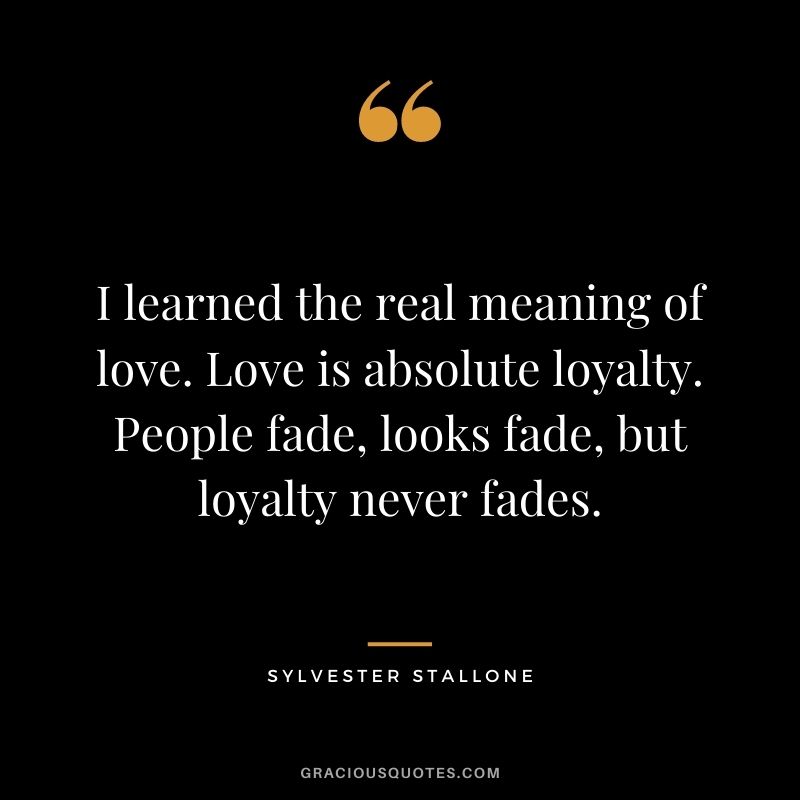
Ultimately, loyalty in a brand relationship is not a destination; it is a continuous cycle of delivery and delight. It requires a strategic blend of emotional intelligence, consistent identity, and seamless execution.
A brand that treats its customers as statistics will always struggle with churn. Conversely, a brand that treats its customers as partners in a long-term relationship creates a defensive moat that no amount of advertising spend from a competitor can breach. In the end, the answer to “what is loyalty in a relationship” is simple: it is the decision, made by the consumer every single day, to choose you again. By focusing on trust, transparency, and the human element behind the data, brands can turn casual buyers into lifelong advocates.
aViewFromTheCave is a participant in the Amazon Services LLC Associates Program, an affiliate advertising program designed to provide a means for sites to earn advertising fees by advertising and linking to Amazon.com. Amazon, the Amazon logo, AmazonSupply, and the AmazonSupply logo are trademarks of Amazon.com, Inc. or its affiliates. As an Amazon Associate we earn affiliate commissions from qualifying purchases.