
Understanding the intricacies of a vehicle’s transmission system is fundamental to appreciating automotive engineering and maximizing driving performance and safety. Among the various drive settings, low gear—often marked as ‘L’, ‘1’, or ‘2’ on an automatic shifter, or simply the first and second gears in a manual transmission—serves a very specific and crucial purpose, leveraging mechanical advantage to deliver power differently than higher gears. This deep dive explores the technological underpinnings and practical applications of low gear in modern vehicles.
The Fundamentals of Automotive Gearing
At its core, a car’s transmission system is a sophisticated piece of engineering designed to manage the power generated by the engine, allowing the driver to control the vehicle’s speed and torque output efficiently. The engine operates within a specific RPM (revolutions per minute) range where it produces optimal power and torque. The transmission’s role is to ensure that, regardless of the vehicle’s speed, the engine can largely remain within this optimal range by changing gear ratios.
The Principle of Torque and RPM
Torque is the rotational force an engine produces, essentially its “grunt” or pulling power. RPM refers to how fast the engine’s crankshaft is spinning. In simpler terms, to accelerate quickly from a standstill or to climb a steep hill, a car needs a lot of torque. However, to maintain high speeds on a highway, it needs to efficiently convert that torque into sustained wheel rotation, which requires a different balance.
Gears in a transmission are essentially sets of interlocking cogs of varying sizes. When a smaller gear drives a larger gear, the output shaft (which eventually connects to the wheels) spins slower but with increased torque. Conversely, when a larger gear drives a smaller gear, the output shaft spins faster but with less torque. This mechanical principle is key to understanding low gear.
How a Transmission Works
A conventional transmission—be it manual or automatic—consists of multiple gear sets. When you shift gears, you are engaging different combinations of these gears, altering the ratio between the engine’s input speed and the transmission’s output speed. In lower gears, the engine spins many times for each rotation of the wheels, providing high torque for initial movement or challenging conditions. In higher gears, the engine spins fewer times for each wheel rotation, allowing for higher vehicle speeds at lower engine RPMs, which is more fuel-efficient for cruising.
Understanding Low Gear (L1, L2, L)
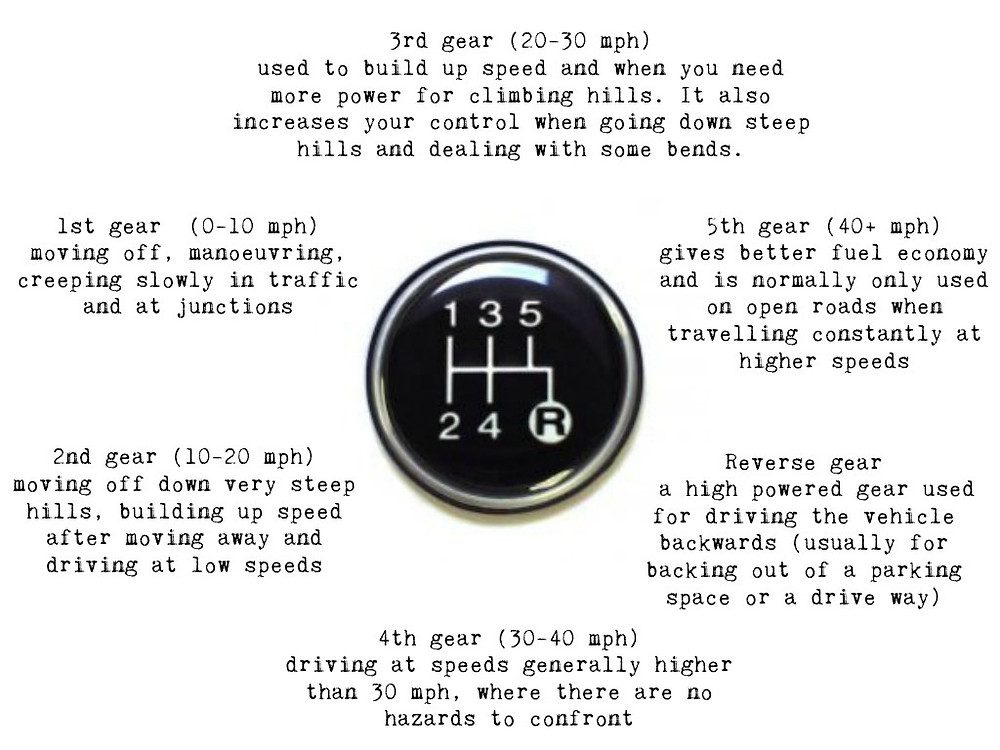
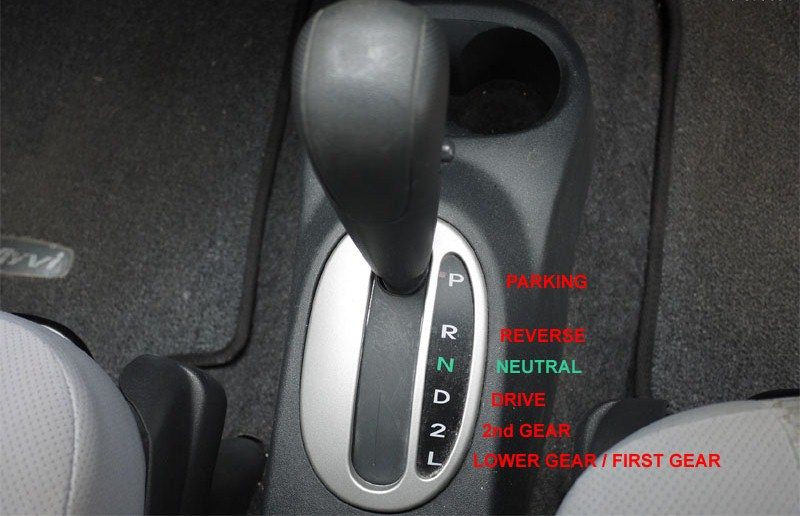
Low gear, or the lowest available gear ratio in a vehicle’s transmission, is engineered to provide the maximum possible torque multiplication to the drive wheels while significantly limiting the vehicle’s top speed. On an automatic shifter, this is often represented by ‘L’ (Low), ‘1’ (First), or ‘2’ (Second). In a manual transmission, it simply refers to the first or second gear selected by the driver.
Maximizing Torque, Minimizing Speed
When you engage low gear, the transmission selects a very high gear ratio. This means that for every revolution of the drive wheels, the engine completes a significantly higher number of revolutions compared to higher gears. For example, in first gear, the ratio might be 4:1, meaning the engine spins four times for every one rotation of the wheels. In contrast, a top highway gear might have a ratio of 0.7:1, meaning the wheels spin more than once for every engine revolution.
This high ratio in low gear translates directly into a substantial increase in torque delivered to the wheels. This enhanced torque is invaluable for overcoming resistance, such as gravity on a steep incline, the inertia of a heavy load, or the drag of challenging terrain. Simultaneously, because the engine is spinning so many times for each wheel rotation, the vehicle’s maximum attainable speed in low gear is severely restricted.
The Role of Gear Ratios
Gear ratios are fundamental to the operation of low gear. They are carefully calculated by engineers to match the engine’s power band with the expected demands on the vehicle. A vehicle designed for heavy towing or serious off-roading will typically have lower (numerically higher) first and second gear ratios than a vehicle primarily intended for urban commuting, allowing it to generate more initial pulling power. The precise numerical ratio determines the extent of torque multiplication and speed reduction. A ratio of 4:1 provides more torque multiplication than a 3:1 ratio, for instance.
When and Why to Use Low Gear
Engaging low gear is not for everyday driving on flat, open roads. Its specific engineering purpose makes it invaluable in particular scenarios where maximum power delivery and control are paramount.
Steep Inclines and Declines
When ascending a very steep hill, low gear provides the necessary torque to prevent the engine from bogging down or struggling. It allows the vehicle to climb steadily without excessive strain on the powertrain. Conversely, when descending a steep decline, low gear is crucial for “engine braking.” By keeping the transmission in a low gear, the engine’s internal resistance acts as a natural brake, slowing the vehicle without relying solely on the friction brakes. This prevents brake fade, reduces wear on brake components, and provides greater control, especially with heavy loads.
Towing and Heavy Loads
Hauling a trailer or carrying a significant amount of cargo drastically increases the vehicle’s effective weight. In such situations, low gear provides the extra torque needed to get the vehicle moving from a stop and to maintain momentum, particularly on gradients. It reduces strain on the transmission and engine by preventing them from operating outside their optimal power bands under extreme load.
Off-Road Driving and Challenging Terrain
For vehicles equipped with 4×4 or off-road capabilities, low gear is indispensable. Whether traversing mud, sand, rocks, or deep snow, the increased torque and reduced speed provided by low gear (often termed “low range” in dedicated off-road vehicles) allow for precise throttle control and maximum traction. This enables the vehicle to crawl over obstacles and maintain momentum through difficult patches where higher gears would simply cause wheel spin or stall the engine.
Engine Braking and Controlled Descent
As mentioned earlier, engine braking is a critical safety feature of low gear. Instead of constantly pressing the brake pedal on long descents, shifting into a lower gear leverages the engine’s compression to slow the vehicle. This is particularly important for trucks, SUVs, and vehicles towing trailers, as it prevents the brakes from overheating and failing, a condition known as brake fade. It offers a more controlled and stable descent, especially in slippery conditions.
Low Gear in Different Transmission Types
The concept of low gear applies across various transmission technologies, though its implementation and driver interaction differ.
Manual Transmissions
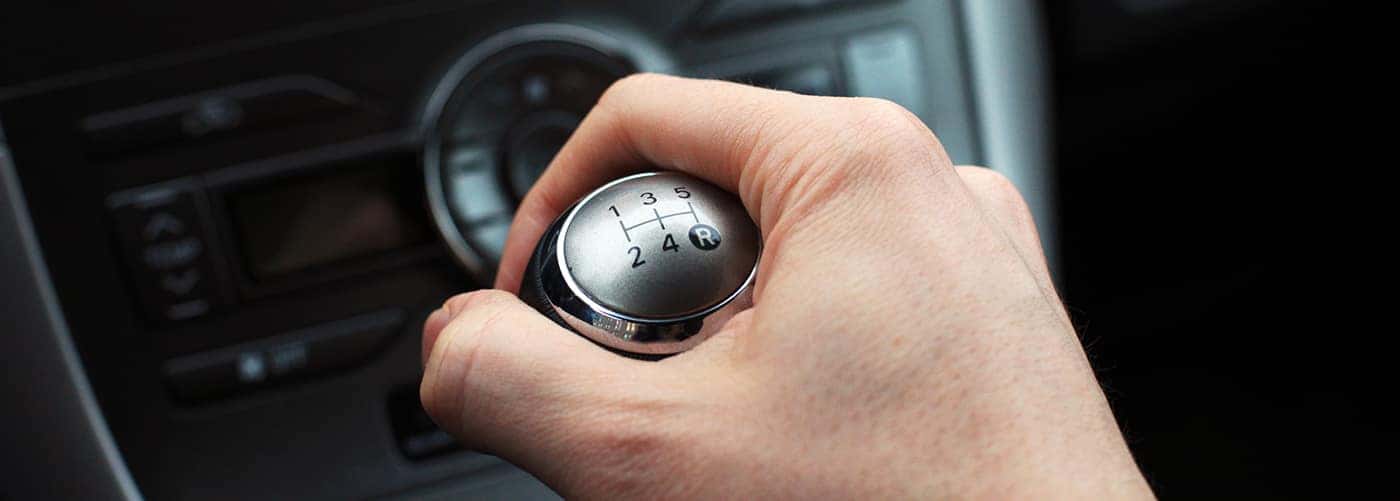
In a manual transmission, the driver explicitly selects first or second gear. These are the “low gears” in this context. The driver has direct control over the gear ratio by physically shifting the lever, allowing for precise management of torque and speed. This direct control is often preferred by enthusiasts for spirited driving or by professional drivers in challenging conditions due to the immediate feedback and command over the powertrain.
Automatic Transmissions (and L, 1, 2)
Automatic transmissions are designed to shift gears autonomously. However, most automatic vehicles still provide options for manual override or to select specific low gears. ‘L’ (Low) typically locks the transmission into the lowest possible gear, or restricts it to the first two gears, preventing it from shifting higher. ‘1’ and ‘2’ settings do much the same, locking the transmission into first or second gear respectively, often allowing the vehicle to start in that gear and hold it. This gives the driver the benefits of low gear use without needing to operate a clutch. Modern automatics, especially those with sport modes or paddle shifters, often allow drivers to temporarily select lower gears for engine braking or increased power, simulating manual control.
Continuously Variable Transmissions (CVT) and “Simulated” Gears
Continuously Variable Transmissions (CVTs) operate differently, using a belt and pulley system to provide an infinite range of gear ratios rather than fixed steps. While CVTs don’t have distinct “gears” in the traditional sense, many are programmed to simulate gear steps, including “low gear” settings. These simulations can mimic the high torque output of a conventional low gear, particularly useful in conditions like climbing steep hills or for engine braking. They achieve this by adjusting the pulley ratios to maintain the engine at higher RPMs, delivering maximum power and torque.
Electric Vehicles and Single-Speed Transmissions
Electric vehicles (EVs) fundamentally change the gearing paradigm. Many EVs use a single-speed transmission because electric motors deliver maximum torque from 0 RPM. This characteristic eliminates the need for multiple gear ratios to manage engine power at different speeds. However, some performance EVs or heavy-duty electric trucks may incorporate two-speed transmissions to optimize efficiency at very high speeds or provide even greater torque for extreme towing, essentially having a “low” and “high” gear option, though this is less common for passenger EVs.
Optimizing Your Vehicle’s Performance with Low Gear
Using low gear correctly is not just about overcoming difficult situations; it’s also about optimizing your vehicle’s overall performance, longevity, and safety.
Extending Component Lifespan
Proper use of low gear reduces strain on your vehicle’s braking system, especially on long descents. By allowing the engine to do some of the work of slowing the vehicle, you minimize heat buildup in the brakes, preventing premature wear of pads and rotors and reducing the risk of brake fade. Similarly, for towing or off-roading, using low gear prevents the engine and transmission from overheating or being overworked, contributing to their long-term health and reliability.
Enhancing Safety and Control
In challenging driving conditions—be it a slick icy road, a steep gravel path, or a precarious descent with a heavy load—the enhanced control and stability offered by low gear are invaluable. The reduced speed and increased torque allow for finer adjustments to steering and throttle, helping to prevent skidding, maintain traction, and navigate obstacles with greater precision. It’s a vital tool in a driver’s arsenal for mastering difficult driving scenarios and ensuring a safer journey for themselves and their passengers.
aViewFromTheCave is a participant in the Amazon Services LLC Associates Program, an affiliate advertising program designed to provide a means for sites to earn advertising fees by advertising and linking to Amazon.com. Amazon, the Amazon logo, AmazonSupply, and the AmazonSupply logo are trademarks of Amazon.com, Inc. or its affiliates. As an Amazon Associate we earn affiliate commissions from qualifying purchases.