
In today’s increasingly connected world, understanding our health metrics is more accessible than ever. While we often focus on common concerns like high blood pressure or cholesterol, the less discussed, yet equally significant, condition of low blood pressure (hypotension) also warrants our attention. This article delves into what constitutes low blood pressure ranges, exploring the nuances, potential causes, and the technological and financial considerations that come into play when managing this health aspect. Drawing from the intersection of technology, brand awareness, and personal finance, we’ll equip you with a comprehensive understanding of hypotension.
Understanding Blood Pressure: The Basics
Before we dive into the specifics of low blood pressure ranges, it’s crucial to grasp what blood pressure signifies. Blood pressure is the force exerted by circulating blood against the walls of your arteries. It’s measured in millimeters of mercury (mmHg) and is expressed as two numbers:
- Systolic pressure (the top number): This measures the pressure in your arteries when your heart beats (contracts).
- Diastolic pressure (the bottom number): This measures the pressure in your arteries when your heart rests between beats.
For example, a reading of 120/80 mmHg means the systolic pressure is 120 mmHg and the diastolic pressure is 80 mmHg.
What is Considered “Normal” Blood Pressure?
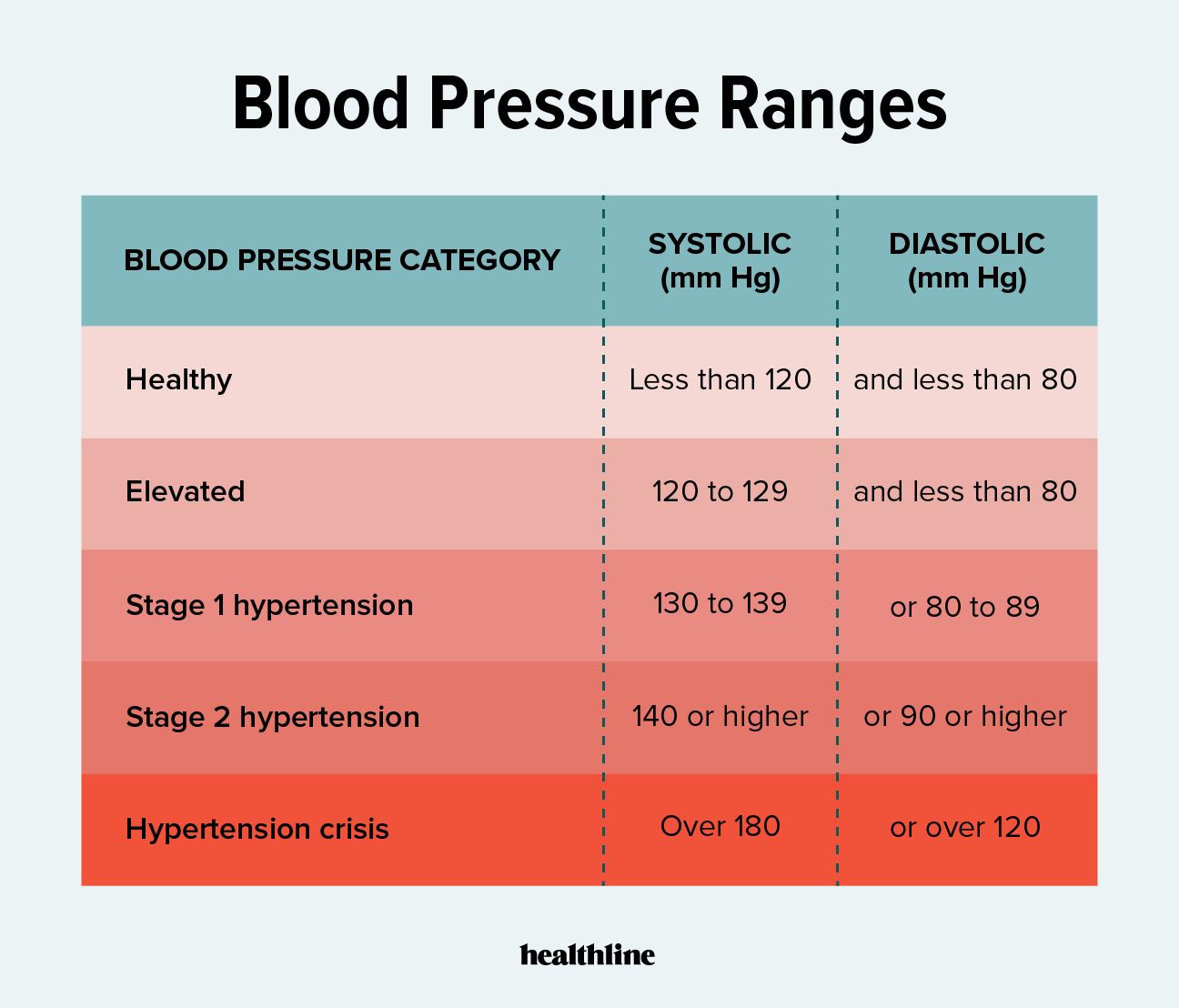
Generally, blood pressure readings are categorized as follows:
- Normal: Less than 120/80 mmHg
- Elevated: 120-129 systolic and less than 80 diastolic
- High Blood Pressure (Hypertension) Stage 1: 130-139 systolic or 80-89 diastolic
- High Blood Pressure (Hypertension) Stage 2: 140 or higher systolic or 90 or higher diastolic
- Hypertensive Crisis: Higher than 180 systolic and/or higher than 120 diastolic
Defining Low Blood Pressure Ranges
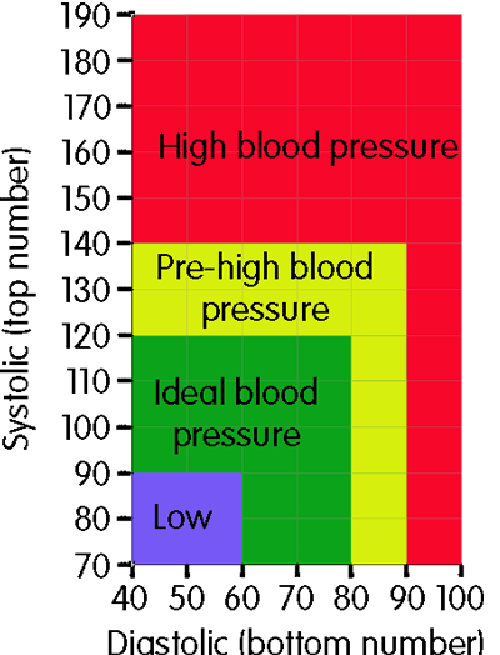
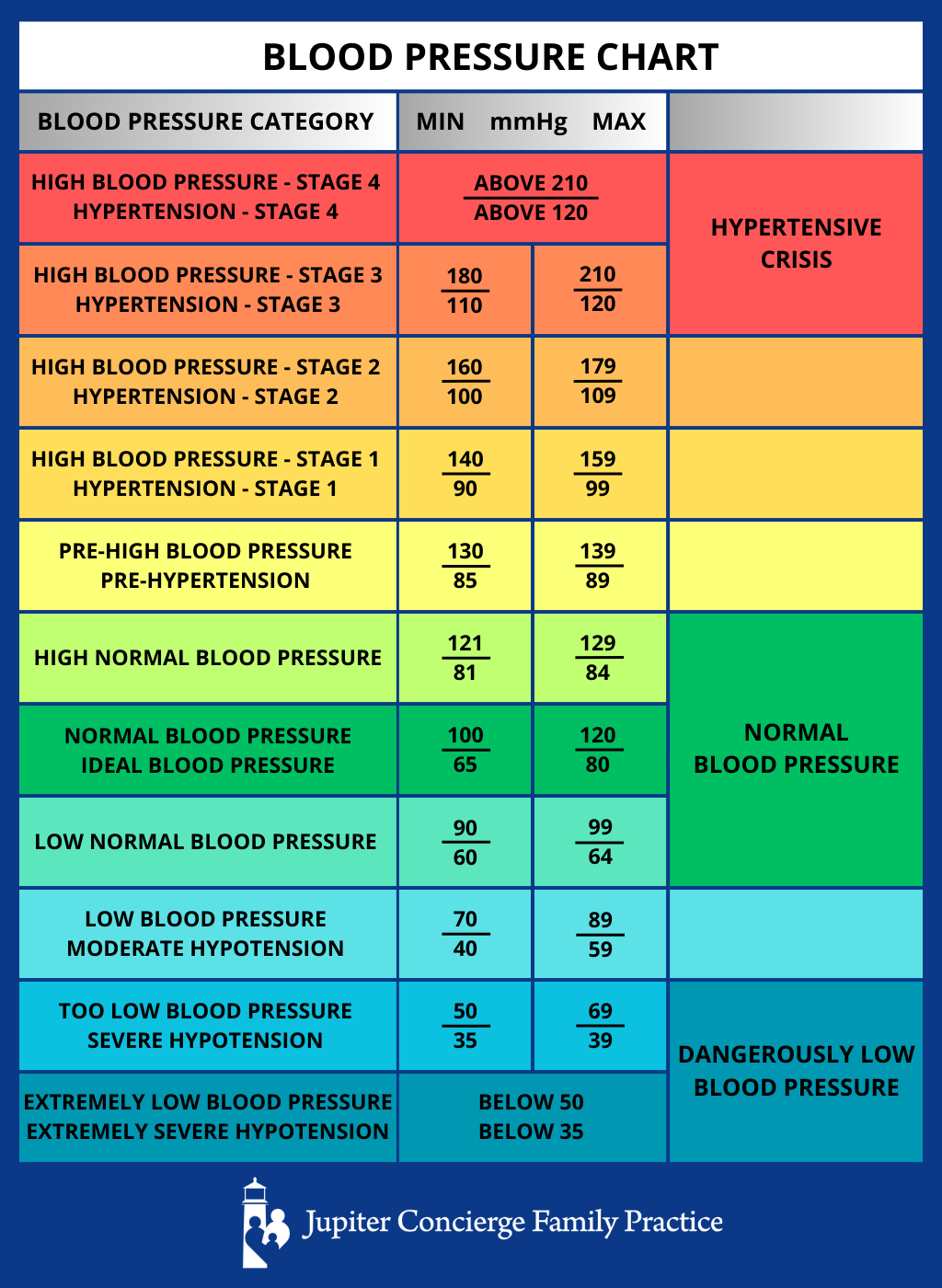
Low blood pressure, or hypotension, is typically diagnosed when blood pressure readings consistently fall below 90 mmHg systolic or 60 mmHg diastolic. However, it’s important to note that what is considered “low” can vary significantly from person to person. Some individuals naturally have lower blood pressure without experiencing any symptoms, and this is not necessarily a cause for concern. For others, blood pressure readings in this range can lead to noticeable symptoms.
When Does Low Blood Pressure Become a Concern?
The key indicator that low blood pressure might be an issue isn’t just the number itself, but rather the presence of symptoms. If your blood pressure drops suddenly or significantly, or if it’s accompanied by symptoms like:
- Dizziness or lightheadedness
- Fainting (syncope)
- Blurred vision
- Nausea
- Fatigue
- Lack of concentration
- Cold, clammy, pale skin
- Rapid, shallow breathing
…then it’s time to seek medical advice. These symptoms suggest that your organs, particularly your brain, are not receiving enough oxygenated blood.
Different Types and Causes of Hypotension
Low blood pressure can manifest in various forms, each with distinct triggers and implications:
Orthostatic Hypotension (Postural Hypotension)
This is a common type of low blood pressure that occurs when you stand up from a sitting or lying position. Gravity causes blood to pool in your legs, and if your body can’t compensate quickly enough by increasing your heart rate and constricting blood vessels, your blood pressure drops. This can lead to dizziness and even fainting.
Contributing factors to orthostatic hypotension include:
- Dehydration: Not enough fluid in your body reduces blood volume.
- Certain medications: Blood pressure medications, diuretics, antidepressants, and drugs for Parkinson’s disease can contribute.
- Medical conditions: Diabetes, heart problems, neurological disorders (like Parkinson’s disease), and adrenal insufficiency can play a role.
- Prolonged bed rest: Lying down for extended periods can weaken the body’s ability to regulate blood pressure upon standing.
- Age: Older adults are more susceptible due to natural changes in the body’s circulatory system.
Postprandial Hypotension
This type of low blood pressure occurs within a couple of hours after eating. It’s more common in older adults, especially those with autonomic nervous system dysfunction or diabetes. The theory is that digestion diverts blood flow to the stomach and intestines, leading to a drop in blood pressure elsewhere in the body.
Neurally Mediated Hypotension (NMH)
This occurs after standing for long periods, especially in children and young adults. It’s thought to be a miscommunication between the brain and the heart. The brain mistakenly signals that the blood pressure is too high, causing it to drop. Symptoms often include dizziness, lightheadedness, nausea, and fainting.
Severe Hypotension (Shock)
This is a life-threatening condition that occurs when blood pressure drops so low that it can’t adequately supply oxygen to vital organs. It can be caused by:
- Trauma with significant blood loss
- Severe infection (septic shock)
- Heart attack or heart failure
- Severe allergic reaction (anaphylactic shock)
- Dehydration
This requires immediate medical attention.
The Role of Technology in Monitoring and Managing Blood Pressure
In the digital age, technology offers powerful tools for individuals to monitor and manage their blood pressure, whether it’s high or low. This intersection of health and tech is revolutionizing personal wellness.
Smart Devices and Blood Pressure Monitors
The most direct way technology helps is through increasingly sophisticated and user-friendly blood pressure monitors. Gone are the days of solely relying on doctor’s visits for readings.
- Home Blood Pressure Monitors: These devices allow for regular checks in the comfort of your own home. Many modern devices are digital, easy to use, and provide instant readings.
- Smart Blood Pressure Monitors: The next evolution, these devices connect via Bluetooth to smartphones and tablets. They can automatically record readings, track trends over time, and even sync with health apps. This data can be invaluable for personal insight and for sharing with healthcare providers.
- Wearable Technology: While not yet as precise as dedicated monitors, some smartwatches and fitness trackers are beginning to incorporate blood pressure sensing capabilities. These offer continuous or more frequent monitoring, providing a broader picture of your cardiovascular health.
Health Apps and Data Management
The data collected by smart devices is often managed and analyzed by dedicated health applications.
- Trend Analysis: Apps can visualize your blood pressure readings over days, weeks, and months, helping you identify patterns, triggers, and the effectiveness of any lifestyle changes or treatments.
- Symptom Tracking: Many apps allow you to log accompanying symptoms like dizziness or fatigue alongside your blood pressure readings. This correlation can be crucial for diagnosis and treatment adjustments.
- Reminders and Alerts: These apps can set reminders for medication, measurement times, or even alert you if readings fall outside your pre-set target ranges.
- Data Sharing with Healthcare Providers: Secure data sharing features allow you to grant your doctor access to your detailed blood pressure history, leading to more informed consultations and potentially faster diagnoses.
AI and Predictive Health
Looking ahead, Artificial Intelligence (AI) is poised to play an even larger role in blood pressure management.
- Personalized Insights: AI algorithms can analyze vast datasets of patient information to identify subtle patterns and predict potential issues before they become serious. For hypotension, AI might identify individuals at higher risk of orthostatic hypotension based on their medication, lifestyle, and other health metrics.
- Early Detection of Hypotension: By analyzing trends in wearable data or home monitor readings, AI could flag an increased risk of symptomatic low blood pressure, prompting proactive intervention.
- Optimized Treatment Recommendations: AI could potentially assist healthcare professionals in tailoring treatment plans by analyzing individual responses to different interventions.
Branding and Awareness: The Importance of Recognizing Hypotension
While technology provides the tools, effective branding and public awareness campaigns are essential for ensuring that low blood pressure, particularly symptomatic hypotension, is recognized and taken seriously.
Personal Branding and Health Literacy
For individuals, understanding your own health is a form of personal branding – it’s about presenting your best self, and that starts with being well.
- Empowerment through Knowledge: Knowing what low blood pressure ranges mean and what symptoms to watch for empowers individuals to advocate for their health. This knowledge is currency in the healthcare system.
- Proactive Health Management: When you understand the potential implications of hypotension, you’re more likely to take proactive steps, such as staying hydrated, adjusting medication (under medical supervision), or seeking advice when experiencing symptoms.
- Communicating Effectively with Healthcare Providers: A well-informed patient can articulate their concerns more effectively. Knowing your blood pressure history and associated symptoms allows for more productive conversations with your doctor, leading to better care.
Corporate Identity and Health Initiatives
For companies, particularly in the health and wellness sector, building a strong brand identity around proactive health management can be a significant differentiator.
- Health Tech Companies: Brands in this space need to communicate reliability, accuracy, and user-friendliness. Demonstrating how their devices and apps can help manage conditions like hypotension builds trust and customer loyalty. Case studies showcasing individuals who have improved their quality of life through their technology are powerful marketing tools.
- Healthcare Providers: Hospitals and clinics can build a reputation for comprehensive care by emphasizing their expertise in managing a wide range of cardiovascular conditions, including hypotension. Their branding should convey empathy, advanced diagnostics, and personalized treatment plans.
- Public Health Campaigns: Government and non-profit organizations play a vital role in raising public awareness. Branding these campaigns effectively ensures they resonate with the target audience, encouraging them to learn about and monitor their blood pressure. Simple, memorable slogans and clear visuals are key.
Financial Considerations and Managing Hypotension
Managing any health condition inevitably involves financial aspects, and hypotension is no exception. Understanding these can help individuals budget and make informed decisions.
Cost of Monitoring and Treatment
- Home Blood Pressure Monitors: While prices vary, reliable digital monitors can range from $30 to $100+. Smart monitors might be at the higher end of this spectrum. Investing in a quality device is crucial for accurate readings.
- Health Apps: Many health apps offer free basic features, while premium subscriptions can cost $5-$20 per month, unlocking advanced analytics, personalized coaching, or additional features.
- Medications: If medication is prescribed to manage underlying causes of hypotension or symptoms, costs will depend on the specific drug, insurance coverage, and pharmacy.
- Doctor’s Visits and Diagnostics: Regular check-ups, specialist consultations, and diagnostic tests (like EKGs or blood work) to determine the cause of hypotension can add up.
Insurance and Reimbursement
- Health Insurance Coverage: The extent to which health insurance covers blood pressure monitors, apps, doctor visits, and medications will significantly impact out-of-pocket expenses. It’s essential to understand your policy details.
- Flexible Spending Accounts (FSAs) and Health Savings Accounts (HSAs): These pre-tax savings accounts can often be used to purchase eligible medical equipment, including blood pressure monitors, and pay for qualified medical expenses.
- Employer Wellness Programs: Some employers offer incentives or subsidies for purchasing health monitoring devices or participating in wellness programs that can indirectly help manage conditions like hypotension.
Investing in Your Health as a Financial Strategy
Viewing healthcare expenses not just as costs, but as investments in your long-term well-being, is a wise financial strategy.
- Preventing Costly Complications: Effectively managing hypotension can prevent more serious health issues and the associated high costs of emergency care or chronic disease management down the line.
- Maintaining Productivity: For many, consistent blood pressure management is key to maintaining energy levels, cognitive function, and the ability to work and earn a living. This directly impacts earning potential.
- Long-Term Financial Security: A healthy body is foundational to long-term financial security. By proactively managing conditions like low blood pressure, individuals can ensure they are able to enjoy their later years without the burden of preventable health complications.
Conclusion: A Holistic Approach to Understanding Low Blood Pressure
Understanding low blood pressure ranges is more than just knowing a number; it’s about recognizing the subtle signs your body gives you and leveraging the resources available to manage your health effectively. From the technological advancements in monitoring and data analysis to the crucial role of effective branding in raising awareness, and the practical financial planning required, a holistic approach is key.
For individuals, staying informed, utilizing smart health tools, and communicating openly with healthcare providers are paramount. For brands, building trust through reliable technology and clear messaging can empower consumers. And for everyone, viewing health as an investment rather than just an expense can lead to greater well-being and financial stability. By staying vigilant and informed, we can navigate the complexities of low blood pressure and live healthier, more fulfilling lives.
aViewFromTheCave is a participant in the Amazon Services LLC Associates Program, an affiliate advertising program designed to provide a means for sites to earn advertising fees by advertising and linking to Amazon.com. Amazon, the Amazon logo, AmazonSupply, and the AmazonSupply logo are trademarks of Amazon.com, Inc. or its affiliates. As an Amazon Associate we earn affiliate commissions from qualifying purchases.