
In the modern global economy, the terms “logistics” and “supply chain” are often used interchangeably, yet in the realm of high-level technology, they represent distinct, interconnected layers of a complex digital ecosystem. As we move deeper into the era of Industry 4.0, these functions have evolved from manual, labor-intensive processes into data-driven powerhouses. Understanding what logistics and supply chain management (SCM) entail today requires a deep dive into the software, hardware, and algorithmic intelligence that keep the world moving.
This article explores the fundamental definitions of logistics and supply chain through a technological lens, examining how emerging tech stacks are redefining efficiency, visibility, and global connectivity.
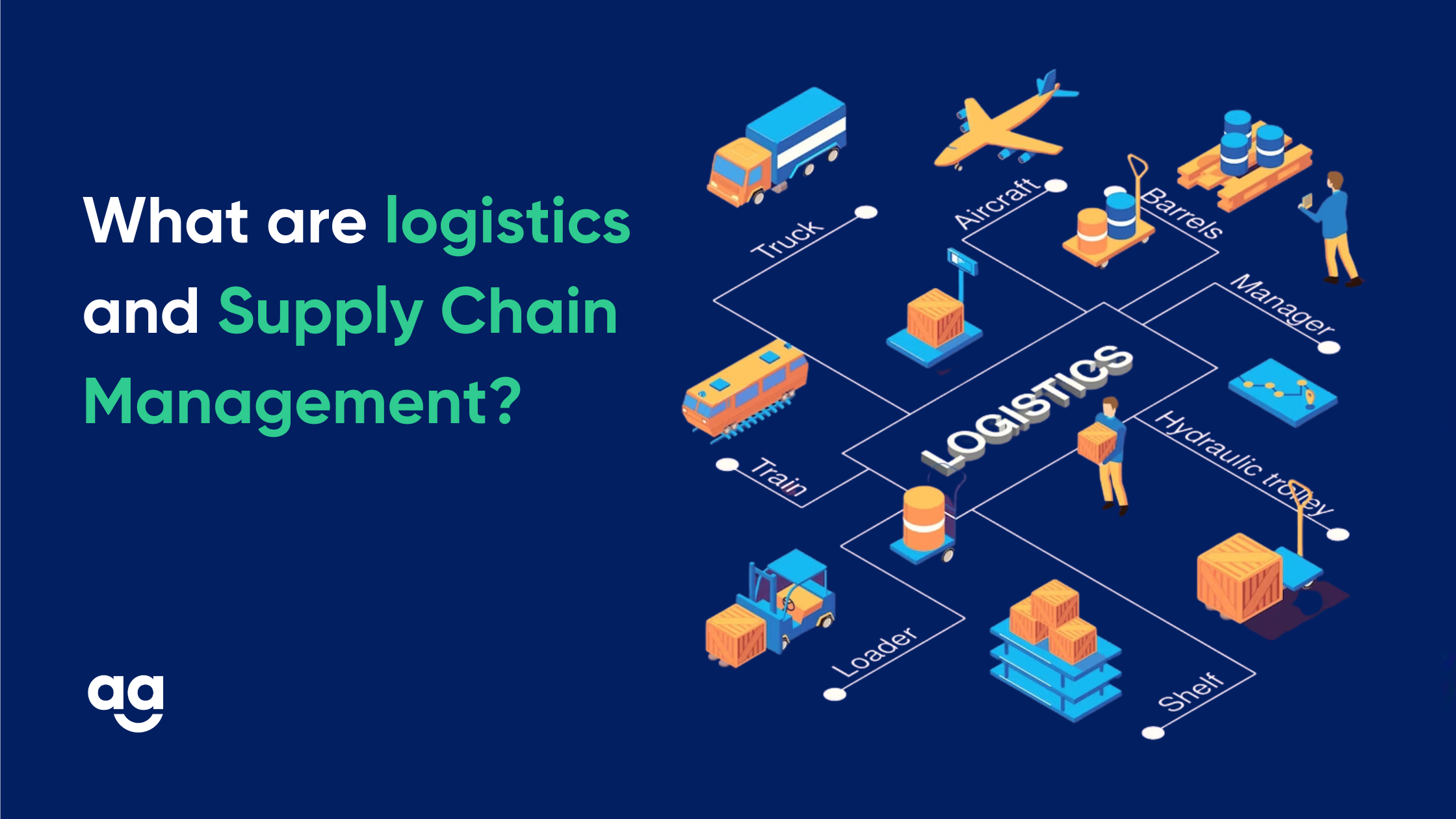
Decoding the Digital Framework: Logistics vs. Supply Chain Management
To understand the technological infrastructure of modern commerce, we must first distinguish between the microscopic focus of logistics and the macroscopic scope of the supply chain. While they work in tandem, their technological requirements and digital objectives differ significantly.
Logistics: The Movement of Data and Physical Assets
At its core, logistics is the functional subset of the supply chain focused on the efficient movement and storage of goods, services, and information. In a tech-centric context, logistics is about execution. It involves the integration of information, transportation, inventory, warehousing, material handling, and packaging.
Today’s logistics is increasingly “smart.” We are no longer just moving boxes; we are managing data points. Every shipment is a stream of information—GPS coordinates, temperature sensor readings, and estimated time of arrival (ETA) calculations. Digital logistics focuses on optimizing the “last mile,” reducing latency in transit, and ensuring that the physical flow of goods matches the digital record in real-time.
Supply Chain: The Integrated Digital Ecosystem
The supply chain is the broader umbrella that encompasses the entire network of entities, people, information, and resources involved in moving a product from raw material to the end consumer. If logistics is the “how” of movement, the supply chain is the “who, what, and where” of the entire lifecycle.
Technologically, Supply Chain Management (SCM) acts as an orchestration layer. It utilizes advanced software to synchronize supply with demand. It involves procurement tech, manufacturing automation, and strategic partnership platforms. A modern supply chain is a “Digital Supply Network” (DSN) where silos are broken down, and information flows bi-directionally between suppliers, manufacturers, and retailers.
The Tech Stack Powering Modern Logistics
The transition from spreadsheets to sophisticated software suites has revolutionized how logistics operations are executed. Three core technologies serve as the backbone of this transformation: TMS, WMS, and IoT.
Transportation Management Systems (TMS)
A Transportation Management System is a platform designed to streamline the shipping process. By using APIs to connect with various carriers, a TMS allows businesses to automate freight auditing, optimize routes, and manage electronic logging devices (ELDs). Modern TMS solutions leverage machine learning to analyze historical shipping data, helping firms choose the most cost-effective carriers and transit modes in milliseconds. This software doesn’t just track shipments; it optimizes the entire spend and carbon footprint of a logistics operation.
Warehouse Management Systems (WMS) and Robotics
The “four walls” of the warehouse have become a playground for high-tech innovation. A modern WMS controls every movement within a distribution center, from receiving and put-away to picking and packing. However, the software is now being paired with hardware: Autonomous Mobile Robots (AMRs) and Automated Storage and Retrieval Systems (AS/RS). These robots use LiDAR and computer vision to navigate warehouse floors, working alongside humans to increase throughput and reduce the margin of error to near zero.
Real-Time Visibility through IoT and Sensors
The Internet of Things (IoT) has eliminated the “black holes” in the supply chain. By embedding sensors in shipping containers and pallets, companies can monitor the health of their cargo in real-time. This is particularly vital in the “cold chain”—the logistics of temperature-sensitive goods like pharmaceuticals or fresh produce. IoT devices transmit data via cellular or satellite networks, alerting managers if a container’s temperature deviates by even a degree, allowing for proactive intervention before inventory is lost.
AI and Machine Learning: From Predictive Analytics to Autonomous Delivery

The true differentiator in modern supply chain tech is the application of Artificial Intelligence (AI) and Machine Learning (ML). These technologies have shifted the industry from a reactive stance to a proactive, predictive model.
Demand Forecasting and Big Data
One of the greatest challenges in SCM is the “Bullwhip Effect,” where small fluctuations in consumer demand at the retail level cause massive swings in production at the manufacturing level. AI mitigates this by analyzing vast datasets—including social media trends, weather patterns, and historical sales—to predict demand with uncanny accuracy. Machine learning models can identify patterns that human analysts would miss, allowing companies to lean out their inventory and reduce waste while ensuring products are available when customers want them.
Route Optimization and Autonomous Vehicles
In logistics, the most expensive and inefficient segment is often the “last mile.” AI-driven route optimization software calculates millions of variables—traffic, road construction, delivery windows, and vehicle capacity—to provide drivers with the most efficient path.
Looking forward, the tech industry is heavily investing in autonomous delivery. From self-driving long-haul trucks that can operate 24/7 without driver fatigue to sidewalk delivery droids and aerial drones, the goal is to remove the human bottleneck from the movement of goods. While regulatory hurdles remain, the technological foundation for a fully autonomous logistics loop is already being laid.
Securing the Chain: Blockchain and Cybersecurity in Global Trade
As supply chains become more digitized, they also become more vulnerable. The movement of goods relies on a massive amount of documentation—bills of lading, certificates of origin, and customs declarations. Technology is stepping in to secure these exchanges and protect the integrity of the global network.
Smart Contracts and Ledger Transparency
Blockchain technology offers a decentralized, immutable ledger that is perfect for logistics. By using blockchain, every stakeholder in the supply chain—from the raw material supplier to the end-of-line retailer—can view a single, unalterable version of the truth.
“Smart contracts” are a specific application of this tech. These are self-executing contracts with the terms of the agreement directly written into code. When a GPS sensor confirms that a shipment has arrived at a specific warehouse, the smart contract can automatically trigger a payment to the carrier. This reduces administrative overhead, eliminates disputes, and speeds up the “cash-to-cash” cycle.
Protecting Digital Infrastructure from Cyber Threats
Because modern supply chains are so interconnected, a cyberattack on one small supplier can cripple a global corporation. Cybersecurity has therefore become a critical component of supply chain tech. Companies are implementing “Zero Trust” architectures and AI-driven threat detection systems to monitor their digital networks. Protecting the data integrity of a supply chain is now just as important as protecting the physical security of a warehouse.
The Future of Supply Chain Tech: Sustainability and Resilience
The next frontier for logistics and supply chain technology is the dual challenge of environmental sustainability and systemic resilience. Tech is the primary tool being used to solve these complex global issues.
Circular Economy Enabled by Green Tech
There is a growing technological movement toward the “circular supply chain,” where products are designed to be returned, refurbished, or recycled. This requires “reverse logistics” tech—systems capable of managing the flow of goods back from the consumer to the manufacturer. Additionally, data analytics are being used to calculate the carbon intensity of different shipping routes, allowing companies to prioritize “Green Lanes” and utilize electric or hydrogen-powered transport fleets.
Building Resilient Systems with Digital Twins
A “Digital Twin” is a virtual replica of a physical supply chain. By creating a digital model of their entire operation, companies can run “what-if” simulations. What happens if a major port is closed? What if a key supplier goes offline due to a natural disaster?
By stress-testing the digital twin, supply chain managers can identify vulnerabilities before they manifest in the real world. This level of technological foresight allows for the creation of resilient systems that can pivot in real-time, ensuring that the global flow of goods remains uninterrupted even in the face of significant disruption.

Conclusion
What is logistics and supply chain today? It is a sophisticated, technology-driven discipline that serves as the nervous system of global trade. From the robotic precision of a modern warehouse to the algorithmic intelligence of demand forecasting, technology has turned the simple act of moving goods into a high-stakes digital chess game. As AI, IoT, and Blockchain continue to mature, the boundary between the physical and digital worlds will continue to blur, creating a future where the supply chain is not just a series of links, but a seamless, intelligent, and self-healing web of global connectivity.
aViewFromTheCave is a participant in the Amazon Services LLC Associates Program, an affiliate advertising program designed to provide a means for sites to earn advertising fees by advertising and linking to Amazon.com. Amazon, the Amazon logo, AmazonSupply, and the AmazonSupply logo are trademarks of Amazon.com, Inc. or its affiliates. As an Amazon Associate we earn affiliate commissions from qualifying purchases.