
The term “LLC corporation” is a common point of confusion for entrepreneurs, especially those venturing into the dynamic worlds of technology, branding, and finance. While often used interchangeably, understanding the distinct meanings and implications of “LLC” and “corporation” is crucial for making informed decisions about your business structure. This article will demystify these terms, explore their differences, and explain why choosing the right structure is paramount for success in today’s interconnected business environment.
Understanding the Core: LLC vs. Corporation
At its heart, the confusion stems from the fact that both Limited Liability Companies (LLCs) and Corporations are business entities that offer limited liability to their owners. However, the way they achieve this, their operational complexities, and their tax implications differ significantly.
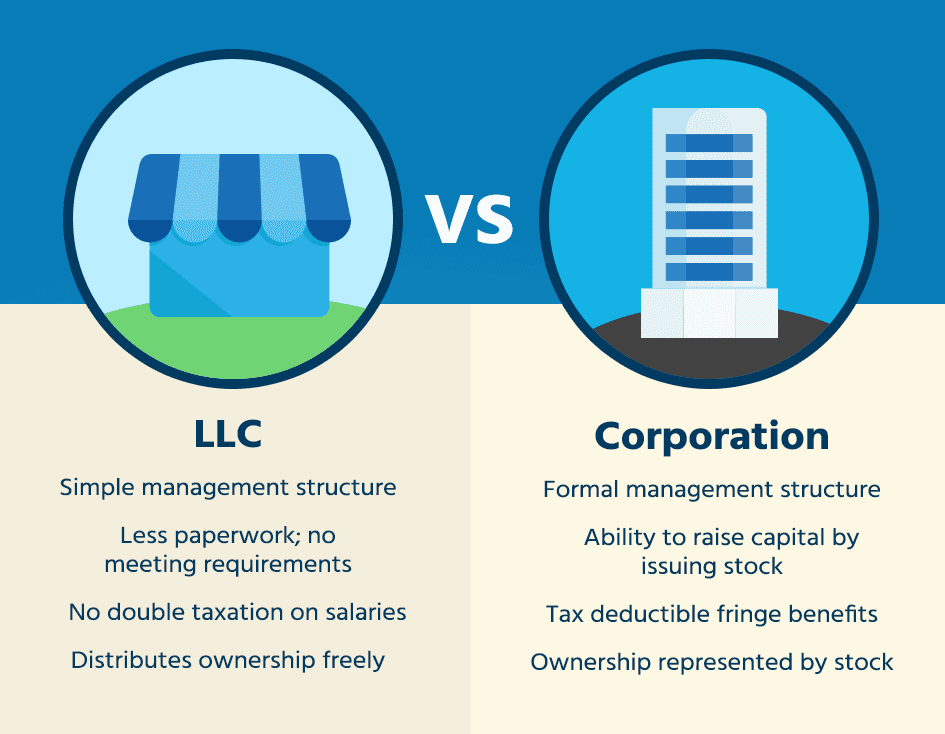
The Limited Liability Company (LLC): Flexibility and Simplicity
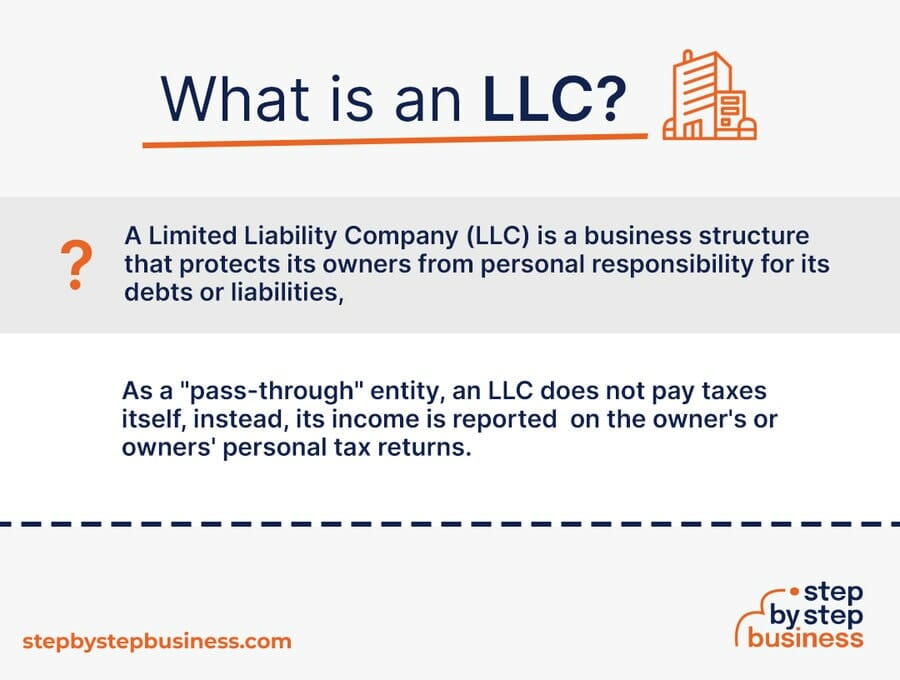
An LLC is a hybrid business structure that combines the pass-through taxation of a partnership or sole proprietorship with the limited liability of a corporation. This means that the business itself is a separate legal entity from its owners, shielding their personal assets from business debts and lawsuits.
Key Characteristics of an LLC:
- Limited Liability: This is the cornerstone benefit. If the LLC incurs debt or faces a lawsuit, the personal assets of the owners (members) are generally protected. Creditors and litigants can typically only pursue the assets owned by the LLC itself.
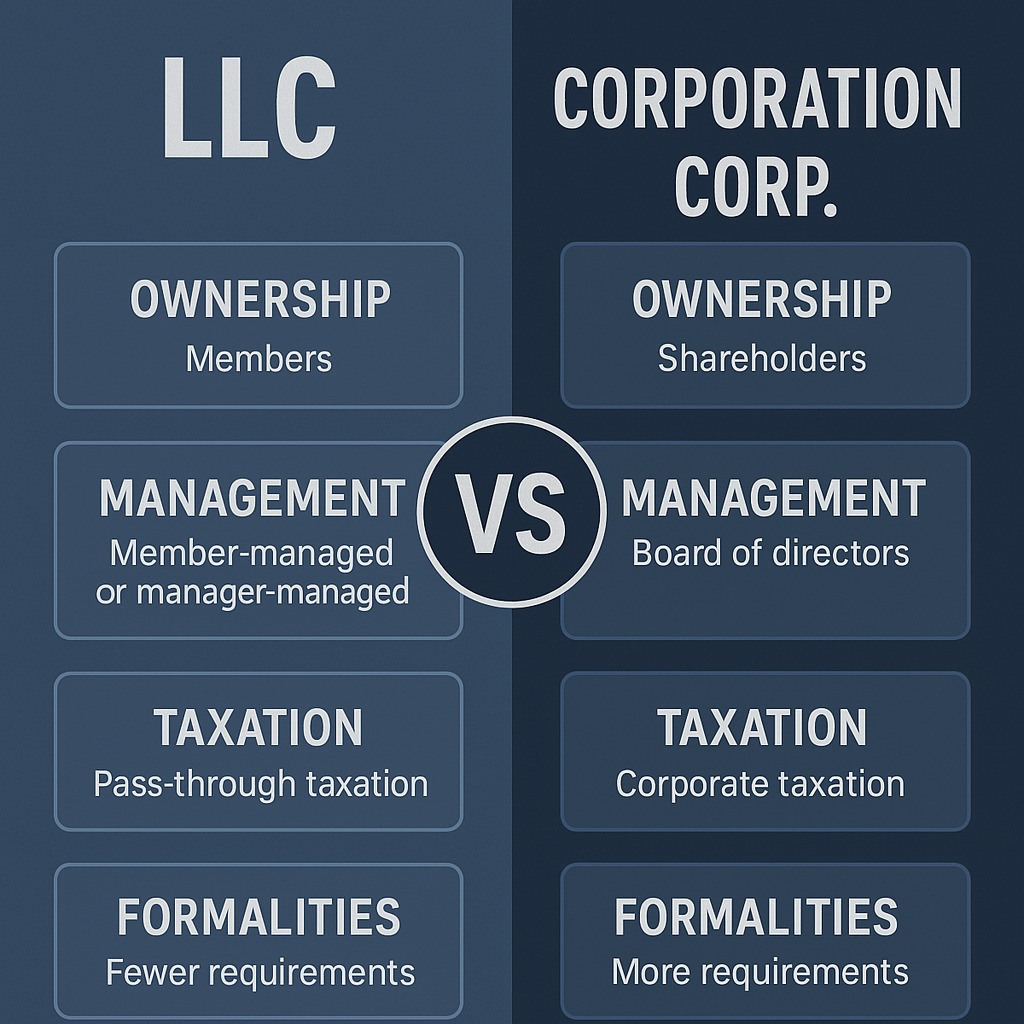
- Pass-Through Taxation: Unlike traditional corporations, LLCs don’t pay corporate income taxes. Instead, the profits and losses are “passed through” to the owners’ personal income tax returns. This avoids the “double taxation” that can occur with C-corporations.
- Flexibility in Management: LLCs can be managed by their members (member-managed) or by appointed managers (manager-managed). This flexibility allows for tailored operational structures.
- Fewer Formalities: Compared to corporations, LLCs generally have fewer ongoing compliance requirements, such as mandatory annual meetings or extensive record-keeping.
- Formation: Typically established by filing Articles of Organization with the state. An Operating Agreement, though not always legally required, is highly recommended for outlining ownership, management, and operational procedures.
Who Benefits from an LLC?
LLCs are an attractive option for a wide range of businesses, particularly those that:
- Are small to medium-sized: The simplicity and lower administrative burden make them ideal for startups and growing businesses.
- Prioritize flexibility: The ability to choose management structure and pass-through taxation offers significant advantages.
- Want to avoid double taxation: This is a major draw for many entrepreneurs.
- Are in service-based industries: Many tech startups, consulting firms, and freelance operations find the LLC structure to be a perfect fit.
The Corporation: Structure and Growth Potential
A corporation, on the other hand, is a more complex legal entity that is entirely separate from its owners (shareholders). It has its own rights, privileges, and liabilities. Corporations are designed for growth and can raise capital more easily through the sale of stock.
Key Characteristics of a Corporation:
- Limited Liability: Similar to LLCs, shareholders have limited liability, meaning their personal assets are protected from corporate debts and lawsuits.
- Separate Legal Entity: A corporation is treated as a distinct “person” in the eyes of the law, capable of entering into contracts, owning property, and suing or being sued.
- Potential for Double Taxation (C-Corporation): This is a significant difference. C-corporations are taxed on their profits, and then shareholders are taxed again on dividends received from those profits.
- S-Corporation Election: Many smaller corporations opt for an S-corporation tax status, which allows for pass-through taxation, similar to an LLC, thereby avoiding double taxation. However, S-corps have stricter eligibility requirements than LLCs.
- Formal Structure: Corporations require more formal operational procedures, including appointing a board of directors, holding regular board and shareholder meetings, and maintaining detailed corporate minutes.
- Formation: Established by filing Articles of Incorporation with the state. This is typically followed by issuing stock to shareholders and adopting corporate bylaws.
Who Benefits from a Corporation?
Corporations are often chosen by businesses that:
- Plan for significant growth and external investment: The ability to issue stock makes it easier to attract venture capital and other forms of equity financing.
- Intend to go public (IPO): Corporations are the only structure that can be publicly traded on stock exchanges.
- Require a more rigid and structured governance: The board of directors and shareholder system provides a clear hierarchy.
- Are larger and more complex operations: The established framework can be beneficial for managing larger enterprises.
Navigating the “LLC Corporation” Misnomer
The term “LLC corporation” is, in essence, a conflation of two distinct business structures. An entity is either an LLC or a corporation; it cannot be both simultaneously. However, the widespread use of the term arises from:
- Shared Benefit of Limited Liability: Both structures provide the crucial shield of limited liability, which is a primary driver for choosing either over a sole proprietorship or general partnership.
- Informal Language: In casual conversation or preliminary business discussions, people might use “LLC corporation” to broadly refer to a formally established business entity that offers personal asset protection, without delving into the precise legal distinctions.
- Confusion with S-Corp: As mentioned, an S-corporation is a tax election that a corporation can choose. An LLC can also elect S-corp status. This can lead to further confusion, as an LLC acting like an S-corp might be loosely referred to as an “LLC corporation.”
It’s crucial to understand that legally, an entity will be registered as either an LLC or a corporation (C-corp or S-corp). When you encounter “LLC corporation,” interpret it as a colloquialism for a business that has opted for limited liability, likely an LLC due to its flexibility and simpler tax structure, or a corporation that has elected S-corp status to gain similar tax benefits.
Strategic Implications Across Tech, Brand, and Money
The choice between an LLC and a corporation has profound implications for how your business operates, how it’s perceived, and its financial trajectory.
Tech: Innovation, Scalability, and Investment Readiness
In the fast-paced tech sector, agility and the ability to attract funding are paramount.
Tech Trends and Structure:
- Agile Development and LLCs: Many tech startups, especially those focused on software development, app creation, or AI tool building, benefit from the operational flexibility of an LLC. The simpler administrative requirements allow teams to focus on product development rather than bureaucratic hurdles.
- Scalability and Corporations: As tech companies aim for rapid growth and market dominance, the corporate structure, particularly a C-corporation, becomes more advantageous. Its ability to issue stock is essential for raising substantial venture capital and preparing for an Initial Public Offering (IPO).
- Digital Security and Liability: For businesses dealing with sensitive data or providing digital security services, the limited liability offered by both LLCs and corporations is non-negotiable. It protects the founders and employees from personal repercussions in case of a data breach or cyberattack.
AI Tools and Apps:
- Intellectual Property Protection: Regardless of structure, robust legal agreements are essential for protecting intellectual property in the tech space. However, a corporation might be perceived as a more stable and established entity by potential acquirers or investors, which is a common exit strategy for tech ventures.
- Funding Rounds: When seeking angel investment or venture capital, investors often prefer investing in C-corporations because of the established equity structure and easier pathways for future funding rounds. An LLC that wishes to attract such investment may need to convert to a corporation later.
Reviews and Tutorials:
- Content Creation Platforms: For individual content creators, reviewers, or tutorial providers operating online, an LLC often provides a good balance of protection and simplicity. It separates their personal finances from their online business activities, which can involve affiliate marketing, sponsored content, or selling digital products.
Brand: Identity, Reputation, and Market Perception
The chosen business structure can subtly influence how your brand is perceived by customers, partners, and the market at large.
Brand Strategy and Corporate Identity:
- Perception of Stability: While an LLC is flexible, a corporation, especially a well-established one, can sometimes convey a greater sense of permanence and scale to potential clients and partners. This can be important for building trust and a strong corporate identity.
- Personal Branding vs. Corporate Branding: For individuals building a personal brand, an LLC can provide a legal framework that separates their professional ventures from their personal life, enhancing their credibility. For larger companies focused on corporate branding, a more formal structure might align better with their established image.
- Marketing and Investor Relations: A corporate structure, with its defined board and shareholder system, can be more familiar and reassuring to institutional investors. This can be crucial when launching marketing campaigns aimed at attracting investment.
Reputation Management:
- Mitigating Risk: Both structures offer limited liability, which is a fundamental aspect of reputation management by protecting founders from personal financial ruin, thus allowing them to focus on building a positive brand.
- Transparency and Trust: While not directly dictated by structure, how transparently a business operates (e.g., through clear communication about its legal standing) can impact its reputation.
Case Studies and Design:
- Client Confidence: For businesses providing design services or showcasing case studies, demonstrating a sound legal foundation, including a properly structured entity, can instill greater confidence in potential clients.
Money: Finance, Investment, and Income Generation
The financial implications of an LLC versus a corporation are perhaps the most significant drivers of choice.
Personal Finance and Investing:
- Asset Protection: The primary financial benefit of both LLCs and corporations is the protection of personal assets from business liabilities. This is crucial for individuals who are investing their savings into a business.
- Tax Efficiency: As discussed, LLCs offer pass-through taxation, which is often simpler and more efficient for smaller businesses. C-corporations face double taxation, making S-corp election a common strategy to mitigate this. Understanding the tax code is paramount.
Online Income and Side Hustles:
- Formalizing Operations: For individuals generating income through side hustles, freelancing, or online ventures, forming an LLC can be a smart move to formalize their operations, separate finances, and take advantage of tax deductions.
- LLC vs. Sole Proprietorship for Side Hustles: While a sole proprietorship is the simplest for a side hustle, an LLC offers that critical layer of liability protection as the venture grows and becomes more profitable.
Business Finance and Financial Tools:
- Access to Capital: Corporations, particularly C-corporations, have a more established framework for raising capital through equity. This makes them more attractive to traditional lenders and venture capitalists.
- Accounting and Reporting: Corporations generally have more stringent accounting and reporting requirements, which can be beneficial for managing complex finances and utilizing advanced financial tools.
- Tax Planning: The choice of structure heavily influences tax planning strategies. LLCs allow for more flexible profit distribution, while corporations have specific rules regarding executive compensation, dividends, and retained earnings. Consulting with a tax professional is indispensable.
Conclusion: Making the Right Choice for Your Business
The question “what is llc corporation mean” highlights a common misunderstanding that can be resolved by recognizing the distinct legal entities they represent. An LLC offers flexibility and pass-through taxation, making it ideal for many startups and small to medium-sized businesses. A corporation, with its more formal structure and potential for equity financing, is often better suited for companies aiming for rapid expansion and significant external investment.
When navigating the intertwined worlds of technology, brand building, and financial management, understanding these fundamental differences is not just a matter of legal compliance; it’s a strategic imperative. The right business structure can significantly impact your ability to innovate, attract customers and investors, manage risk, and ultimately, achieve your entrepreneurial goals. Always consult with legal and financial professionals to determine the structure that best aligns with your specific business objectives and circumstances.
aViewFromTheCave is a participant in the Amazon Services LLC Associates Program, an affiliate advertising program designed to provide a means for sites to earn advertising fees by advertising and linking to Amazon.com. Amazon, the Amazon logo, AmazonSupply, and the AmazonSupply logo are trademarks of Amazon.com, Inc. or its affiliates. As an Amazon Associate we earn affiliate commissions from qualifying purchases.