
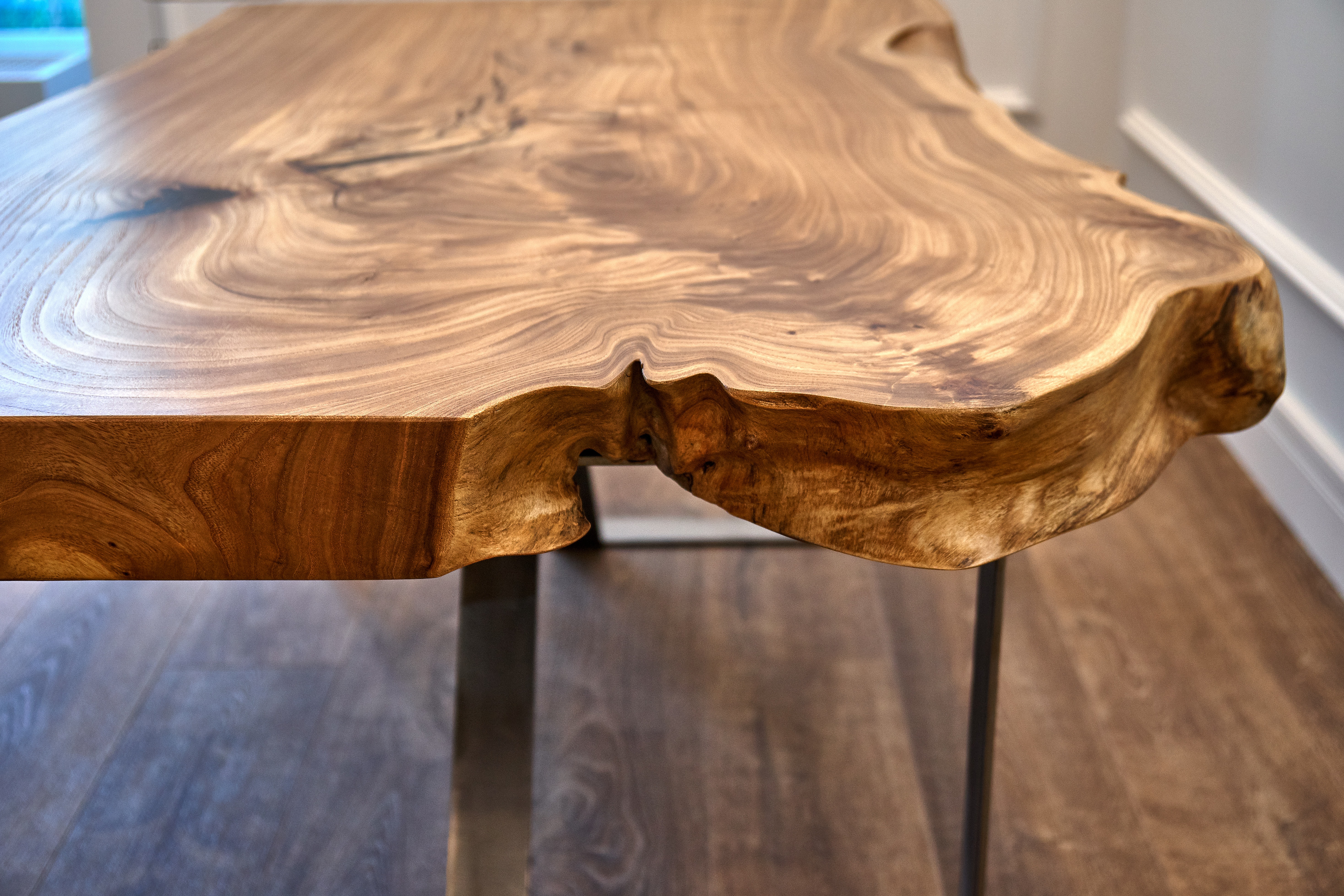
Live edge wood, in its essence, represents a philosophy more than just a material. It’s a deliberate design choice that integrates the natural, untrimmed edge of the tree directly into the finished product, preserving the organic contours, bark, and unique characteristics that would traditionally be discarded. This approach stands in stark contrast to conventional milling, which prioritizes straight lines and uniform dimensions. By embracing the raw, untamed beauty of the tree’s perimeter, live edge wood transforms timber into pieces of art that tell a story, making it a powerful tool for branding, design, and creating distinctive corporate identities.
The Organic Aesthetic: A Cornerstone of Modern Design
The allure of live edge wood lies in its unapologetic celebration of nature’s artistry. It introduces a vital element of the outdoors into interior spaces, creating a harmonious balance between natural ruggedness and refined craftsmanship. This aesthetic has carved a significant niche in contemporary design, appealing to those who value authenticity, uniqueness, and a connection to the natural world.
Embracing Nature’s Imperfections
What sets live edge wood apart is its inherent embrace of “imperfections.” Cracks, knots, unique grain patterns, and the irregular, often undulating perimeter of the slab are not hidden but highlighted. These features, traditionally seen as flaws, become the defining characteristics that give each piece its individual soul. For designers and brands, this translates into an opportunity to offer products that are genuinely one-of-a-kind, resisting the uniformity often associated with mass production. It speaks to a growing consumer desire for goods that possess character, a sense of history, and a touch of the handmade. By featuring these natural traits, brands communicate an appreciation for organic beauty and a commitment to preserving the material’s original form.
Distinguishing Live Edge from Traditional Milling
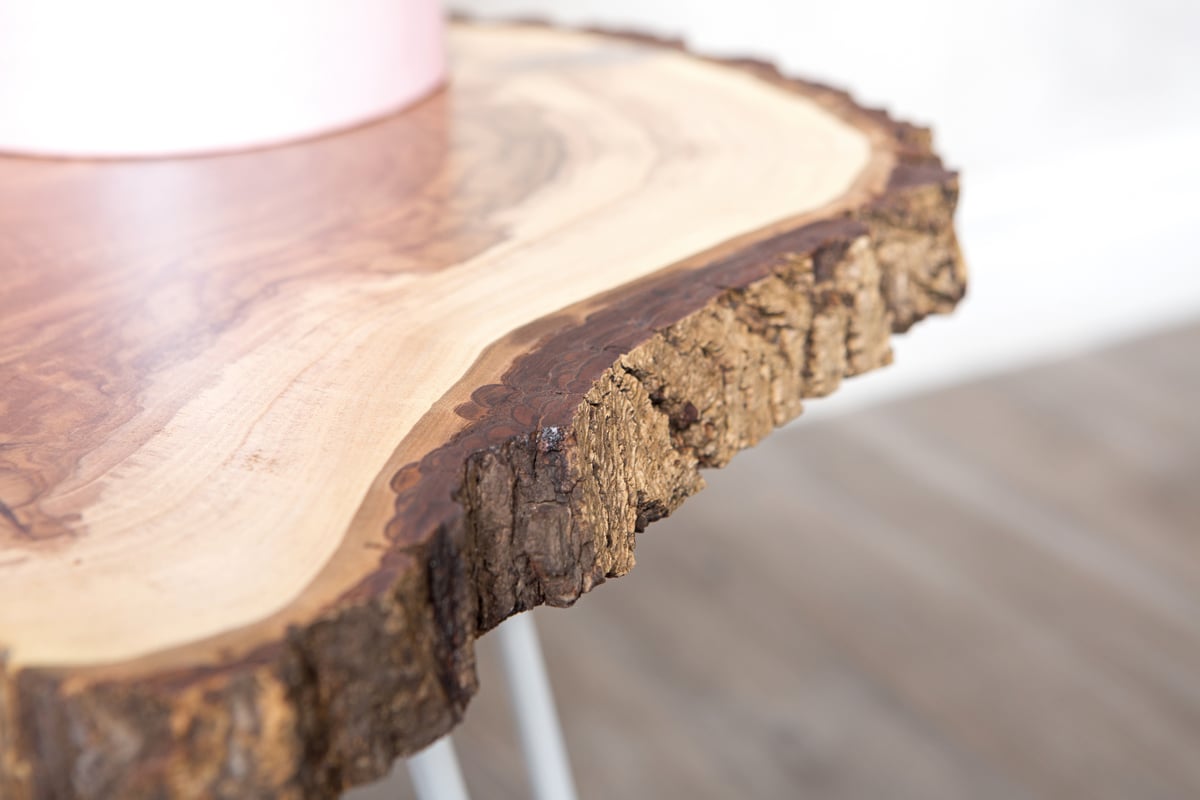
Traditional woodworking typically involves squaring off logs into precise, rectangular planks, removing all evidence of the tree’s original shape. This method prioritizes uniformity, ease of assembly, and a clean, rectilinear aesthetic. Live edge, conversely, deliberately leaves one or both of the tree’s natural edges intact. This might involve carefully cleaning and sanding the bark, or even removing the bark to reveal the natural cambium layer beneath. The result is a piece where the organic curve and texture of the tree’s outer layer dictate a portion of the design, leading to furniture and decor that defies conventional geometric norms. This distinction is critical for branding, as it immediately positions a product in a category of bespoke, artisanal quality, differentiating it from standardized alternatives.
Its Appeal in Contemporary Interiors
In modern interior design, live edge wood serves as a focal point, injecting warmth, texture, and an organic counterpoint to sleek, minimalist aesthetics. Whether as a dining table, a desk, a console, or even shelving, its presence grounds a space, providing a sense of permanence and connection to the earth. Its versatility allows it to blend seamlessly into various design styles, from rustic and industrial to Scandinavian and ultra-modern. Brands leveraging live edge elements can tap into a broad market that seeks to humanize their living and working environments, moving away from sterile, mass-produced aesthetics towards spaces that feel curated, soulful, and deeply personal.
Crafting Brand Identity Through Natural Forms
For businesses, integrating live edge wood into product lines or corporate environments is more than just a design choice; it’s a powerful statement about brand values, positioning, and storytelling. The material itself becomes a silent ambassador, communicating specific messages about quality, authenticity, and a unique perspective.
Communicating Authenticity and Uniqueness
In a market saturated with generic products, authenticity is a highly sought-after commodity. Live edge wood, by its very nature, embodies authenticity. Each slab is unique, with no two pieces ever being identical. This inherent uniqueness becomes a cornerstone for brands looking to differentiate themselves. When a brand offers live edge products, it signals a commitment to genuine craftsmanship and an appreciation for the natural world. It communicates a brand story that values originality, shuns mass production, and celebrates the singular beauty of nature. This resonates deeply with consumers who are increasingly conscious of product origins and seeking items that reflect their individuality.
Premium Positioning and Exclusivity
Due to the distinctive nature of the material, the specialized skills required for its preparation, and the often bespoke production process, live edge wood naturally lends itself to premium positioning. Brands utilizing live edge can command higher price points, signaling exclusivity and superior quality. The very irregularity that defines live edge makes it a luxury item—it cannot be perfectly replicated, making each piece a limited edition. This exclusivity is a powerful branding tool, attracting a discerning clientele willing to invest in pieces that offer long-term value, aesthetic distinction, and a sense of owning something truly special. For a brand, this elevates its perception from a mere provider of goods to a purveyor of unique, high-value experiences.
Storytelling Through Materiality
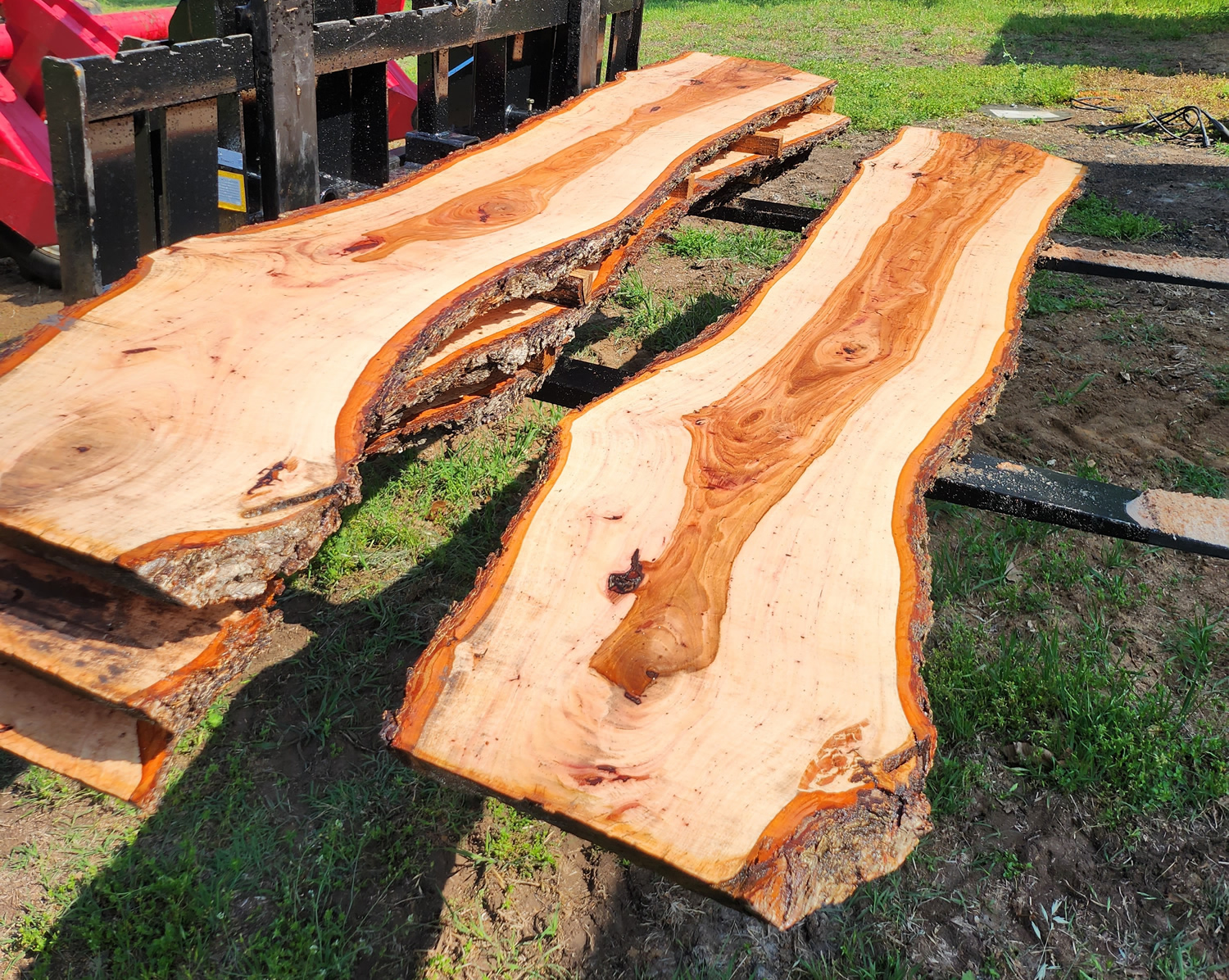
Every piece of live edge wood carries a story within its grain, its knots, and its distinctive edge. It speaks of the tree’s life, its environment, and the passage of time. Brands can leverage this intrinsic narrative to enrich their own storytelling. Beyond just selling a product, they can sell a piece of natural history, a fragment of a forest, transformed by human hands into functional art. This allows for powerful marketing narratives that connect with consumers on an emotional level, fostering a deeper relationship with the brand. Stories about the sourcing of the wood, the local artisans involved, or the sustainable practices employed can significantly enhance brand perception, making the product more memorable and desirable.
Marketing Live Edge Products: Highlighting Distinction
Successfully marketing live edge products requires a strategy that emphasizes their unique attributes and the values they represent. It’s about selling more than just wood; it’s about selling an aesthetic, a philosophy, and a piece of nature.
Targeting the Conscious Consumer
The primary demographic for live edge wood often includes conscious consumers who prioritize sustainability, ethical sourcing, and products with a story. These individuals are typically willing to invest more in items that align with their values. Marketing efforts should therefore highlight aspects such as the local origin of the wood, sustainable harvesting practices, and the longevity of the product. Emphasizing the ecological benefits of choosing natural, durable materials over synthetic or mass-produced alternatives can strongly resonate with this segment, positioning the brand as environmentally responsible and forward-thinking.
Visual Marketing Strategies
Given the inherently visual appeal of live edge wood, high-quality photography and videography are paramount. Marketing materials should meticulously capture the intricate details of the grain, the unique character of the live edge, and the overall craftsmanship. Lifestyle photography, showcasing live edge pieces in beautifully curated settings, helps prospective customers visualize how these distinctive items will enhance their own spaces. Brands should invest in professional imagery that conveys the premium nature and artistic quality of their products, using lighting and composition to emphasize texture, warmth, and the organic forms. Social media platforms, particularly image-heavy ones like Instagram and Pinterest, are ideal for showcasing the aesthetic power of live edge designs.
The Narrative of Craftsmanship and Sustainability
Beyond visual appeal, the narrative surrounding the creation of live edge pieces is a powerful marketing tool. Highlighting the skill of the artisans involved, the time-honored techniques used, and the meticulous process from raw slab to finished product adds immense value. This narrative elevates the product from a mere commodity to a handcrafted treasure. Furthermore, for brands committed to sustainability, emphasizing the utilization of reclaimed wood, fallen trees, or responsibly harvested timber can significantly enhance brand reputation. Communicating these practices not only attracts environmentally conscious buyers but also establishes the brand as a responsible steward of natural resources, contributing positively to its overall image.
Corporate Identity and Experiential Spaces
Live edge wood is not confined to residential interiors; it’s increasingly utilized in commercial and corporate settings to shape identity, enhance visitor experience, and make a memorable statement.
Enhancing Office and Retail Environments
For businesses looking to cultivate a distinct atmosphere, live edge wood offers an unparalleled solution. In office spaces, a live edge conference table or reception desk can immediately convey a sense of gravitas, creativity, and a connection to nature, fostering a more engaging and less sterile work environment. For retail, hospitality, and restaurant sectors, live edge countertops, bar tops, or communal tables can create a warm, inviting, and sophisticated ambiance that differentiates the establishment. This integration reflects a modern approach to design, suggesting a company that values quality, uniqueness, and thoughtful aesthetics.
The Impact on Client Perception
The visual and tactile experience of encountering live edge elements within a business setting can profoundly influence client perception. It signals an attention to detail, an investment in quality materials, and a commitment to creating an inspiring environment. For clients, this translates into a perception of a brand that is sophisticated, authentic, and perhaps even innovative. It helps establish trust and credibility by demonstrating that the company extends its values of excellence even to its physical spaces. In an increasingly competitive landscape, these subtle cues can be decisive in shaping how a brand is perceived and remembered.
Creating Memorable Brand Touchpoints
Every interaction a client has with a brand is a touchpoint, and physical spaces offer some of the most impactful. A live edge reception desk, a custom conference table, or even unique signage can serve as a memorable brand touchpoint. These elements become conversation starters, leaving a lasting impression that reinforces the brand’s identity long after the interaction. By incorporating live edge wood, businesses can create sensory experiences that are unique, tactile, and emotionally resonant, forging a stronger connection with their audience and solidifying their place in the collective memory. It’s a strategic design choice that speaks volumes about a brand’s dedication to distinctiveness and quality.
aViewFromTheCave is a participant in the Amazon Services LLC Associates Program, an affiliate advertising program designed to provide a means for sites to earn advertising fees by advertising and linking to Amazon.com. Amazon, the Amazon logo, AmazonSupply, and the AmazonSupply logo are trademarks of Amazon.com, Inc. or its affiliates. As an Amazon Associate we earn affiliate commissions from qualifying purchases.