
The landscape of modern portable electronics is defined by the quest for greater energy density, lighter weight, and versatile form factors. At the heart of this revolution lies the lithium-polymer (LiPo) battery. As devices become thinner and more demanding in terms of power delivery, LiPo technology has emerged as the industry standard, powering everything from ultra-slim smartphones and tablets to high-performance drones and wearable health trackers. Unlike its rigid, cylindrical predecessors, the LiPo battery represents a departure from metallic casing, offering designers the freedom to innovate in ways that were previously physically impossible.

The Architecture and Chemistry of Lithium Polymer Batteries
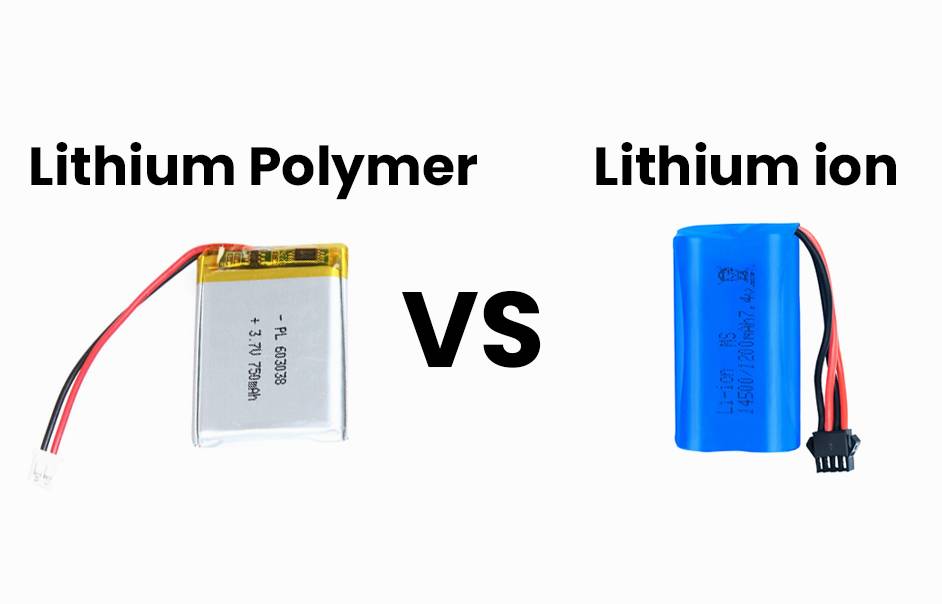
To understand why LiPo batteries have become the backbone of modern gadgetry, one must first look at their internal composition. A lithium-polymer battery operates on the same fundamental electrochemical principle as the lithium-ion (Li-ion) battery: the movement of lithium ions between a cathode and an anode through an electrolyte. However, the “polymer” in the name signifies a critical structural difference that dictates its performance and application.
Understanding the Electrolyte Shift
In a traditional lithium-ion battery, a liquid electrolyte—typically a lithium salt dissolved in an organic solvent—is housed within a metal casing. This liquid requires a heavy, rigid container to maintain pressure and prevent leakage. In contrast, a lithium-polymer battery utilizes a solid or gel-like polymer electrolyte. This material facilitates the ionic conductivity necessary for the battery to discharge and recharge, but it does so without the need for a bulky, pressurized shell.
Flexible Form Factors
The use of a semi-solid or solid electrolyte allows manufacturers to encapsulate the battery cells in a flexible, heat-sealed aluminum foil pouch. This “pouch cell” design is the defining characteristic of LiPo technology. Because the casing does not need to be cylindrical or metallic to maintain structural integrity, LiPo batteries can be manufactured in virtually any shape or thickness. This allows engineers to utilize “dead space” within a device chassis, maximizing the battery capacity in a smartphone that might otherwise be limited by a standard rectangular battery compartment.
Key Advantages in the Gadget Ecosystem
The transition to lithium-polymer technology has been a primary driver for the evolution of consumer electronics over the last decade. By shedding the weight and structural constraints of metal-cased cells, LiPo batteries have enabled a new generation of high-performance hardware.
High Energy-to-Weight Ratio
One of the most significant benefits of LiPo batteries is their exceptional energy density relative to their weight. In industries where every gram matters—such as drone racing or portable aerospace equipment—the lightweight nature of the pouch cell is an undeniable advantage. By eliminating heavy casing materials, manufacturers can increase the relative percentage of active material inside the battery, providing more power for longer durations without significantly increasing the weight of the overall device.
Customizable Geometry
As consumer demand shifts toward thinner, more ergonomic devices, the ability to customize battery dimensions has become paramount. A LiPo battery can be made as thin as a few millimeters, allowing for the sleek profiles seen in modern ultrabooks and tablets. Furthermore, because these batteries do not require the standard cylindrical form factor, they can be designed to wrap around internal components or fit into curved segments of a wearable device, effectively bridging the gap between hardware constraints and user experience design.
Low Internal Resistance and High Discharge Rates
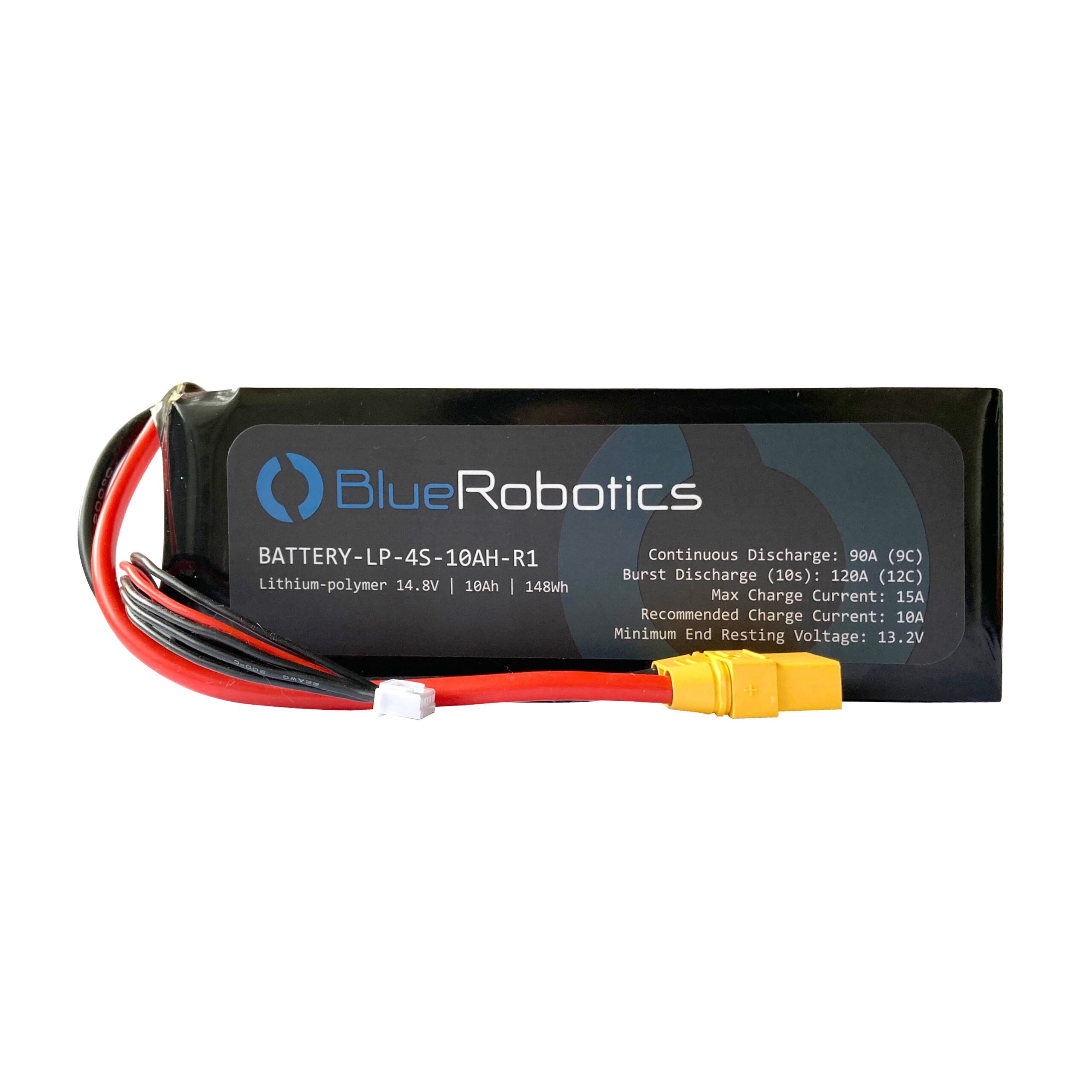
Beyond their physical versatility, LiPo batteries are celebrated for their ability to deliver high discharge currents. This makes them the preferred power source for devices that require sudden, powerful bursts of energy, such as the motors in quadcopters or the high-speed processors in gaming handhelds. The chemical structure of the polymer electrolyte allows for a more efficient flow of ions, which translates to a lower internal resistance and the capacity to handle heavy electrical loads without overheating or suffering from excessive voltage sag.
Challenges and Considerations for Safe Operation
While the advantages of lithium-polymer batteries are vast, their unique design introduces specific safety and management requirements. Because the pouch construction is less robust than a metal canister, LiPo batteries are more susceptible to physical damage. Furthermore, their high energy density means that failure modes can be more volatile if they are not properly handled.
Thermal Management and Charging Cycles
Like all lithium-based chemistry, LiPo batteries are sensitive to temperature extremes. Excessive heat can cause the polymer electrolyte to degrade or, in extreme cases, lead to a thermal runaway event. Consequently, devices utilizing LiPo batteries must incorporate sophisticated Battery Management Systems (BMS). The BMS monitors the voltage, current, and temperature of each cell, ensuring that the battery remains within its safe operating window during both charging and discharging cycles.
The Risk of Puncture and Swelling
A common concern with LiPo technology is “puffing” or swelling. As a battery ages or is subjected to improper charging cycles, trace amounts of gas can be generated within the pouch. Because the casing is flexible rather than rigid, this gas causes the battery to expand. While a slightly swollen battery may still hold a charge, it is a clear indicator that the chemical integrity of the cell has been compromised. Users must exercise caution, as a punctured pouch can lead to the venting of internal gases, which, when exposed to oxygen, can ignite. For this reason, LiPo batteries should never be subjected to mechanical stress, such as drops or crushing.
Best Practices for Longevity
To maximize the lifespan of a LiPo-powered device, users should adhere to a few foundational principles. First, avoid deep discharges; the chemical stability of the polymer electrolyte is best maintained when the battery is kept between 20% and 80% charge. Second, avoid leaving devices in hot environments, such as a parked car, as elevated temperatures accelerate the aging process of the internal chemistry. Finally, always use the charging hardware provided by the manufacturer, as modern chargers are programmed to modulate the current and voltage precisely to accommodate the specific cell chemistry and capacity of the battery.
The Future of LiPo and Energy Storage
As the technology sector moves toward increasingly sophisticated AI-driven gadgets and high-fidelity augmented reality (AR) systems, the reliance on advanced battery chemistry will only grow. The lithium-polymer battery serves as a bridge technology, offering the necessary balance of performance, flexibility, and cost-efficiency.
Looking forward, the research and development sector is focused on improving the safety profile of these cells. We are seeing advancements in solid-state electrolytes, which aim to replace the gel-polymer component with a completely solid material. This transition promises to virtually eliminate the risk of leakage and thermal instability, potentially leading to even higher energy densities and faster charging times.
In the context of the current gadget market, however, the lithium-polymer battery remains the undisputed champion of portability. From the sleek phone in your pocket to the professional-grade drone hovering above, the silent, invisible power of the polymer cell is what enables the high-performance digital experiences we now take for granted. By understanding the capabilities and limitations of this technology, both manufacturers and consumers can better navigate the future of the hardware ecosystem, ensuring that our devices remain as reliable as they are powerful.
aViewFromTheCave is a participant in the Amazon Services LLC Associates Program, an affiliate advertising program designed to provide a means for sites to earn advertising fees by advertising and linking to Amazon.com. Amazon, the Amazon logo, AmazonSupply, and the AmazonSupply logo are trademarks of Amazon.com, Inc. or its affiliates. As an Amazon Associate we earn affiliate commissions from qualifying purchases.