
Liquidation in business refers to the process of winding down a company’s operations, selling off its assets, and distributing the proceeds to its creditors and shareholders. It’s essentially the final act for a business that can no longer continue operating, whether due to financial distress, strategic decisions, or the natural end of its lifecycle. While the term “liquidation” might evoke images of financial collapse, it’s a complex process with various forms and implications that extend far beyond mere bankruptcy. Understanding liquidation is crucial for entrepreneurs, investors, and anyone involved in the business ecosystem, touching upon aspects of finance, brand, and even the technological tools that facilitate such processes.
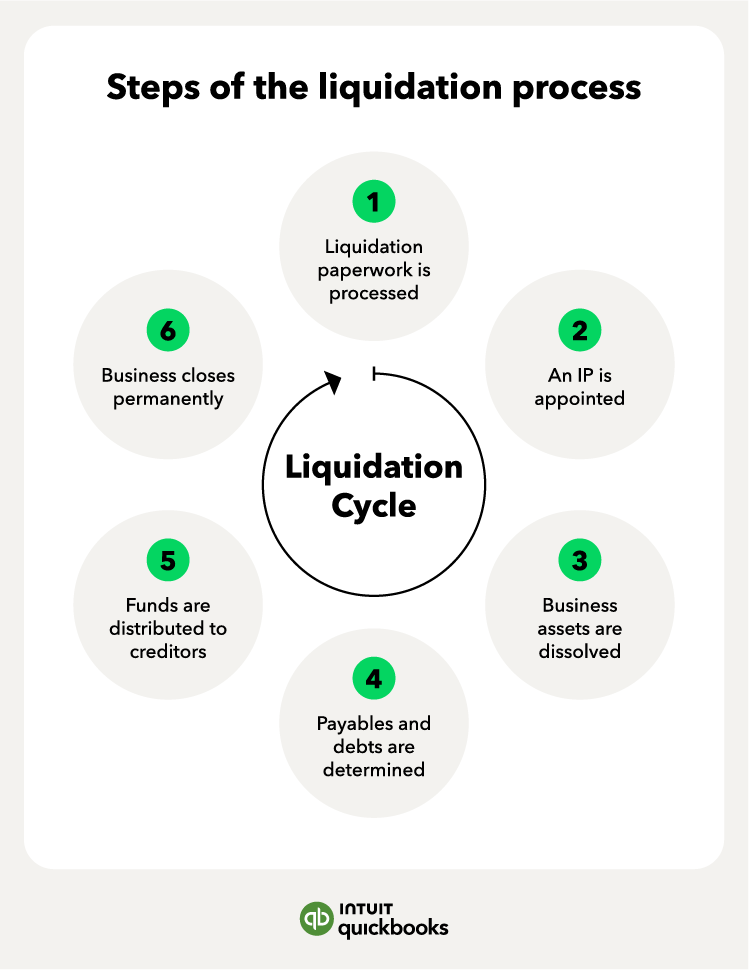
This article will delve into the multifaceted nature of business liquidation, exploring its definition, common triggers, the distinct types of liquidation, the step-by-step process, and the crucial role of technology and brand considerations within this final business phase.
Understanding the Core Concept of Business Liquidation
At its heart, liquidation is about dissolving a business entity and converting its assets into cash. This cash is then used to settle outstanding debts. If there’s any money left over after all debts are paid, it’s distributed to the company’s owners or shareholders. This process is often initiated when a business is no longer viable, has ceased trading, or has reached the end of its planned existence. It’s a structured and legally regulated procedure designed to ensure fairness among stakeholders and to properly close down operations.
Triggers for Liquidation: When Businesses Reach Their End
Several factors can lead to the liquidation of a business. These triggers are often intertwined and can point to underlying issues within the company’s financial health, operational efficiency, or market position.
Financial Distress: The Most Common Culprit
The most prevalent reason for liquidation is severe financial distress. This can manifest in several ways:
- Insolvency: When a company cannot meet its financial obligations as they fall due. This could be due to a lack of cash flow, mounting debt, or declining revenues.
- Bankruptcy: In many jurisdictions, insolvency can lead to formal bankruptcy proceedings. Liquidation is often a component of these proceedings, where a court-appointed administrator or liquidator takes control of the company’s assets.
- Chronic Unprofitability: A business that consistently operates at a loss, despite efforts to turn things around, may eventually reach a point where liquidation is the only viable option. This could be due to unsustainable operating costs, fierce competition, or a product/service that no longer meets market demand.
Strategic Decisions and Lifecycle End
Liquidation isn’t always a result of failure. Sometimes, it’s a deliberate business decision:
- Voluntary Dissolution: A company’s owners or shareholders may decide to voluntarily wind down the business. This could be because the business has achieved its objectives, the owners are retiring, or they wish to pursue other ventures.
- Mergers and Acquisitions (M&A): While M&A often leads to integration, sometimes a subsidiary or a specific business unit within a larger corporation might be deemed non-core and thus liquidated.
- Completion of a Project: Some businesses are formed for a specific project with a defined end date. Once the project is complete, the business may be liquidated.
- Regulatory Changes: Significant changes in regulations or market conditions can render a business model obsolete, prompting liquidation.
Operational and Market Factors
Beyond pure finance, other issues can push a business towards liquidation:
- Loss of Key Personnel: The departure of crucial founders, executives, or technical experts can cripple a business, especially if their knowledge and networks are irreplaceable.
- Market Shifts and Obsolescence: Rapid technological advancements or drastic changes in consumer preferences can make a business’s products or services irrelevant, leading to declining sales and eventual liquidation.
- Legal Issues and Penalties: Substantial legal judgments or regulatory penalties can drain a company’s resources, forcing it into liquidation.
Types of Liquidation: A Fork in the Road
The process of liquidation can vary significantly depending on whether it’s initiated voluntarily by the company or mandated by external forces. These distinctions are crucial for understanding the legal framework and the procedural nuances involved.
Voluntary Liquidation: Taking Control of the Exit
Voluntary liquidation occurs when the directors and shareholders of a solvent company decide to wind up its affairs. This is typically a more orderly and less stressful process than compulsory liquidation.
Members’ Voluntary Liquidation (MVL)
This type of liquidation is for solvent companies. The company’s directors declare that they have made a thorough inquiry into the company’s affairs and have concluded that it can pay all its debts in full, along with interest at the prescribed rate, within 12 months of commencing the liquidation.
The process usually involves:
- Board Resolution: The directors pass a resolution to propose the liquidation.
- Shareholder Resolution: Shareholders then pass a resolution to wind up the company and appoint a liquidator.
- Liquidator’s Role: The appointed liquidator takes control of the company’s assets, sells them, pays off creditors, and distributes any surplus funds to the shareholders.
- Final Accounts: Once all assets are realized and debts are settled, the liquidator prepares final accounts, and the company is dissolved.
This option is often chosen by business owners who are retiring, selling off a non-core asset, or winding down a business that has fulfilled its purpose, allowing for a structured and tax-efficient exit.
Creditors’ Voluntary Liquidation (CVL)
This type of liquidation is for insolvent companies where the directors and shareholders decide to wind up the company. While initiated by the company, it’s because the company is unable to pay its debts.
The process generally follows these steps:
- Board Resolution: Directors recognize the company’s insolvency and pass a resolution to wind it up.
- Shareholder Meeting: A meeting of shareholders is convened to pass a resolution for voluntary winding up.
- Creditor Meeting: Crucially, a meeting of creditors is held simultaneously or shortly after the shareholder meeting. Creditors have a significant say in this process and can appoint their own liquidator if they disagree with the directors’ choice.
- Liquidator’s Role: The liquidator takes control, realizes assets, and distributes them to creditors based on their legal priority.
- Investigation: The liquidator will investigate the company’s affairs and the conduct of the directors, reporting any misconduct.
CVL allows for a more controlled insolvency process than compulsory liquidation, giving stakeholders some input.
Compulsory Liquidation: When External Forces Take Over
Compulsory liquidation, also known as winding up by the court, is initiated by a creditor, a shareholder, or other interested parties who petition the court to force the company into liquidation. This typically happens when a company is insolvent and unable to pay its debts, and the directors have not taken steps for a voluntary liquidation.
The process is initiated by a court order:
- Petition: A petition is filed with the court, usually by a creditor who is owed money.
- Court Order: If the court is satisfied, it issues a winding-up order.
- Official Receiver/Liquidator: An Official Receiver or an appointed liquidator takes control of the company’s assets. The company’s directors lose control of the business.
- Asset Realization and Distribution: The liquidator sells the company’s assets and distributes the proceeds to creditors according to a statutory order of priority.
- Investigation: The liquidator investigates the company’s affairs and the directors’ conduct.
- Dissolution: Once the liquidation is complete, the company is formally dissolved.
Compulsory liquidation is generally a more adversarial and less flexible process, driven by the court’s oversight and the interests of creditors.
The Liquidation Process: A Step-by-Step Journey to Dissolution
Regardless of the type of liquidation, there’s a general framework of steps involved in winding down a business. These steps are designed to systematically dismantle the company, realize its value, and settle its obligations.
Initial Steps: Declaration and Appointment
The initial phase involves formal declarations and the appointment of individuals who will manage the liquidation process.
- Declaration of Solvency (for MVL): For Members’ Voluntary Liquidation, directors must declare the company is solvent.
- Resolutions: Board and shareholder resolutions are passed to initiate the liquidation.
- Appointment of a Liquidator: In MVL and CVL, shareholders appoint a liquidator. In compulsory liquidation, the court appoints one, often the Official Receiver initially. The liquidator is a licensed insolvency practitioner responsible for managing the winding-up.
Realizing Assets: Turning Tangibles into Cash
A core function of the liquidator is to identify, secure, and sell all company assets to generate cash.
- Identification and Valuation: The liquidator identifies all company assets, including property, equipment, inventory, intellectual property, accounts receivable, and investments. These are then valued.
- Sale of Assets: Assets are sold through various methods, such as auctions, private sales, or by selling the business as a going concern (if viable). Technology plays a significant role here, with online auction platforms and digital marketing facilitating wider reach and potentially better prices.
- Collecting Debts: The liquidator pursues outstanding debts owed to the company.
Settling Liabilities: The Order of Priority
Once assets are converted to cash, the liquidator must pay off the company’s debts according to a strict legal order of priority.
- Secured Creditors: Creditors with security over specific assets (e.g., a bank with a mortgage on property) are paid first from the proceeds of those specific assets.
- Preferential Creditors: These typically include employees for unpaid wages and certain taxes.
- Unsecured Creditors: This includes trade creditors, suppliers, and other entities without specific security. They receive a pro-rata share of any remaining funds.
- Shareholders: If any funds remain after all creditors are paid, they are distributed to the company’s shareholders, usually in proportion to their shareholding.
Reporting and Dissolution: The Final Act
The final stages involve accounting for the entire process and formally ending the company’s existence.
- Reporting: The liquidator provides detailed reports to creditors, shareholders, and regulatory bodies, outlining the realization of assets and the distribution of funds.
- Dissolution: Once the liquidation is complete, the company is formally dissolved and ceases to exist as a legal entity.
Technology and Brand in Liquidation: Modern Considerations
While liquidation is a traditional business process, modern technology and brand considerations are increasingly relevant.
Technology’s Role in Modern Liquidation
Technology has streamlined many aspects of business operations, and liquidation is no exception.
- Digital Asset Management: Companies often have significant digital assets, such as software licenses, domain names, and online accounts. Liquidators need to manage and potentially sell these.
- Online Sales and Auctions: Platforms like eBay, specialized industrial auction sites, and even social media can be used to reach a wider audience for selling assets, maximizing returns.
- Data Management and Security: Handling sensitive company data during liquidation requires robust digital security measures to prevent breaches. Cloud-based solutions can aid in secure data archiving and transfer.
- Financial Tools and Software: Sophisticated accounting and financial management software are essential for liquidators to track all transactions, manage debtor and creditor accounts, and generate reports accurately. AI tools are even emerging to assist in asset valuation and identifying potential fraudulent activities.

Brand Considerations During Liquidation
Even as a company winds down, its brand carries residual value and reputational implications.
- Brand as an Asset: In some cases, the company’s brand name, trademarks, or customer list can be valuable assets that can be sold to another entity, especially if the brand has strong recognition.
- Reputational Management: How a liquidation is handled can impact the reputation of the directors and, in some cases, the industry. Transparent and ethical conduct by the liquidator is crucial. For a company with a strong personal brand association (e.g., a founder-led business), the founder’s future endeavors might be influenced by how the liquidation was managed.
- Communication: Clear and consistent communication with stakeholders (employees, creditors, customers) is vital to manage expectations and mitigate negative sentiment during a difficult period.
In conclusion, business liquidation is a comprehensive and often complex process that signifies the end of a company’s operational life. Whether driven by financial necessity or strategic choice, understanding the different types of liquidation, the procedural steps, and the evolving role of technology and brand considerations is paramount for navigating this critical business phase. It’s a reminder that all businesses, regardless of their success, eventually face a lifecycle, and liquidation is a structured, albeit often challenging, way to bring that cycle to a close.
aViewFromTheCave is a participant in the Amazon Services LLC Associates Program, an affiliate advertising program designed to provide a means for sites to earn advertising fees by advertising and linking to Amazon.com. Amazon, the Amazon logo, AmazonSupply, and the AmazonSupply logo are trademarks of Amazon.com, Inc. or its affiliates. As an Amazon Associate we earn affiliate commissions from qualifying purchases.