
In the multi-billion-dollar global beauty industry, a single tube of lipstick is far more than a cosmetic tool; it is a concentrated vessel of brand strategy, engineering, and psychological positioning. When a consumer asks, “What is lipstick made out of?” they are rarely looking for a simple chemical periodic table. Instead, they are inquiring about the integrity of the brand they are inviting into their daily lives.
For modern brand managers and marketing strategists, the ingredients of a lipstick represent the fundamental “Brand Promise.” From the ethical sourcing of raw materials to the high-tech polymers that ensure long-wear performance, the physical composition of the product is the most honest communication a brand can have with its audience. In this deep dive, we explore how the physical makeup of lipstick defines brand identity, drives market differentiation, and establishes the “Clean Beauty” narratives that dominate today’s corporate landscape.
The Core Formula: Merging Material Science with Brand Promise
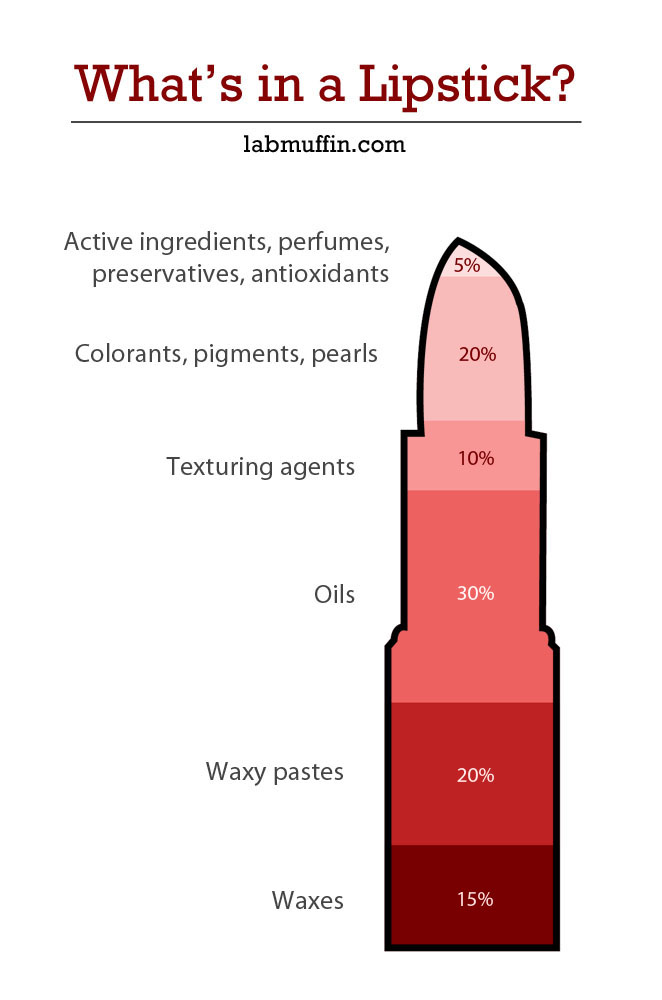
At its most basic level, lipstick is a structural suspension of waxes, oils, and pigments. However, the specific choices made within these categories are what separate a luxury heritage brand from a high-volume drugstore competitor. The “base” of the lipstick is the first touchpoint of brand quality.
The Role of Waxes and Oils in Structural Integrity
Waxes provide the shape and the “melt point” of the lipstick. High-end brands often opt for natural waxes like Carnauba or Beeswax, which offer a smooth application and a premium feel. Brands positioned as “Vegan” or “Cruelty-Free” have pivoted toward synthetic or plant-derived alternatives like Candelilla wax to align their physical product with their ethical branding.
Oils—such as castor oil, jojoba oil, or lanolin—determine the shine and the “glide.” A brand focusing on “Moisturization” will prioritize high-viscosity oils that sit on the surface to provide a glossy finish, while “Matte” brands utilize volatile silicones that evaporate, leaving behind a velvet-like pigment layer. For a brand, these choices are strategic; they define the “Sensory Signature” of the product.
Pigmentation and the Psychology of Color Consistency
The pigments (often D&C Red No. 7 or Iron Oxides) are where the brand’s visual identity is born. Maintaining color consistency across millions of units is a monumental branding challenge. A consumer who buys “Ruby Woo” by MAC expects the exact same chemical pigment ratio whether they are in London or Tokyo. Any variance in the “Made Out Of” aspect of the pigment ruins brand equity. Therefore, the chemical stabilization of these colors is a key investment in corporate identity.
The Rise of Clean Beauty: Ingredients as a Marketing Powerhouse
In the last decade, the question of what lipstick is made out of has moved from the laboratory to the marketing department. The “Clean Beauty” movement has transformed the ingredient list into a primary marketing asset.
The Power of the “Free-From” Narrative
Modern branding often defines itself not by what is in the product, but by what is excluded. Brands like Westman Atelier or Ilia have built massive corporate identities around the exclusion of parabens, sulfates, and phthalates. In this context, the “Ingredients” section of a website isn’t just a legal requirement; it is a manifesto. By stripping away traditional preservatives and replacing them with botanical alternatives, these brands position themselves as sophisticated, health-conscious, and transparent.
Transparency as a Brand Pillar
In the age of the “InciDecoder” (tools that allow consumers to scan ingredients), brands can no longer hide behind “Proprietary Blends.” Transparency has become a currency. Brands that proactively disclose the origin of their ingredients—such as the specific farm where their shea butter is sourced—build a level of trust that traditional marketing cannot buy. This “radical transparency” shifts the brand from a faceless corporation to a curated source of quality and safety.
The Challenge of Preservatives and Shelf-Life
The shift toward “natural” ingredients presents a branding risk: shelf-life. Traditional lipsticks could last years due to synthetic preservatives. Clean brands must balance their “Non-Toxic” branding with the reality of product degradation. If a brand’s lipstick goes rancid too quickly, the brand image is damaged. Thus, the chemical engineering of natural preservatives is currently one of the most expensive and vital areas of R&D for prestige beauty brands.
Sensory Branding: How Formulation Defines the Luxury Experience
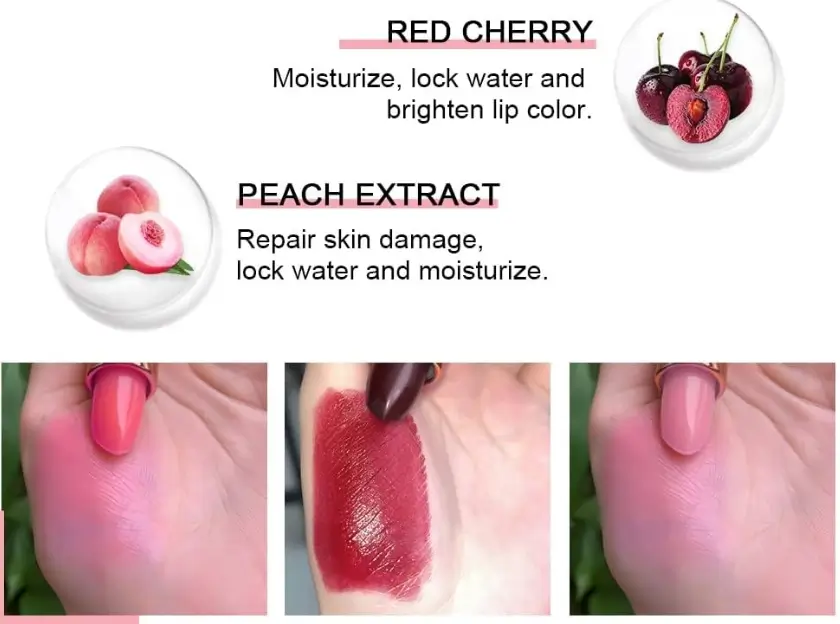
A consumer doesn’t just see a lipstick; they feel it, smell it, and hear it. The formulation—what the lipstick is made out of—is the primary driver of this multi-sensory brand experience.
Fragrance and the Olfactory Identity
The scent of a lipstick is a powerful brand anchor. Brands like Chanel or Guerlain utilize signature scents (often violet or rose) that have remained consistent for decades. When a consumer opens the tube, the scent triggers brand recognition before the product even touches their skin. This is “Olfactory Branding.” The chemical choice of fragrance must be stable enough to withstand the waxes and oils without altering the color, showcasing the intersection of chemistry and brand consistency.
Texture, Glide, and the “Luxury Feel”
The “payoff”—the amount of color deposited in a single swipe—is a result of the wax-to-oil ratio. Luxury brands often invest in “microsphere” technology—tiny, spherical particles made of silica or nylon—to create a “blurring” effect on the lips. This creates a premium experience that justifies a $50 price point over a $5 one. The formulation isn’t just about color; it’s about the perceived value of the physical interaction.
The Weight and the “Click”
While not technically “inside” the lipstick paste, the ingredients of the packaging (weighted metals vs. light plastics) are part of the total product formulation. However, even within the lipstick itself, the inclusion of cooling agents or “plumping” ingredients like menthol or hyaluronic acid spheres provides a physical sensation that tells the consumer: “This brand is working.”
Ethos and Ethics: The Sourcing of Raw Materials
In the modern market, a brand is judged by its supply chain. What a lipstick is made out of is now inseparable from how those ingredients were obtained.
The Mica Conflict and Ethical Sourcing
Mica is the mineral used to give lipstick its shimmer. However, the mica industry has been plagued by reports of child labor in unregulated mines. For a brand, the presence of mica in their formulation is a potential PR landmine. Ethical branding now requires “Traceable Mica.” Brands that can prove their shimmer is “Child-Labor Free” or “Synthetic Mica” use this as a core differentiator in their corporate social responsibility (CSR) reports.
Sustainability and Biodegradable Formulations
As the global conversation shifts toward the climate crisis, what lipstick is made out of must reflect environmental stewardship. We are seeing a move toward “Waterless Beauty” and solid formulations that reduce the need for plastic packaging. Furthermore, the use of palm oil—a common lipstick emollient—is being scrutinized. Brands that switch to RSPO (Roundtable on Sustainable Palm Oil) certified ingredients are using their formulation as a proof point for their commitment to the planet.
Strategic Positioning: High-End vs. Mass Market Formulations
Finally, the chemical makeup of a lipstick determines its place in the market hierarchy. Understanding the “Ingredients-to-Price” ratio is essential for brand positioning.
The “Lipstick Index” and Brand Resilience
The “Lipstick Index” is a term coined by Leonard Lauder, suggesting that in times of economic downturn, lipstick sales rise as consumers seek small, affordable luxuries. However, for this to work, the brand must maintain a “Prestige” formulation even at an accessible price point. The goal for mass-market brands (like L’Oréal or Maybelline) is to use “Scale Chemistry”—utilizing high-tech synthetic polymers that mimic the feel of luxury oils at a fraction of the cost.
Professional vs. Consumer-Grade Ingredients
Brands positioned for “Professional Makeup Artists” (like Danessa Myricks or Kryolan) focus their formulations on high pigment loads and “HD-ready” finishes. These lipsticks are made out of higher concentrations of dry pigments and less “filler.” By marketing the intensity of their ingredients, these brands establish an identity of “Performance and Utility,” appealing to a different psychographic than the “Luxury and Lifestyle” consumer.
Conclusion
The question “What is lipstick made out of?” is the starting point for a complex narrative about brand values, technological innovation, and consumer safety. In the beauty industry, the formula is the brand. Every wax, every oil, and every ethically sourced pigment is a building block of corporate identity.
Successful brands are those that recognize their ingredient list is not just a list of chemicals, but a story told to the consumer. Whether a brand chooses to focus on the “Clean” transparency of its oils, the “High-Performance” of its synthetic polymers, or the “Ethical Sourcing” of its minerals, the formulation is the most powerful tool a brand has to create a lasting, loyal relationship with its audience. In the end, a consumer isn’t just buying a color; they are buying the science, the ethics, and the promise contained within that small, pigmented stick.
aViewFromTheCave is a participant in the Amazon Services LLC Associates Program, an affiliate advertising program designed to provide a means for sites to earn advertising fees by advertising and linking to Amazon.com. Amazon, the Amazon logo, AmazonSupply, and the AmazonSupply logo are trademarks of Amazon.com, Inc. or its affiliates. As an Amazon Associate we earn affiliate commissions from qualifying purchases.