
The term “liposomal” is increasingly surfacing in discussions around health, wellness, and even cutting-edge scientific research. While often associated with supplements and pharmaceuticals, its fundamental principles are rooted in sophisticated technological advancements that have profound implications across various sectors. Understanding what liposomal technology entails is crucial for appreciating its impact on how we deliver and absorb vital compounds, from nutrients to therapeutics. At its core, liposomal technology represents a sophisticated engineering feat within the realm of materials science and nanotechnology, aiming to overcome biological barriers and enhance the efficacy of delivered substances. This article will delve into the technological underpinnings of liposomal encapsulation, its diverse applications, and the future potential it holds within the technological landscape.

The Science Behind Liposomal Encapsulation: A Technological Marvel
At its heart, liposomal technology is about creating microscopic delivery vehicles capable of protecting and transporting active ingredients. This is not simply a passive coating; it involves a deliberate and precise engineering process.
The Structure of a Liposome: Mimicking Nature’s Design
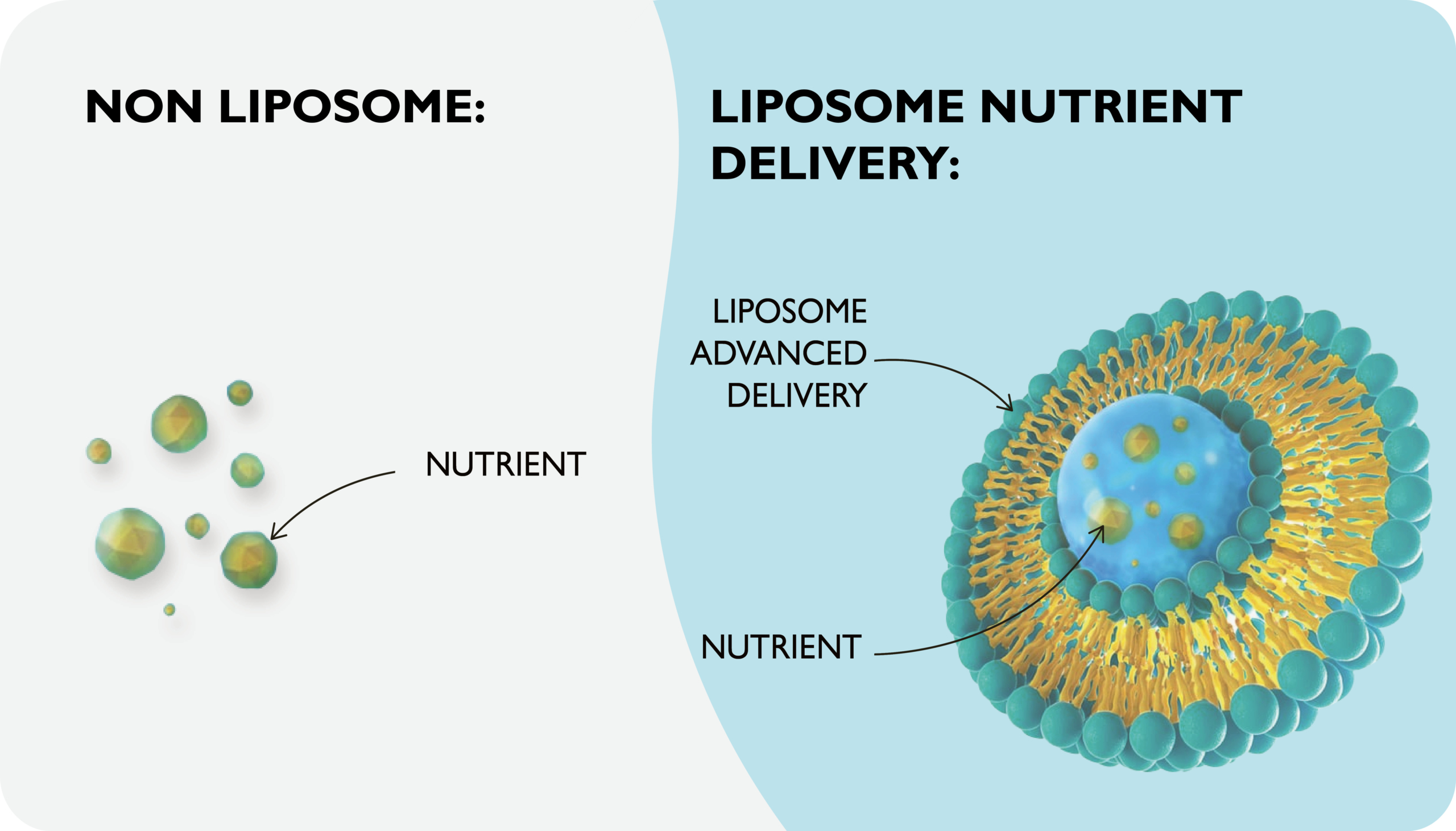
Liposomes are spherical vesicles composed of one or more lipid bilayers. These bilayers are constructed from phospholipid molecules, which are amphipathic. This means they have a hydrophilic (water-attracting) “head” and a hydrophobic (water-repelling) “tail.” In an aqueous environment, these phospholipids naturally arrange themselves into bilayers, with the hydrophilic heads facing the water on the interior and exterior of the vesicle, and the hydrophobic tails facing inwards, away from the water. This arrangement creates a stable, fluid membrane.
The beauty of this structure lies in its similarity to biological cell membranes, which are also composed of lipid bilayers. This natural mimicry is a key reason why liposomes are so effective at interacting with biological systems. The liposome’s internal space is an aqueous core, capable of encapsulating water-soluble compounds. The lipid bilayer itself can encapsulate fat-soluble compounds within its matrix. This dual capacity makes liposomes incredibly versatile for delivering a wide range of substances.
The size of liposomes can be precisely controlled, typically ranging from a few nanometers to several micrometers in diameter. This controlled size is critical for their function, influencing their absorption, distribution, and cellular uptake. Nanoscale liposomes, in particular, are of immense interest for their ability to penetrate biological barriers and reach specific cellular targets.
The Encapsulation Process: Precision Engineering at the Nanoscale
Creating liposomes and encapsulating active ingredients is a sophisticated technological process. Several methods are employed, each with its own advantages in terms of efficiency, purity, and scalability.
High-Pressure Homogenization: This is a common industrial method where a mixture of lipids and the active ingredient in an aqueous solution is passed through a narrow gap at high pressure. The shear forces break down larger lipid structures and form uniformly sized liposomes. This technique is highly scalable and can produce liposomes with a narrow size distribution, crucial for consistent performance.
Extrusion: In this method, a pre-formed lipid mixture is forced through a membrane with pores of a defined size. This process refines the liposomes to a specific diameter, ensuring uniformity and removing any larger aggregates.
Sonication: This technique uses high-frequency sound waves to create liposomes and reduce their size. The energy from the sound waves disrupts the lipid structures, promoting the formation of stable vesicles. While effective for laboratory-scale production, scaling up sonication can be challenging and may generate heat, which can affect the stability of some sensitive active ingredients.
Microfluidics: This is a more advanced technique that offers exceptional control over liposome formation. Microfluidic devices create precise microchannels where lipid solutions and the active ingredient are brought together under controlled flow rates. This allows for highly reproducible liposome sizes and structures, and it minimizes the use of organic solvents, which can be beneficial for certain applications.
The choice of encapsulation method depends on factors such as the type of active ingredient, desired liposome size, required purity, and the scale of production. The underlying principle, however, remains the same: to create a stable, protective vehicle that can efficiently deliver its cargo.
Applications of Liposomal Technology: Transforming Industries
The ability of liposomes to protect delicate molecules, enhance their solubility, and facilitate their passage through biological membranes has opened up a vast array of applications across multiple technological domains.
Pharmaceutical and Biomedical Innovations
Perhaps the most prominent application of liposomal technology is in drug delivery. Many potent drugs are poorly soluble in water, unstable in the body, or have significant side effects due to their distribution to non-target tissues. Liposomes offer elegant solutions to these challenges.
Targeted Drug Delivery: By functionalizing the surface of liposomes with specific antibodies or ligands, researchers can design them to bind to particular cells, such as cancer cells. This targeted delivery system ensures that the drug is concentrated at the disease site, minimizing systemic exposure and reducing side effects. This is a significant advancement in oncology, allowing for higher doses of chemotherapy to be delivered directly to tumors.
Improved Bioavailability of Poorly Soluble Drugs: Many naturally occurring compounds and newly developed drugs have low water solubility, making it difficult for the body to absorb them effectively. Encapsulating these compounds within liposomes can dramatically increase their solubility and bioavailability, meaning more of the active ingredient reaches the bloodstream and target tissues.
Controlled Release of Therapeutics: Liposomes can be engineered to release their therapeutic payload over a prolonged period. This sustained release mechanism can reduce the frequency of dosing, improve patient compliance, and maintain therapeutic drug levels in the body more consistently. This is particularly beneficial for chronic conditions requiring ongoing medication.
Vaccine Development: Liposomes can act as adjuvants, enhancing the immune response to vaccines. They can protect the antigen from degradation and deliver it efficiently to immune cells, leading to a stronger and more robust immune response. This has been a key area of development, especially with the advent of new vaccine technologies.
Gene Therapy and RNA Delivery: The delivery of genetic material, such as DNA and RNA, is a critical challenge in gene therapy. Liposomes can encapsulate these delicate molecules, protecting them from enzymatic degradation and facilitating their entry into cells. This is a rapidly evolving field with immense potential for treating genetic disorders.
Nutritional Supplements and Nutraceuticals
Beyond pharmaceuticals, liposomal technology has revolutionized the nutraceutical industry, enhancing the absorption and efficacy of vitamins, minerals, and other beneficial compounds.
Enhanced Vitamin and Mineral Absorption: Many essential nutrients, like Vitamin C, Vitamin D, and Coenzyme Q10, are poorly absorbed by the body in their conventional forms. Liposomal encapsulation protects these nutrients from degradation in the digestive tract and facilitates their uptake by the intestinal cells. This means a smaller dose can potentially deliver a greater therapeutic effect, making supplements more efficient and cost-effective.
Delivery of Plant-Based Compounds: Bioactive compounds found in plants, such as curcumin from turmeric or resveratrol from grapes, often have poor bioavailability. Liposomal formulations significantly improve the absorption of these powerful antioxidants and anti-inflammatory agents, allowing consumers to benefit more fully from their health-promoting properties.
Improved Delivery of Fatty Acids: Omega-3 fatty acids, known for their cardiovascular and cognitive benefits, are often prone to oxidation and can have a strong taste. Liposomal encapsulation can protect these delicate fats, preserve their integrity, and improve their absorption.
Cosmetics and Skincare
The cosmetic industry leverages liposomal technology to deliver active ingredients deeper into the skin, enhancing their effectiveness and providing a more luxurious user experience.
Deeper Skin Penetration: The lipid bilayer of liposomes is similar in composition to the skin’s natural barrier. This allows liposomes to penetrate the stratum corneum more effectively than many conventional formulations, delivering active ingredients like hyaluronic acid, peptides, and antioxidants to deeper layers of the skin where they can have a more significant impact on hydration, collagen production, and anti-aging.

Protection of Sensitive Ingredients: Many potent cosmetic ingredients, such as retinol and vitamin C, are unstable and can degrade when exposed to light and air. Liposomal encapsulation protects these ingredients, extending their shelf life and ensuring their efficacy when applied to the skin.
Controlled Release of Actives: Liposomes can be designed to release their active ingredients gradually over time, providing sustained benefits and reducing the potential for irritation. This is particularly useful for active ingredients like exfoliants or retinoids.
The Technological Landscape: Manufacturing and Innovation
The widespread adoption of liposomal technology has driven significant innovation in manufacturing processes and analytical techniques.
Advanced Manufacturing Techniques
The demand for high-quality liposomal products has spurred the development of more sophisticated and efficient manufacturing methods.
Continuous Manufacturing: Traditional batch processing can be time-consuming and may lead to variations in product quality. Continuous manufacturing systems, particularly those employing microfluidics, offer the potential for highly controlled, consistent, and scalable production of liposomes with precise size and encapsulation efficiency.
Scale-Up Challenges and Solutions: Moving from laboratory-scale production to commercial manufacturing presents significant technical hurdles. Innovations in high-pressure homogenizers, advanced extrusion systems, and automated microfluidic platforms are addressing these challenges, enabling the efficient production of liposomes in large quantities while maintaining tight quality control.
Sustainable Manufacturing: There is a growing focus on developing more environmentally friendly liposomal manufacturing processes. This includes reducing or eliminating the use of organic solvents, optimizing energy consumption, and utilizing sustainable lipid sources.
Quality Control and Characterization
Ensuring the quality and consistency of liposomal products is paramount. Advanced analytical techniques are employed throughout the manufacturing process.
Particle Size Analysis: Techniques like Dynamic Light Scattering (DLS) and Nanoparticle Tracking Analysis (NTA) are used to accurately measure the size distribution of liposomes, which is critical for their performance.
Encapsulation Efficiency Measurement: Spectrophotometry, High-Performance Liquid Chromatography (HPLC), and Gas Chromatography (GC) are used to quantify how much of the active ingredient has been successfully encapsulated within the liposomes.
Liposome Stability Testing: Researchers employ various methods to assess the long-term stability of liposomes, including monitoring particle size changes, leakage of encapsulated material, and aggregation over time under different storage conditions. This ensures the product maintains its efficacy and safety throughout its intended shelf life.
Microscopy Techniques: Transmission Electron Microscopy (TEM) and Cryo-Electron Microscopy (Cryo-EM) provide detailed visual information about the structure and morphology of individual liposomes, offering insights into the encapsulation process and potential structural defects.
The Future of Liposomal Technology: Emerging Frontiers
The ongoing research and development in liposomal technology promise to unlock even more transformative applications in the years to come.
Nanomedicine and Beyond
The field of nanomedicine is a primary driver of liposomal innovation.
Advanced Drug Delivery Systems: Future liposomes are likely to become even more sophisticated, incorporating stimuli-responsive elements that allow them to release their payload only in specific environments, such as the acidic pH of a tumor or in response to external triggers like heat or light.
Combination Therapies: Liposomes can be designed to carry multiple therapeutic agents simultaneously, allowing for synergistic effects and overcoming drug resistance. This holds significant promise for treating complex diseases like cancer.
Regenerative Medicine: Liposomes are being explored for their potential to deliver growth factors and other signaling molecules to promote tissue regeneration and wound healing.
Interfacing with AI and Big Data
The integration of artificial intelligence (AI) and big data analytics is poised to accelerate liposomal technology development.
Predictive Modeling: AI algorithms can analyze vast datasets to predict the optimal lipid compositions and manufacturing parameters for specific applications, speeding up the research and development process.
Personalized Medicine: As our understanding of individual genetic makeup and disease profiles grows, liposomal formulations could be tailored to an individual’s specific needs, enhancing treatment efficacy and minimizing adverse reactions.
High-Throughput Screening: AI-powered systems can automate and optimize the screening of different liposomal formulations for enhanced delivery and stability, leading to faster discovery of new applications.
Broader Technological Integration
Beyond medicine, liposomal technology’s principles of controlled delivery and protection will likely find applications in diverse fields.
Advanced Materials Science: Liposomal structures could inspire new designs for self-healing materials, advanced coatings, and sophisticated sensors.
Environmental Technologies: Research is exploring the potential use of liposome-like structures for capturing pollutants or delivering beneficial microbes for bioremediation.
Food Technology: Beyond supplements, liposomal encapsulation might be explored for enhancing the stability and bioavailability of nutrients in functional foods, or for encapsulating flavors and aromas for controlled release.
In conclusion, liposomal technology, at its core, is a remarkable engineering solution that leverages the fundamental properties of lipids to create sophisticated delivery systems. From its origins in mimicking biological structures to its advanced applications in pharmaceuticals, nutraceuticals, and cosmetics, liposomal technology represents a significant advancement in our ability to control and enhance the delivery of active compounds. As research continues and manufacturing techniques become even more refined, the impact of liposomal technology on various industries, and ultimately on human health and well-being, is set to grow exponentially. The future is encapsulated, and it is liposomal.
aViewFromTheCave is a participant in the Amazon Services LLC Associates Program, an affiliate advertising program designed to provide a means for sites to earn advertising fees by advertising and linking to Amazon.com. Amazon, the Amazon logo, AmazonSupply, and the AmazonSupply logo are trademarks of Amazon.com, Inc. or its affiliates. As an Amazon Associate we earn affiliate commissions from qualifying purchases.