
In the contemporary landscape of brand strategy, the physical environment serves as a powerful silent communicator. Whether it is a flagship retail store, a boutique hotel, or a corporate headquarters, the materials chosen for a facade dictate the first impression a brand makes on its stakeholders. Among the most evocative and strategically significant materials emerging in modern design is limewash brick. But what is limewash brick, and why has it become a cornerstone of premium brand identity?
Limewash is not a paint; it is a mineral-based coating made from crushed limestone that has been “slaked” (treated with water) and aged. When applied to brick, it creates a unique, weathered aesthetic that bridges the gap between ancient heritage and modern minimalism. For brands, this material choice is a deliberate move toward authenticity, sustainability, and a sophisticated visual language that rejects the sterility of modern synthetic finishes.
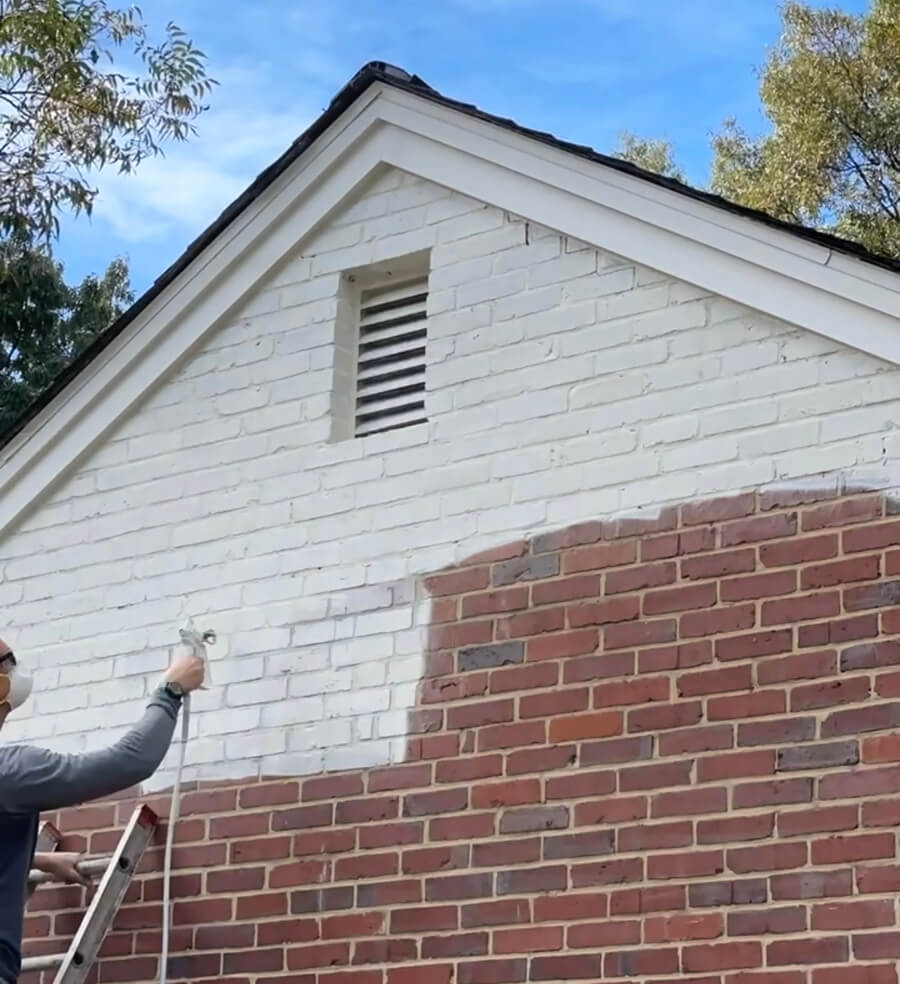
The Aesthetic Power of Limewash: Why Visual Texture Matters in Branding
A brand’s visual identity is often distilled into logos and color palettes, but architectural texture is where a brand’s personality becomes tactile. Limewash brick offers a depth of character that standard masonry or industrial siding cannot replicate.
The Psychology of Heritage and Authenticity
In an era of rapid digital expansion, consumers increasingly gravitate toward brands that feel “rooted.” Limewash brick evokes a sense of history. Because the lime reacts chemically with the brick, it doesn’t sit on the surface like a film; it bonds with it, allowing the natural texture of the masonry to telegraph through. This creates a “patina” that suggests the brand has a legacy, even if the building is new. By utilizing limewash, a brand can borrow the gravitas of European estates or historic industrial lofts, positioning itself as an established authority in its niche.
Softening the Corporate Image
The “chalky” matte finish of limewash serves a specific strategic purpose in brand design: it softens the edges of a corporate identity. Glossy surfaces and harsh plastics can often feel cold or unapproachable. Limewash, conversely, absorbs light rather than reflecting it, creating a glow that feels welcoming and human-centric. This is particularly effective for lifestyle, wellness, and high-end hospitality brands that want to communicate comfort, transparency, and an organic approach to business.
Defining the Look: The Strategy of the Limewash Finish
Understanding the technicality of limewash is essential for any brand strategist or designer looking to implement it correctly. Unlike paint, which can peel and trap moisture, limewash is breathable and petrifies over time.
How Limewash Differs from Paint
From a brand maintenance perspective, the distinction between paint and limewash is critical. Standard acrylic or latex paints create a vapor barrier over brick. Over time, moisture trapped inside the brick causes the paint to bubble and flake, resulting in a “dilapidated” look that can damage a brand’s reputation for quality.
Limewash is highly alkaline and naturally antimicrobial. It allows the brick to breathe, meaning moisture can escape. As it ages, it doesn’t peel; it gradually erodes in a way that looks intentional and artistic. This “graceful aging” ensures that a brand’s physical assets continue to look premium for decades without the constant need for high-frequency cosmetic maintenance.
Sustainability as a Brand Value
Modern brand strategy is inextricably linked to ESG (Environmental, Social, and Governance) values. Limewash is one of the most eco-friendly finishes available. It is free of Volatile Organic Compounds (VOCs) and is made from natural, abundant earth materials. When a brand chooses limewash, it isn’t just making an aesthetic choice; it is documenting a commitment to non-toxic, sustainable building practices. This narrative of “design with a conscience” is a potent marketing tool that resonates with the environmentally conscious modern consumer.
Implementing Limewash in Physical Brand Spaces
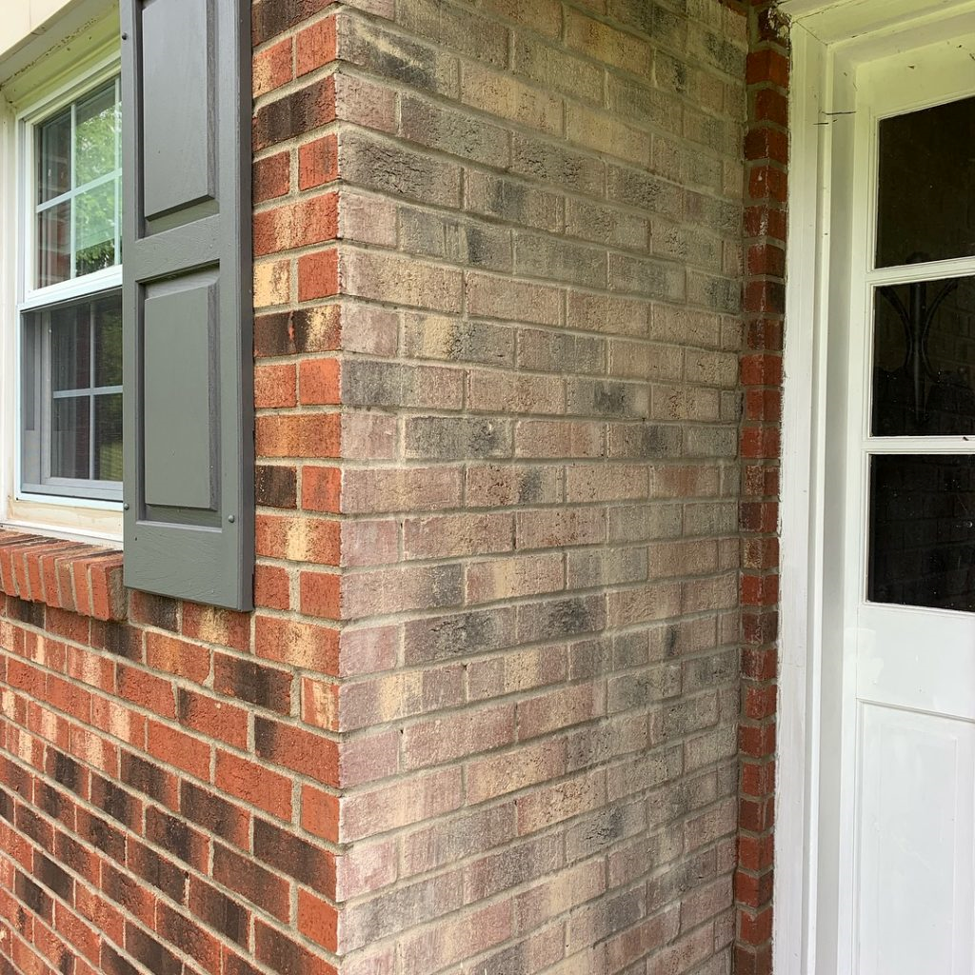
The application of limewash brick can be tailored to match specific brand archetypes, from the rugged and industrial to the ethereal and high-fashion.
Retail and Hospitality: Creating a “Vibe”
In retail, the physical store is no longer just a place to buy goods; it is an experience. Brands like Aesop or Jenni Kayne use textured, limewashed surfaces to create an atmosphere of “quiet luxury.” In these spaces, the limewashed brick acts as a neutral but high-interest backdrop that makes the products stand out. It creates a cohesive brand ecosystem where the environment feels curated rather than manufactured.
For the hospitality industry, limewash is a tool for storytelling. A hotel with a limewashed exterior can communicate a story of Mediterranean coastal living or rustic Belgian minimalism. This immediate environmental immersion helps justify premium pricing and builds a stronger emotional connection with the guest.
Office Spaces and Corporate Culture
The shift toward “resimercial” design—the blending of residential and commercial aesthetics—has brought limewash into the corporate office. By using limewash on interior brick walls, companies can foster a work environment that feels less like a cubicle farm and more like a creative studio. This contributes to a brand identity that values employee well-being and creative flow. It signals to potential talent that the company culture is sophisticated, thoughtful, and grounded.
The Long-Term ROI of a Design-First Brand Identity
Investing in high-quality materials like limewash brick is a strategic financial decision. While the initial application requires skilled labor, the long-term Return on Investment (ROI) is significant in terms of both brand equity and property maintenance.
Maintenance, Longevity, and “The Patina Effect”
One of the unique aspects of limewash is the “patina effect.” Most branding elements lose value as they wear down. Limewash is one of the few materials that often looks better after five or ten years of exposure to the elements. For a brand, this means the visual identity matures rather than decays. The reduced need for repainting and power washing—which can damage brick—translates to lower operational costs over the life cycle of the building.
Scaling the Aesthetic Across Digital and Physical Touchpoints
A brand that adopts limewash brick for its physical headquarters or storefronts often finds that this aesthetic translates beautifully into digital media. The soft, textured look of limewash provides a perfect background for product photography, social media content, and video marketing. It creates a visual “hook” that is easily recognizable.
When a customer sees the same chalky, high-texture brick on a brand’s Instagram feed that they see when walking into a retail location, the brand’s “world-building” is complete. This consistency across touchpoints is the hallmark of a sophisticated brand strategy. It removes friction in the customer journey and reinforces the brand’s identity at every interaction.
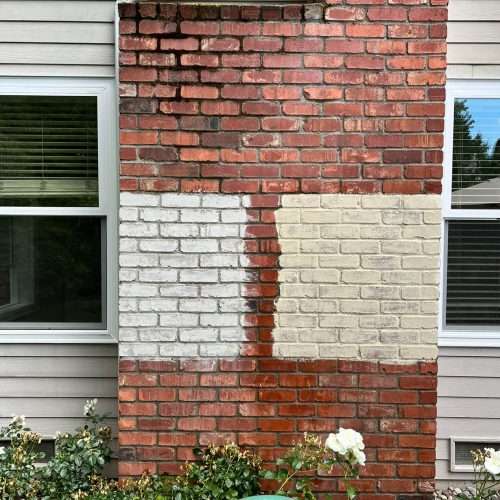
Conclusion: The Future of Branded Architecture
What is limewash brick? It is more than a design trend; it is a strategic asset for brands that value longevity, authenticity, and sustainable luxury. In a world saturated with digital noise and synthetic materials, the tactile, honest nature of limewash offers a refreshing alternative.
By choosing to incorporate limewash brick into their physical identity, brands can communicate a narrative of stability and timelessness. It is an investment in an aesthetic that does not scream for attention but rather commands it through understated elegance. Whether a brand is looking to revitalize an aging storefront or build a new flagship from the ground up, limewash provides a versatile, durable, and deeply resonant medium to tell its story.
In the final analysis, the materials we use to build our brand’s physical presence are the most enduring advertisements we have. Limewash brick ensures that the advertisement is one of quality, heritage, and impeccable taste.
aViewFromTheCave is a participant in the Amazon Services LLC Associates Program, an affiliate advertising program designed to provide a means for sites to earn advertising fees by advertising and linking to Amazon.com. Amazon, the Amazon logo, AmazonSupply, and the AmazonSupply logo are trademarks of Amazon.com, Inc. or its affiliates. As an Amazon Associate we earn affiliate commissions from qualifying purchases.