
In the intricate ecosystem of Pokémon, understanding type matchups is the foundational pillar of competitive success. Whether you are a casual player navigating the main campaign or an aspiring battler climbing the ranked ladders, knowing exactly how the Electric type functions—and, more importantly, what it struggles against—is essential. While the Electric type is often praised for its high speed, aggressive special attack stats, and a singular defensive weakness, mastering the nuances of this interaction is what separates a novice trainer from a seasoned tactician.
The Singular Vulnerability: Understanding the Ground Type Advantage
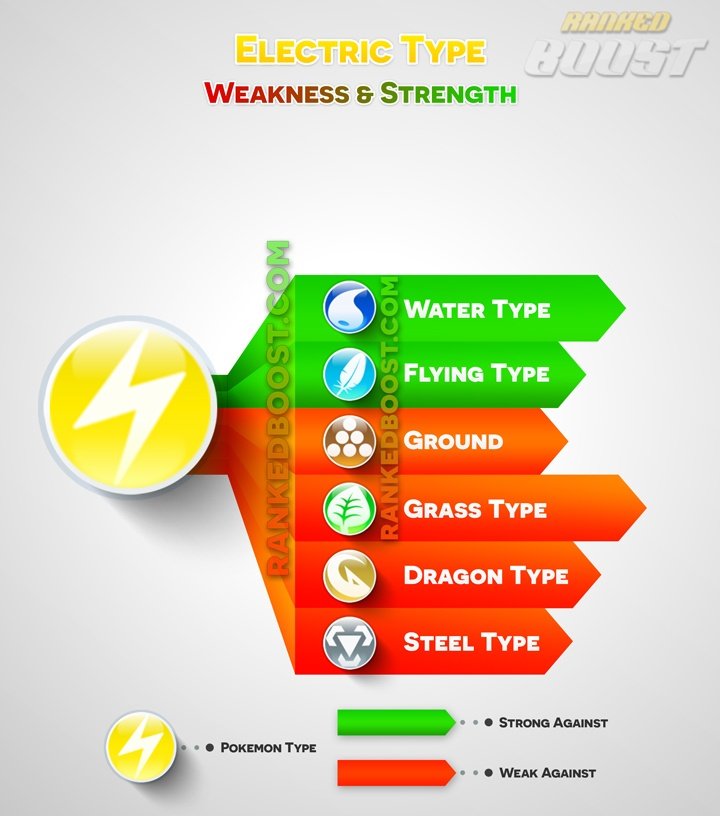
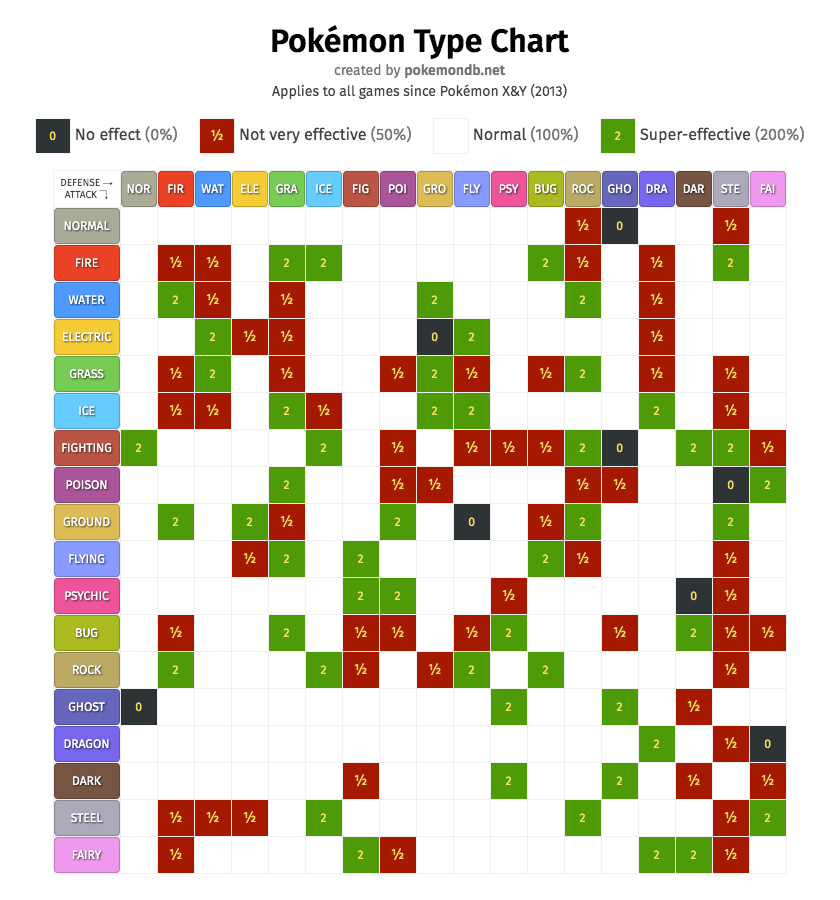
The most fundamental rule regarding Electric-type Pokémon is their distinct vulnerability to the Ground type. In the complex rock-paper-scissors dynamic of Pokémon combat, Electric moves are completely ineffective against Ground-type Pokémon, while Ground-type moves deal super-effective damage to their Electric counterparts.
The Immunity Factor
Unlike other type matchups where a weakness simply implies a 2x damage multiplier, the Electric-Ground dynamic features a hard immunity. If an Electric-type attack is directed at a pure Ground-type Pokémon, it does absolutely zero damage. This is a crucial concept for trainers to memorize. When you encounter a Ground type, your Electric-based offense essentially loses its primary utility, forcing you to rely on coverage moves or switch out to a more favorable matchup.
The Physics of Type Interaction
The game’s logic dictates that electricity is grounded. In the world of Pokémon, this means that any electrical charge flowing toward a Ground-type creature is safely dissipated into the earth. This design choice is not just a gameplay mechanic; it represents a thematic consistency that permeates the entire series. By utilizing Ground-type attacks like Earthquake, Earth Power, or High Horsepower, you aren’t just hitting a weakness—you are exploiting an elemental absolute.
Strategic Coverage: Beyond the Ground Weakness
While Ground is the only direct damage-multiplier weakness for the Electric type, veteran players know that “weakness” isn’t limited to elemental damage charts. To truly neutralize Electric-type threats, one must look at defensive utility, ability-based counters, and meta-game itemization.
The Role of Grass-Type Resistance
It is a common misconception among newer players that Grass-type Pokémon are “weak” to Electric attacks. In fact, Grass types are resistant to Electric moves, taking only half damage. When building a team, pairing a strong Grass-type defender against an opponent’s Electric-type sweeper is a standard tactical maneuver. Pokémon like Ferrothorn or Venusaur serve as excellent walls against Electric attackers, as they can shrug off lightning-based assaults while threatening back with their own coverage moves.
Ability-Based Counters
Modern Pokémon gameplay has evolved beyond simple type charts. Abilities now play a massive role in negating Electric-type dominance. Abilities such as “Lightning Rod” or “Motor Drive” completely flip the script. A Pokémon with Lightning Rod, such as Alolan Marowak or Rhyperior, will draw all single-target Electric moves toward itself, neutralizing the threat entirely and often gaining a stat boost in the process. Similarly, Motor Drive grants the user an immunity to Electric attacks and increases their speed, turning a defensive pivot into an offensive opportunity.
Defensive Synergy and Team Building

Successfully defending against an Electric-type Pokémon requires a holistic approach to team building. You cannot rely on a single Ground-type to carry the weight of your entire defensive strategy, especially when high-level Electric Pokémon frequently run “coverage” moves—attacks that allow them to hit their usual counters for super-effective damage.
Predicting the Coverage Move
A high-level Electric type like Zapdos or Tapu Koko will rarely rely solely on Thunderbolt or Volt Switch. They are notoriously famous for carrying moves like Hidden Power (in previous generations), Ice Beam, or Dazzling Gleam to handle the Ground and Grass types that are meant to stop them. As a trainer, you must identify these threats early. Does your Ground-type have the physical bulk to survive an Ice-type attack? Is your Grass-type fast enough to avoid being outsped and eliminated? These calculations are the hallmark of high-tier competitive strategy.
Itemization and Field Conditions
Items such as the “Focus Sash” or “Assault Vest” can drastically change how an Electric-type interaction unfolds. Furthermore, terrain conditions are game-changers. Electric Terrain, set by Pokémon like Pincurchin or Tapu Koko, boosts the power of Electric-type moves by 30% and prevents Pokémon from falling asleep. If you are fighting an Electric-specialized team, clearing this terrain or overriding it with Grassy Terrain or Misty Terrain can severely cripple their damage output, rendering their lightning strikes significantly less dangerous.
Mastering the Meta: The Evolution of Electric Counters
The competitive environment is fluid. With the introduction of new generations and regional variants, the “weakness” of the Electric type remains static in terms of mechanics, but the way we exploit those weaknesses changes.
The Shift Toward Mixed Attacking
In older generations, a Ground-type Pokémon was a hard wall to any Electric attacker. Today, the meta has shifted toward “Mixed Sweepers.” Electric types now utilize physical coverage moves like “Fire Punch” or “Brick Break” to surprise opponents. This means that a Ground-type Pokémon is no longer an automatic victory button. You must now consider the secondary typing of your Ground-type Pokémon. For instance, a Ground/Flying type like Gliscor gains immunity to Ground moves, but a Ground/Rock type like Rhyperior, while immune to Electric, might be vulnerable to the very coverage moves those Electric types are now carrying.
The Importance of Speed Control
Electric-type Pokémon are defined by their speed. Even if they aren’t “weak” to your Pokémon in terms of typing, they can still destroy your team if they move first. Speed control, such as using the move “Trick Room” or utilizing “Tailwind,” is a defensive strategy. By flipping the speed dynamic, you can ensure that your slower, hard-hitting Ground or Grass types get the first strike, neutralizing the Electric threat before it has a chance to execute its strategy.
Conclusion: Strategic Application in Combat
If you find yourself asking, “What is lightning weak to?” the immediate answer is the Ground type. However, if you want to win, you must look beyond that single interaction. The most successful trainers view weaknesses as part of a larger, interconnected system of checks and balances.
To overcome Electric-type dominance:
- Prioritize Ground-types: They remain the gold standard for forcing switches and absorbing Electric-type damage.
- Utilize Resistant Typing: Grass and Dragon types provide critical damage reduction that can stall out an opponent’s momentum.
- Leverage Abilities: Incorporate Pokémon with Lightning Rod or Motor Drive to gain a free switch-in opportunity.
- Prepare for Coverage: Always assume the opponent has a plan for your Ground-type. Keep a secondary defensive pivot ready to take the hit.
- Control the Field: Manage terrain and speed conditions to ensure your answers to the Electric type can actually perform their job.
By mastering these layers of strategy, you move away from blindly following a type chart and begin to play the game with the foresight of a true Pokémon Master. Every Electric-type Pokémon on your opponent’s team is a puzzle to be solved, and with the right combination of team composition and tactical execution, even the most formidable lightning-bolt thrower can be grounded.
aViewFromTheCave is a participant in the Amazon Services LLC Associates Program, an affiliate advertising program designed to provide a means for sites to earn advertising fees by advertising and linking to Amazon.com. Amazon, the Amazon logo, AmazonSupply, and the AmazonSupply logo are trademarks of Amazon.com, Inc. or its affiliates. As an Amazon Associate we earn affiliate commissions from qualifying purchases.