
At its core, a levy tax represents a compulsory financial charge or imposition by a governmental authority upon an individual, entity, or property. This mechanism is fundamental to the functioning of modern states, serving as the primary means by which public services are funded, economic policies are implemented, and societal welfare programs are sustained. Understanding what constitutes a levy tax goes beyond simply acknowledging an obligation to pay; it delves into the intricate web of fiscal policy, legal frameworks, and their profound impact on personal finance and business operations. These charges, once levied, become legally enforceable debts to the government, distinguishing them from voluntary payments or fees for specific services.
Understanding the Core Concept of Levy Taxes
The term “levy” itself carries significant weight in the context of taxation. It signifies the act of imposing or collecting a tax, often with the implication of legal authority and enforceability. When a government decides to levy a tax, it is exercising its sovereign power to demand financial contributions from its populace and economic entities. This power is typically enshrined in national constitutions and detailed through specific tax codes and legislation.
Defining “Levy” in Taxation
In tax terminology, “to levy” means to assess, impose, or collect a tax, fee, or fine. It is the official act by a government or authorized body of applying a tax obligation. For example, a legislature might pass a law to “levy an income tax” on its citizens, meaning it establishes the legal requirement for individuals to pay a percentage of their earnings to the state. The act of levying creates a legal liability for the taxpayer, transforming a general legislative decree into a specific financial obligation. This is distinct from the payment itself; the levy is the creation of the obligation.
Who Imposes Levy Taxes?
Levy taxes are primarily imposed by governmental bodies at various levels, each with specific jurisdictions and powers:
- National/Federal Governments: These typically levy major taxes such as federal income tax, corporate tax, and national sales or value-added taxes (VAT). Their scope often covers national defense, social security, and large-scale infrastructure projects.
- State/Provincial Governments: Sub-national governments often levy state income tax, sales tax (in addition to federal where applicable), property taxes (though often administered locally), and specific excise taxes on goods like fuel or tobacco. These funds support state-level education, healthcare, and transportation networks.
- Local Governments (Counties, Municipalities, Districts): Local authorities are crucial for levying taxes that directly impact communities, such as property taxes, local sales taxes, and specific user fees. These contributions finance local schools, police and fire departments, waste management, and local infrastructure maintenance.
The hierarchical structure ensures that a broad range of public services, from national defense to local street lighting, can be funded through a systematic approach to taxation.
Common Types of Levy Taxes
The types of levy taxes are diverse, designed to capture different aspects of economic activity, wealth, and consumption. Each type serves a specific purpose in generating revenue and often has distinct implications for taxpayers.
Income Tax Levies
Income tax is one of the most pervasive forms of levy tax, imposed on the earnings of individuals and businesses. For individuals, this typically includes wages, salaries, investment income, and capital gains. Businesses pay income tax on their profits. Income tax systems can be progressive (higher earners pay a higher percentage), regressive (lower earners pay a higher percentage, though less common for income tax itself), or proportional (everyone pays the same percentage). It is a primary source of government revenue in many countries.
Property Tax Levies
Property taxes are levied primarily by local governments on real estate, including land and structures built upon it. The tax amount is usually an ad valorem tax, meaning it is based on the assessed value of the property. These funds are critical for financing local services such as public schools, libraries, police, and fire departments. Property tax rates and assessments can vary significantly based on location and the specific needs of the local jurisdiction.
Sales and Excise Tax Levies
- Sales Taxes: These are consumption taxes levied on the sale of goods and services. They are typically collected by the vendor at the point of sale and remitted to the taxing authority. Sales taxes can be a significant revenue source for state and local governments.
- Excise Taxes: Unlike general sales taxes, excise taxes are levied on specific goods or services, often those deemed harmful or luxurious, such as tobacco, alcohol, gasoline, or luxury items. They can serve both as a revenue generator and as a policy tool to discourage certain behaviors.
Payroll Tax Levies
Payroll taxes are levied on wages and salaries to fund specific social insurance programs. The most common examples include Social Security and Medicare taxes in the United States. These taxes are typically split between employees (deducted from their paychecks) and employers, though the economic burden can sometimes be shifted. They are distinct from income tax as their revenue is usually earmarked for specific social welfare benefits.
Corporate Tax Levies
Corporate taxes are levied on the profits of businesses and corporations. The rate and rules for corporate tax can vary widely by jurisdiction and are a major factor in business investment and location decisions. Governments use corporate taxes to fund public services and can adjust rates to influence economic activity, such as encouraging domestic investment or discouraging profit shifting.
The Purpose and Impact of Levy Taxes
The imposition of levy taxes is not merely about collecting money; it’s a strategic tool with far-reaching purposes and impacts on the economy and society.
Funding Public Services
The most immediate and apparent purpose of levy taxes is to finance public goods and services that benefit society as a whole. This includes essential infrastructure like roads, bridges, and utilities; vital services such as education, healthcare, and public safety; and critical programs like social security, unemployment benefits, and national defense. Without a robust system of levy taxes, governments would be unable to provide these foundational elements necessary for a functioning society.
Economic Implications
Levy taxes have significant economic implications:

- Resource Allocation: Taxes can influence how resources are allocated in an economy. For instance, tax breaks for certain industries can encourage investment, while taxes on pollution can discourage environmentally harmful activities.
- Income Redistribution: Progressive tax systems, where higher earners pay a larger percentage of their income in taxes, are designed to redistribute wealth and reduce income inequality.
- Economic Stabilization: Governments can use tax policy to manage economic cycles. During recessions, tax cuts might stimulate demand, while tax increases during periods of inflation could cool down an overheating economy.
- Competitiveness: Corporate tax rates, in particular, can affect a country’s attractiveness for business investment and international competitiveness.
Social Equity and Redistribution
Beyond funding services, levy taxes play a critical role in addressing social equity. By taxing different income levels or wealth accumulation at varying rates, governments can pursue policies aimed at reducing disparities. Social programs funded by taxes, such as unemployment benefits, public housing, and food assistance, provide safety nets for vulnerable populations and contribute to a more equitable society. The debate around tax fairness—who should pay what and how the proceeds should be distributed—is central to political discourse in most democracies.
The Collection and Enforcement Process
The process of collecting and enforcing levy taxes is governed by strict legal frameworks and administrative procedures to ensure compliance and fairness.
Tax Assessment and Notification
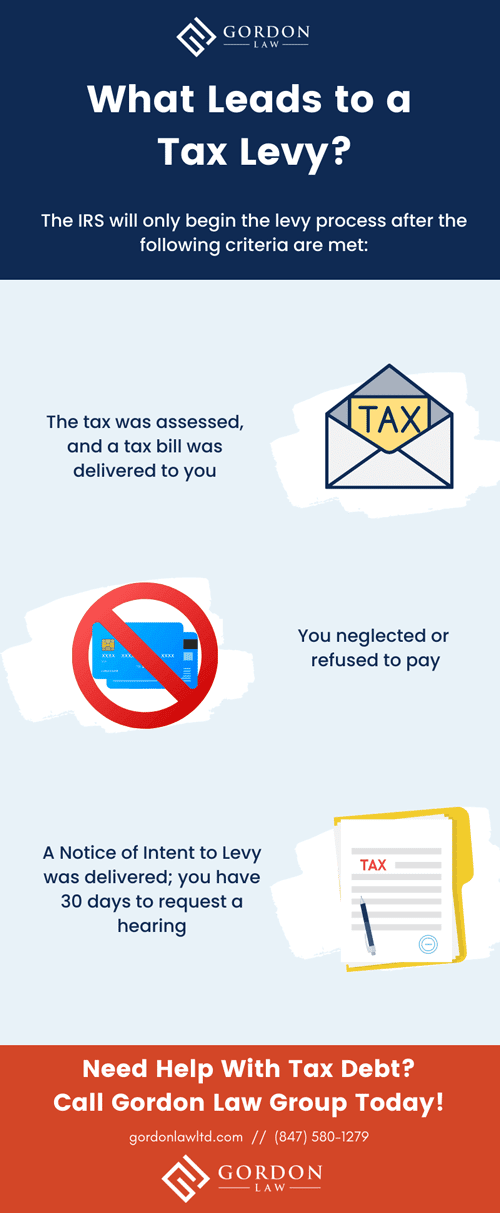
The tax journey typically begins with assessment. Tax authorities calculate the amount of tax owed based on declared income, property values, sales data, or other relevant metrics. Taxpayers are then formally notified of their tax liability through tax bills, statements, or assessments. This notification usually includes details of the amount due, the deadline for payment, and information on how to dispute the assessment if there’s a discrepancy. For many taxes, such as income tax, individuals and businesses are responsible for self-assessing and filing returns.
Payment Mechanisms
Governments provide various mechanisms for taxpayers to remit their levy taxes:
- Direct Payments: Via online portals, bank transfers, credit/debit cards, or checks.
- Withholding: For income and payroll taxes, employers typically withhold taxes directly from employee wages and remit them to the government on their behalf. This ensures a steady stream of revenue and simplifies compliance for employees.
- Estimated Payments: Self-employed individuals and businesses often make estimated tax payments throughout the year to cover their tax liability, rather than a single lump sum at year-end.
Penalties for Non-Compliance
Failure to comply with tax obligations carries significant penalties, designed to deter evasion and encourage timely payment. These can include:
- Late Payment Penalties: Fines imposed for not paying taxes by the due date.
- Underpayment Penalties: Penalties for not paying enough tax throughout the year, especially for estimated taxes.
- Interest Charges: Interest accrues on unpaid tax balances.
- Audits and Investigations: Tax authorities may initiate audits to verify the accuracy of filed returns.
- Legal Action and Criminal Charges: In cases of severe tax evasion or fraud, individuals and businesses can face civil litigation, liens, asset seizures (including wage garnishment or bank levies), and even criminal prosecution, leading to imprisonment.
Legal Recourse and Challenges
Taxpayers have rights and avenues for legal recourse if they believe a tax assessment is incorrect or unjust. This typically involves:
- Administrative Appeals: Filing an appeal with the tax authority itself, presenting evidence to support their claim.
- Tax Courts: If administrative appeals fail, taxpayers can often appeal to specialized tax courts or tribunals to have their case heard by an independent judicial body.
- Judicial Review: In some cases, decisions from tax courts can be further appealed to higher general courts.
Understanding these procedures is crucial for anyone navigating a tax dispute.
Navigating Levy Taxes for Individuals and Businesses
Effective management of levy taxes is paramount for both personal financial health and business sustainability. It requires proactive planning, meticulous record-keeping, and often, professional guidance.
Importance of Compliance
Compliance with tax laws is non-negotiable. Beyond avoiding penalties, adherence to tax regulations fosters financial stability for individuals and builds trust and credibility for businesses. Non-compliance can lead to severe financial repercussions, legal entanglements, and reputational damage. For businesses, consistent tax compliance is also essential for attracting investment, securing loans, and operating legally within their chosen markets.
Effective Tax Planning Strategies
Proactive tax planning can significantly reduce tax burdens within the bounds of the law. Key strategies include:
- Understanding Deductions and Credits: Leveraging eligible deductions (e.g., student loan interest, business expenses) and tax credits (e.g., child tax credit, energy-efficient home credit) can directly reduce taxable income or the tax bill.
- Retirement Planning: Contributions to tax-advantaged retirement accounts (like 401(k)s, IRAs, or Roth IRAs) can defer or reduce current tax liabilities while saving for the future.
- Investment Planning: Strategic timing of capital gains and losses, utilizing tax-efficient investment vehicles, and considering municipal bonds (often tax-exempt) can optimize investment returns.
- Business Structure Optimization: Choosing the right legal structure for a business (e.g., sole proprietorship, partnership, S-corp, C-corp) can have significant implications for tax liabilities.
- Year-End Tax Moves: Making charitable donations, deferring income, or accelerating expenses can impact the current year’s tax bill.

Utilizing Financial Tools and Professionals
Navigating the complexities of levy taxes often benefits from specialized tools and expertise:
- Tax Software: Programs like TurboTax or H&R Block streamline the filing process for individuals and small businesses, guiding users through deductions and credits.
- Financial Advisors/Planners: These professionals offer holistic advice on investment strategies, retirement planning, and wealth management, often integrating tax efficiency into their recommendations.
- Tax Preparers/Accountants (CPAs, EAs): For more complex situations or businesses, certified public accountants (CPAs) or enrolled agents (EAs) provide expert tax preparation, planning, and representation services, ensuring accuracy and identifying all legitimate savings.
- Bookkeeping Services: Keeping meticulous financial records throughout the year is foundational for accurate tax reporting and efficient tax preparation.
Ultimately, levy taxes are a cornerstone of civil society, funding the collective goods and services that underpin our daily lives. While complex, understanding their nature, types, purpose, and the mechanisms of collection and enforcement empowers individuals and businesses to navigate their financial obligations responsibly and strategically.
aViewFromTheCave is a participant in the Amazon Services LLC Associates Program, an affiliate advertising program designed to provide a means for sites to earn advertising fees by advertising and linking to Amazon.com. Amazon, the Amazon logo, AmazonSupply, and the AmazonSupply logo are trademarks of Amazon.com, Inc. or its affiliates. As an Amazon Associate we earn affiliate commissions from qualifying purchases.