
In the dynamic world of commerce, efficient logistics are not just an operational necessity; they are a critical determinant of a business’s financial health and competitive edge. For many enterprises, particularly those dealing with shipments that are too large for parcel services but too small to fill an entire semi-trailer, the concept of Less-Than-Truckload (LTL) shipping offers a potent solution. Understanding LTL is more than just grasping a freight term; it’s about unlocking significant cost savings, optimizing supply chains, and bolstering profitability.
The Financial Imperative of LTL Shipping
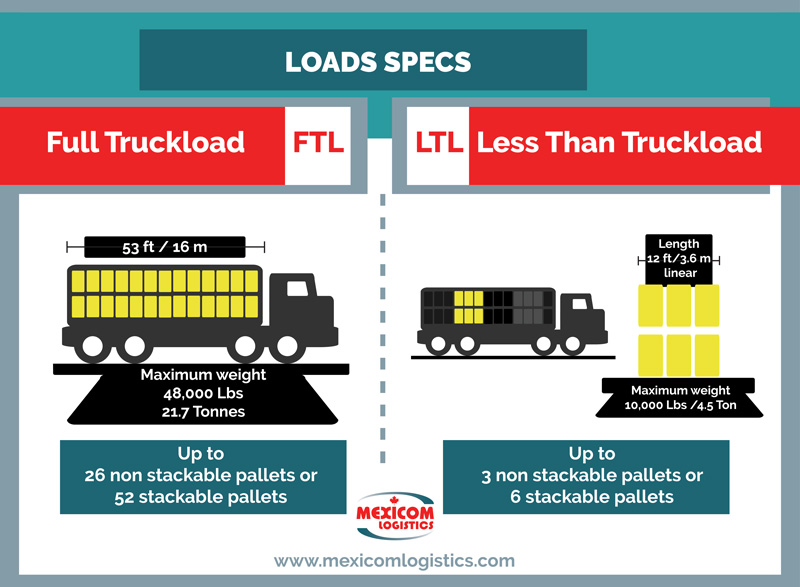
At its core, LTL shipping is a strategic financial decision for businesses looking to move goods efficiently without incurring the prohibitive costs of a full truckload (FTL) for smaller volumes. It represents a shared-economy model within freight, where multiple shippers’ goods are consolidated onto a single trailer, sharing the space and, crucially, the cost.
Cost Efficiency for Small and Medium Businesses
For small and medium-sized enterprises (SMEs), startups, and e-commerce ventures, the financial burden of shipping can be substantial. LTL provides an accessible and affordable alternative to FTL for shipments typically ranging from 150 to 15,000 pounds. Instead of paying for unused trailer space, businesses only pay for the portion of the trailer their freight occupies, along with its weight, class, and the distance traveled. This direct correlation between space used and cost incurred makes LTL an indispensable tool for managing transportation budgets and protecting profit margins, especially when frequent, smaller shipments are the norm. It allows businesses to avoid tying up capital in excessive inventory by enabling more frequent, smaller orders, leading to better cash flow management.
Optimizing Supply Chain Spend
Beyond direct shipping costs, LTL plays a pivotal role in broader supply chain economics. Businesses can leverage LTL to maintain leaner inventories, reducing warehousing costs, insurance premiums, and the risk of obsolescence. By enabling more frequent, smaller shipments, LTL facilitates a just-in-time (JIT) inventory strategy for many companies, directly impacting working capital. Instead of needing large sums of money tied up in stock, businesses can respond more agilely to demand fluctuations, minimizing overstocking and stockouts, both of which have significant financial repercussions. This optimization of inventory directly translates into improved liquidity and better asset utilization on the balance sheet.
How LTL Works and Its Economic Impact
The operational mechanics of LTL shipping are designed to maximize carrier efficiency while providing a cost-effective solution for shippers. This efficiency is what drives the financial benefits for businesses.
Consolidation and Shared Costs
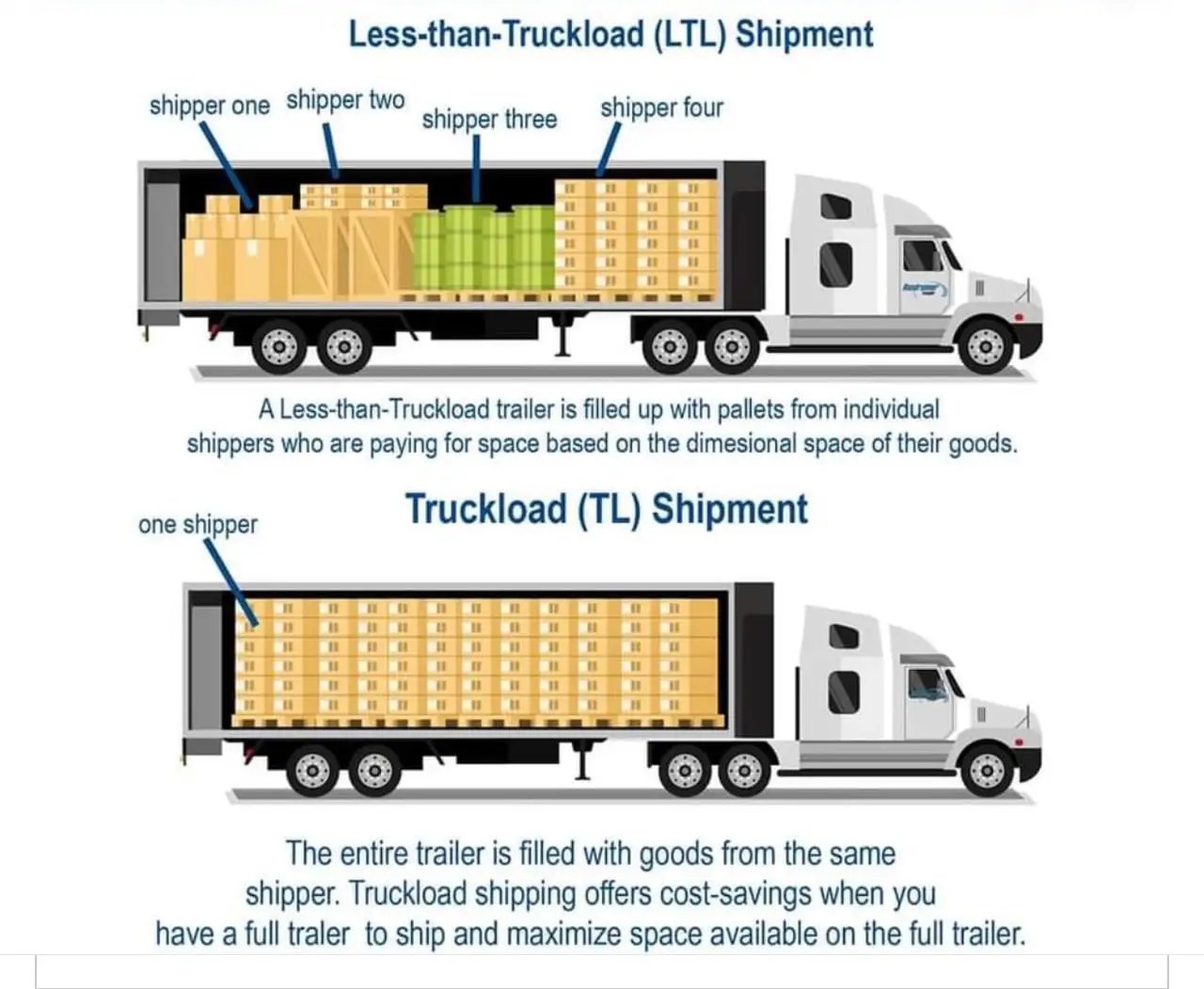
The fundamental principle of LTL involves a carrier consolidating multiple shipments from various customers onto a single truck. This process typically involves a network of terminals:
- Pickup: A local driver picks up freight from various shippers in a particular area.
- Origin Terminal: Freight is brought to an origin terminal, where it’s sorted and consolidated with other shipments destined for similar geographical regions.
- Line-Haul: Consolidated freight travels long distances on a larger trailer to a destination terminal.
- Destination Terminal: Freight is sorted again and loaded onto local delivery trucks.
- Delivery: A local driver delivers the freight to its final recipient.
This hub-and-spoke model means that the cost of fuel, driver wages, and truck maintenance is distributed among all the shippers whose freight is on board. For businesses, this translates into substantial savings compared to hiring an entire truck for a partial load. It democratizes access to professional freight shipping, making it viable for smaller businesses that would otherwise be priced out of the market.
Pricing Models and Factors
Understanding LTL pricing is crucial for effective budget management and cost control. Several key factors influence the final cost:
- Freight Class: Established by the National Motor Freight Traffic Association (NMFTA) using the National Motor Freight Classification (NMFC) system, freight class accounts for density, stowability, handling, and liability. Generally, lower class numbers (denser, less fragile) correspond to lower shipping rates, while higher class numbers (lighter, more fragile, harder to handle) command higher rates. Misclassifying freight can lead to unexpected re-billings and increased costs, directly impacting financial forecasts.
- Weight: The heavier the shipment, the higher the cost, though costs per pound often decrease at higher weight breaks due to economies of scale.
- Distance: Longer transit distances naturally result in higher costs.
- Accessorial Charges: These are extra fees for services beyond standard dock-to-dock transport. Common accessorials include liftgate services, residential delivery, inside delivery, re-delivery, limited access location fees, fuel surcharges, and detention fees. These charges can significantly inflate the total cost if not accounted for upfront, making careful planning and communication with carriers essential for financial predictability.
- Base Rate: This is the carrier’s core charge for moving freight, typically negotiated or published.
- Minimum Charge: If a shipment is very small, the carrier may apply a minimum charge, ensuring a baseline level of revenue.
Businesses must thoroughly understand these variables to accurately estimate shipping costs, avoid unexpected expenses, and optimize their shipping strategies for the best financial outcome. Engaging with a reputable carrier or third-party logistics (3PL) provider that offers transparent pricing and expertise in freight classification can be a valuable financial safeguard.
Strategic Advantages for Business Growth and Profitability
Beyond direct cost savings, LTL shipping offers strategic advantages that foster business growth, enhance profitability, and improve financial stability.
Scalability for E-commerce and Side Hustles
For entrepreneurs running e-commerce businesses or managing side hustles that involve physical product distribution, LTL provides unparalleled scalability. As sales volumes fluctuate, LTL allows businesses to adapt their shipping expenses proportionally. There’s no need to commit to the fixed costs of a full truckload when demand is uncertain, or to pay premium parcel rates for bulky items. This flexibility means businesses can grow their operations without needing significant upfront capital investment in logistics infrastructure. It empowers smaller players to compete with larger enterprises by accessing efficient, professional freight services on a pay-as-you-go basis, directly supporting the financial viability and expansion of online income streams.
Inventory Management and Working Capital
Effective inventory management is paramount for financial health. Excess inventory ties up working capital, incurs carrying costs (storage, insurance, obsolescence), and increases the risk of markdown or write-offs. Conversely, insufficient inventory can lead to lost sales and customer dissatisfaction. LTL shipping enables businesses to strike an optimal balance. By facilitating more frequent, smaller shipments, companies can implement a more lean inventory strategy, reducing the amount of capital locked in goods. This improves cash flow, frees up funds for other investments or operational expenses, and ultimately enhances the business’s liquidity and financial resilience. It allows for a more responsive supply chain, meaning capital is deployed only when needed, a significant advantage in volatile markets.
Mitigating Risk and Improving Cash Flow
LTL services often include robust tracking systems and varying levels of liability coverage, which can mitigate financial risks associated with transit damage or loss. While LTL involves more handling points than FTL, reputable carriers employ advanced logistics to minimize these risks. Furthermore, by distributing freight across multiple trucks and routes, businesses can often avoid single points of failure that might occur with a dedicated FTL shipment. From a cash flow perspective, the ability to ship goods as needed rather than in large, infrequent batches means that revenue generation is more consistent, and expenses are spread out, leading to more predictable financial planning and budgeting.
Choosing the Right LTL Partner for Your Bottom Line
The choice of an LTL carrier can profoundly impact a business’s financial performance. It’s not merely about securing the lowest price, but about finding a partner that offers value, reliability, and transparency.
Hidden Costs and How to Avoid Them
Many seemingly low LTL quotes can be deceptive due to a multitude of potential accessorial charges that inflate the final bill. Businesses must request itemized quotes, understand the definitions of various services, and clearly communicate their specific needs to the carrier. Providing accurate information regarding freight class, weight, dimensions, and delivery conditions upfront is crucial to avoiding re-billings. Investing in proper freight packaging and palletization can also prevent damage claims and related financial losses. Diligent review of invoices is essential to identify and dispute any erroneous charges, protecting the company’s financial interests.
Leveraging Technology for LTL Savings
Modern financial management within logistics is heavily influenced by technology. Freight management systems (FMS) and transportation management systems (TMS) are invaluable tools for businesses utilizing LTL. These platforms can automate quoting, track shipments in real-time, audit invoices, and provide analytical insights into spending patterns. By aggregating data and offering multiple carrier options, technology empowers businesses to compare rates more efficiently, identify cost-saving opportunities, and streamline the entire shipping process, translating directly into financial efficiencies and improved decision-making. Moreover, integrating these systems with existing accounting software can simplify reconciliation and enhance financial oversight.
In conclusion, Less-Than-Truckload shipping is far more than a logistical option; it is a vital financial instrument for modern businesses. Its ability to provide cost-effective, flexible, and scalable shipping solutions directly influences profitability, cash flow, inventory management, and overall financial health. By understanding the intricacies of LTL and strategically leveraging its benefits, businesses of all sizes can optimize their operational spend, enhance their competitive stance, and achieve sustainable financial growth.
aViewFromTheCave is a participant in the Amazon Services LLC Associates Program, an affiliate advertising program designed to provide a means for sites to earn advertising fees by advertising and linking to Amazon.com. Amazon, the Amazon logo, AmazonSupply, and the AmazonSupply logo are trademarks of Amazon.com, Inc. or its affiliates. As an Amazon Associate we earn affiliate commissions from qualifying purchases.