
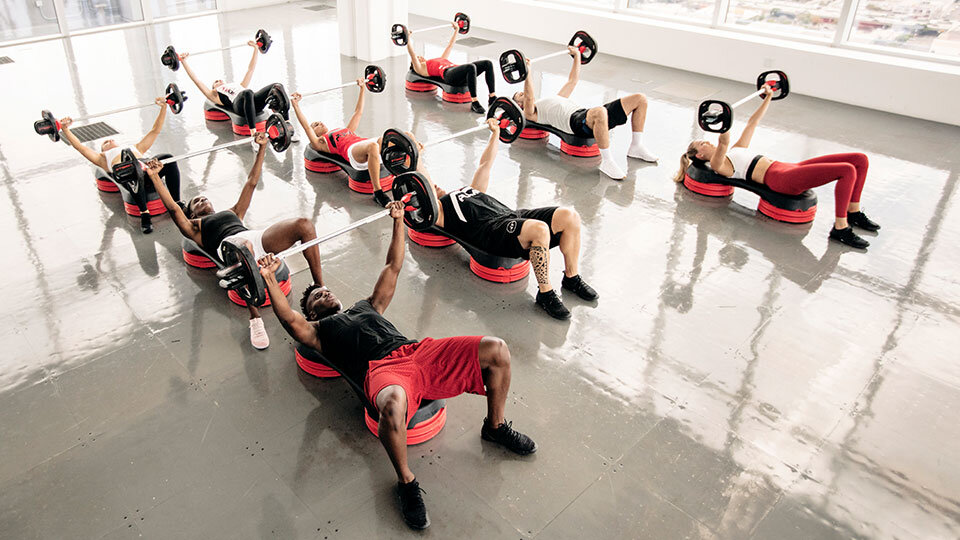
In the world of fitness, few names carry as much weight as Les Mills. Specifically, its flagship program, BodyPump, has transcended the status of a mere gym class to become a global cultural phenomenon. To the casual observer, BodyPump is a barbell workout set to music. However, to a brand strategist or marketing professional, it is a masterclass in corporate identity, licensing, and community-driven brand loyalty.
For over three decades, Les Mills International has managed to do what many fitness brands fail to achieve: maintain consistency across thousands of locations worldwide while evolving to meet the demands of a digital-first audience. Understanding “what is Les Mills BodyPump” from a brand perspective requires an analysis of how a family-owned gym in New Zealand transformed into a multi-million-dollar global IP powerhouse.
1. The Genesis of a Global Fitness Identity: From Boutique to Behemoth
The story of BodyPump is inextricably linked to the Les Mills brand heritage. Founded by four-time Olympian Les Mills in 1968, the company began as a single gym in Auckland, New Zealand. However, it was the second generation, led by Phillip Mills, who recognized that the future of fitness lay not just in equipment, but in “group effect” programming.
The Standardization of Excellence
At its core, BodyPump was developed as a solution to a common brand problem: inconsistency. In the 1980s, gym classes were often dependent on the individual charisma of an instructor. If the instructor was bad, the brand suffered. BodyPump revolutionized this by creating a standardized “product.” Every movement, every song, and every motivational cue was choreographed at the headquarters in New Zealand and then distributed globally. This “McDonald’s-fication” of fitness ensured that a participant in London would have the exact same brand experience as a participant in New York or Tokyo.
Defining the Brand Promise: “The Rep Effect”
A key component of the BodyPump brand strategy is the proprietary language used to describe its benefits. Instead of simply saying “we lift weights,” Les Mills trademarked “The Rep Effect.” This marketing term describes the science of using low weights with high repetitions to achieve muscle fatigue. By branding the scientific process, Les Mills moved BodyPump away from a generic weightlifting category and into a proprietary space that competitors couldn’t easily replicate.
2. The B2B2C Business Model: Mastering Multi-Channel Brand Distribution
Unlike many fitness brands that market directly to consumers (B2C), Les Mills BodyPump built its empire through a sophisticated B2B2C (Business-to-Business-to-Consumer) model. This strategy allowed the brand to scale rapidly without the capital expenditure of building thousands of physical locations.
The Power of Licensing and Certification
Les Mills does not own most of the gyms where BodyPump is taught. Instead, they license the brand and the programming to “partner gyms.” This creates a recurring revenue stream while positioning BodyPump as a premium “value-add” for health clubs. For a gym, having the Les Mills logo on their schedule is a mark of quality that attracts members. This symbiotic relationship ensures that the brand remains ubiquitous in the physical fitness world.
Instructors as Brand Ambassadors
One of the most effective pillars of the Les Mills brand strategy is its instructor training program. Instructors are not just employees; they are vetted and certified brand ambassadors. By requiring rigorous certification and ongoing “quarterly” training (new music and choreography released every three months), Les Mills ensures that its frontline representatives are deeply invested in the brand’s success. This creates a powerful grassroots marketing engine where instructors actively promote the brand to their local communities.
3. Sensory Branding and the Psychology of Community

A brand is more than a logo; it is an emotional connection. Les Mills has mastered the art of sensory branding, using music and social proof to create an addictive user experience.
Choreo-Branding: The Role of Sound
In BodyPump, the music is not background noise; it is the product. Les Mills invests heavily in music licensing and original compositions to ensure that the “vibe” of BodyPump is high-energy, modern, and aspirational. This “choreo-branding” creates a Pavlovian response in participants. When they hear the opening track of a new BodyPump release, they immediately associate it with the brand’s core values of strength and empowerment.
The “Tribe” Mentality and Social Proof
Les Mills refers to its global community as “The Tribe.” This is a deliberate naming strategy designed to foster a sense of belonging. In a world where fitness can often feel isolating, BodyPump leverages the “Group Effect.” From a brand strategy standpoint, this creates high switching costs. A user isn’t just leaving a gym; they are leaving their tribe. This community-centric approach generates massive amounts of organic social proof, as users share their “BodyPump journeys” across social media, effectively acting as a free global marketing department.
Visual Identity and Global Consistency
The visual brand of BodyPump is characterized by high-production-value videography and sleek, athletic aesthetics. The “Masterclass” videos used to train instructors are shot with cinematic quality, featuring elite athletes. This aspirational imagery reinforces the brand’s positioning as the “gold standard” of group fitness. Whether on a poster in a local YMCA or an app on a smartphone, the visual language of BodyPump remains strikingly consistent.
4. Scaling the Legacy: Brand Resilience in a Digital-First World
The true test of any brand is its ability to adapt to market disruptions. When the global pandemic closed gyms worldwide, Les Mills faced an existential threat to its B2B model. However, the strength of the BodyPump brand allowed for a seamless transition into the digital and “hybrid” fitness space.
The Evolution of Les Mills+
While many gyms struggled to move online, Les Mills already had the infrastructure for “Les Mills On Demand” (now Les Mills+). Because the BodyPump brand was already established as a premium, standardized product, consumers were willing to pay for a digital subscription to experience the brand at home. This move from the gym floor to the living room transformed Les Mills from a licensing company into a global media and tech player.
Maintaining Brand Equity in a Crowded Market
With the rise of competitors like Peloton and F45, BodyPump has maintained its market share by leaning into its heritage of “science-backed” fitness. While newer brands focus on high-tech hardware, BodyPump focuses on its legacy of results and its massive global community. By staying true to its core identity—strength, music, and the “Group Effect”—it has avoided the brand dilution that often comes with chasing every new fitness trend.
Corporate Social Responsibility and Brand Purpose
Modern consumers, particularly Millennials and Gen Z, gravitate toward brands with a purpose. Les Mills has successfully integrated “fitness for a better planet” into its corporate identity. By partnering with global environmental initiatives and promoting holistic wellness, the brand has elevated its positioning from a “workout provider” to a “lifestyle movement.” This purpose-driven branding creates a deeper emotional resonance with the modern consumer.

Conclusion: The Enduring Legacy of the BodyPump Brand
To answer the question “what is Les Mills BodyPump” is to describe a perfect alignment of product, brand, and community. It is a case study in how a specialized service can be standardized, scaled, and protected through rigorous brand management.
Les Mills BodyPump has survived and thrived for over 30 years because it understands that fitness is not just about physical health—it is about identity. By creating a brand that offers consistency, community, and aspirational value, Les Mills has ensured that BodyPump remains as relevant today in a digital world as it was in a small New Zealand gym in 1990. For business leaders and marketers, the BodyPump story serves as a reminder that a strong brand is the ultimate competitive advantage, capable of turning a simple barbell workout into a global empire.
aViewFromTheCave is a participant in the Amazon Services LLC Associates Program, an affiliate advertising program designed to provide a means for sites to earn advertising fees by advertising and linking to Amazon.com. Amazon, the Amazon logo, AmazonSupply, and the AmazonSupply logo are trademarks of Amazon.com, Inc. or its affiliates. As an Amazon Associate we earn affiliate commissions from qualifying purchases.