
In the dynamic world of optical technology, where precision and performance are paramount, understanding the core specifications of components is crucial. Among these, “lens index” stands out as a fundamental characteristic, dictating much about a lens’s physical properties and optical performance. Far more than just a number, the lens index — more formally known as the refractive index — is a critical technical specification that influences thickness, weight, and visual clarity, profoundly impacting the user experience of everything from eyeglasses to advanced optical instruments.
The Physics Behind the Index: Refractive Power Explained
At its heart, the lens index quantifies how efficiently a material bends light. Technically, it is a dimensionless number that describes how light (or other waves) propagates through a medium. It’s defined as the ratio of the speed of light in a vacuum to the speed of light within the specific lens material. For example, if light travels 1.5 times slower in a lens material than in a vacuum, that material has a refractive index of 1.50.
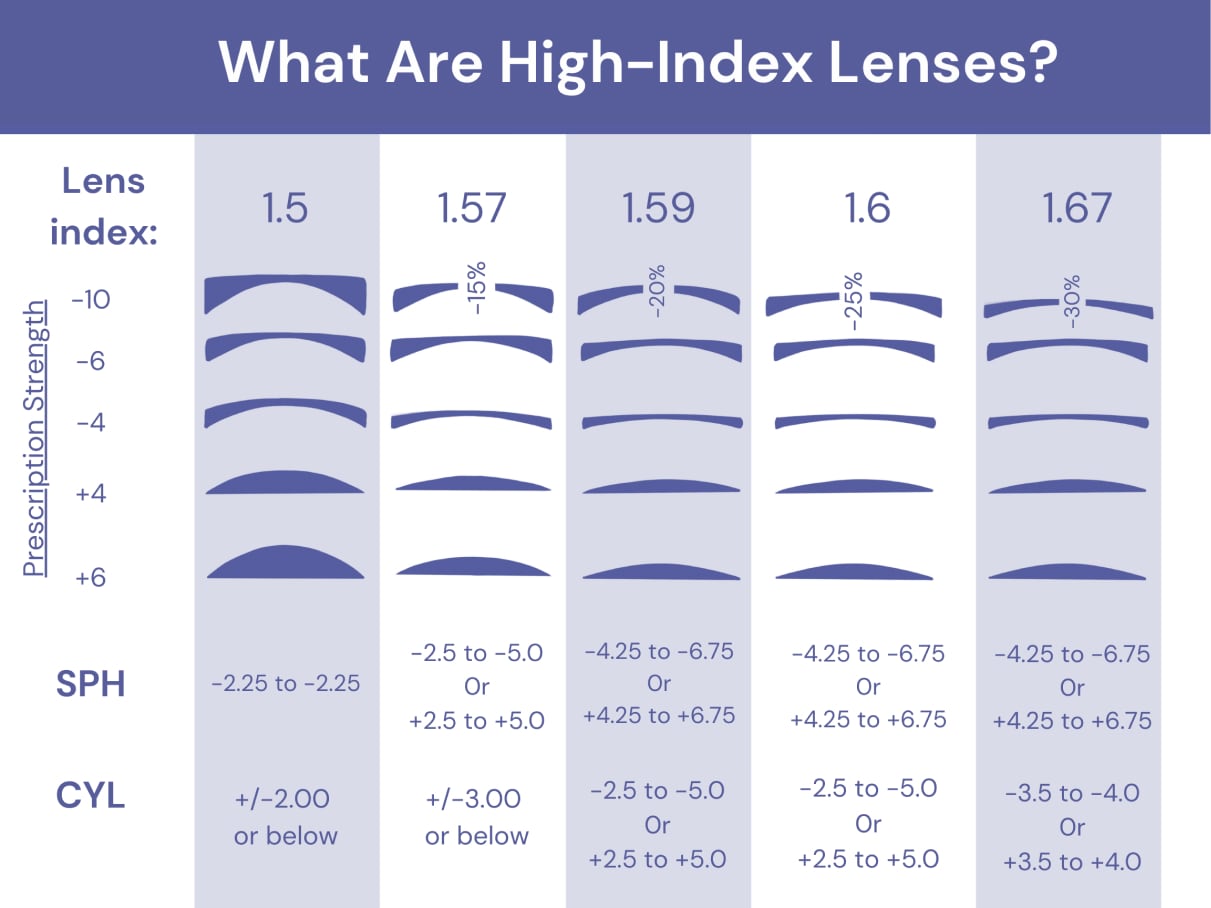
The higher the lens index number, the more powerfully the material bends light. This means a lens made from a high-index material can achieve the same refractive power (i.e., correct the same degree of vision) with a much flatter and thinner profile compared to a lower-index material. This principle is a cornerstone of modern optical engineering, enabling the creation of sleeker, lighter, and more aesthetically pleasing lenses, especially for individuals with strong prescriptions.
This bending of light is what allows lenses to correct vision. For nearsightedness (myopia), lenses need to diverge light before it reaches the eye, effectively pushing the focal point back onto the retina. For farsightedness (hyperopia), lenses need to converge light, bringing the focal point forward. The higher the prescription (measured in diopters), the greater the degree of light bending required, and consequently, the more pronounced the benefits of a higher lens index become.
The Technical Impact of Lens Index on Optical Devices
The chosen lens index has several significant technical implications that extend beyond mere light bending, affecting performance, comfort, and the integration of optical elements into various devices.
Thickness and Weight Optimization
One of the most immediate and tangible benefits of higher lens indices is the reduction in lens thickness and weight. For a given optical power, a material with a higher refractive index requires less curvature and less material volume to achieve the same corrective effect.
- Aesthetics and Design: In eyeglasses, thinner lenses significantly improve cosmetic appeal, especially for strong prescriptions where traditional lenses can be thick and noticeable. This allows for a wider range of frame choices and a more modern, streamlined look for optical wearables.
- Comfort and Wearability: Lighter lenses reduce pressure on the nose and ears, enhancing comfort during prolonged use. This is particularly important for individuals who wear glasses all day or for specialized users in demanding environments, such as pilots or medical professionals, where weight can contribute to fatigue. In head-mounted displays or virtual reality (VR) headsets, lightweight optics are crucial for ergonomic design and user immersion, minimizing strain during extended periods of use.
- Integration into Gadgets: For compact cameras, smartphones, or miniature optical sensors, high-index materials allow for smaller, lighter lens assemblies that contribute to the overall slimness and portability of the device without compromising optical performance.
Optical Clarity and Aberrations
While a higher index offers benefits in terms of thickness and weight, it introduces considerations regarding optical clarity and potential aberrations, which are critical for high-performance optical systems.
- Chromatic Aberration (Color Fringing): This phenomenon occurs when a lens fails to focus all colors of light to the same point. Different wavelengths of light (colors) travel at slightly different speeds through a material, causing them to refract at slightly different angles. This leads to colored fringes around objects, particularly noticeable at the edges of the lens. The susceptibility of a material to chromatic aberration is quantified by its Abbe value. Materials with lower Abbe values (which often correlate with higher refractive indices) tend to exhibit more chromatic aberration. For precision applications like photography or scientific instrumentation, managing chromatic aberration is paramount.
- Peripheral Distortion: Thicker, lower-index lenses with strong prescriptions can exhibit more pronounced peripheral distortion. While high-index lenses can mitigate some of this due to their flatter curves, proper lens design (aspheric or atoric designs) becomes even more crucial to ensure consistent visual clarity across the entire lens surface, minimizing the “fish-eye” effect often seen at the edges of high-power lenses. These advanced designs are a key aspect of modern optical engineering.
Understanding Common Lens Index Values and Materials
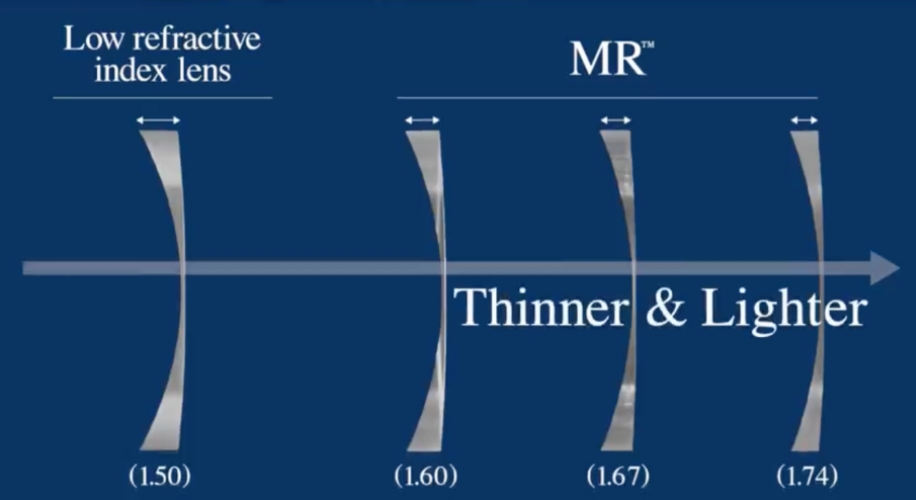
The optical industry employs a range of materials, each characterized by its specific refractive index, offering a spectrum of performance characteristics tailored to diverse needs and technological applications.
Standard Index Lenses (e.g., 1.50)
- Material: Often made from CR-39 plastic, introduced in the 1940s, or crown glass.
- Characteristics: These are the thickest and heaviest lens options for a given prescription. They offer excellent optical clarity (high Abbe value, low chromatic aberration) and are generally the most affordable.
- Best Suited For: Low prescriptions, particularly in full-rim frames where thickness is less noticeable. Excellent for general-purpose applications where weight and bulk are not primary concerns.
Mid-Index Lenses (e.g., 1.53, 1.59, 1.61)
- Materials:
- 1.53 (Trivex): Known for exceptional impact resistance, making it ideal for safety glasses, children’s eyewear, and rimless frames. It also boasts excellent optical clarity (high Abbe value).
- 1.59 (Polycarbonate): Highly impact-resistant and UV-protective, polycarbonate is a staple for active lifestyles, sports eyewear, and safety lenses. While thinner and lighter than CR-39, it has a lower Abbe value, meaning it can exhibit slightly more chromatic aberration.
- 1.61 (MR-8 plastic): A popular choice for mid-range prescriptions, offering a good balance of thinness, lightness, and optical quality (better Abbe value than polycarbonate).
- Characteristics: These materials offer a noticeable reduction in thickness and weight compared to standard index lenses. They provide enhanced durability, making them suitable for active users and various tech applications where robustness is important.
- Best Suited For: Moderate prescriptions, safety glasses, children’s eyewear, and rimless or semi-rimless frames where strength and edge integrity are crucial.
High-Index Lenses (e.g., 1.67, 1.74, 1.80, 1.90)
- Materials: Primarily advanced plastics (MR-10, MR-17, etc.) and specialized glass for the highest indices.
- Characteristics: These are the thinnest and lightest options available, designed for significant prescriptions. The higher the index, the thinner the lens. While reducing bulk, the very highest indices (e.g., 1.74 and above) can sometimes come with a trade-off in Abbe value, potentially leading to more noticeable chromatic aberration, especially for sensitive users or in specialized optical instruments where visual fidelity is paramount.
- Best Suited For: Strong prescriptions (typically +3.00 diopters and above), fashion-conscious individuals seeking the sleekest possible eyewear, or applications where minimizing optical component size and weight is critical. High-index lenses are almost always recommended for rimless and semi-rimless frames with high prescriptions due to their thinner profile.
Choosing the Right Lens Index for Optimal Tech Performance
Selecting the appropriate lens index involves a careful consideration of technical requirements, user needs, and the specific application of the optical device.
Prescription Strength
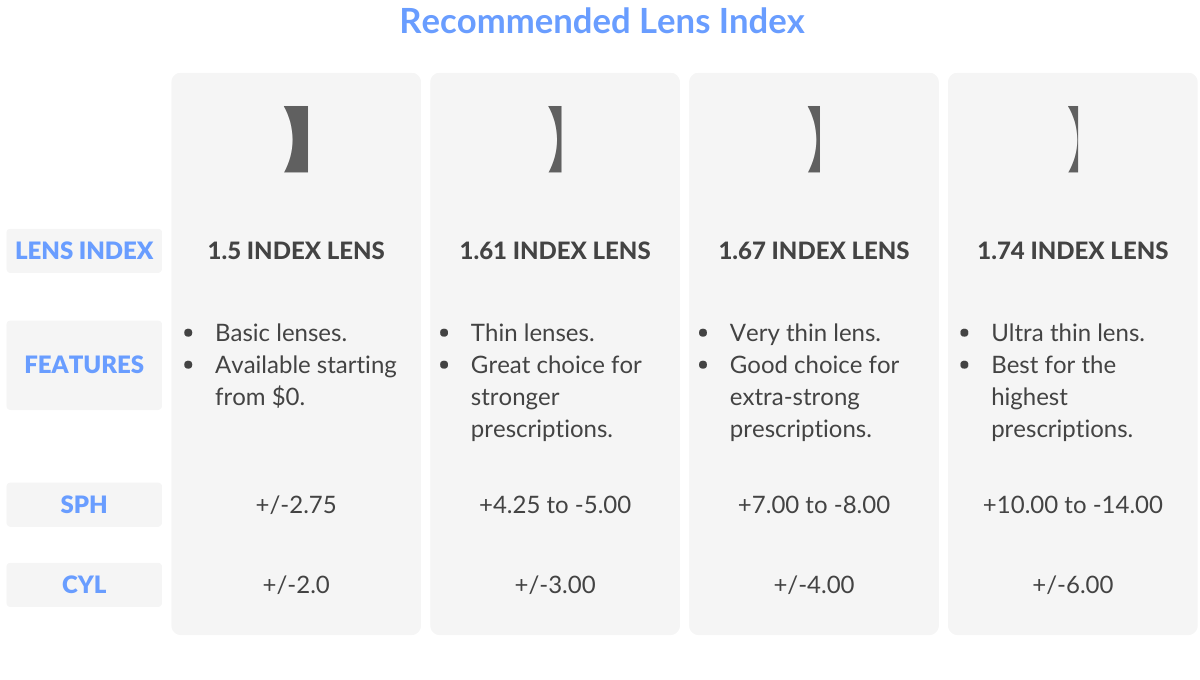
This is the primary determinant. Individuals with higher prescriptions (more severe myopia, hyperopia, or astigmatism) will derive the most benefit from higher index lenses due to the significant reduction in thickness and weight. For mild prescriptions, the aesthetic and weight benefits of high-index lenses are minimal, and the optical advantages of standard or mid-index lenses often make them a better choice.
Frame Type and Aesthetics
The choice of frame heavily influences the perceived thickness of a lens. For full-rim frames, the edges of the lens are largely concealed, making lower index lenses more viable for moderate prescriptions. However, for semi-rimless or rimless frames, where the lens edge is exposed, a higher index is almost always recommended to prevent an overly thick or “bottle-bottom” appearance, which can be visually distracting and compromise the structural integrity of the lens in the frame.
Lifestyle and Durability Requirements
For active individuals, athletes, or those working in demanding environments where impact resistance is crucial (e.g., construction workers, laboratory technicians), materials like polycarbonate (1.59) or Trivex (1.53) are often preferred due to their inherent strength and shatter resistance, even if a slightly higher index is available. These materials are vital for protecting the eyes and ensuring the longevity of optical gadgets.
Integration with Digital Technologies and Coatings
Modern optical technology extends beyond the lens material itself to sophisticated coatings that enhance performance.
- Anti-Reflective (AR) Coatings: Crucial for all lens indices, AR coatings minimize reflections off the lens surface, improving light transmission and reducing glare, especially vital for those who spend significant time in front of digital screens or in bright light conditions. This enhances visual comfort and reduces eye strain associated with prolonged digital device use.
- Scratch-Resistant Coatings: Essential for the longevity of any lens, these coatings add a protective layer, particularly important for softer high-index plastics. They ensure the lens remains clear and functional, especially in gadgets that see heavy use.
- UV Protection: Most modern lens materials naturally block a certain amount of UV light, but dedicated UV coatings can offer comprehensive protection, safeguarding eye health—a critical feature for any outdoor tech activity.
- Blue Light Filtering Coatings: With the pervasive use of smartphones, tablets, and computers, blue light filtering coatings are gaining prominence. They selectively filter out a portion of high-energy visible blue light emitted by digital screens, which some studies suggest may contribute to eye strain and sleep cycle disruption. This technology works synergistically with the chosen lens index to optimize visual health in a digitally-driven world.
In conclusion, “lens index” is a cornerstone concept in optical technology, offering a sophisticated balance between physical design, optical performance, and user experience. As optical devices become increasingly integrated into our daily lives, from advanced vision correction to cutting-edge augmented reality, a nuanced understanding of lens index empowers consumers and engineers alike to make informed choices, ensuring optimal visual clarity, comfort, and technological integration.
aViewFromTheCave is a participant in the Amazon Services LLC Associates Program, an affiliate advertising program designed to provide a means for sites to earn advertising fees by advertising and linking to Amazon.com. Amazon, the Amazon logo, AmazonSupply, and the AmazonSupply logo are trademarks of Amazon.com, Inc. or its affiliates. As an Amazon Associate we earn affiliate commissions from qualifying purchases.