
In the rapidly evolving landscape of digital assets, the concept of “ownership” is inextricably linked to the possession of cryptographic keys. As decentralized finance and blockchain technology move from the fringes of the internet to the core of modern fintech, the methods we use to secure these assets have undergone a radical technological transformation. At the forefront of this shift is Ledger, a name synonymous with hardware wallets and “cold storage.” To understand what Ledger crypto represents, one must look past the sleek aluminum casing of the devices and delve into the sophisticated intersection of hardware engineering, cryptographic firmware, and secure software ecosystems.
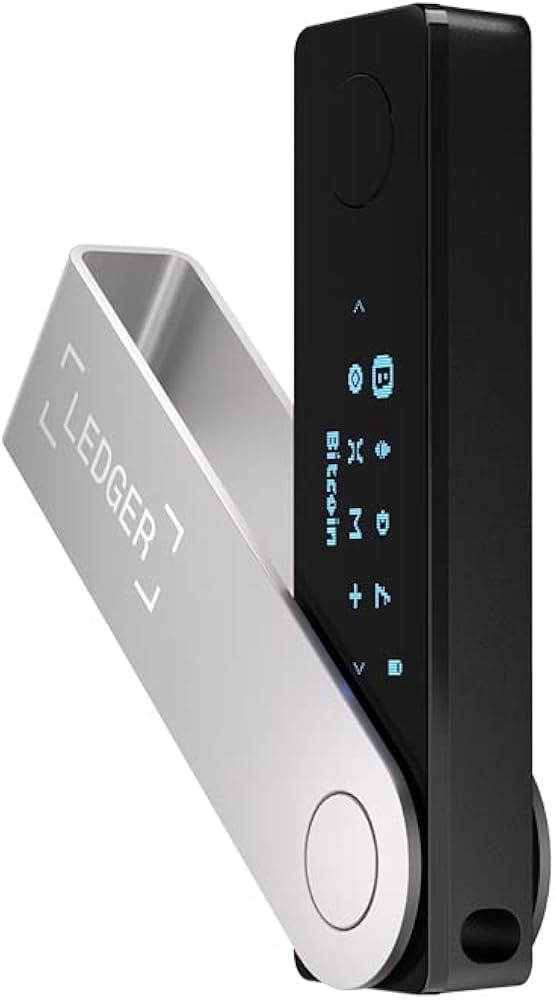
At its core, a Ledger is a hardware wallet—a specialized physical peripheral designed to store private keys in an environment that is completely isolated from the internet. In a world where software-based “hot wallets” are vulnerable to malware, phishing, and remote exploits, Ledger provides a physical layer of defense. It operates on the principle that if a private key never touches an internet-connected device, it cannot be stolen by an internet-based attacker.
The Architecture of Security: How Ledger Hardware Functions
To appreciate the technological prowess of a Ledger device, one must examine the internal components that distinguish it from a standard USB drive or a general-purpose microcomputer. Ledger devices are built around a unique architecture that prioritizes security at the hardware level, utilizing components typically found in high-security environments like passport chips and credit card modules.
The Secure Element (SE)
The heart of every Ledger device is the Secure Element (SE). Unlike standard microcontrollers used in many consumer electronics, the Secure Element is a hardened chip designed to withstand sophisticated physical attacks. Ledger utilizes chips with an EAL6+ (Evaluation Assurance Level) certification, which is among the highest security ratings in the industry.
The SE is responsible for hosting the private keys and performing cryptographic operations. When you sign a transaction, the data is sent to the Ledger device; the SE signs the transaction internally and sends only the digital signature back to your computer or smartphone. This ensures that the sensitive private keys never leave the chip’s secure perimeter. Even if the computer you are plugged into is riddled with spyware, the attacker cannot “see” or extract the keys from the SE.
BOLOS: The Blockchain Open Ledger Operating System
Software is often the weakest link in digital security. To mitigate this, Ledger developed a proprietary operating system known as BOLOS (Blockchain Open Ledger Operating System). BOLOS allows for a decentralized architecture within the device itself. Instead of having a monolithic firmware where one vulnerability could expose the entire system, BOLOS isolates different cryptocurrency applications from one another.
When you install a Bitcoin app and an Ethereum app on your Ledger, BOLOS ensures they operate in separate “silos.” This isolation prevents an exploit in one third-party application from accessing the private keys of another. This modular approach is a significant technological achievement, allowing Ledger to support thousands of different assets while maintaining a rigid security posture.
Bridging the Gap: The Role of Ledger Live and Software Integration
While the hardware provides the security, the software provides the utility. The “Ledger Crypto” experience is defined by the synergy between the physical device and the Ledger Live application. This interface acts as the command center for the user, allowing for the management of assets, the visualization of portfolios, and the interaction with decentralized applications (dApps).
The “Don’t Trust, Verify” Philosophy
One of the most critical tech features of the Ledger ecosystem is the “Trusted Display.” When interacting with digital assets via a computer screen, a user is susceptible to “man-in-the-middle” attacks, where a hacker alters the recipient’s address displayed on the monitor.
Ledger mitigates this by requiring users to verify every transaction detail on the physical screen of the device. Because the device’s screen is driven directly by the Secure Element and the BOLOS operating system, it cannot be manipulated by external malware. This creates a “What You See Is What You Sign” (WYSIWYS) environment, ensuring that the user is always in control of the cryptographic intent.
App Ecosystem and Web3 Connectivity
The modern Ledger is more than a storage vault; it is a gateway to the Web3 ecosystem. Through the integration of the WalletConnect protocol and specialized browser extensions, Ledger allows users to interact with NFT marketplaces, decentralized exchanges (DEXs), and liquid staking protocols without ever exposing their keys.
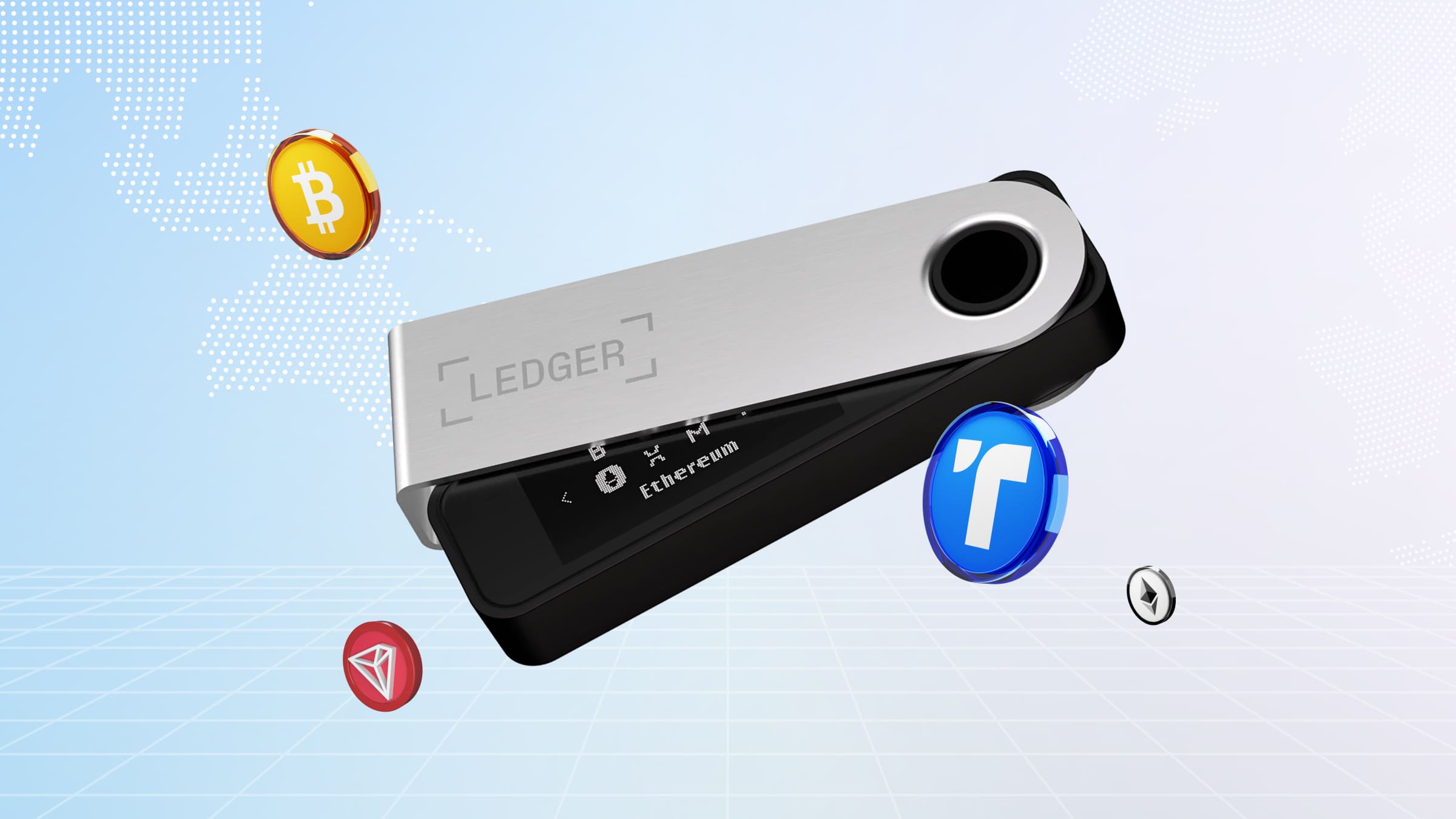
From a technical standpoint, this is achieved through secure communication channels where the external dApp sends a transaction request, the Ledger device parses the data, displays the human-readable details to the user, and signs it locally upon physical confirmation (the pressing of buttons). This workflow bridges the gap between high-velocity decentralized finance and high-security cold storage.
The Evolution of the Hardware: From Nano S to Stax
The evolution of Ledger’s product line reflects the broader trends in the technology industry: miniaturization, improved connectivity, and enhanced user interfaces. Each iteration of the hardware has introduced new technical capabilities to meet the demands of an increasingly complex digital asset market.
Connectivity and Portability
The original Ledger Nano S relied exclusively on a micro-USB connection, limiting its use to desktop environments. The introduction of the Nano X brought Bluetooth Low Energy (BLE) connectivity into the fold. This was a controversial move among security purists, but Ledger addressed these concerns with a robust tech implementation: the Bluetooth stack only handles public data (like transaction requests), while all sensitive private key operations remain strictly confined within the Secure Element.
The latest advancement, the Ledger Stax, introduces NFC (Near Field Communication) capabilities and a curved E-ink display. This move toward a “smartphone-like” experience reflects a shift in tech design philosophy, prioritizing accessibility and read-ability while maintaining the core hardware-level security that defined the brand’s early success.
Battery and Power Management
As devices moved from tethered to wireless, power management became a key engineering challenge. Ledger devices utilize low-power components to ensure that, despite their small form factor, they can remain operational for extended periods of standby. The use of E-ink in the Stax model is a particularly clever tech choice, as it requires zero power to maintain a static image (such as an NFT or a lock screen), only consuming energy when the screen refreshes.
The Cybersecurity Framework: Seed Phrases and Entropy
At the heart of “Ledger Crypto” is the recovery phrase, a 24-word string that serves as the master key to a user’s entire digital existence. The technology behind this is based on a standard known as BIP39 (Bitcoin Improvement Proposal 39).
Cryptographic Randomness
When a Ledger device is first initialized, it uses a hardware-based random number generator (TRNG) located within the Secure Element to create a 256-bit number. This number is the “seed.” The device then converts this high-entropy number into 24 human-readable words. This process is entirely offline.
The tech significance here is the level of entropy. A 24-word seed phrase has $2^{256}$ possible combinations, a number so vast that it is mathematically impossible for even the most powerful supercomputers currently in existence to “guess” or brute-force a phrase. Ledger’s role is to ensure that this generation process is truly random and remains entirely isolated from any digital eyes.
Physical Resilience and Tamper Resistance
Digital security is only as good as the physical security surrounding it. Ledger devices are designed to be “tamper-evident.” The firmware performs an attestation check every time the device powers on. This is a cryptographic handshake that verifies the hardware hasn’t been modified and that the software running on it is genuine Ledger-signed code. If the device detects any foul play or unauthorized modifications, it will fail the attestation check, alerting the user that the device’s integrity has been compromised.

Future Horizons: The Next Frontier of Cold Storage
As we look toward the future of Ledger and hardware security, several emerging technologies are poised to redefine how we interact with the blockchain. The integration of “Social Recovery” and “Ledger Recover” represents a shift toward solving the “lost key” problem—one of the biggest hurdles to mainstream tech adoption in the crypto space.
Ledger is also exploring the implementation of Multi-Party Computation (MPC) and deeper integration with layer-2 scaling solutions. From a technical perspective, the goal remains the same: to create an unbreakable link between the human user and their digital identity.
In conclusion, “What is Ledger Crypto?” is a question answered not just by a product, but by a philosophy of digital sovereignty powered by high-end engineering. It is the marriage of the Secure Element chip, the BOLOS operating system, and a “Don’t Trust, Verify” user interface. By moving the most sensitive parts of the digital asset lifecycle into a dedicated, offline hardware environment, Ledger has created a gold standard for security in an age where the digital and physical worlds are increasingly indistinguishable. As blockchain technology continues to permeate every facet of our digital lives, the role of specialized hardware in safeguarding our “digital keys to the kingdom” will only become more vital.
aViewFromTheCave is a participant in the Amazon Services LLC Associates Program, an affiliate advertising program designed to provide a means for sites to earn advertising fees by advertising and linking to Amazon.com. Amazon, the Amazon logo, AmazonSupply, and the AmazonSupply logo are trademarks of Amazon.com, Inc. or its affiliates. As an Amazon Associate we earn affiliate commissions from qualifying purchases.