
Leasing a property represents a fundamental financial arrangement in both personal and business contexts, allowing one party to use an asset owned by another in exchange for periodic payments. At its core, property leasing is a contractual agreement that grants the lessee (tenant) the right to occupy and utilize a specific property for a defined period, while the lessor (landlord) retains ownership and receives financial compensation. This model offers distinct financial advantages and considerations for both parties, fundamentally impacting cash flow, balance sheets, and long-term financial planning.
The Fundamental Concept of Property Leasing
The essence of property leasing lies in the separation of ownership from usage rights. Instead of purchasing an asset outright, which requires significant upfront capital and entails the responsibilities of ownership, leasing provides access to the asset’s utility through a series of payments. This distinction is crucial for understanding its financial implications across various scenarios.
Defining the Lessor and Lessee
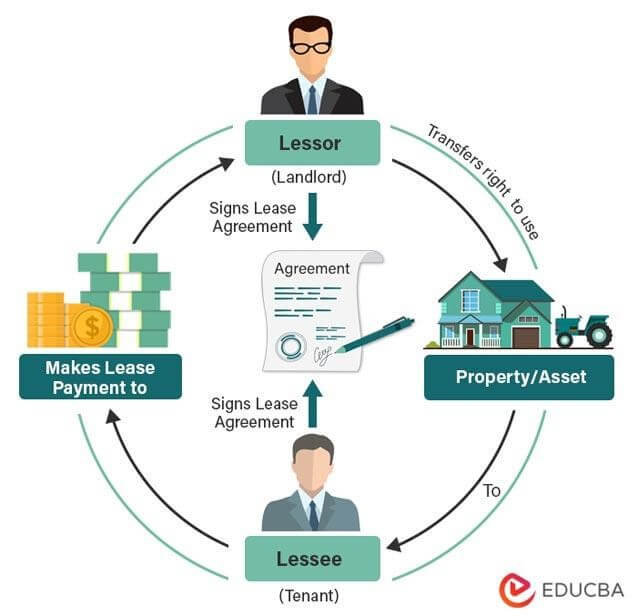
In any lease agreement, two primary parties are involved:
- The Lessor (Landlord): This is the individual or entity that owns the property and grants the right of use to another. From a financial perspective, the lessor is primarily interested in generating a consistent income stream, preserving the asset’s value, and potentially benefiting from asset appreciation over time. They are responsible for managing the property and ensuring compliance with lease terms.
- The Lessee (Tenant): This is the individual or entity that obtains the right to use the property. For the lessee, the financial motivation often centers on preserving capital, achieving predictable operational costs, and maintaining flexibility. They commit to making periodic payments and adhering to the terms set forth in the lease agreement.
Core Financial Exchange: Rent and Rights
The primary financial exchange in a lease agreement is the payment of “rent” by the lessee to the lessor. This rent is typically a recurring payment—monthly, quarterly, or annually—stipulated in the lease contract. In return for these payments, the lessee receives the right to exclusive possession and use of the property for the duration of the lease term, often subject to specific conditions regarding maintenance, use, and modifications. The financial structure of rent can vary significantly, from fixed amounts to those incorporating escalations or even a percentage of the lessee’s revenues.
Key Differentiator: Ownership vs. Usage Rights
The pivotal financial distinction between leasing and purchasing a property is the allocation of ownership. When a property is leased, the lessor retains all rights of ownership, including the right to sell, mortgage, or dispose of the property, subject to the existing lease agreement. The lessee, conversely, acquires only the right to use the property. This has profound financial implications:
- Capital Outlay: Leasing generally requires significantly less upfront capital than purchasing, making it an attractive option for businesses and individuals seeking to conserve cash flow.
- Balance Sheet Impact: Depending on accounting standards (e.g., IFRS 16 or ASC 842), leases can be classified as either operating leases (off-balance sheet) or finance/capital leases (on-balance sheet), affecting a company’s financial ratios and debt-to-equity measurements.
- Asset Risk: The financial risks associated with property depreciation, market value fluctuations, and major structural repairs generally rest with the owner (lessor), although specific lease clauses can shift some of these responsibilities.
Diverse Forms and Financial Structures of Property Leases
Lease agreements are highly customizable and vary significantly based on the type of property, the parties involved, and the specific financial objectives. Understanding these variations is crucial for navigating the financial landscape of property leasing.
Residential Leases: Personal Finance Implications
Residential leases are the most common form, typically involving a landlord and an individual tenant for housing purposes. Financially, they are characterized by:
- Fixed Monthly Payments: Rent is usually a set amount, providing predictable housing expenses for the tenant.
- Security Deposits: An upfront sum paid by the tenant, held by the landlord as security against damages or unpaid rent, offering financial protection to the lessor.
- Limited Tenant Responsibility: Beyond rent and minor repairs, major maintenance and property taxes are typically the landlord’s financial responsibility.
- Shorter Terms: Often 6-12 months, offering flexibility for tenants but requiring more frequent re-evaluation of market rates for landlords.
Commercial Leases: Business Finance and Operational Costs
Commercial leases pertain to properties used for business activities, such as offices, retail spaces, or industrial warehouses. These leases are often more complex, with intricate financial terms directly impacting a business’s operational budget and long-term financial health.
Gross Leases: Simplicity in Expense Management
In a gross lease, the tenant pays a single, all-inclusive rent amount. The landlord is responsible for all operating expenses, including property taxes, insurance, and maintenance costs (often referred to as CAM – Common Area Maintenance).
- Financial Benefit for Lessee: Predictable monthly expenses, simplifying budgeting.
- Financial Risk for Lessor: Assumes the financial risk of fluctuating operating costs.
Net Leases (Single, Double, Triple): Shifting Financial Responsibility
Net leases shift a portion or all of the property’s operating expenses from the landlord to the tenant, in addition to the base rent.
- Single Net (N) Lease: Tenant pays base rent plus property taxes.
- Double Net (NN) Lease: Tenant pays base rent, property taxes, and property insurance.
- Triple Net (NNN) Lease: Tenant pays base rent, property taxes, property insurance, and all common area maintenance (CAM) costs. This is common in retail and industrial sectors.
- Financial Benefit for Lessee: Typically lower base rent and greater control over maintenance.
- Financial Risk for Lessee: Assumes the variable financial burden of property-related expenses, requiring careful budgeting and due diligence.
- Financial Benefit for Lessor: Predictable, “passive” income with reduced financial exposure to rising operational costs.
Percentage Leases: Revenue-Based Rent Structures
Common in retail, a percentage lease involves a base rent plus an additional percentage of the tenant’s gross sales above a certain threshold.
- Financial Benefit for Lessor: Participates in the tenant’s financial success, offering potential for higher income.
- Financial Benefit for Lessee: Lower base rent during slower periods, aligning landlord’s interest with tenant’s performance.
Ground Leases: Long-Term Asset Control and Development
A ground lease involves leasing only the land itself, often for very long terms (e.g., 50-99 years). The lessee then constructs and owns the improvements (buildings) on the leased land.
- Financial Benefit for Lessee: Avoids the significant upfront capital cost of purchasing land, allowing them to invest more in development.
- Financial Benefit for Lessor: Retains ownership of the underlying land, benefiting from long-term appreciation and a consistent income stream without construction risk.
Financial Advantages for Lessees: Strategic Capital Deployment
For businesses and individuals, leasing offers several compelling financial benefits that influence capital structure, liquidity, and operational efficiency.
Preserving Capital and Enhancing Liquidity
Leasing allows lessees to avoid the substantial down payment and ongoing mortgage payments associated with property ownership. This frees up capital that can be allocated to core business operations, investments, or maintaining a healthier cash reserve, directly impacting a company’s liquidity and growth potential. For individuals, it means fewer barriers to entry for housing or business locations.
Predictable Expense Management and Budgeting
Many leases, particularly gross leases or those with clear escalation clauses, provide a highly predictable monthly expenditure. This stability simplifies financial forecasting and budgeting, allowing businesses to plan operating expenses with greater certainty, rather than facing the variable costs and unexpected liabilities that can come with ownership (e.g., major repairs, property tax increases).
Flexibility and Adaptability to Market Changes
Lease terms are finite. At the end of a lease, a lessee has the option to renew, relocate, or adjust their space requirements without the complexities and financial burdens of selling a property. This flexibility is invaluable in dynamic markets or for businesses undergoing rapid growth or contraction, allowing them to optimize their real estate footprint and associated costs.
Off-Balance Sheet Financing Considerations (Operating Leases)
Under certain accounting standards and lease classifications (prior to recent changes like IFRS 16/ASC 842 for certain leases), operating leases did not appear on a company’s balance sheet as an asset or liability. This could improve key financial ratios such as debt-to-equity, making a company appear financially stronger to investors and lenders. While these rules have evolved, the underlying principle of managing capital deployment remains a key driver for leasing.
Financial Benefits for Lessors: Maximizing Asset Utilization and Return
Property owners, or lessors, also derive significant financial advantages from leasing their assets, contributing to wealth generation and portfolio management.
Consistent Income Stream Generation
The most direct financial benefit for a lessor is the generation of a stable, recurring rental income. This cash flow can be used to cover mortgage payments, property expenses, or contribute to overall investment returns. For investors, leased properties are a key component of income-generating portfolios.
Asset Appreciation and Portfolio Diversification
While generating income, lessors retain ownership of the property, which can appreciate in value over time. This dual benefit of cash flow and capital appreciation makes real estate an attractive investment. Leasing also allows investors to diversify their portfolios beyond stocks and bonds, mitigating overall investment risk.
Tax Advantages and Depreciation Write-offs
Property owners often benefit from various tax deductions related to their leased properties, including property taxes, mortgage interest, insurance, and maintenance expenses. Critically, lessors can typically deduct depreciation on the property, which is a non-cash expense that reduces taxable income, thereby improving after-tax returns.
Risk Mitigation and Property Management
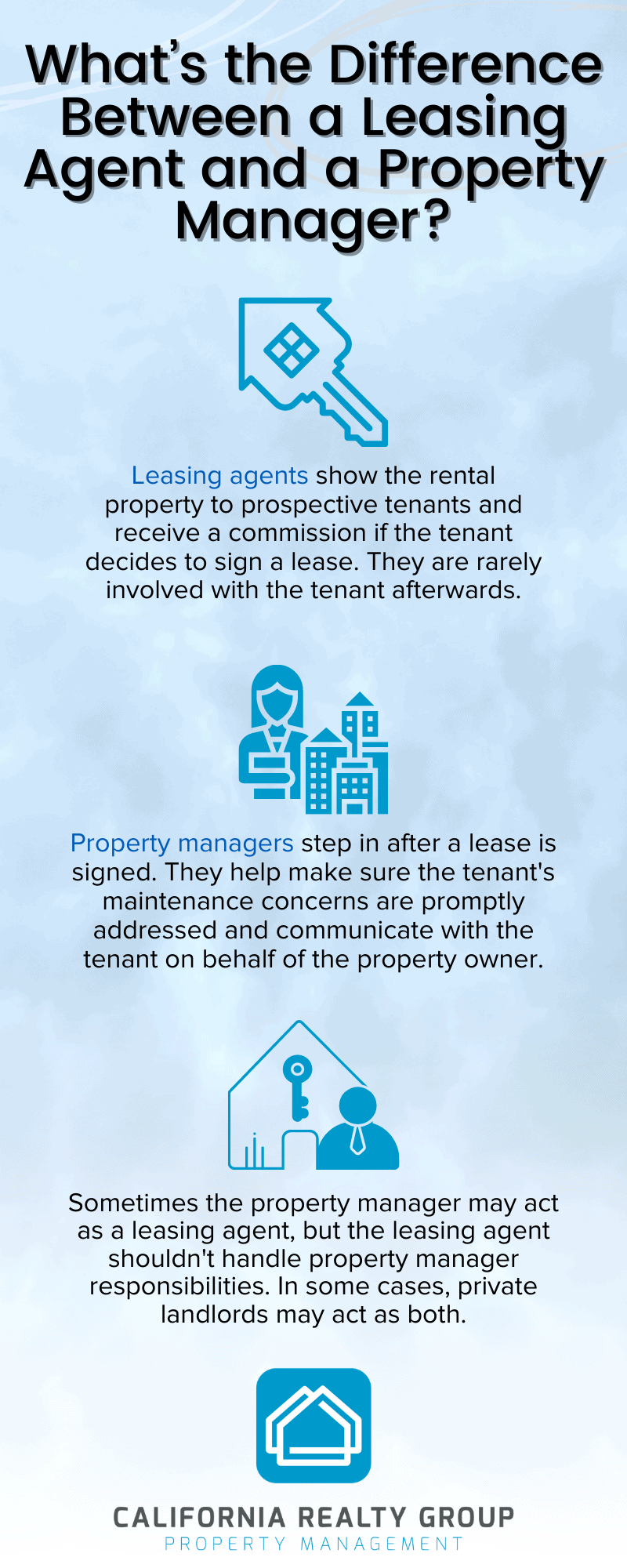
While lessors bear some ownership risks, the income from leases helps mitigate financial exposure. Furthermore, professional property management, often outsourced, handles day-to-day operations, tenant relations, and maintenance, allowing lessors to realize financial returns with less direct involvement, especially for large portfolios.
Key Financial Terms and Considerations in Lease Agreements
Understanding the specific financial clauses within a lease agreement is paramount for both parties to accurately assess their obligations and expected financial outcomes.
Rent Structure and Escalation Clauses
The financial core of the lease, rent can be fixed, stepped (increasing by a set amount at intervals), or subject to escalation clauses tied to inflation (e.g., CPI – Consumer Price Index) or market rates. These clauses critically impact the long-term financial projections for both lessee’s expenses and lessor’s income.
Security Deposits and Financial Safeguards
A security deposit is a sum of money paid by the lessee and held by the lessor as a financial safeguard against property damage beyond normal wear and tear, or failure to pay rent. The conditions for its return, often mandated by law, are a critical financial detail to understand.
Lease Term and Renewal Options: Long-Term Financial Planning
The duration of the lease (the term) has significant financial implications. Longer terms offer greater stability and predictability for both parties but reduce flexibility. Renewal options, including conditions for new rent negotiations, are crucial for long-term financial planning and continuity.
Operating Expenses, CAM, and Pass-Throughs
For commercial leases, a detailed understanding of who pays for property taxes, insurance, utilities, and common area maintenance (CAM) is vital. “Pass-through” clauses dictate how these costs are transferred from the lessor to the lessee, directly affecting the lessee’s total occupancy cost and the lessor’s net income.
Leasehold Improvements and Capital Expenditures
Leasehold improvements are modifications made to a leased space by the lessee. The financial implications include who pays for these improvements, whether they are depreciable by the lessee, and whether they must be removed or remain upon lease termination. This directly impacts the capital expenditure budget for the lessee.
Default and Termination Clauses: Mitigating Financial Risk
These clauses outline the financial penalties and remedies if either party fails to meet their obligations. For the lessee, this could mean eviction and financial liabilities for unpaid rent. For the lessor, it defines the process for recovering costs and re-leasing the property. Understanding these clauses is crucial for assessing financial risk and legal recourse.
In conclusion, property leasing is a sophisticated financial mechanism offering distinct advantages and responsibilities for both lessors and lessees. Its careful consideration, grounded in a thorough understanding of financial terms and structures, is essential for strategic decision-making in personal finance, investing, and business operations.
aViewFromTheCave is a participant in the Amazon Services LLC Associates Program, an affiliate advertising program designed to provide a means for sites to earn advertising fees by advertising and linking to Amazon.com. Amazon, the Amazon logo, AmazonSupply, and the AmazonSupply logo are trademarks of Amazon.com, Inc. or its affiliates. As an Amazon Associate we earn affiliate commissions from qualifying purchases.