
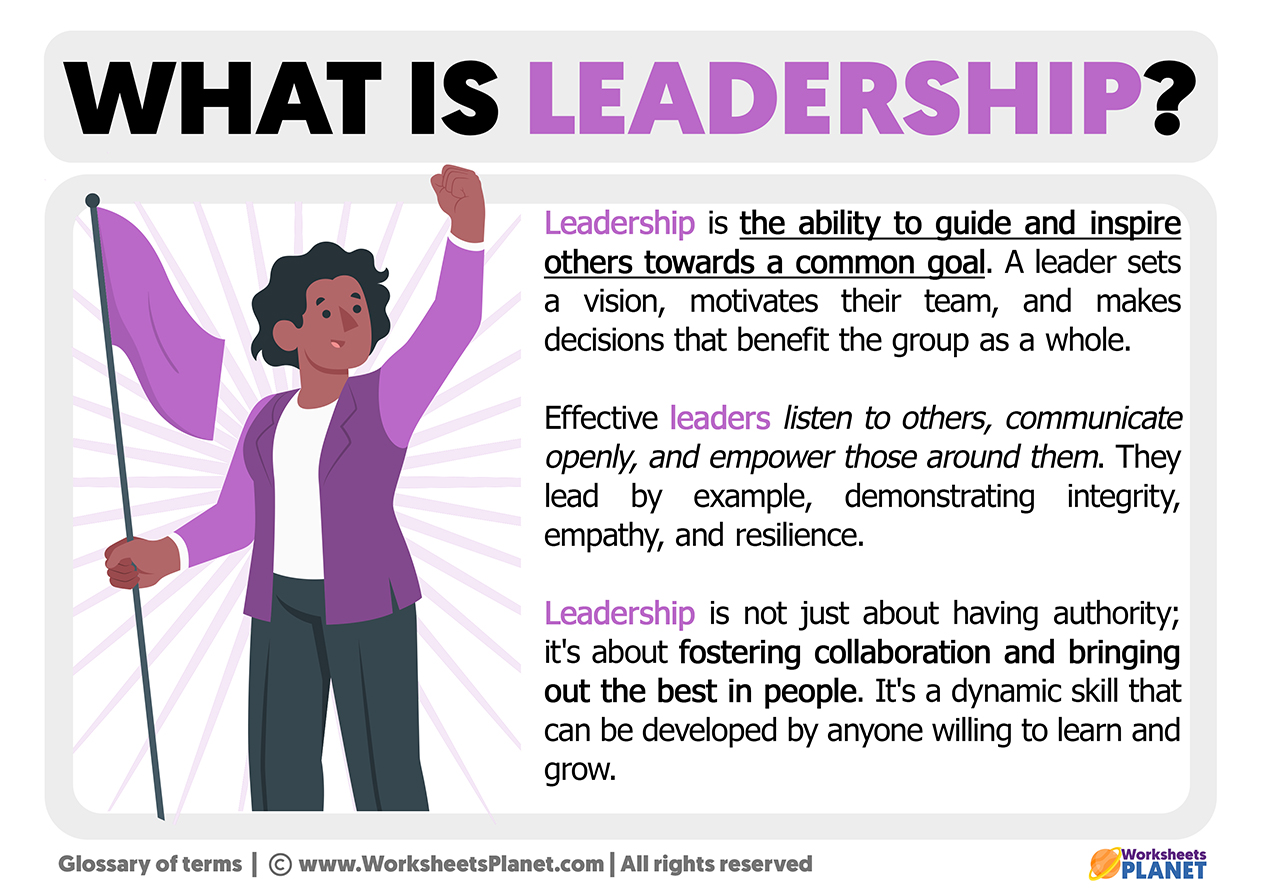
In the contemporary business landscape, the definition of leadership has shifted from the traditional command-and-control hierarchy toward a more nuanced, influence-based model. When we ask, “What is leadership about?” within the context of brand strategy, the answer is clear: leadership is the stewardship of identity. It is the process of defining, protecting, and projecting a set of values that resonate with both internal teams and external audiences.
Leadership is the engine of a brand. Without a visionary leader, a brand is merely a collection of products and logos; with leadership, a brand becomes a movement, a promise, and a cornerstone of market authority. This article explores how leadership defines the modern brand, the role of personal branding in building professional influence, and why strategic narrative is the ultimate tool for market leadership.
Leadership as the Soul of Brand Identity
At its core, branding is an exercise in leadership. It involves making difficult choices about what a company stands for and, perhaps more importantly, what it does not. To lead a brand is to provide a “North Star” that guides every decision, from product development to customer service.
The Intersection of Vision and Values
Leadership is about articulating a vision that transcends the transactional. A brand that leads doesn’t just sell a product; it sells a perspective on the world. For example, leadership at a brand like Patagonia is about environmental stewardship as much as it is about outdoor gear. This alignment of vision and values is what separates a market leader from a commodity provider. When a leader clearly defines the brand’s values, they create a blueprint for the organization’s culture and its market position.
Moving Beyond Logos: The Human Element
Many mistake branding for visual design—colors, fonts, and logos. However, leadership recognizes that these are merely the garments of the brand. The soul of the brand is the human element. Leadership is about personifying the brand’s promise. When customers see a leader who embodies the brand’s ethos, trust is built far more effectively than through a traditional advertising campaign. In this sense, leadership is about the consistency between what a brand says and how its representatives act.
Personal Branding as a Leadership Catalyst
In the digital age, the line between corporate identity and personal identity has blurred. Leaders are no longer invisible figures in corner offices; they are the primary faces of their brands. This makes personal branding an essential component of leadership.
The Authority Factor: Establishing Thought Leadership
What is leadership about if not the establishment of authority? Thought leadership is the strategic process of positioning oneself as an expert and a go-to resource within a specific niche. By consistently sharing insights, white papers, and innovative perspectives, a leader builds “brand equity” for themselves and their organization. This authority allows the leader to influence industry trends rather than simply reacting to them. In the world of branding, being a thought leader means you no longer have to compete on price because you are competing on the value of your ideas.
Building Trust through Authentic Storytelling
Human beings are wired for stories, not statistics. Effective leadership uses the power of narrative to build a bridge between the leader and the audience. A personal brand built on authentic storytelling—sharing both successes and failures—creates a sense of vulnerability that, paradoxically, strengthens leadership. Authenticity is the currency of modern branding. When a leader shares their journey, they humanize the brand, making it more relatable and trustworthy in an era where consumers are increasingly skeptical of corporate jargon.

Strategic Branding: Leading the Market Conversation
Market leadership is rarely about having the largest advertising budget; it is about who owns the most compelling narrative. Leadership in branding is about the courage to differentiate and the discipline to remain consistent.
Differentiation as a Leadership Strategy
One of the primary responsibilities of a brand leader is to define the “Unique Selling Proposition” (USP). Leadership is about identifying the “white space” in the market—the needs that aren’t being met and the stories that aren’t being told. To lead is to be different. Brands that try to appeal to everyone usually end up appealing to no one. Leadership requires the conviction to narrow the brand’s focus, targeting a specific audience with such precision that the brand becomes the undisputed leader of that segment.
Navigating Brand Evolution and Cultural Shifts
The market is not static, and neither is branding. Leadership is about knowing when to pivot and when to stay the course. As cultural values shift, a brand leader must be sensitive to the zeitgeist. This does not mean chasing every trend, but rather evolving the brand’s expression to remain relevant while keeping its core identity intact. This balance—between heritage and innovation—is the hallmark of visionary brand leadership. It involves reading the room of global discourse and ensuring the brand remains a leader in the conversation.
The Internal Brand: Leading from Within
A brand is only as strong as the people who deliver its promise. Therefore, leadership is as much about internal branding as it is about external marketing. If the employees do not believe in the brand, the customers never will.
Cultivating Brand Ambassadorship among Teams
Internal leadership is about turning employees into brand ambassadors. This is achieved when leadership communicates the brand’s mission so effectively that every team member feels a sense of ownership over it. When a team understands “the why” behind the brand, they perform with a level of passion that cannot be replicated by a manual or a script. Leadership is about inspiring this collective belief, ensuring that every touchpoint a customer has with the company is an authentic reflection of the brand’s identity.
Aligning Organizational Culture with External Image
A common failure in leadership occurs when there is a disconnect between the “external brand” (what the world sees) and the “internal culture” (how the company actually operates). What is leadership about in this context? It is about closing that gap. A leader must ensure that the brand’s promise is reflected in the company’s HR policies, its communication style, and its decision-making processes. Radical transparency and alignment are the tools of a brand leader who understands that an authentic culture is the most sustainable competitive advantage a brand can have.
Conclusion: The Future of Brand Leadership
As we look toward the future of business, the role of leadership in branding will only become more critical. In a world of infinite choice and digital noise, brands that lead with clarity, purpose, and a strong sense of identity will be the ones that survive and thrive.
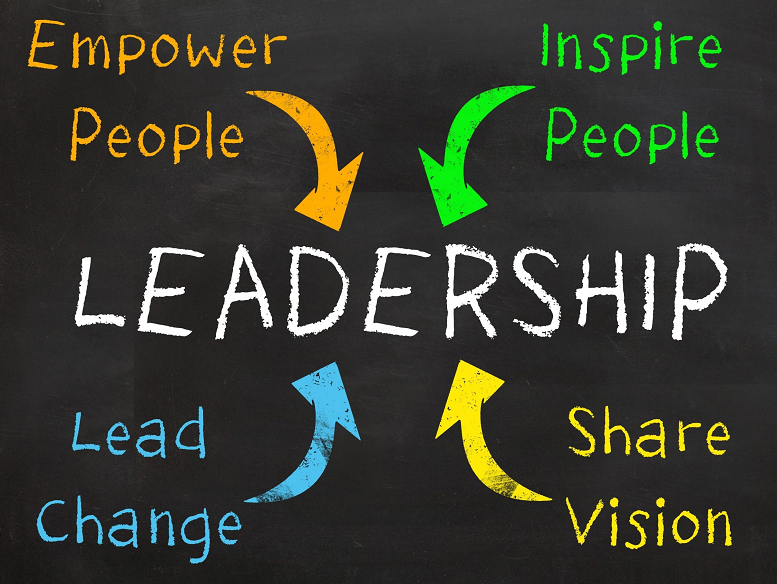
Leadership is not a title; it is the act of defining the narrative and setting the standard. It is about the courage to stand for something, the wisdom to communicate it effectively, and the integrity to live it out every day. Whether you are building a personal brand or steering a global corporation, remember that leadership is ultimately about influence. By mastering the art of branding, you aren’t just selling a product—you are leading a community, shaping an industry, and defining what the future looks like.
To lead a brand is to hold a mirror up to the organization and ask: Who are we, why do we matter, and where are we going? The leaders who can answer those questions with conviction are the ones who will define the brands of tomorrow.
aViewFromTheCave is a participant in the Amazon Services LLC Associates Program, an affiliate advertising program designed to provide a means for sites to earn advertising fees by advertising and linking to Amazon.com. Amazon, the Amazon logo, AmazonSupply, and the AmazonSupply logo are trademarks of Amazon.com, Inc. or its affiliates. As an Amazon Associate we earn affiliate commissions from qualifying purchases.