
In today’s digitally-driven world, where technology offers us instant answers to a myriad of questions, it’s no surprise that our health and financial well-being are also becoming increasingly accessible through online tools. While you might typically associate “calculators” with crunching numbers for investments or budgeting, the realm of personal health also benefits greatly from these innovative applications. One such crucial tool, often found nestled within the vast landscape of health and wellness resources, is the LDL Cholesterol Calculator.
But what exactly is an LDL Cholesterol Calculator, and why should it matter to you? This article will delve into the essence of this tool, exploring its purpose, how it functions, and its significant implications for your overall health. We’ll also touch upon how such a seemingly health-focused tool can resonate with the broader themes of technology, branding, and even money, demonstrating the interconnectedness of our modern lives.
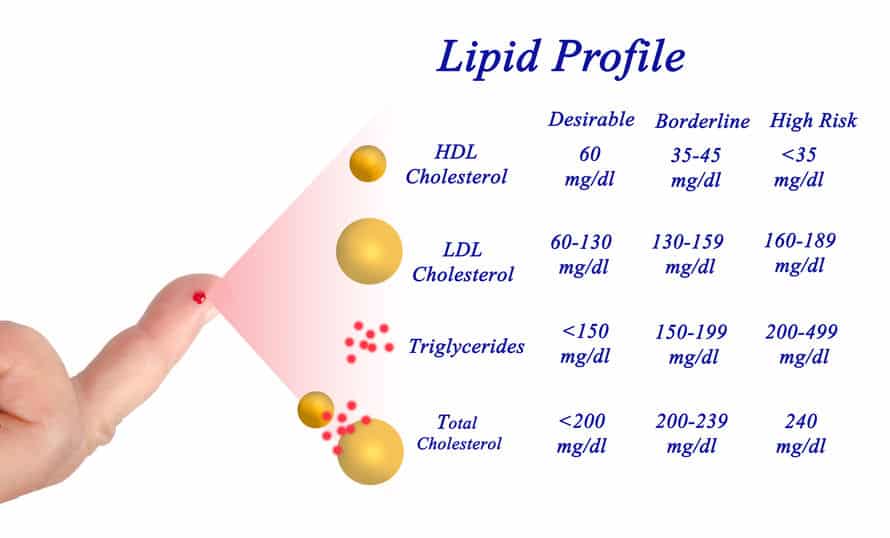
Understanding LDL Cholesterol: The “Bad” Player in Your Blood
Before we dissect the calculator itself, it’s vital to understand the subject it calculates: LDL cholesterol. Cholesterol is a waxy, fat-like substance that your body needs to build healthy cells. However, not all cholesterol is created equal. It travels in your bloodstream in tiny packages called lipoproteins.
There are two primary types of lipoproteins that carry cholesterol:
-
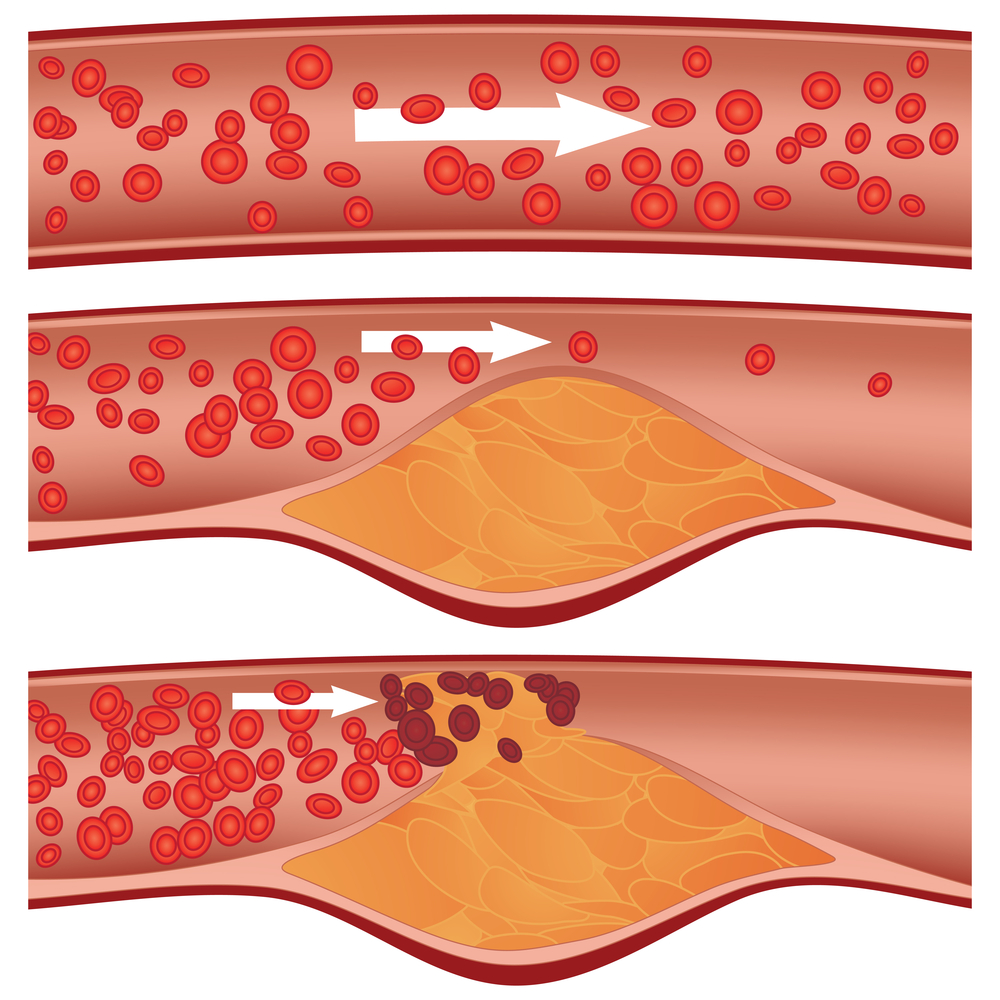
Low-Density Lipoprotein (LDL) Cholesterol: Often referred to as “bad” cholesterol, LDL cholesterol can build up in the walls of your arteries, forming plaque. This plaque narrows the arteries, making it harder for blood to flow through. Over time, this can increase your risk of heart attack, stroke, and other cardiovascular diseases. Think of LDL as the delivery trucks that, if carrying too much cargo, can cause traffic jams in your circulatory system.
-
High-Density Lipoprotein (HDL) Cholesterol: This is considered “good” cholesterol. HDL cholesterol acts like a scavenger, picking up excess cholesterol from your arteries and transporting it back to your liver, where it can be eliminated from your body. It essentially helps to clear out the traffic jams.
The balance between LDL and HDL cholesterol, along with other factors, is crucial for maintaining a healthy cardiovascular system. Elevated LDL levels are a significant risk factor for heart disease, which remains a leading cause of death globally.
The Role of the LDL Cholesterol Calculator: Prediction and Prevention
This is where the LDL Cholesterol Calculator steps into the spotlight. At its core, an LDL Cholesterol Calculator is an online tool or algorithm designed to estimate your risk of developing cardiovascular disease over a specific period, typically 10 years. It does this by taking into account various risk factors that are known to influence your LDL cholesterol levels and, consequently, your heart health.
These calculators are not simply a way to get a precise LDL number (though some might incorporate direct LDL readings). Instead, they focus on a broader picture of your cardiovascular risk. They leverage established scientific formulas and data derived from large-scale studies to provide a personalized risk assessment.
Key Inputs for an LDL Cholesterol Calculator
To provide an accurate estimation, most LDL cholesterol calculators will prompt you for specific information. These inputs generally include:
- Age: As we age, our risk for cardiovascular disease naturally increases.
- Sex: Men generally have a higher risk of heart disease at younger ages than women.
- Race/Ethnicity: Certain racial and ethnic groups have a higher predisposition to cardiovascular conditions.
- Total Cholesterol Level: This is a fundamental blood test measurement.
- HDL Cholesterol Level: The “good” cholesterol component is vital for the calculation.
- Systolic Blood Pressure: This is the top number in a blood pressure reading and indicates the pressure in your arteries when your heart beats.
- Diastolic Blood Pressure: The bottom number indicates the pressure in your arteries when your heart rests between beats.
- Whether you are being treated for High Blood Pressure: If you’re on medication for hypertension, it signifies an existing risk factor.
- Whether you have Diabetes: Diabetes significantly increases the risk of cardiovascular disease.
- Smoking Status: Smoking is a major, modifiable risk factor for heart disease.
Some advanced calculators might also consider other factors such as family history of heart disease, body mass index (BMI), or even genetic predispositions.
The Output: A Risk Score and What It Means
The output of an LDL Cholesterol Calculator is typically presented as a percentage, representing your estimated risk of experiencing a cardiovascular event (like a heart attack or stroke) within the next 10 years. For instance, a calculator might tell you that you have a “15% risk” or a “low risk” (often defined as less than 7.5%).
It’s crucial to understand that this is an estimation, not a definitive diagnosis. However, these estimations are powerful tools for:
- Awareness: They bring your potential cardiovascular risk to the forefront, prompting you to take proactive steps.
- Motivation: Seeing a quantifiable risk can be a strong motivator to adopt healthier lifestyle choices.
- Informed Discussions with Healthcare Providers: The results can serve as a starting point for conversations with your doctor about your specific health needs and potential interventions.
Beyond the Numbers: The Tech Behind the Calculation
The existence and widespread accessibility of LDL Cholesterol Calculators are a testament to the power of Tech. These tools are built upon sophisticated algorithms and statistical models that have been developed and refined by medical researchers.
The Algorithmic Engine
Behind the user-friendly interface of an online calculator lies a complex mathematical engine. This engine applies established risk prediction equations, such as the Framingham Risk Score or the Pooled Cohort Equations. These equations were developed by analyzing decades of health data from large populations, identifying the correlations between various risk factors and cardiovascular outcomes.
The process involves:

- Data Input: The user provides their health data.
- Factor Weighting: The algorithm assigns a specific weight or importance to each input factor based on scientific evidence. For example, age and smoking status often carry significant weight.
- Equation Application: The weighted factors are plugged into the relevant risk prediction equation.
- Risk Score Generation: The equation outputs a numerical risk score, which is then often categorized (e.g., low, borderline, intermediate, high risk).
The Digital Interface and Accessibility
The “calculator” aspect is a perfect example of how technology simplifies complex data analysis for the average user. Instead of needing to manually perform intricate calculations or consult with a medical professional for a preliminary risk assessment, individuals can access these tools instantly through their smartphones, tablets, or computers.
This Digital Security aspect is also important. Reputable health organizations and medical institutions provide these calculators, ensuring a degree of reliability and privacy. However, users should always be mindful of the source of any online health tool and ensure they are using a trusted platform. The ease of access also contributes to Productivity in a healthcare context, empowering individuals to take charge of their health management more efficiently.
The Branding and Marketing of Health Tools
The development and dissemination of LDL Cholesterol Calculators also touch upon the principles of Brand strategy and marketing. While a health calculator might not be selling a physical product, the organization offering it is essentially “branding” itself as a trusted source of health information and tools.
Building Trust and Authority
Medical institutions, public health organizations, and reputable health websites often host these calculators. By providing valuable, evidence-based tools, they build Reputation and foster trust with their audience. A well-designed and accurate calculator can be a key component of their Personal Branding (for individual doctors or researchers) or Corporate Identity (for larger health organizations).
Marketing Through Value
Offering a free, accessible, and useful tool like an LDL Cholesterol Calculator is an effective marketing strategy. It attracts users who are interested in their health, potentially leading them to explore other resources provided by the organization, such as articles, services, or even product recommendations (e.g., healthy food options, fitness equipment). This demonstrates how Marketing can be driven by providing genuine value rather than just direct sales pitches.
Case Studies in Health Tech Adoption
The widespread adoption of health tracking apps and online calculators, including those for LDL cholesterol, can be viewed as successful Case Studies in how technology can influence health behaviors. The intuitive nature of these tools, coupled with their ability to offer personalized insights, makes them compelling for consumers looking to understand and manage their well-being.
The “Money” Aspect: Financial Implications of Heart Health
While an LDL Cholesterol Calculator directly addresses health, its implications extend significantly into the realm of Money.
Preventing Costly Healthcare
Cardiovascular diseases are among the most expensive illnesses to treat. Heart attacks, strokes, and the ongoing management of heart conditions involve significant medical bills, including hospital stays, surgeries, medications, and long-term care. By using an LDL Cholesterol Calculator and taking proactive steps to manage your risk, you can potentially:
- Reduce Future Medical Expenses: Preventing a cardiovascular event is far less costly than treating one.
- Maintain Income Earning Potential: A serious health issue can lead to time off work, reduced productivity, or even the inability to work, impacting your Personal Finance and Online Income opportunities.
- Lower Insurance Premiums: In some cases, demonstrating proactive health management might indirectly influence insurance costs over the long term.
Investing in Your Health as an Investment
Viewing the effort you put into managing your LDL cholesterol – through diet, exercise, and medical consultations – as an Investing strategy in your future self can be a powerful mindset shift. It’s an investment with a potentially huge return: a longer, healthier, and more fulfilling life, free from the debilitating effects and financial burdens of cardiovascular disease.
Financial Tools for Health Management
While not directly part of the calculator itself, the information gained can inform the use of other Financial Tools. For example, if your risk assessment highlights a need for lifestyle changes, you might budget for healthier food options, gym memberships, or even consult with a nutritionist. Understanding your health risks can also influence decisions about Business Finance, especially for entrepreneurs who are critical to their company’s success.
Taking Action: Beyond the Calculation
An LDL Cholesterol Calculator is a powerful starting point, but it’s not the end of the journey. The real value lies in the actions you take based on the information it provides.
- Consult Your Doctor: Always discuss the results of any online calculator with your healthcare provider. They can provide a professional diagnosis, interpret the results in the context of your complete medical history, and recommend appropriate next steps.
- Lifestyle Modifications: If your risk is elevated, your doctor may recommend changes to your diet, increased physical activity, weight management, or smoking cessation.
- Medication: In some cases, medication might be necessary to manage cholesterol levels and reduce cardiovascular risk.
- Regular Monitoring: Continue to have your cholesterol levels checked regularly as recommended by your doctor.
In conclusion, the “What is LDL Chol Calc” is more than just a simple online tool. It’s a fusion of cutting-edge technology, strategic health communication, and a vital reminder of the profound connection between our health and financial well-being. By understanding and utilizing these calculators, we empower ourselves to make informed decisions, proactively manage our health risks, and ultimately strive for a healthier, more secure future.
aViewFromTheCave is a participant in the Amazon Services LLC Associates Program, an affiliate advertising program designed to provide a means for sites to earn advertising fees by advertising and linking to Amazon.com. Amazon, the Amazon logo, AmazonSupply, and the AmazonSupply logo are trademarks of Amazon.com, Inc. or its affiliates. As an Amazon Associate we earn affiliate commissions from qualifying purchases.