
The Core of Lauan: Defining its Characteristics for Branding & Design
Lauan plywood, often encountered in product manufacturing and interior design, represents a category of engineered wood renowned for its versatility and cost-effectiveness. Understanding its fundamental characteristics is paramount for brands making strategic material choices that impact product quality, design aesthetics, and ultimately, market positioning.
Botanical Roots and Market Presence
The term “lauan” broadly refers to tropical hardwood species, predominantly from the Shorea genus, indigenous to Southeast Asia. Common varieties include Red Lauan, White Lauan, and Meranti. These trees are characterized by their rapid growth, making them an historically abundant and economically viable timber source. For global brands, the origins of lauan directly influence supply chain considerations, affecting lead times, shipping costs, and the stability of material availability. Sourcing decisions, therefore, become a critical aspect of maintaining brand consistency and meeting production schedules, particularly for brands operating at scale. The widespread availability of lauan has made it a go-to material for manufacturers seeking a reliable, high-volume source for their product lines.

Composition and Structural Qualities
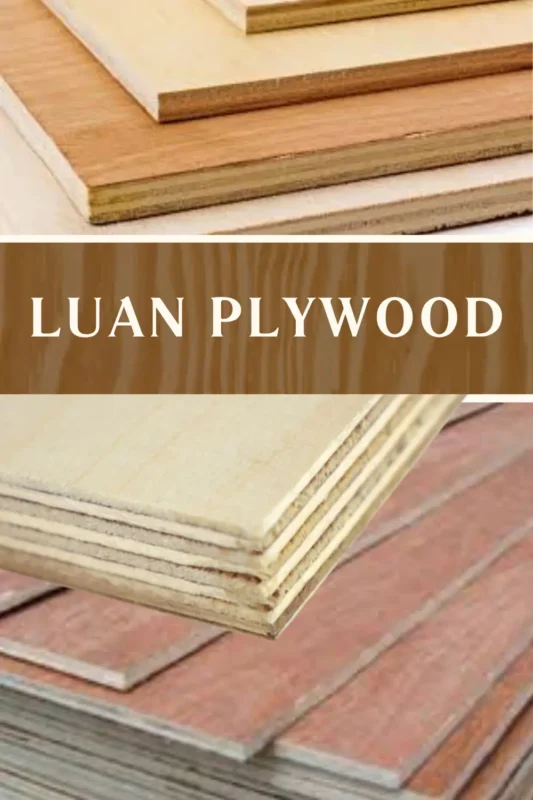
Lauan plywood is manufactured by laminating multiple thin veneers of lauan wood with adhesive, typically arranged with alternating grain directions for enhanced stability and strength. This cross-graining minimizes expansion and contraction, making it more dimensionally stable than solid wood. Its composition usually involves a thin face veneer, a core of several plies, and a back veneer. A defining feature of lauan plywood is its relatively thin profile, often ranging from 2.7mm (1/8 inch) to 6.5mm (1/4 inch), and its lightweight nature. These attributes offer significant advantages for design applications where weight is a critical factor, such as portable furniture or interior elements in transportation industries. From a design perspective, its smooth surface provides an excellent substrate, readily accepting various finishes or overlays, which allows brands to achieve specific aesthetic targets without significant surface preparation. This workability directly translates to cost-effective manufacturing, a key consideration for brands balancing quality with competitive pricing.
Aesthetic Attributes and Visual Identity
The natural aesthetic of lauan plywood typically presents a light reddish-brown to pale yellow hue, with a grain pattern that can range from indistinct to moderately pronounced, often exhibiting a ribbon-like figure. While its natural appearance can be utilized for a rustic or understated design, its primary appeal for many brands lies in its neutrality and consistency as a base material. Lauan’s consistent coloration and relatively smooth texture make it an ideal canvas for various finishing treatments. For brands aiming for a specific visual identity, lauan can be stained to mimic more expensive woods, painted in brand-specific colors, or overlaid with decorative veneers or laminates. This versatility in achieving diverse brand expressions through finishing techniques is a significant advantage, allowing companies to maintain a cohesive visual identity across a range of products despite using a foundational, cost-effective material.
Strategic Applications in Product and Interior Design: A Brand Perspective
The inherent properties of lauan plywood make it a strategic choice for designers and manufacturers across numerous industries. Its application is not merely functional; it often underpins a brand’s ability to deliver on specific promises related to aesthetics, portability, and value.
Foundation for Finished Products
Lauan plywood’s primary role often revolves around being the underlying structure or substrate for a wide array of finished products. It is extensively used in furniture manufacturing for drawer bottoms, cabinet backs, and concealed structural elements. In interior design, it serves as an economical and stable material for wall paneling, door skins, and underlayment for flooring. For brands, this translates to the ability to construct robust, dimensionally stable products efficiently. By using lauan as an internal component, brands can manage material costs effectively while focusing investment on visible, premium finishes or veneers that directly contribute to the product’s perceived value and brand aesthetic. This strategy allows for competitive pricing without compromising the ultimate visual and tactile experience of the final product.
Lightweight Construction and Portability
A distinct advantage of lauan plywood is its lightweight nature relative to its strength and stability. This makes it an invaluable material in applications where weight is a critical design constraint or a key brand differentiator. Industries such as recreational vehicle (RV) manufacturing, marine interiors, and aircraft interiors frequently utilize lauan for cabinetry, partitions, and lightweight panels. Similarly, brands producing exhibition displays, portable trade show booths, or modular furniture often leverage lauan to create products that are easy to transport, assemble, and reconfigure. For these brands, the use of lauan directly supports a brand promise of convenience, mobility, or efficiency, enhancing the user experience and expanding the potential market for their products.
Versatility for Diverse Brand Expressions
The workability of lauan plywood is a significant asset for designers. It can be easily cut, routed, drilled, and shaped using standard woodworking tools, allowing for complex designs and custom fabrications. This adaptability empowers brands to develop diverse product lines that maintain a consistent material foundation while catering to varying aesthetic demands and functional requirements. Whether creating intricate patterns for decorative panels or precise components for assembly, lauan’s ease of manipulation supports creative freedom. This versatility not only streamlines the manufacturing process but also enables brands to explore a broader spectrum of design possibilities, fostering innovation and allowing for quicker adaptation to evolving consumer tastes and market trends.
Brand Perception and Material Choice: Beyond the Surface
The selection of materials like lauan plywood extends far beyond mere functional considerations; it directly influences brand perception, customer trust, and a company’s stance on critical issues like sustainability.
Cost-Benefit Analysis for Brand Positioning

Lauan plywood’s affordability is a significant driver of its widespread use. Compared to domestic hardwoods or more specialized engineered wood products, lauan offers a cost-effective solution for many applications. For brands, this allows for strategic positioning in the market. Companies targeting budget-conscious consumers can leverage lauan to offer competitively priced products without sacrificing essential structural integrity. Conversely, high-end brands might use lauan as a concealed substrate, allowing them to invest more in premium visible materials and finishes, thus justifying a higher price point while optimizing overall production costs. Understanding this cost-benefit dynamic is crucial for defining a brand’s value proposition and ensuring its pricing strategy aligns with market expectations and perceived quality.
Durability, Longevity, and Customer Trust
While often perceived as a utility-grade material, the appropriate application of lauan plywood can deliver adequate durability and longevity. Its resistance to warping and splitting, particularly in thin sheets, contributes to the overall stability of products. However, it is not typically known for extreme hardness or resistance to impact, and improper use can lead to premature wear or damage. For brands, this means careful consideration of the end-use environment. Using lauan in suitable applications upholds a brand’s reputation for product lifespan and customer satisfaction. Conversely, misapplication, such as in high-traffic areas or outdoor environments without proper protection, can lead to product failure, undermining customer trust and potentially resulting in negative brand experiences. Transparent communication about material properties and care instructions can mitigate such risks.
Sustainability and Ethical Sourcing: A Modern Brand Imperative
The environmental impact of tropical hardwoods, including lauan, has become a significant concern for modern brands and environmentally conscious consumers. Historical practices involving indiscriminate logging in Southeast Asia have raised serious questions about deforestation and biodiversity loss. Consequently, brands face increasing pressure to demonstrate responsible sourcing practices. Engaging in ethical sourcing, prioritizing certified lauan (e.g., FSC certified) or exploring alternative sustainably harvested wood products, is no longer just an option but a growing imperative. Brands that openly communicate their efforts in sustainable sourcing, implement robust supply chain monitoring, and invest in environmentally friendly manufacturing processes can significantly enhance their brand reputation, appeal to eco-conscious market segments, and build long-term consumer loyalty. This transparency reinforces a brand’s commitment to corporate social responsibility.
Manufacturing Integration and Quality Control for Brand Consistency
The journey from raw lauan plywood to a finished product involves critical manufacturing processes and stringent quality control. These steps are instrumental in ensuring the final product reflects the brand’s commitment to excellence and consistency.
Processing and Fabrication Advantages
Lauan plywood’s inherent workability translates into significant advantages in the manufacturing process. Its relatively soft nature allows for easy cutting, routing, drilling, and fastening, requiring less strain on tools and leading to faster production cycles. This ease of fabrication helps brands streamline their manufacturing operations, reduce labor costs, and achieve higher throughput. The material’s consistent density and lack of large knots or voids (in higher grades) also contribute to predictable results, minimizing waste and ensuring that each component meets design specifications. For brands, efficient and precise fabrication is crucial for maintaining a competitive edge and delivering products that are uniform in quality and appearance.
Finishing Techniques for Brand Aesthetics
The smooth, receptive surface of lauan plywood makes it an excellent candidate for a wide range of finishing techniques. It readily accepts paints, stains, lacquers, and varnishes, allowing brands to customize the aesthetic appearance to align perfectly with their corporate identity and product line. Furthermore, lauan is an ideal substrate for applying decorative veneers, laminates, or high-pressure laminates (HPL), which can impart the look and feel of more premium materials. This versatility in finishing means brands are not limited by the raw material’s inherent appearance but can transform it to achieve specific visual and tactile experiences. The ability to consistently apply these finishes across production runs ensures brand aesthetics are maintained, reinforcing recognition and consumer perception.
Quality Control as a Brand Safeguard
Maintaining consistent quality in materials like lauan plywood is paramount for protecting a brand’s integrity. Effective quality control measures begin at the sourcing stage, inspecting for proper species identification, consistent thickness, and absence of significant defects such as delamination, voids, or excessive warping. In manufacturing, continuous checks are performed during cutting, shaping, and finishing to ensure dimensional accuracy and flawless application of surface treatments. Rigorous quality control protocols minimize the risk of product defects reaching the consumer, which can lead to costly returns, customer dissatisfaction, and damage to brand reputation. Brands that invest in robust quality assurance demonstrate a commitment to delivering reliable, high-standard products, thereby building lasting trust and loyalty.
Strategic Sourcing and Future of Lauan in Branding
Looking forward, the strategic sourcing of lauan plywood and the exploration of material alternatives will continue to shape how brands operate and innovate in a dynamic global marketplace.
Navigating Global Supply Chains
For brands relying on lauan plywood, navigating global supply chains involves complex considerations. Fluctuations in timber prices, changes in international trade policies, and geopolitical factors can all impact availability and cost. Brands must develop agile sourcing strategies, potentially diversifying their supplier base or establishing long-term partnerships, to mitigate risks and ensure a stable supply of materials. Understanding the logistics, tariffs, and environmental regulations associated with international sourcing is crucial for maintaining cost efficiencies and compliance, both of which directly influence a brand’s financial health and public image. Proactive supply chain management enables brands to adapt to market shifts without compromising production schedules or brand promises.
Innovation and Material Alternatives
The evolving landscape of material science and increasing demand for sustainable options compel brands to continuously explore innovative alternatives to traditional lauan plywood. This includes the development of more environmentally friendly engineered wood products, such as those made from rapidly renewable resources or recycled content, or the responsible sourcing of other sustainably certified hardwood species. Brands committed to innovation can leverage these new materials to enhance product performance, reduce environmental footprints, and differentiate themselves in a competitive market. Embracing material innovation aligns with a forward-thinking brand identity and appeals to consumers increasingly prioritizing sustainability and technological advancement.
Educating the Consumer: Brand Transparency
In an era of informed consumers, brand transparency regarding material choices is becoming a powerful tool for building trust and loyalty. Brands that clearly articulate why they choose lauan plywood, its specific benefits for their products, and their efforts towards responsible sourcing or using sustainable alternatives, can foster a deeper connection with their audience. This education can involve highlighting the durability, cost-effectiveness, or design versatility that lauan offers, while also addressing environmental considerations through certifications or pledges. By engaging in honest and comprehensive communication about their materials and manufacturing processes, brands can solidify their reputation for integrity, build stronger relationships with their customers, and reinforce their unique value proposition in the marketplace.
aViewFromTheCave is a participant in the Amazon Services LLC Associates Program, an affiliate advertising program designed to provide a means for sites to earn advertising fees by advertising and linking to Amazon.com. Amazon, the Amazon logo, AmazonSupply, and the AmazonSupply logo are trademarks of Amazon.com, Inc. or its affiliates. As an Amazon Associate we earn affiliate commissions from qualifying purchases.