
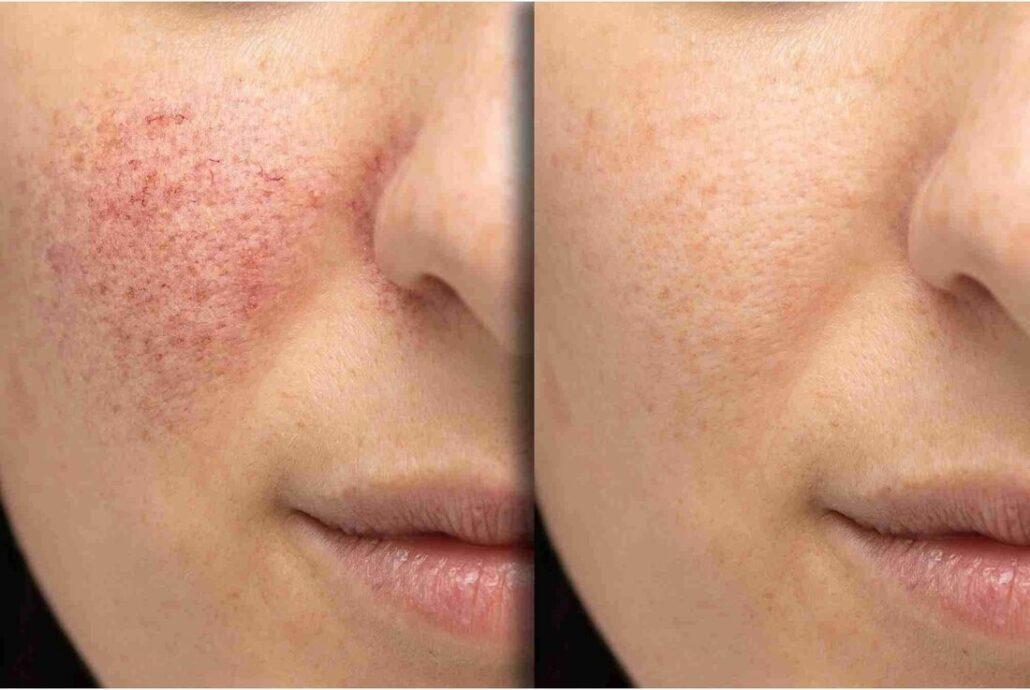
The Core Technology Behind Laser Genesis
Laser Genesis represents a significant advancement in non-invasive skin rejuvenation, leveraging sophisticated laser technology to address a wide array of dermatological concerns. At its heart, Laser Genesis utilizes a specific type of laser known as the Nd:YAG (Neodymium-doped Yttrium Aluminum Garnet) laser, operating at a wavelength of 1064 nm. This particular wavelength is crucial for its therapeutic effect, allowing for deep penetration into the dermal layers without ablating or damaging the skin’s surface. This non-ablative approach is a cornerstone of its appeal, distinguishing it from more aggressive laser treatments that require significant downtime.
Non-ablative Nd:YAG Laser Principles
The term “non-ablative” signifies that the laser energy passes through the outermost layer of skin (epidermis) without vaporizing tissue. Instead, the 1064 nm wavelength energy is absorbed by target structures within the dermis. This selective photothermolysis, a principle where specific chromophores absorb light energy and convert it to heat, is central to Laser Genesis. Unlike ablative lasers that create microscopic wounds on the skin surface to stimulate healing, non-ablative lasers work by inducing controlled thermal injury below the surface, triggering a regenerative response without disrupting the skin barrier. The Nd:YAG laser is particularly well-suited for this as its wavelength has relatively low absorption by melanin (skin pigment) and hemoglobin (red blood cell pigment) at the surface, allowing it to reach deeper targets effectively and safely across a broader range of skin types, including darker complexions.
Targeting Chromophores for Dermal Remodeling
Within the dermis, the primary chromophores targeted by the Nd:YAG laser are water and oxyhemoglobin. The gentle, bulk heating delivered by Laser Genesis creates a subtle thermal elevation in the dermis, initiating a cascade of biological responses. This controlled heat stimulation activates fibroblasts, the cells responsible for producing collagen and elastin. Over time, this stimulation leads to the synthesis of new collagen, remodels existing collagen fibers, and improves the overall structural integrity of the skin. Simultaneously, the laser energy impacts the microvasculature – the tiny blood vessels just beneath the skin’s surface. By gently heating these vessels, Laser Genesis can cause selective photocoagulation, reducing diffuse redness and erythema often associated with conditions like rosacea. This dual action – collagen stimulation and microvascular targeting – underpins the comprehensive rejuvenating effects observed with Laser Genesis.
How Laser Genesis Works: A Deep Dive into the Treatment Process
Understanding the technological underpinnings of Laser Genesis sets the stage for appreciating its mechanism of action during a treatment session. The procedure is characterized by its comfort, lack of invasiveness, and the cumulative nature of its results, which stem from its unique way of delivering controlled thermal energy.
Gentle Heating and Collagen Stimulation
During a Laser Genesis treatment, the practitioner glides the handpiece over the skin in a continuous, dynamic motion. This technique ensures that the laser energy is distributed evenly and gently, preventing any single area from overheating. The device emits thousands of micro-pulses of laser energy, which are felt as a gradual, subtle warming sensation on the skin. This distributed energy delivery raises the temperature of the dermal layer to approximately 42-45 degrees Celsius, a critical temperature range known to stimulate neocollagenesis (new collagen formation) without causing discomfort or thermal damage to the epidermis. The cumulative effect of these repeated, low-fluence passes over several sessions is the gradual synthesis of new collagen and elastin, leading to a noticeable improvement in skin texture, firmness, and the reduction of fine lines and wrinkles. This process leverages the body’s natural wound-healing response, without actual wounds.
Microvascular Targeting for Redness Reduction
Beyond collagen stimulation, Laser Genesis effectively addresses vascular concerns. The 1064 nm Nd:YAG wavelength is absorbed by oxyhemoglobin within the red blood cells residing in superficial capillaries. The gentle heating causes these tiny blood vessels to constrict and eventually coagulate, leading to their gradual breakdown and reabsorption by the body. This mechanism is particularly effective in reducing diffuse redness, flushing, and the appearance of fine telangiectasias (spider veins) commonly associated with sun damage, rosacea, and general skin sensitivity. The non-ablative nature ensures that the surrounding skin remains intact, minimizing the risk of bruising or hyperpigmentation that can sometimes accompany more aggressive vascular laser treatments. The continuous movement of the handpiece also helps to distribute this thermal effect gently across the treated area, leading to a more uniform reduction in redness over time.
The Treatment Session: What to Expect
A typical Laser Genesis session is remarkably quick and comfortable, usually lasting between 30 to 60 minutes, depending on the size of the area being treated. Patients often describe the sensation as relaxing and therapeutic, akin to lying in warm sunlight. There is no need for topical anesthetics, and protective eyewear is worn by both the patient and the practitioner. Post-treatment, patients can immediately return to their normal activities, as there is virtually no downtime. Some mild, temporary redness might be observed, but this typically resolves within a few hours. Because Laser Genesis works by stimulating natural physiological processes, a series of treatments is typically recommended to achieve optimal and lasting results. Most treatment protocols involve 4-6 sessions, spaced 2-4 weeks apart.
Key Applications and Clinical Efficacy
The versatility of Laser Genesis technology makes it a popular choice for a broad spectrum of skin concerns, offering a gentle yet effective solution for overall skin revitalization. Its clinical efficacy has been well-documented, making it a cornerstone in many aesthetic practices.
Addressing Fine Lines and Wrinkles
One of the primary applications of Laser Genesis is the reduction of fine lines and wrinkles. By stimulating neocollagenesis, the treatment progressively rebuilds the skin’s underlying support structure. As new collagen is formed and existing collagen fibers are remodeled, the skin regains elasticity and firmness, leading to a smoother, more youthful appearance. This gradual process means results become more apparent over several months post-treatment series, offering a natural-looking improvement rather than an abrupt change.

Improving Skin Texture and Pore Size
Laser Genesis excels at refining skin texture. The thermal energy prompts cellular turnover and improves the organization of epidermal cells, resulting in a softer, smoother feel. Moreover, by stimulating collagen production around dilated pores, it can help to reduce their apparent size, leading to a more refined and even skin surface. Patients often report a noticeable improvement in the overall “glow” and luminosity of their complexion.
Managing Redness, Rosacea, and Diffuse Erythema
For individuals struggling with chronic facial redness, rosacea, or generalized diffuse erythema from sun damage, Laser Genesis offers a significant therapeutic benefit. Its targeted action on the microvasculature helps to diminish the appearance of redness and broken capillaries, providing a more even skin tone. While not a cure for rosacea, it effectively manages its symptoms, reducing flare-ups and improving patient comfort and confidence.
Scar Revision and Hyperpigmentation
While not a primary treatment for deep scars or severe hyperpigmentation, Laser Genesis can contribute to the improvement of certain types of scars, particularly shallow acne scars or surgical scars. The collagen remodeling process helps to smooth out irregularities and soften the scar tissue. For mild hyperpigmentation, the treatment can help to gently break down melanin clusters and improve overall skin clarity, though other laser technologies might be more specifically indicated for significant pigmentation issues. It’s often used as an adjunctive treatment to enhance results from other modalities.
Advantages and Considerations for Laser Genesis
The popularity of Laser Genesis in the aesthetic market stems from its unique blend of effectiveness, safety, and patient comfort. However, like any advanced technology, understanding its full spectrum of advantages and limitations is crucial for informed decision-making.
Minimal Downtime and Comfort Profile
Perhaps the most compelling advantage of Laser Genesis is its minimal to zero downtime. Unlike ablative or even some fractional non-ablative lasers that require several days or weeks for recovery, patients can typically resume their daily activities immediately after a Laser Genesis session. This “lunchtime procedure” aspect makes it highly appealing for individuals with busy schedules. The treatment itself is widely regarded as comfortable, with most patients experiencing only a gentle warming sensation, eliminating the need for anesthesia and further enhancing its convenience.
Suitability Across Skin Types
The 1064 nm Nd:YAG wavelength is less absorbed by melanin compared to shorter wavelengths, making Laser Genesis a safer option for a broader range of skin types, including Fitzpatrick types IV-VI (darker skin tones), which are often prone to post-inflammatory hyperpigmentation with other laser treatments. This inclusivity allows more individuals to benefit from advanced skin rejuvenation without significant risk of adverse effects.
Combining Laser Genesis with Other Modalities
Laser Genesis integrates seamlessly into a comprehensive skin care regimen. It can be safely and effectively combined with other aesthetic treatments such as chemical peels, microdermabrasion, injectables (like Botox and fillers), and even more aggressive laser treatments. When used in conjunction with other therapies, Laser Genesis can enhance overall results, improve skin health, and extend the longevity of other aesthetic interventions, providing a synergistic effect.
Safety Profile and Contraindications
Laser Genesis boasts an excellent safety profile when performed by a trained and experienced practitioner. Side effects are rare and typically mild, including transient redness or slight swelling. Serious complications like blistering or scarring are exceptionally uncommon. However, like all laser treatments, there are contraindications. Pregnant or breastfeeding individuals, those with active infections, cold sores, or open wounds in the treatment area, or individuals taking photosensitizing medications, are typically advised against treatment. A thorough consultation with a qualified professional is essential to determine suitability and discuss any potential risks.
The Evolution and Future Outlook of Skin Rejuvenation
Laser Genesis has solidified its position as a go-to technology for gradual, natural-looking skin improvement. Its success also highlights broader trends within the aesthetic technology landscape.
Position in the Aesthetic Technology Landscape
Laser Genesis occupies a unique niche. It bridges the gap between topical skincare and more aggressive interventional procedures. For individuals seeking significant improvement without the downtime associated with intense pulsed light (IPL) or fractional ablative lasers, it offers a gentle yet consistently effective solution. It’s often considered an excellent foundational treatment for maintaining skin health and preventing future damage, making it a staple in preventative and corrective aesthetic protocols. Its subtle, cumulative results align well with the growing demand for natural enhancements that avoid an “over-treated” appearance.

Continuous Innovation in Laser Genesis Platforms
The technology behind Laser Genesis continues to evolve. While the core Nd:YAG principle remains, advancements focus on optimizing energy delivery, enhancing patient comfort, and integrating smarter monitoring systems. Manufacturers are continually refining handpiece designs, pulse durations, and treatment protocols to maximize efficacy and minimize potential side effects. The drive for personalized medicine also influences laser technology, with future iterations potentially offering even more tailored treatment parameters based on individual skin characteristics and specific concerns, further cementing Laser Genesis’s role as a versatile and adaptable tool in the ever-advancing field of dermatological technology. As research progresses into cellular rejuvenation and advanced energy delivery systems, Laser Genesis and its successors will undoubtedly continue to play a crucial role in the pursuit of healthier, more radiant skin. The emphasis will remain on treatments that are not only effective but also safe, comfortable, and seamlessly integrate into modern lifestyles.
aViewFromTheCave is a participant in the Amazon Services LLC Associates Program, an affiliate advertising program designed to provide a means for sites to earn advertising fees by advertising and linking to Amazon.com. Amazon, the Amazon logo, AmazonSupply, and the AmazonSupply logo are trademarks of Amazon.com, Inc. or its affiliates. As an Amazon Associate we earn affiliate commissions from qualifying purchases.