
In the digital landscape, where attention spans are measured in milliseconds and the competition for consumer engagement is relentless, the landing page stands as the most critical touchpoint in a brand’s marketing ecosystem. While a website serves as a digital headquarters or an expansive brochure, a landing page is a precision instrument. It is a standalone web page, created specifically for a marketing or advertising campaign, where a visitor “lands” after clicking on a link in an email, or ads from Google, Bing, YouTube, Facebook, Instagram, or similar places on the web.
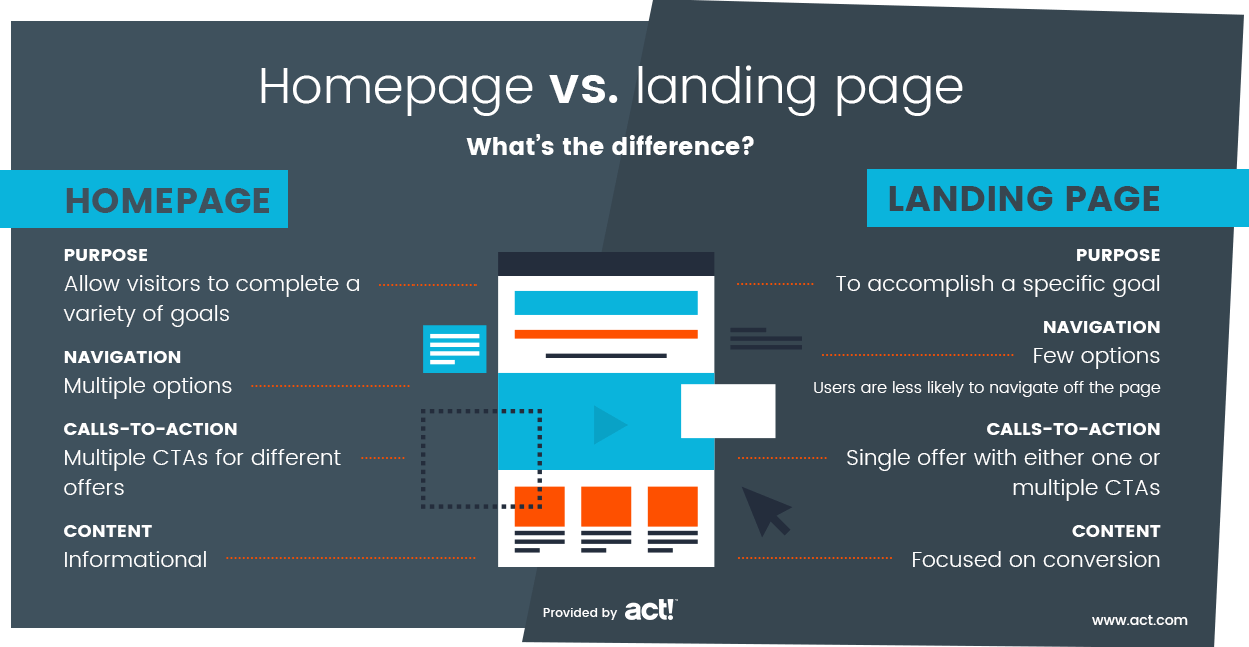
Unlike homepages, which are designed for exploration and general information, landing pages are designed with a single focus or goal, known as a Call to Action (CTA). This focus is what makes landing pages the best option for increasing the conversion rates of your marketing campaigns and lowering your cost of acquiring a lead or sale. To understand a landing page is to understand the intersection of psychology, design, and strategic brand positioning.
Defining the Landing Page in the Modern Brand Ecosystem
To truly grasp the significance of a landing page, one must distinguish it from the broader corporate website. A brand’s homepage is a multifunctional directory. It offers navigation to “About Us” sections, blog posts, product categories, and contact information. It encourages browsing. In contrast, a landing page is built to eliminate distractions. It is the tactical execution of a specific brand promise.
The Singular Purpose and the Power of Focus
The primary characteristic of a high-performing landing page is its commitment to a single objective. Whether that objective is to secure a newsletter signup, register a participant for a webinar, or facilitate a direct product purchase, every element on the page—from the headline to the imagery—must point toward that goal. This concept is often referred to in brand strategy as “Ratio 1:1.” This means there is one link for every one goal. On a typical homepage, there might be forty or fifty links, creating a high “Attention Ratio” that dilutes the user’s focus. By narrowing the focus, a brand minimizes cognitive load, making the path to conversion as frictionless as possible.
Landing Pages vs. Homepages: A Strategic Distinction
The strategic distinction lies in the intent of the traffic. Traffic directed to a homepage is often “cold” or “curious”—users who are searching for the brand name or exploring general topics. Traffic directed to a landing page is usually “warm” or “intent-driven.” These users have responded to a specific trigger: an ad promising a solution to a problem. If a brand runs an ad for “organic skincare for sensitive skin” and sends the user to a general homepage, the user is forced to hunt for the relevant product. This friction leads to high bounce rates. A dedicated landing page, however, meets the user exactly where they are, fulfilling the promise of the ad immediately and reinforcing the brand’s reliability.
Core Components of a High-Converting Brand Asset
A landing page is not merely a collection of text and images; it is a structured narrative designed to guide a visitor from curiosity to commitment. For a brand to project authority and build trust, certain structural elements must be executed with precision.
The Hero Section and the Value Proposition
The “Hero Section” is the first thing a visitor sees, and it is here that the brand’s value proposition must be articulated with absolute clarity. The headline is the most important piece of copy on the page. It must tell the visitor exactly what is being offered and what benefit they will receive. A powerful headline doesn’t just describe a product; it resonates with a pain point or a desire.
Accompanying the headline is the sub-headline, which provides more context or further detail about the offer. The visual elements in this section—whether a high-resolution product shot, a lifestyle photograph, or a compelling video—must align with the brand’s visual identity. Consistency in color palette, typography, and tone of voice ensures that the transition from the ad to the landing page feels seamless, fostering a sense of security in the user.
Social Proof and Trust Signals
In the digital age, a brand is only as strong as its reputation. Because landing pages often interact with new prospects, establishing immediate credibility is essential. This is achieved through social proof. Social proof includes customer testimonials, case studies, industry awards, and “As Seen In” media logos.
Trust signals also extend to security badges and partnership logos. For instance, a financial services brand would feature security certifications to reassure users that their data is safe. A personal brand might feature high-profile client logos to establish authority. These elements serve to reduce the “perceived risk” of the transaction, moving the user closer to the final conversion.
The Call to Action (CTA): The Final Push
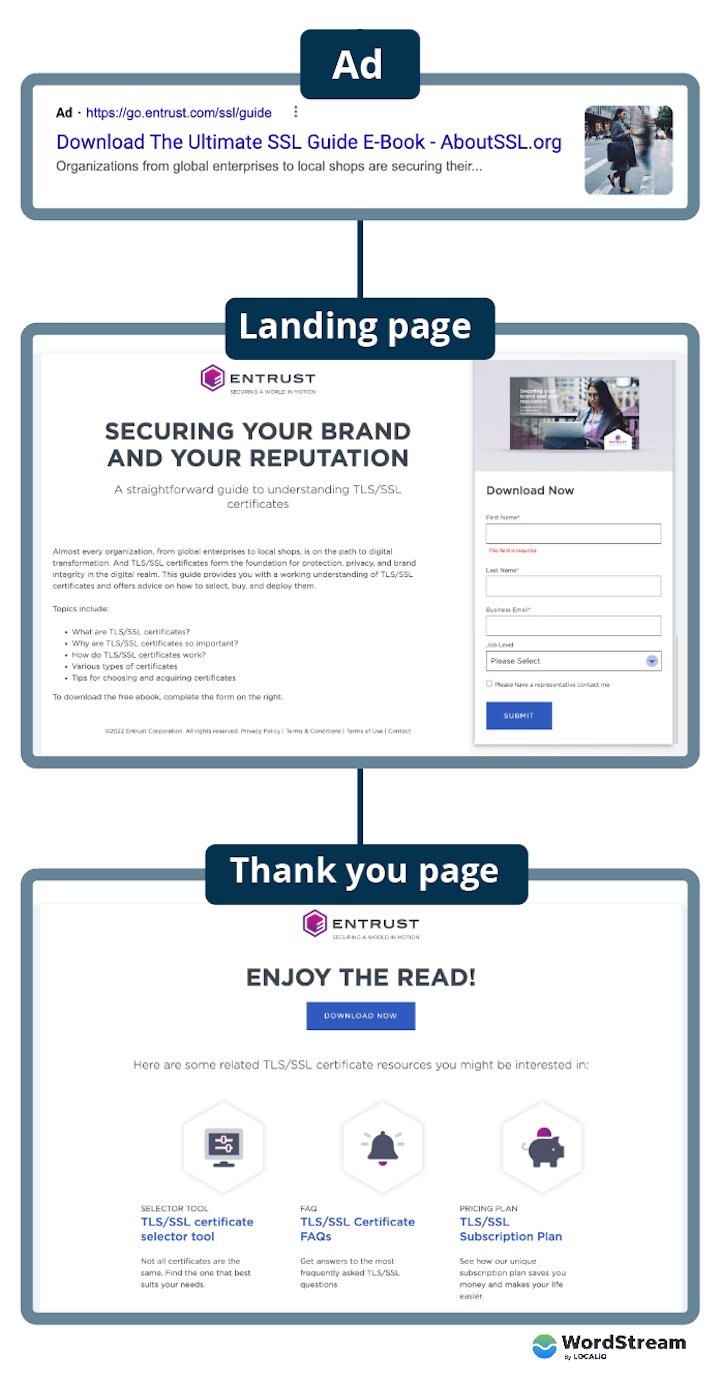
The CTA is the pivot point of the entire page. It is the button or form that facilitates the conversion. Strategically, the CTA must be visually distinct—often using a contrasting color that draws the eye—and the copy must be action-oriented. Instead of generic phrases like “Submit” or “Click Here,” high-converting brands use “get-oriented” language like “Start Your Free Trial,” “Claim Your Discount,” or “Download the Guide Now.” The placement of the CTA is equally vital; it should appear “above the fold” for immediate access and be repeated throughout the page to capture users who need more information before deciding.
Psychological Triggers: Aligning Brand Narrative with User Behavior
Successful branding on a landing page goes beyond aesthetics; it delves into the psychology of decision-making. By understanding how humans process information and evaluate choices, brands can design landing pages that feel intuitive and persuasive.
The Power of Scarcity and Urgency
Human beings are wired to avoid loss. This is known as loss aversion. Brands leverage this on landing pages through scarcity and urgency. Phrases like “Limited Time Offer,” “Only 5 Spots Remaining,” or a countdown timer for a sale create a psychological nudge. When a user feels that an opportunity is fleeting, they are less likely to procrastinate and more likely to convert. However, for a brand to maintain its integrity, these triggers must be authentic. False urgency can lead to a breakdown in brand trust if the user discovers the “sale” never actually ends.
Visual Consistency and Brand Recall
The landing page is often a user’s first deep interaction with a brand’s visual language. Consistency is not just about looking professional; it’s about brand recall. When a user clicks an ad with a specific aesthetic and lands on a page that mirrors that aesthetic perfectly, it creates a “scent trail.” This continuity reassures the user that they are in the right place. From a branding perspective, this means ensuring that the brand’s voice—whether it is authoritative, playful, or minimalist—is reflected in every line of copy and every design choice.
Strategies for Optimization and Brand Growth
A landing page is never truly “finished.” It is a living asset that must be refined based on data. In the world of performance marketing and brand strategy, optimization is the key to scaling success.
A/B Testing: The Brand’s Laboratory
A/B testing, or split testing, is the process of creating two versions of a landing page to see which performs better. Brands might test two different headlines, different CTA button colors, or different lead magnet offers. By isolating variables, marketers can gain deep insights into what resonates with their target audience. This data-driven approach removes the guesswork from brand strategy. Over time, these incremental improvements—even a 1% increase in conversion rate—can result in significantly higher revenue and a more efficient marketing spend.
Personalization and Segmentation
The modern consumer expects a personalized experience. Dynamic landing pages allow brands to tailor the content to the specific visitor. For example, a global brand might show different images or localized currency based on the user’s geographic location. Or, if a user arrives from a specific search query like “best tools for graphic designers,” the landing page headline can dynamically update to mirror that specific phrasing. This level of personalization makes the brand feel more attentive and relevant, significantly boosting the likelihood of conversion.
The Role of Landing Pages in the Long-term Marketing Funnel
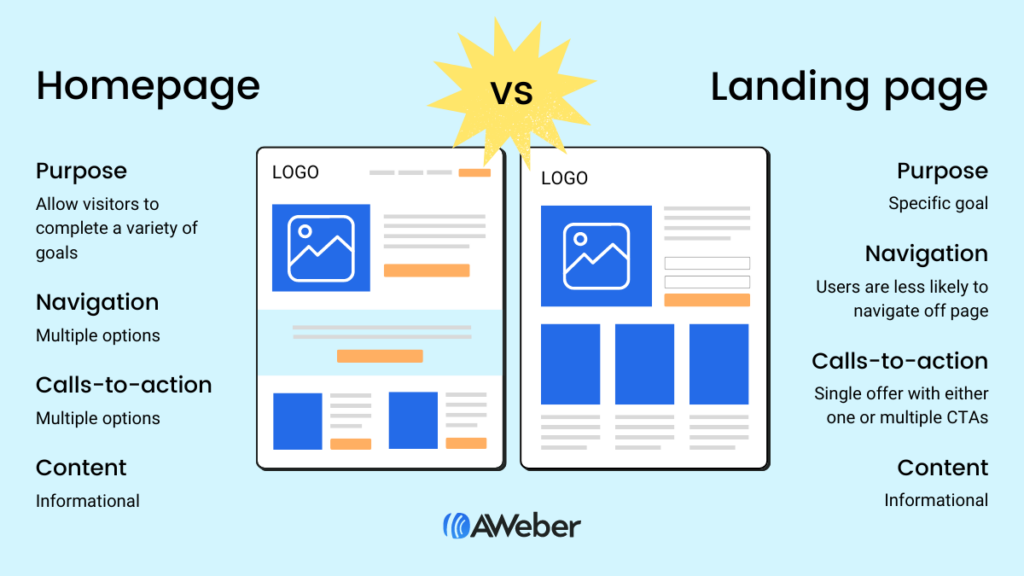
While the immediate goal of a landing page is a single conversion, its long-term value lies in its role within the customer journey. A landing page is often the entry point into a brand’s funnel. Once a lead is captured, the brand can nurture that relationship through email marketing, retargeting ads, and personalized content.
For a brand, the landing page is the first step in building a long-term relationship. It is where the brand delivers on its first promise. If the landing page provides a high-quality lead magnet or a seamless purchase experience, the customer’s first impression of the brand is one of efficiency and value. This initial positive interaction sets the stage for brand loyalty and customer advocacy.
In conclusion, a landing page is much more than a simple web page. It is a sophisticated marketing tool that bridges the gap between an initial advertisement and a finalized conversion. By focusing on a singular objective, utilizing psychological triggers, and maintaining a consistent brand narrative, companies can transform curious visitors into loyal customers. In the competitive arena of digital commerce, mastering the art and science of the landing page is not just an advantage—it is a necessity for any brand looking to thrive. Regardless of the industry, the principles of clarity, trust, and focus remain the bedrock of landing page success, ensuring that every click has the potential to become a meaningful brand connection.
aViewFromTheCave is a participant in the Amazon Services LLC Associates Program, an affiliate advertising program designed to provide a means for sites to earn advertising fees by advertising and linking to Amazon.com. Amazon, the Amazon logo, AmazonSupply, and the AmazonSupply logo are trademarks of Amazon.com, Inc. or its affiliates. As an Amazon Associate we earn affiliate commissions from qualifying purchases.