
The labor participation rate stands as a critical economic metric, offering profound insights into the health and direction of an economy. Far more nuanced than the often-cited unemployment rate, it reveals the proportion of the working-age population actively engaged in or seeking economic activity. For investors, business leaders, and individuals planning their financial futures, understanding this rate is indispensable for making informed money-related decisions, from assessing market stability to predicting wage growth and identifying investment opportunities.
Defining the Labor Participation Rate
At its core, the labor participation rate, also known as the labor force participation rate, measures the percentage of the civilian noninstitutional population aged 16 or older who are either employed or actively looking for work. It provides a broad snapshot of the economy’s human capital utilization, indicating how many potential workers are contributing to or aspiring to contribute to economic output.
How It’s Calculated
The calculation is straightforward:
$$ text{Labor Participation Rate} = frac{text{Labor Force}}{text{Civilian Noninstitutional Population (aged 16+)}} times 100 $$
The “labor force” includes all employed persons and all unemployed persons who are actively searching for work. The “civilian noninstitutional population” refers to everyone 16 years or older who is not in the military or incarcerated. This simple ratio, however, belies the complex economic narratives it can unveil.
Who is Included and Excluded
Understanding the components of the calculation is crucial.
- Included: Individuals who are currently working for pay or profit (even part-time), and those who are temporarily absent from a job due to illness, vacation, or other personal reasons. Also included are those without a job who have actively looked for work in the past four weeks and are available for work.
- Excluded: People under 16 years of age, active duty military personnel, institutionalized individuals (e.g., in prisons or mental health facilities), and, importantly, individuals 16 or older who are not working and are not actively looking for work. This last group includes retirees, full-time students not seeking employment, stay-at-home parents not seeking employment, and “discouraged workers” — those who want a job but have given up looking due to a belief that no suitable work is available. The exclusion of discouraged workers is particularly significant as it can mask underlying weaknesses in the job market.
Distinguishing from the Unemployment Rate
While often discussed in tandem, the labor participation rate and the unemployment rate convey different, albeit related, economic stories. The unemployment rate focuses on the subset of the labor force that is jobless but actively seeking employment. A low unemployment rate might suggest a robust job market, but if it’s coupled with a declining labor participation rate, it could signify that a growing number of people are leaving the workforce entirely rather than finding jobs. This “exodus” could be due to retirement, long-term disability, or discouragement, masking a less vibrant economy than the unemployment rate alone suggests. Conversely, an increasing labor participation rate alongside a stable or even slightly rising unemployment rate could indicate more people are entering or re-entering the job market, which is generally a positive sign for future economic growth, even if it temporarily nudges the unemployment figure upward.
Why the Labor Participation Rate Matters for Money and Business
The labor participation rate is more than just an academic statistic; it’s a vital indicator that influences personal finance decisions, investment strategies, and business operations. Its movements signal shifts in economic potential, consumer behavior, and market dynamics.
Economic Health and Growth Indicators
A high and stable labor participation rate generally correlates with a healthy, growing economy. It means a larger proportion of the population is contributing to the production of goods and services, leading to higher overall economic output (GDP). For investors, this suggests a more robust corporate earnings environment, potentially driving stock market performance. Conversely, a sustained decline can signal long-term structural issues, such as an aging population, skill mismatches, or disincentives to work, which could dampen economic growth and investment returns.
Impact on Wages and Inflation
When the labor participation rate is high and rising, it indicates a larger pool of available workers. Depending on demand, this could put downward pressure on wage growth if there’s an ample supply of labor relative to job openings. However, if participation rises due to increased demand for labor, it can signal a strong economy where businesses are expanding and competing for workers.
A persistently low or declining labor participation rate, especially if coupled with strong labor demand, can lead to tighter labor markets. Fewer available workers mean employers must compete more fiercely for talent, often by offering higher wages. While higher wages can boost consumer spending, they can also contribute to inflationary pressures, as businesses pass increased labor costs onto consumers through higher prices. Investors need to monitor these dynamics closely, as inflation impacts bond yields, corporate profitability, and the real return on investments.
Implications for Investment Decisions
Sophisticated investors integrate labor participation rate trends into their macroeconomic analysis.
- Equity Markets: A rising participation rate, particularly among prime working-age individuals, can signal increased consumer spending and corporate profits, potentially benefiting cyclical stocks and broader market indices. Conversely, a sustained decline could indicate structural headwinds, prompting investors to seek defensive sectors or international diversification.
- Fixed Income: Inflationary pressures stemming from tight labor markets (low participation, high demand) can erode the purchasing power of fixed-income investments. Bond investors might demand higher yields to compensate for this risk, affecting bond prices.
- Real Estate: A growing labor force often translates to increased demand for housing and commercial properties, supporting real estate values. Declining participation, especially in specific regions, can signify demographic shifts that might dampen real estate markets.
Business Planning and Workforce Strategy
For businesses, the labor participation rate is a critical input for strategic planning.
- Talent Acquisition: A low participation rate indicates a smaller talent pool, making recruitment more challenging and potentially increasing hiring costs. Businesses might need to invest more in training, automation, or offer more competitive compensation packages.
- Market Demand: A healthy participation rate often correlates with a larger consumer base with disposable income, signaling opportunities for market expansion and increased sales.
- Productivity: Understanding who is participating, and why, can help businesses tailor their operations, benefit offerings, and even product development to better align with the available workforce and consumer base. For instance, an increasing participation among older workers might necessitate different workplace accommodations or healthcare benefits.
Factors Influencing Labor Participation
The labor participation rate is not static; it responds to a myriad of forces, from demographic shifts to policy changes and technological advancements. Understanding these drivers is key to forecasting future trends and their financial implications.
Demographic Shifts

Demographics are arguably the most significant long-term driver.
- Aging Population: In many developed nations, aging populations and declining birth rates are leading to a structural decline in the overall labor participation rate as a larger proportion of the population moves into retirement age. This reduces the pool of working-age individuals relative to the total population.
- Gender Participation: Historically, the entry of women into the workforce significantly boosted labor participation rates in the latter half of the 20th century. Future trends in gender participation, influenced by societal norms, childcare availability, and educational attainment, will continue to play a role.
Economic Conditions
Short-term economic cycles exert considerable influence.
- Recessions: During economic downturns, many individuals become “discouraged workers,” giving up on their job search due to poor prospects. They exit the labor force, causing the participation rate to fall.
- Economic Booms: Conversely, during periods of strong economic growth, job opportunities are plentiful, drawing previously discouraged workers, students, or retirees back into the job market, thus increasing the participation rate. This “pull” factor is a sign of a robust economy.
Societal and Policy Changes
Government policies and societal trends can significantly alter participation.
- Education and Training: Increased access to higher education or vocational training can delay entry into the workforce but can also enhance skills, making individuals more competitive and likely to participate over their lifetime.
- Childcare Policies: Affordable and accessible childcare can significantly impact the participation rate of parents, especially mothers.
- Retirement Age and Social Security: Changes to retirement age policies or social security benefits can incentivize people to work longer or retire earlier, directly affecting the labor force size.
- Disability Policies: The availability and generosity of disability benefits can influence whether individuals with health challenges remain in or exit the labor force.
Technological Advancements and Automation
Technology presents a dual impact.
- Job Displacement: Automation and artificial intelligence can displace workers in certain sectors, potentially leading to some individuals exiting the labor force if they cannot retrain for new roles.
- New Opportunities: At the same time, technology creates entirely new industries and job categories, demanding new skills and potentially attracting new participants to the labor force. The net effect depends on the pace of displacement versus creation and the adaptability of the workforce.
Interpreting Trends in Labor Participation
Analyzing the labor participation rate requires looking beyond a single data point and understanding its historical context, long-term trends, and short-term fluctuations.
Historical Context and Long-Term Declines
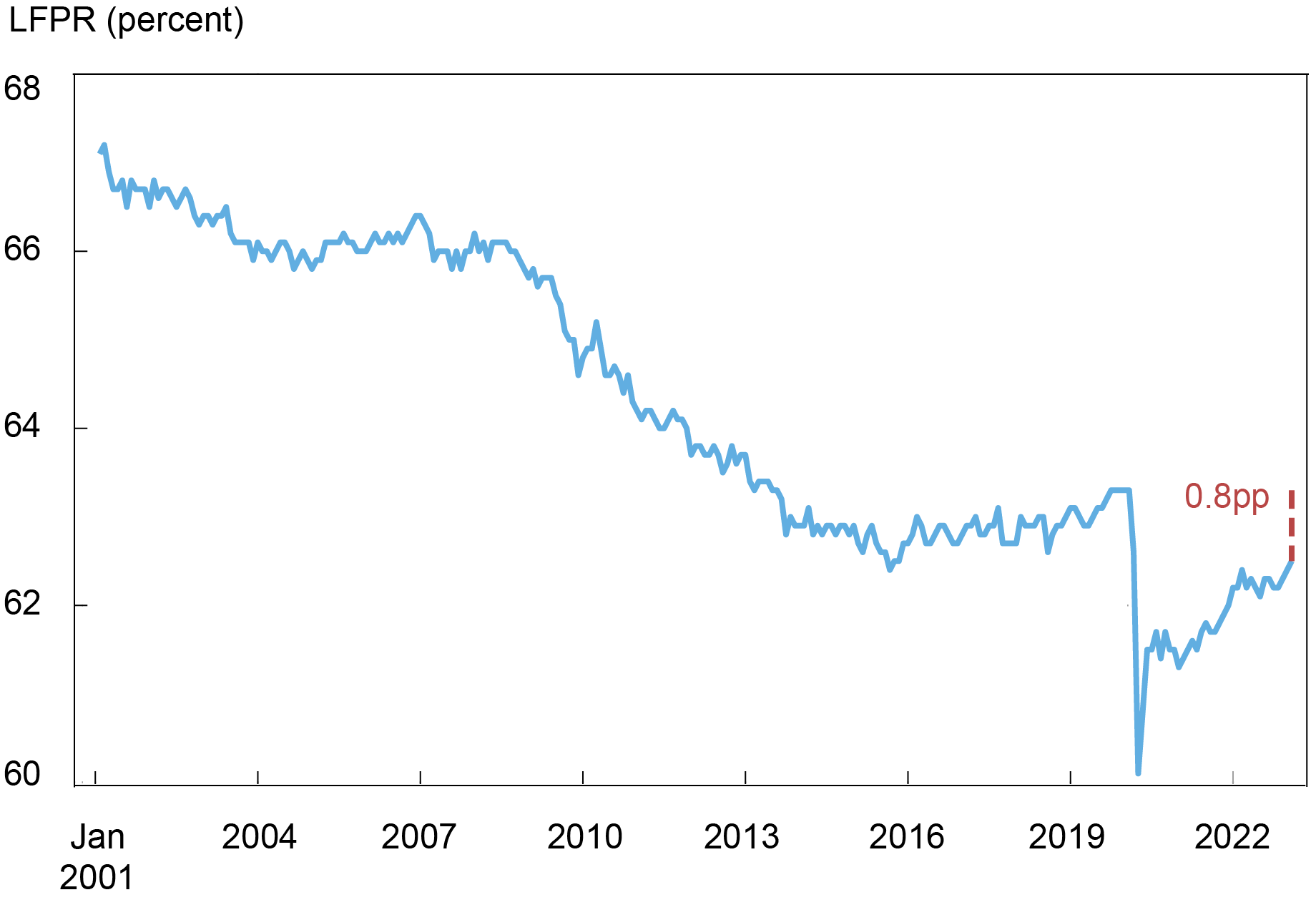
In many developed economies, there’s been a noticeable long-term decline in the labor participation rate over the past few decades, primarily driven by demographic factors like aging populations. In the U.S., for example, the rate peaked around 2000 and has largely trended downward since, a phenomenon often attributed to the retirement of the baby boomer generation. While this decline might seem alarming, understanding its demographic roots helps differentiate it from cyclical weaknesses. However, if the decline is faster than what demographics alone predict, it can signal deeper structural issues that need addressing.
Short-Term Fluctuations and Economic Cycles
While demographics drive long-term trends, economic cycles cause short-term fluctuations. A sharp drop during a recession, followed by a slow recovery during an expansion, is typical. Observing the pace of recovery during an expansion is crucial. A weak recovery in participation after a recession can indicate lingering labor market slack or a growing number of discouraged workers, even if the unemployment rate looks healthy. Conversely, a strong rebound signals renewed confidence and opportunities.
Regional and Sectoral Differences
The national labor participation rate can mask significant variations at regional and sectoral levels. Some states or cities might experience higher or lower participation due to local industry mixes, demographic profiles, educational opportunities, or policy environments. Similarly, participation rates can differ vastly across sectors; for instance, the tech sector might attract a younger, more active workforce, while traditional manufacturing might see an older, shrinking participant base. These differences are vital for businesses considering expansion or relocation and for investors targeting specific industries or geographies.
Leveraging Insights for Financial Decisions
For individuals, businesses, and investors, integrating the labor participation rate into their financial decision-making framework can lead to more robust strategies.
For Investors: Market Performance and Sector Outlook
Investors should consider the labor participation rate when forming their market outlook. A healthy and rising rate (or one stabilizing after a decline) can signal a strong economic foundation, supporting broad market growth and consumer discretionary sectors. Conversely, a persistently declining rate, particularly among prime working-age groups, could suggest future challenges for economic growth, potentially leading investors to defensive sectors, automation technologies, or international markets with more favorable demographic trends. Understanding the underlying drivers (demographics vs. cyclical) is key to differentiating temporary fluctuations from long-term shifts that might impact portfolio construction.
For Businesses: Talent Acquisition and Growth Opportunities
Business leaders can use this metric to forecast labor availability, wage pressures, and consumer demand. If the participation rate is falling, talent acquisition strategies need to adapt, potentially focusing on upskilling existing employees, investing in automation, or exploring non-traditional hiring pools (e.g., retirees, remote workers). A robust participation rate might signal a larger consumer base, encouraging expansion and new product development. Businesses in sectors heavily reliant on human capital must pay particularly close attention, using these insights to inform location decisions, compensation structures, and long-term human resource planning.

For Individuals: Career Planning and Income Potential
Individuals can leverage labor participation insights for personal finance and career planning. A generally high and stable rate implies a more competitive job market, emphasizing the need for continuous skill development and education to remain employable. If the rate is declining due to an aging population, it might signal future opportunities in sectors catering to seniors (healthcare, leisure) or an increased demand for younger workers in traditionally aging industries. For those considering re-entering the workforce, understanding participation trends in their desired field can help gauge market receptiveness and potential income. It also highlights the importance of financial planning for retirement, as a declining participation rate can sometimes put pressure on social security systems or pension funds.
In conclusion, the labor participation rate is an invaluable barometer of economic vitality. By delving into its definition, drivers, and implications, financial stakeholders can make more informed decisions, navigate economic cycles with greater foresight, and position themselves for long-term financial success.
aViewFromTheCave is a participant in the Amazon Services LLC Associates Program, an affiliate advertising program designed to provide a means for sites to earn advertising fees by advertising and linking to Amazon.com. Amazon, the Amazon logo, AmazonSupply, and the AmazonSupply logo are trademarks of Amazon.com, Inc. or its affiliates. As an Amazon Associate we earn affiliate commissions from qualifying purchases.