
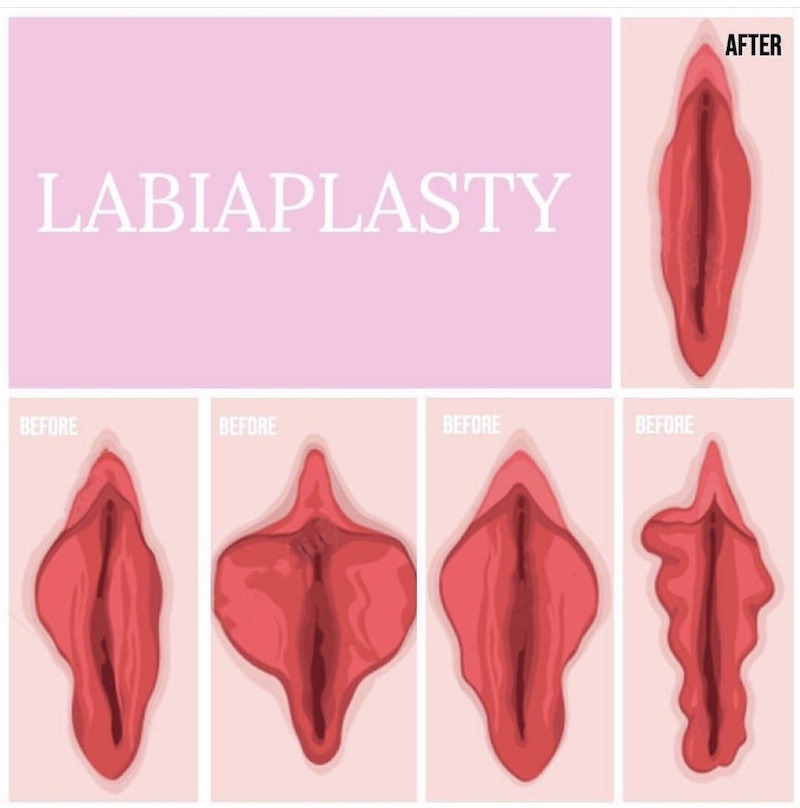
Understanding any medical procedure comprehensively often extends beyond its clinical description, particularly when considering elective cosmetic interventions. For many, the initial inquiry, “what is labiaplasty procedure,” quickly evolves into a deeper dive into its financial implications. Labiaplasty, a surgical procedure designed to reshape the labia minora or majora, is typically sought for aesthetic reasons or to alleviate physical discomfort. As an elective procedure, it rarely falls under standard health insurance coverage, making its cost a primary consideration for prospective patients and a significant factor in the broader financial landscape of aesthetic medicine. Exploring labiaplasty, therefore, necessitates a thorough examination of its monetary aspects, from direct expenses and financing options to its market dynamics within the burgeoning field of cosmetic surgery.
The Financial Cost of Labiaplasty: A Comprehensive Breakdown
The price tag associated with a labiaplasty procedure is highly variable, reflecting a multitude of factors that influence the overall expenditure. Unlike medically necessary surgeries, where insurance often covers a significant portion, individuals considering labiaplasty must typically bear the full financial burden themselves. This necessitates a detailed understanding of what contributes to the final cost and how to budget effectively for such an investment.
Average Costs and Geographic Variations
Nationwide averages for labiaplasty can range widely, often cited anywhere from $3,000 to upwards of $8,000. However, these figures are merely starting points. Geographic location plays a substantial role in determining costs. Major metropolitan areas, particularly those with a high concentration of cosmetic surgery practices and a competitive market, might see higher average prices compared to suburban or rural regions. The cost of living in a particular area, the overhead for clinics, and regional demand for aesthetic procedures all contribute to these localized price differences. Patients are encouraged to research pricing in their specific area and compare quotes from several reputable practices.
What Influences the Price Tag?
Several distinct components coalesce to form the total cost of a labiaplasty, each representing a specific service or resource integral to the procedure:
- Surgeon’s Fees: This is often the largest component, reflecting the surgeon’s expertise, reputation, experience level, and the complexity of the specific surgical technique chosen. Highly sought-after or board-certified plastic surgeons specializing in intimate cosmetic procedures may command higher fees.
- Anesthesia Fees: Anesthesiologists’ fees cover their professional services during the surgery, ensuring patient comfort and safety. The type of anesthesia used (local with sedation, general anesthesia) and the duration of the procedure directly impact this cost.
- Facility Fees: These fees cover the use of the surgical facility, including operating room time, nursing staff, and necessary equipment. Accredited surgical centers often have higher facility fees due to their rigorous standards and advanced infrastructure.
- Pre- and Post-Operative Care: While sometimes bundled into the surgeon’s fee, these can be separate charges. They include initial consultations, follow-up appointments, and any necessary medications or supplies for recovery. Some clinics may offer packages that include all these elements, while others itemize them.
Hidden Costs and Unexpected Expenses
Beyond the direct procedural costs, prospective patients must be aware of potential “hidden” or easily overlooked expenses. These can include prescription medications for pain management or antibiotics, specialized garments or dressings, and transportation to and from the clinic for surgery and follow-up appointments. Furthermore, complications, though rare, can arise, potentially leading to additional medical expenses for corrective procedures or extended care. It is crucial to have a transparent discussion with the surgical team about all potential costs, including those for revision surgery, should it become necessary.
Navigating Payment and Financing Options
Given that labiaplasty is primarily an elective procedure, securing financial resources is a critical step for most individuals. Understanding the various payment and financing avenues available is essential for making an informed decision without undue financial strain.
Insurance Coverage: A Rare Scenario
Generally, health insurance plans do not cover labiaplasty when performed purely for cosmetic reasons. However, there are very specific and rare instances where partial coverage might be considered if the procedure is deemed medically necessary. This typically requires documented evidence of significant physical discomfort, irritation, or functional impairment caused by the labia. Even then, insurance companies often have stringent criteria and require extensive documentation from multiple physicians before considering approval. Patients should not assume coverage and must thoroughly investigate their policy and secure pre-authorization if they believe they have a medical justification.
Personal Loans and Medical Credit Cards
For those without immediate funds, several financing options exist. Personal loans from banks or credit unions can offer competitive interest rates and structured repayment plans. The approval and terms of these loans depend on the borrower’s credit score and financial history. Another popular option is medical credit cards, such as CareCredit, which are specifically designed for healthcare expenses. These often offer promotional periods with deferred interest, allowing patients to pay off their balance without incurring interest if done within the specified timeframe. However, if the balance is not paid in full by the end of the promotional period, retroactive interest can be applied, making it crucial to understand the terms.
Payment Plans and Clinic-Specific Financing

Many cosmetic surgery practices recognize the significant investment labiaplasty represents and offer in-house payment plans or partner with third-party financing companies. These plans typically involve an initial down payment followed by scheduled installments over a set period. While convenient, it’s vital to inquire about any interest rates, administrative fees, or penalties associated with these plans. Comparing terms from different clinics or financing partners can help secure the most favorable arrangement.
Budgeting for an Elective Procedure
Effective financial planning is paramount. Patients should create a detailed budget that accounts for all potential costs, including the procedure itself, travel, recovery time (which might involve lost income), and any follow-up care. Saving specifically for the procedure over time can alleviate the need for financing and the associated interest payments. A financial advisor might also provide guidance on integrating such a significant expense into one’s overall financial strategy.
The Business of Aesthetic Surgery: Labiaplasty in the Market
The increasing demand for cosmetic procedures like labiaplasty reflects a broader trend in the aesthetics market. Understanding this market from a business finance perspective provides insight into pricing strategies, clinic profitability, and the economic drivers shaping access to such procedures.
Clinic Profitability and Pricing Strategies
For cosmetic surgery clinics, labiaplasty represents a valuable revenue stream. The profitability is influenced by volume, pricing power, and efficient cost management. Clinics often employ tiered pricing strategies, where more experienced surgeons or those with advanced techniques charge premium fees. Packaging procedures or offering discounts for multiple services can also be part of their marketing and pricing approach. The balance between competitive pricing and maintaining high standards of care and profitability is a constant management challenge.
Demand and Market Growth in Cosmetic Procedures
The aesthetic surgery market, including procedures like labiaplasty, has seen consistent growth. Factors driving this expansion include increased awareness, reduced social stigma, technological advancements making procedures safer and less invasive, and a rising disposable income among certain demographics. This growing demand allows clinics to invest in new technologies and expand their services, but it also fosters competition, which can, in some instances, exert downward pressure on prices or encourage innovation in financing options.
Investment in Technology and Staff as Cost Drivers
Operating a state-of-the-art cosmetic surgery practice requires significant capital investment. Advanced surgical equipment, up-to-date anesthetic machines, and sophisticated clinic management software are expensive. Additionally, employing a highly trained and experienced team—including board-certified surgeons, registered nurses, and administrative staff—involves substantial payroll and benefits costs. These operational expenses are inevitably factored into the pricing of procedures like labiaplasty, reflecting the clinic’s commitment to safety, efficacy, and patient experience.
Long-Term Financial Considerations and Value Perception
Deciding on an elective procedure like labiaplasty involves not only immediate financial outlays but also long-term economic considerations and a subjective assessment of value.
Comparing Initial Costs to Perceived Benefits
For individuals, the financial investment in labiaplasty is often weighed against perceived benefits such as improved self-confidence, enhanced body image, relief from physical discomfort, or better sexual function. Quantifying these intangible benefits in monetary terms is challenging, but they form a crucial part of the value proposition for the patient. The financial decision is often deeply personal, balancing the upfront cost with the expected long-term psychological and physical improvements.
Potential for Revision Surgery and Associated Costs
While most labiaplasties are successful, there is always a small risk of needing revision surgery, either due to complications or dissatisfaction with the initial results. Financially, this can represent a significant unplanned expense. Patients should inquire about a clinic’s policy regarding revisions, including whether any portion of the cost for a secondary procedure is covered if performed by the same surgeon. Understanding this potential financial risk is critical before committing to the initial surgery.

The Economic Decision of Elective Cosmetic Procedures
Ultimately, undergoing a labiaplasty procedure is a significant economic decision, intertwining personal finance with personal well-being. It requires careful financial planning, diligent research into costs and financing, and a clear understanding of the market dynamics within the aesthetic surgery industry. Approaching “what is labiaplasty procedure” from a financial standpoint provides a holistic perspective, empowering individuals to make informed choices that align with both their personal desires and their financial capabilities.
aViewFromTheCave is a participant in the Amazon Services LLC Associates Program, an affiliate advertising program designed to provide a means for sites to earn advertising fees by advertising and linking to Amazon.com. Amazon, the Amazon logo, AmazonSupply, and the AmazonSupply logo are trademarks of Amazon.com, Inc. or its affiliates. As an Amazon Associate we earn affiliate commissions from qualifying purchases.