
The Raw Material Economics of a Deadly Substance
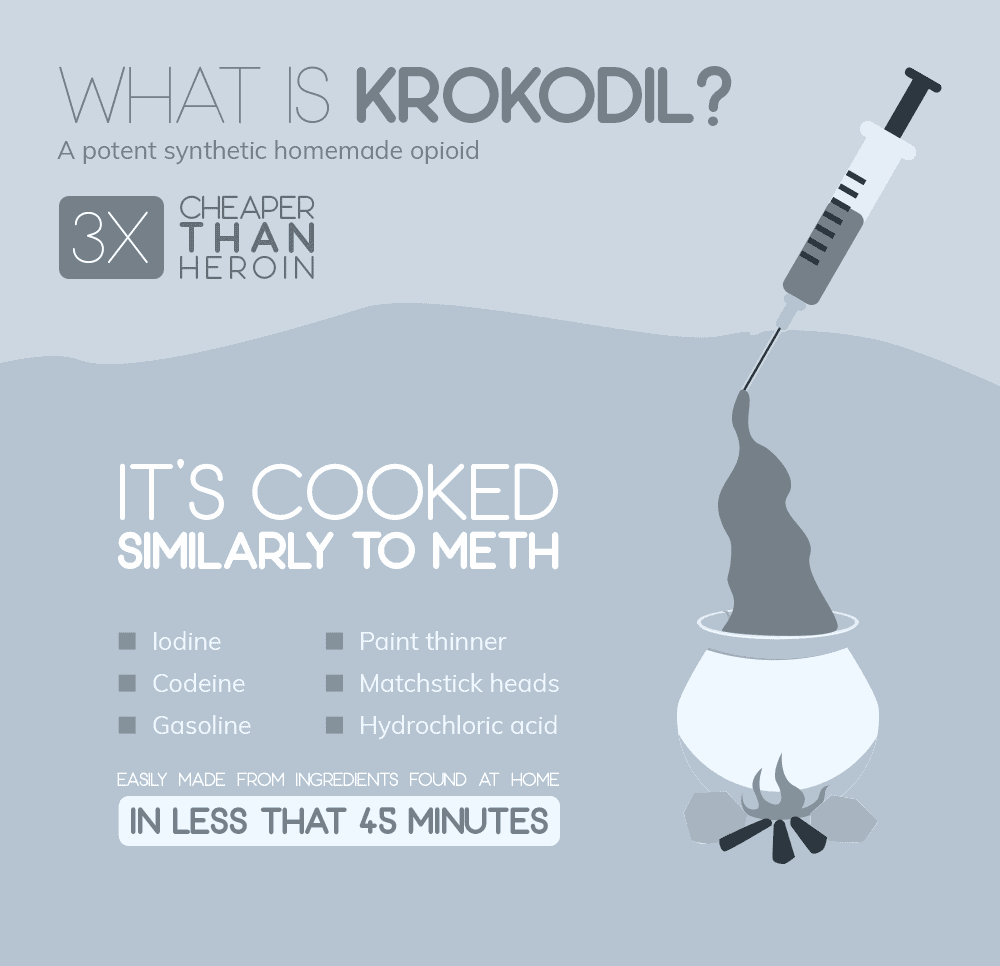
The question “what is krokodil made of?” extends beyond a simple chemical composition; it delves into a dark corner of illicit economics, revealing how readily available, inexpensive ingredients fuel a devastating trade. Krokodil, chemically desomorphine, is a potent opioid derivative renowned for its highly corrosive and flesh-eating effects. Its allure in the black market stems primarily from its incredibly low production cost and the relative ease with which its precursor chemicals can be obtained. Understanding its components through a financial lens reveals the grim efficiency of its illicit supply chain and the perverse economic incentives driving its manufacture.
Codeine: The Pharmaceutical Precursor and its Value Chain
At the core of krokodil’s synthesis is codeine, a legitimate pharmaceutical opioid commonly found in over-the-counter pain relievers and cough suppressants in many parts of the world. For the illicit manufacturer, codeine represents the primary active ingredient, the “gold standard” around which the rest of the synthesis revolves. The financial appeal lies in its accessibility and cost. In regions where krokodil production is rampant, codeine-containing medications can often be purchased without a prescription or are easily diverted from legitimate pharmaceutical supply chains. The street value of a single packet of codeine pills, while modest, offers a significant return on investment when converted into desomorphine, whose potency demands a higher price per dose. This initial procurement cost forms the bedrock of the illicit “business model,” highlighting a critical vulnerability in pharmaceutical distribution and regulatory oversight that drug producers exploit for maximum financial gain. The “value chain” here is distorted, transforming a therapeutic good into a weaponized chemical with a massively negative societal financial impact.
Industrial Solvents and Chemicals: Sourcing the “Recipe”
Beyond codeine, the “recipe” for krokodil involves a cocktail of household and industrial chemicals, each chosen for its role in the rudimentary synthesis process and, crucially, for its low cost and easy availability. These auxiliary ingredients typically include iodine, red phosphorus (often scraped from matchboxes), hydrochloric acid (found in drain cleaners), and a range of organic solvents like paint thinner, gasoline, or lighter fluid. The financial implications of these components are profound. They are generally cheap, require no special licenses for purchase, and are readily available at hardware stores, pharmacies, or even gas stations. This low barrier to entry for acquiring necessary chemicals drastically reduces production overheads for illicit manufacturers. From a business finance perspective, minimizing input costs is paramount for maximizing profit margins, and krokodil production epitomizes this principle in the most dangerous way imaginable. The producers leverage the legitimate market for these common goods, turning everyday items into instruments of severe harm with minimal financial outlay.
The Cost-Effectiveness of Devastation
The combination of easily sourced, inexpensive codeine with cheap, common industrial chemicals makes krokodil an exceptionally “cost-effective” drug to produce from the perspective of an illicit manufacturer. While specific figures fluctuate based on geography and market dynamics, estimates suggest that the street price of a single dose of krokodil can be many times lower than that of heroin, often by a factor of ten or more. This dramatic price differential is a direct result of the low cost of its raw materials and the simple, albeit hazardous, manufacturing process. This “cost-effectiveness” isn’t a boon; it’s a catastrophic driver of addiction and public health crises, particularly in economically depressed regions. The low production cost translates directly into a low market price, making it accessible to individuals with limited financial resources, thereby widening its potential user base and accelerating the spread of its devastating effects. It’s a stark illustration of how economic principles, when misapplied and exploited in illicit markets, can lead to widespread societal and personal financial ruin.
The Shadow Economy of Illicit Production
The production and distribution of krokodil exist entirely within a shadow economy, a clandestine financial system driven by illicit profit and characterized by extreme risk. This underground economic model thrives on exploiting regulatory loopholes, a lack of oversight, and socioeconomic vulnerabilities. Understanding its structure reveals not just the dangers of the drug itself, but the insidious financial mechanisms that perpetuate its spread.
Low Barriers to Entry, High Societal Cost

One of the most concerning financial aspects of krokodil production is its remarkably low barrier to entry. Unlike complex illicit drug operations that require specialized equipment, extensive chemical knowledge, or sophisticated logistics for precursor sourcing, krokodil can be “cooked” in rudimentary home laboratories using basic kitchen equipment. This decentralization of production means that almost anyone with access to the core ingredients and a basic understanding of the process can become a manufacturer. From an economic standpoint, low startup costs typically encourage entrepreneurship; in this context, it fosters a dangerous proliferation of small-scale, illicit drug operations. The “startup capital” required is minimal, making it an attractive “side hustle” or primary income source for individuals in desperate economic circumstances. However, while the financial barrier for individual producers is low, the societal cost is astronomically high. This cost manifests in overwhelmed healthcare systems, increased law enforcement expenditures, lost productivity from incapacitated individuals, and the long-term financial burden of rehabilitation and social services. The easy entry for producers directly correlates with a skyrocketing financial burden on public resources.
Supply Chain Risks and Financial Incentives
The supply chain for krokodil’s ingredients is characterized by its reliance on legitimate commercial channels, yet it operates with all the risks inherent in an illicit economy. The procurement of codeine, iodine, and solvents often involves small-scale diversions, fraudulent purchases, or transactions that cleverly evade scrutiny. For producers, managing this supply chain involves a continuous calculation of risk versus reward. The financial incentive is powerful: convert relatively cheap, legally available goods into a high-demand, illicit substance with a significant profit margin per dose. While the individual transactions for ingredients might be small, the cumulative financial flows within this shadow economy are substantial. Distributors and retailers of the finished product operate on even higher margins, factoring in the increased risk of trafficking a controlled substance. This creates a powerful financial incentive structure, driving individuals to participate at various points in the production and distribution network, despite the severe legal and personal dangers. The shadow economy of krokodil showcases a perverse application of classic economic principles, where maximizing profit and minimizing cost drive activities that result in immense social and financial devastation.
The Crushing Financial Burden on Individuals and Communities
The economic impact of krokodil extends far beyond the production and distribution profits of illicit manufacturers. Its devastating effects ripple through the lives of users, their families, and entire communities, imposing a crushing financial burden that is both immediate and long-lasting.
Personal Financial Ruin: The Addict’s Spiral
For individuals ensnared by krokodil addiction, the path to personal financial ruin is swift and almost inevitable. Initially drawn by the drug’s low cost, users quickly find themselves trapped in a cycle of escalating consumption and desperate measures to fund their habit. The destructive nature of the drug, which rapidly causes severe tissue damage, necessitates frequent medical attention, often in emergency rooms, incurring significant personal healthcare costs even for those with insurance. As the addiction progresses, holding down a job becomes impossible, leading to loss of income, job security, and career prospects. Savings are depleted, assets are sold or pawned, and debts accumulate. Relationships with family members, who might otherwise offer financial support, are strained or severed due to the user’s erratic behavior and constant demands for money. The cost of the drug itself, though low per dose, becomes overwhelming when consumed multiple times a day, every day. This creates a continuous, escalating financial drain, stripping individuals of their economic independence and condemning them to poverty, homelessness, and further marginalization. The initial “affordability” of krokodil becomes the ultimate financial trap, leading to total economic collapse for the user.
Societal Costs: Healthcare, Law Enforcement, and Lost Productivity
The financial toll of krokodil addiction on society is staggering, impacting healthcare systems, law enforcement agencies, and the broader economy. Healthcare providers face a unique and expensive challenge in treating krokodil users. The drug’s horrific flesh-eating properties often necessitate extensive and long-term medical interventions, including wound care, reconstructive surgery, and management of severe infections, all of which are incredibly costly. Hospitals and clinics bear the brunt of these expenses, diverting resources from other essential services. Law enforcement agencies face increased pressure and costs associated with combating the illicit production and distribution of the drug, including investigations, arrests, prosecutions, and incarceration. These expenditures strain municipal and national budgets, diverting funds that could otherwise be used for education, infrastructure, or legitimate economic development. Beyond direct costs, there’s the profound impact of lost productivity. Individuals incapacitated by krokodil addiction are removed from the workforce, representing a significant loss of human capital and economic output. This ripple effect extends to families who must care for addicted loved ones, often sacrificing their own financial stability and careers. The societal economic cost of krokodil is a stark reminder that the “cheapness” of its production is merely a deceptive facade, concealing a monumental and debilitating financial burden on communities.
Mitigating the Financial and Human Toll
Addressing the economic dimensions of krokodil addiction is crucial for developing comprehensive solutions that go beyond simply treating symptoms. Strategies must target the financial incentives driving production, support the economic recovery of individuals, and strengthen community resilience.

Economic Strategies for Prevention and Rehabilitation
Effective prevention and rehabilitation efforts against krokodil must incorporate robust economic strategies. On the prevention front, disrupting the illicit supply chain requires tightening regulations and increasing surveillance on the sale of codeine-containing medications and precursor chemicals. This means investing in pharmaceutical tracking systems, enhancing law enforcement capabilities to detect diversions, and collaborating internationally to control the trade of key ingredients. Financially, this involves allocating resources to these oversight mechanisms, understanding that upfront investment can prevent far greater downstream costs in healthcare and law enforcement. Education campaigns, designed to highlight not just the health risks but also the financial devastation associated with drug use, can serve as a deterrent, particularly for vulnerable populations. For those already addicted, rehabilitation programs must offer more than just medical treatment; they need to provide pathways to economic recovery. This includes vocational training, job placement assistance, financial literacy programs, and micro-loan initiatives to help individuals rebuild their lives and achieve economic independence. Investing in accessible, comprehensive rehabilitation services is an economic imperative, transforming individuals from a societal burden into productive members of the workforce. By addressing the root causes of economic desperation and providing viable alternatives to illicit income generation, societies can begin to dismantle the perverse financial incentives that fuel the trade of substances like krokodil. This holistic approach recognizes that sustainable recovery is deeply intertwined with financial stability and opportunity.
aViewFromTheCave is a participant in the Amazon Services LLC Associates Program, an affiliate advertising program designed to provide a means for sites to earn advertising fees by advertising and linking to Amazon.com. Amazon, the Amazon logo, AmazonSupply, and the AmazonSupply logo are trademarks of Amazon.com, Inc. or its affiliates. As an Amazon Associate we earn affiliate commissions from qualifying purchases.