
The question “What is Korea’s population?” might seem straightforward, a simple demographic query. However, when considering the context of a website deeply embedded in Tech, Brand, and Money, understanding Korea’s population takes on a richer, more nuanced meaning. It’s not just about the raw number; it’s about the characteristics of that population, their consumption habits, their adoption of new technologies, their brand loyalties, and their financial behaviors. In a nation that consistently punches above its weight in global innovation and cultural influence, its people are the engine driving these phenomena.
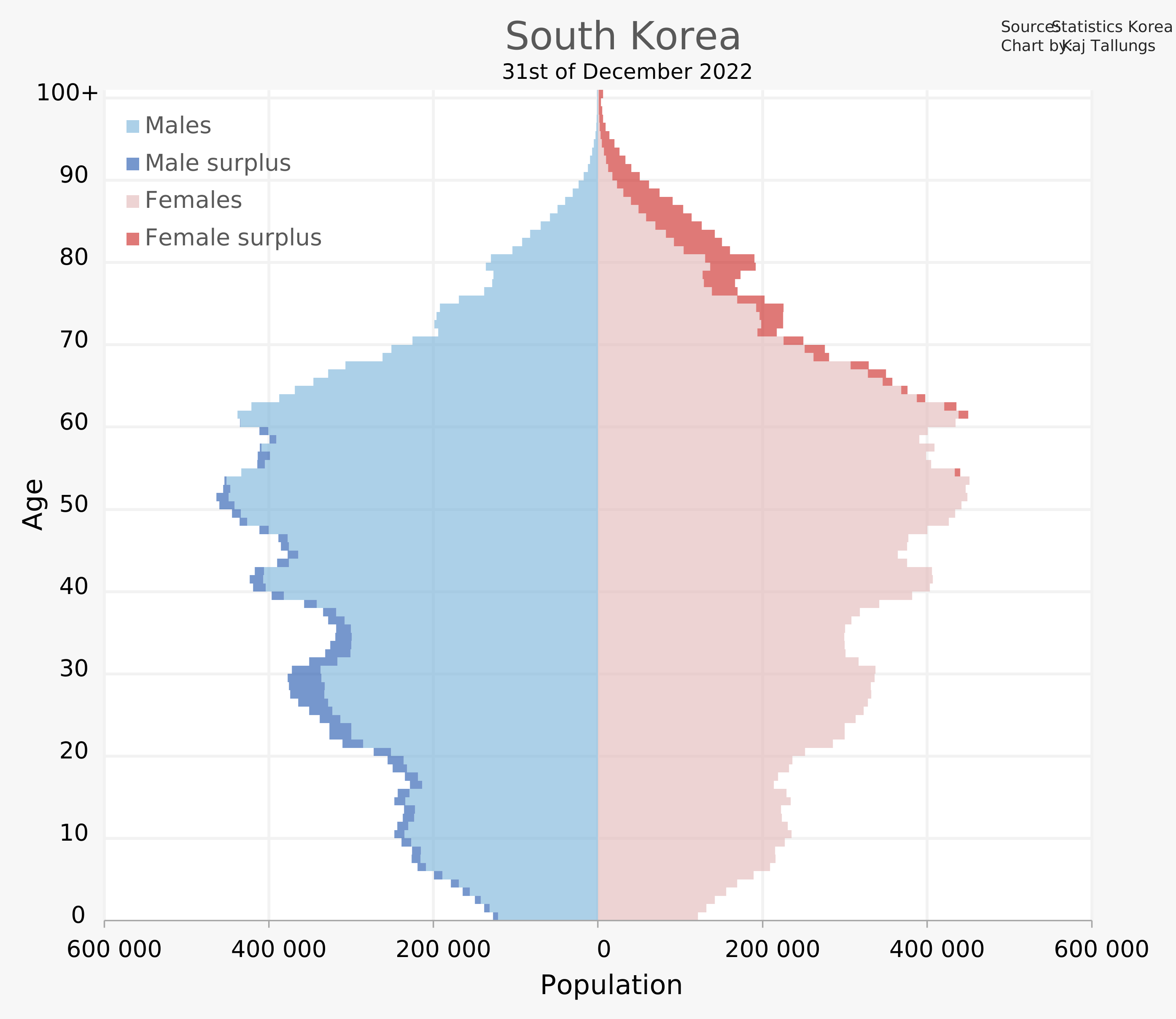
This article will delve into the current population of South Korea, but more importantly, it will explore how this demographic landscape intersects with the core themes of technology, branding, and economics that define our digital age. We will examine how Korea’s population size and composition influence its status as a tech powerhouse, how its consumer base shapes brand development and marketing strategies, and how its economic environment fosters both personal wealth creation and sophisticated financial practices.
The Shifting Sands: South Korea’s Current Population and Its Demographic Trends
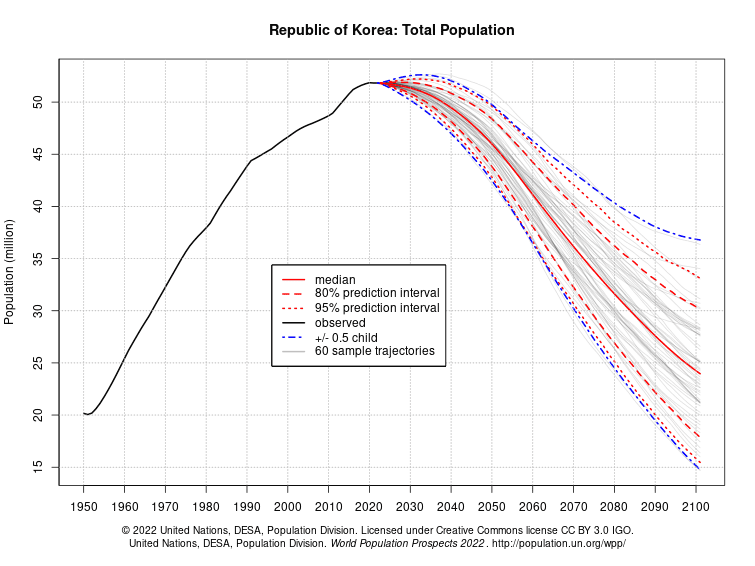
As of late 2023 and into early 2024, South Korea’s population hovers around 51.7 million people. While this number might seem modest compared to global giants, its impact is disproportionately large due to the nation’s high levels of education, technological adoption, and economic productivity. However, the most significant story concerning Korea’s population isn’t its current size, but its trajectory. South Korea is facing a profound demographic challenge: a rapidly aging population coupled with one of the world’s lowest birth rates.
The Alarming Decline: Low Birth Rates and Their Societal Impact
South Korea’s fertility rate has been a subject of international concern for years, consistently dropping to record lows. In 2023, the total fertility rate (the average number of children a woman is expected to have in her lifetime) dipped below 0.7 children per woman, a figure far below the replacement level of 2.1. This alarming decline is attributed to a complex interplay of factors:
- High Cost of Living and Education: Raising children in South Korea is incredibly expensive, particularly when it comes to private education and housing. The intense competition for university admissions and future job prospects places immense pressure on parents to invest heavily in their children’s early development.
- Career Pressures and Work-Life Balance: Both men and women face demanding work cultures, with long hours and a strong emphasis on career progression. This can make it difficult to balance professional ambitions with the responsibilities of parenthood, leading many to delay or forgo having children altogether.
- Societal Expectations and Gender Roles: Despite advancements, traditional gender roles still persist, often placing a disproportionate burden of childcare and domestic duties on women. This can be a significant deterrent for women who aspire to have both fulfilling careers and families.
- Housing Affordability: The soaring cost of housing, especially in major urban centers like Seoul, makes it challenging for young couples to establish stable homes, further impacting their willingness to start families.
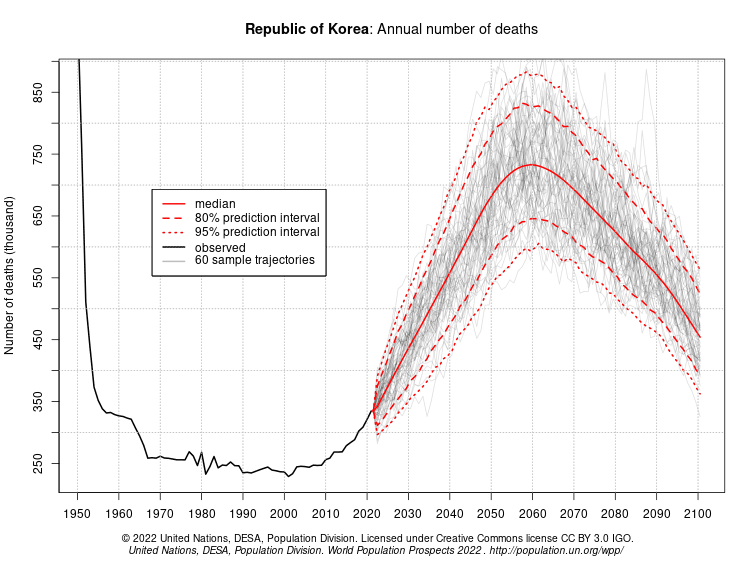
The implications of these low birth rates are far-reaching. They point towards a shrinking workforce, increased pressure on social welfare systems, and a potential decline in economic dynamism in the long term.
The Aging Tide: A Growing Elderly Population
Complementing the low birth rate is a significant increase in life expectancy, leading to a rapidly aging population. South Korea is now one of the oldest societies in the world. This demographic shift presents its own set of challenges and opportunities:
- Strain on Healthcare and Pension Systems: A larger elderly population naturally requires more extensive healthcare services and places a greater demand on pension funds. The sustainability of these systems is a critical concern for the government and future generations.
- Shifting Consumer Demands: As the population ages, consumer preferences and market demands evolve. There is a growing need for products and services catering to seniors, from healthcare solutions and assistive technologies to leisure activities and specialized financial planning.
- Potential for a “Silver Economy”: While presenting challenges, an aging population also signifies a substantial market segment – the “silver economy.” This sector encompasses a wide range of goods and services specifically designed for older adults, representing a significant economic opportunity.
Understanding these demographic trends is crucial for businesses operating in or looking to enter the South Korean market. It dictates consumer behavior, market potential, and the very fabric of societal needs.
The Korean Population as a Catalyst for Tech Innovation and Adoption
South Korea’s population, despite its demographic challenges, is a driving force behind its remarkable technological prowess. The nation consistently ranks among the world leaders in internet penetration, smartphone adoption, and the development and deployment of cutting-edge technologies.
A Hyper-Connected Society: Early Adopters and Digital Natives
The Korean population is characterized by its deep integration with technology. High-speed internet is ubiquitous, and smartphone ownership is nearly universal. This hyper-connectivity creates a fertile ground for:
- Rapid Adoption of New Technologies: Koreans are notoriously early adopters. From 5G networks and foldable smartphones to the latest AI-powered apps and smart home devices, the market is quick to embrace innovation. This provides a valuable testing ground for tech companies and allows them to refine their products based on immediate user feedback.
- Digital Fluency and Savvy Consumers: The population is highly digitally literate, meaning they are comfortable navigating complex digital interfaces, understanding software functionalities, and discerning the value of new tech offerings. This sophistication also translates to a demand for high-quality, user-friendly digital experiences.
- E-commerce and Digital Services Dominance: The ease of access to high-speed internet and widespread smartphone use has fueled the explosive growth of e-commerce and digital services. Online shopping, food delivery apps, ride-sharing platforms, and digital payment systems are deeply ingrained in daily life.
The Driving Force Behind AI and Software Development
The high level of tech engagement within the Korean population is not just about consumption; it also fuels the development of new technologies. The demand for more sophisticated apps, personalized digital experiences, and efficient productivity tools creates a constant push for innovation in software and AI.
- AI Integration into Daily Life: From personalized recommendations on streaming platforms to AI-powered customer service chatbots, artificial intelligence is increasingly woven into the fabric of Korean life. The population’s willingness to interact with AI-driven systems provides valuable data for further development and refinement.
- Demand for Productivity and Efficiency Tools: In a society that values hard work and efficiency, there is a constant appetite for software and apps that can streamline tasks, enhance productivity, and improve work-life balance (where possible). This drives innovation in project management tools, collaboration software, and personal organization apps.
- The “K-Tech” Ecosystem: South Korea has fostered a robust domestic tech ecosystem. Companies like Samsung, LG, and SK Hynix are global leaders in hardware, but there’s also a burgeoning scene in software development, cybersecurity solutions, and AI startups, all nurtured by a technically adept and demanding consumer base.
Understanding the population’s digital fluency and their thirst for innovation is paramount for any tech company seeking to succeed in this dynamic market.
Brand Loyalty and the Power of Korean Consumer Culture
The Korean population’s relationship with brands is a fascinating study in consumer psychology, cultural identity, and strategic marketing. While driven by innovation, they are also deeply influenced by brand narratives, quality, and their connection to national pride.
The Rise of K-Branding: Global Appeal and Domestic Pride
South Korea has successfully cultivated a powerful global brand identity, often referred to as “K-Branding.” This phenomenon extends beyond K-Pop and K-Dramas to encompass a wide array of products and services, from beauty and fashion to technology and food.
- National Pride as a Marketing Tool: There is a strong sense of national pride associated with Korean brands that achieve international success. This can translate into heightened loyalty and a willingness to support domestic companies, even in the face of global competition.
- Emphasis on Quality and Innovation: Korean brands have built a reputation for high quality, meticulous attention to detail, and continuous innovation. This is particularly evident in sectors like consumer electronics and cosmetics, where Korean products often set industry standards.
- Aesthetic Appeal and Design Excellence: A significant aspect of Korean branding is its strong emphasis on sophisticated and appealing design. From product packaging to user interface design, aesthetics play a crucial role in capturing consumer attention and building brand desirability.
Personal Branding and the Pursuit of Influence
In a society that highly values achievement and social standing, personal branding has become increasingly important. The Korean population, particularly younger generations, are adept at cultivating their online presence and leveraging social media to build their personal brands.
- Social Media as a Brand-Building Platform: Platforms like Instagram, YouTube, and TikTok are heavily utilized for self-expression, career advancement, and the promotion of personal lifestyles and expertise. This creates a landscape where individuals can become influencers and build significant followings.
- The “Influencer Economy”: The rise of influencers has had a profound impact on marketing. Brands increasingly collaborate with personal influencers to reach specific demographic segments, leveraging their credibility and authentic connection with their followers.
- Corporate Identity and Reputation Management: For businesses, maintaining a strong corporate identity and actively managing their reputation is crucial. In an era of rapid information flow and social media scrutiny, a well-defined brand and a proactive approach to public relations are essential for long-term success.
The Korean consumer is discerning and engaged, making brand strategy and effective marketing more critical than ever.
Money, Finance, and the Korean Population’s Economic Landscape
The economic landscape of South Korea, shaped by its population’s financial behaviors and the nation’s overall economic policies, offers a compelling picture for those interested in Money, Investing, and Online Income.
A Nation of Savers and Savvy Investors
Despite the high cost of living, South Koreans are known for their strong savings culture. This is driven by a desire for financial security, a commitment to education, and an increasing interest in investing for the future.
- High Savings Rates and Financial Prudence: Traditionally, Koreans have exhibited high savings rates. This financial prudence is nurtured by a strong emphasis on financial education and a desire to secure future prosperity for themselves and their families.
- Growing Interest in Investments: Beyond traditional savings accounts, there’s a growing appetite for diverse investment opportunities. This includes stocks, bonds, real estate, and increasingly, alternative investments. The widespread adoption of financial apps and online brokerage platforms facilitates this engagement.
- The Influence of Fintech: South Korea is at the forefront of fintech innovation. The population readily embraces digital banking, mobile payment solutions, and investment platforms that offer convenience, accessibility, and personalized financial advice.
Navigating Online Income and Entrepreneurship
The tech-savvy nature of the Korean population, combined with a dynamic economic environment, has created fertile ground for online income generation and entrepreneurial ventures.
- The Gig Economy and Side Hustles: While traditional employment remains important, there’s a growing acceptance and participation in the gig economy and various side hustles. This provides individuals with opportunities to supplement their income and explore new career paths.
- E-commerce as a Business Opportunity: The robust e-commerce infrastructure makes it relatively easy for individuals and small businesses to set up online stores and reach a wide customer base. This has fueled a surge in online entrepreneurship.
- Financial Tools and Planning for the Future: With an increasing focus on long-term financial well-being, there’s a demand for sophisticated financial planning tools. This includes retirement planning services, investment advisory platforms, and wealth management solutions.
The Korean population is not just a consumer base; they are active participants in the financial ecosystem, driven by a desire for security, growth, and innovation.
Conclusion: The Interconnectedness of Korea’s Population with Tech, Brand, and Money
The question “What is Korea’s population?” is far more than a demographic statistic. It represents a complex, dynamic, and influential group of people whose characteristics profoundly shape their nation’s standing in the global arena of Tech, Brand, and Money.
We’ve seen how South Korea’s population, despite facing demographic headwinds, remains a powerhouse of technological innovation and adoption, driven by digital fluency and a thirst for the next big thing. We’ve explored how their discerning tastes and national pride fuel a vibrant brand landscape, both domestically and internationally. And we’ve examined their financial acumen, their growing interest in investment, and their embrace of new economic opportunities in the digital age.
Understanding the population of Korea is therefore essential for anyone seeking to comprehend the forces driving global innovation, the intricacies of brand building, and the evolution of financial markets. Their story is a testament to the power of a connected, educated, and aspirational populace in shaping the modern world. As Korea continues to navigate its demographic shifts, its people’s adaptability and their intrinsic connection to technology, brand, and financial advancement will undoubtedly continue to define its trajectory and influence the global landscape for years to come.
aViewFromTheCave is a participant in the Amazon Services LLC Associates Program, an affiliate advertising program designed to provide a means for sites to earn advertising fees by advertising and linking to Amazon.com. Amazon, the Amazon logo, AmazonSupply, and the AmazonSupply logo are trademarks of Amazon.com, Inc. or its affiliates. As an Amazon Associate we earn affiliate commissions from qualifying purchases.