
In the rapidly evolving landscape of personal finance, few innovations have disrupted the traditional credit model as significantly as “Buy Now, Pay Later” (BNPL). At the forefront of this movement is Klarna, a Swedish fintech giant that has transformed from a niche payment processor into a global financial ecosystem. For consumers navigating the modern digital economy, understanding Klarna is no longer just about knowing a checkout button; it is about understanding a fundamental shift in how we manage cash flow, leverage credit, and interact with retail debt.
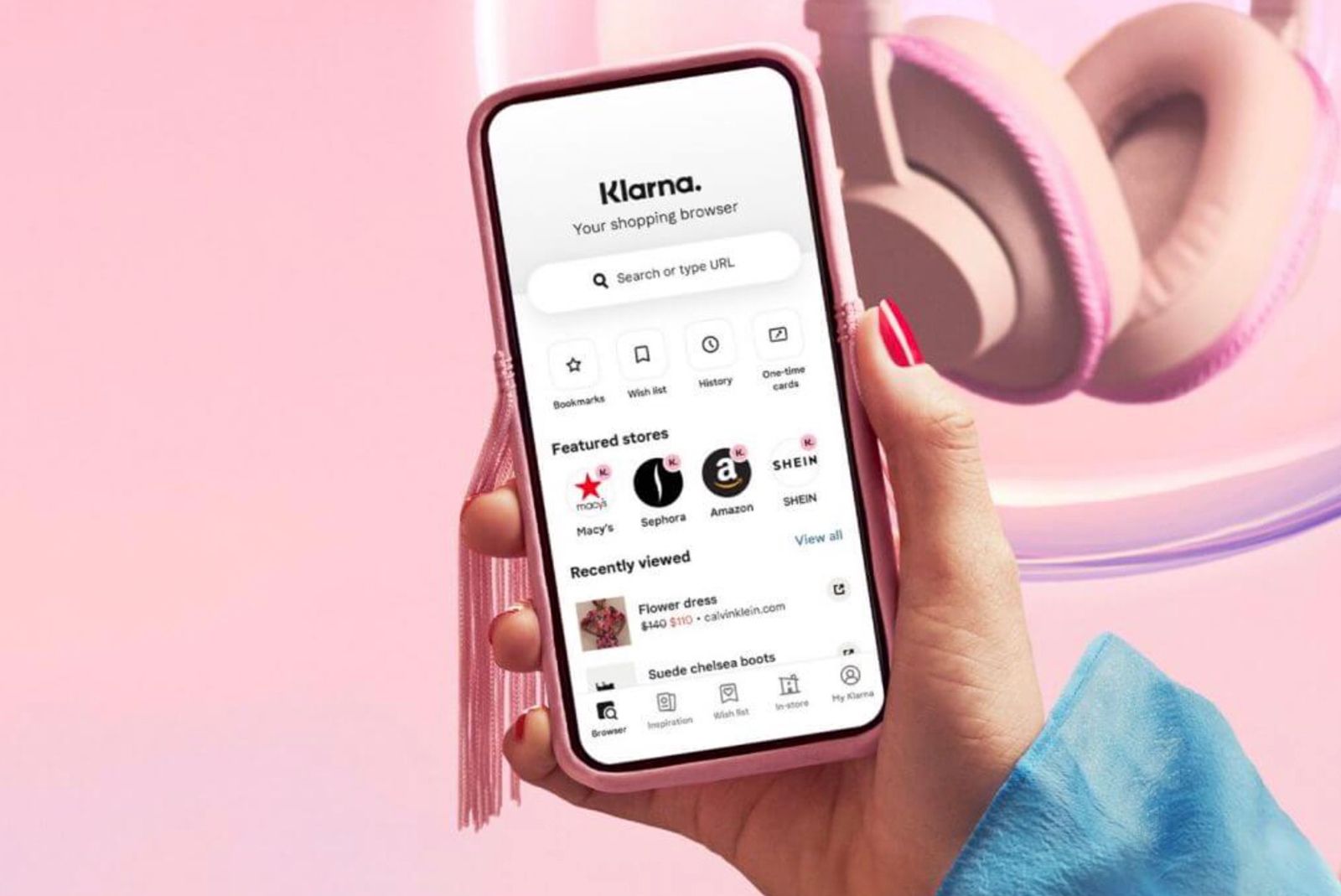
This guide explores Klarna through the lens of modern finance, examining its operational mechanics, its impact on personal credit, and the strategic role it plays in a well-rounded financial toolkit.
Understanding the BNPL Model and How Klarna Works
At its core, Klarna is a financial intermediary that provides short-term point-of-sale loans. Unlike traditional credit cards that provide a revolving line of credit, Klarna’s primary products are structured as installment plans attached to specific purchases. This model is designed to lower the barrier to entry for high-ticket items while providing consumers with a predictable repayment schedule.
The Core Offerings: Pay in 4 and Pay in 30
Klarna’s most popular product is the “Pay in 4” model. When a consumer selects this at checkout, the total purchase price is divided into four equal installments. The first payment is made at the time of purchase, and the remaining three are automatically charged to the user’s linked debit or credit card every two weeks. For the consumer, this is an interest-free arrangement, provided payments are made on time.
Another pillar of Klarna’s strategy is the “Pay in 30” option. This allows customers to receive their goods and try them out before any money leaves their account. After 30 days, the full balance is due. This has become particularly popular in fashion e-commerce, effectively turning the consumer’s home into a fitting room without the immediate financial commitment of a traditional transaction.
Financing and Longer-Term Credit Options
Beyond the interest-free short-term windows, Klarna offers “Financing” for much larger purchases, such as furniture or high-end electronics. These plans can range from 6 to 36 months. Unlike the “Pay in 4” model, these are traditional credit products that often carry an Annual Percentage Rate (APR). In this capacity, Klarna functions much like a traditional bank, providing structured personal loans with transparent monthly payments.
The Checkout Experience: Integration with Retailers
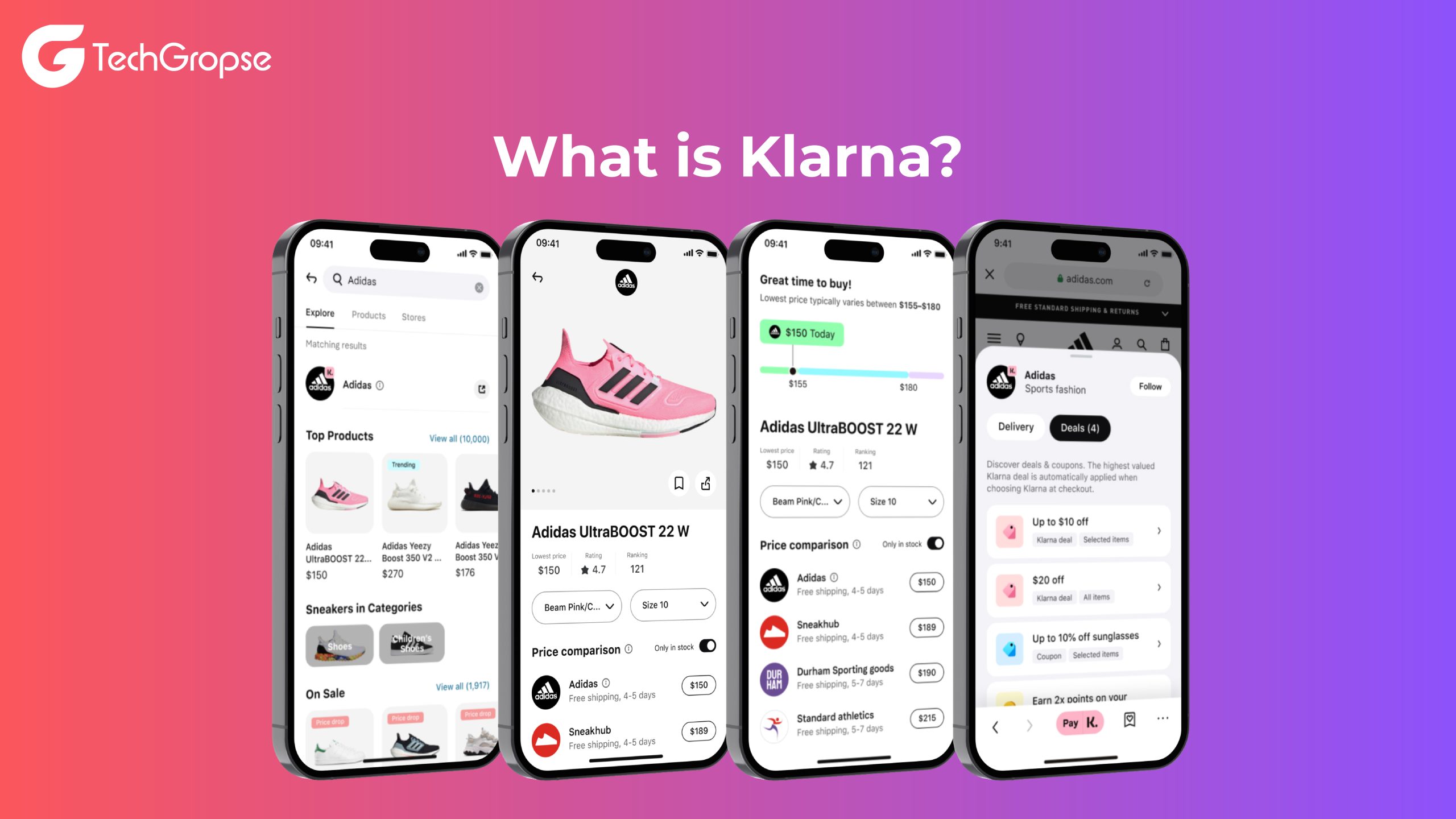
Klarna’s success is largely attributed to its seamless integration with merchant platforms. By partnering with millions of retailers globally, Klarna removes “transaction friction.” When a customer sees the Klarna logo at checkout, the psychological barrier of a $400 price tag is reduced to a $100 immediate commitment. This integration is the engine of the “nudge economy,” where financial tools are designed to facilitate spending through ease of use and perceived affordability.
The Financial Impact: Credit Scores, Interest, and Fees
From a financial management perspective, the most critical aspect of using Klarna is understanding its relationship with credit reporting agencies and the cost of capital. While Klarna markets itself as a consumer-friendly alternative to high-interest credit cards, it is still a form of debt that requires disciplined management.
Soft vs. Hard Credit Checks
One of Klarna’s primary selling points is that its short-term products (Pay in 4 and Pay in 30) typically only require a “soft” credit check. A soft check allows Klarna to verify your identity and financial standing without leaving a mark on your credit report or affecting your credit score. This makes it accessible to individuals who may be wary of traditional credit applications.
However, it is vital to note that for their long-term “Financing” products, Klarna may perform a “hard” credit pull. This is a formal inquiry that can temporarily lower your credit score and will appear on your credit history. Consumers must distinguish between these two tiers of service before committing to a purchase.
Late Fees and Penalties: What Happens if You Miss a Payment?
While the “Pay in 4” model is interest-free, it is not “consequence-free.” If a scheduled payment fails due to insufficient funds, Klarna will typically make a second attempt. If the payment remains unpaid, late fees may be applied. While these fees are often capped to prevent runaway debt, the financial impact is real. More importantly, consistent missed payments can lead to a restriction of the user’s “Klarna Limit,” effectively cutting off their access to the service in the future.
Impact on Long-term Borrowing Power

While Klarna does not always report “on-time” payments for short-term plans to credit bureaus (meaning you might not “build” credit by using it), they do reserve the right to report defaulted accounts or significant delinquencies to debt collection agencies. For a consumer looking to buy a home or a car in the future, an unresolved Klarna debt can be just as damaging as a traditional credit card default. In the eyes of modern lenders, BNPL history is increasingly becoming a factor in holistic risk assessment.
Strategic Budgeting with Klarna
Used wisely, Klarna is a powerful tool for cash flow management. Used impulsively, it can lead to “lifestyle creep” and financial overextension. To utilize Klarna as a professional financial tool, one must understand the difference between leveraging liquidity and accumulating “phantom debt.”
Using Klarna as a Cash Flow Management Tool
In professional finance, the goal is often to keep cash in your own account for as long as possible (the time value of money). If you have the cash to buy a $1,000 item but choose to pay in four interest-free installments, you keep $750 in your high-yield savings account or investment portfolio for a longer duration. When used this way, Klarna is a tool for maintaining liquidity rather than a crutch for spending money you don’t have.
The Pitfalls of “Phantom Debt”
The danger of BNPL services is the phenomenon of “phantom debt.” Because the individual payments are small ($25 here, $40 there), it is easy for a consumer to lose track of their total monthly obligations. A dozen “small” installments can quickly aggregate into a monthly debt burden that rivals a mortgage or car payment. Financial experts recommend treating every Klarna purchase as a line item in a monthly budget to ensure the “total” debt remains within a safe percentage of monthly income.
Comparing Klarna to Traditional Credit Cards
The primary advantage of Klarna over a credit card is the lack of compounding interest on short-term plans. Traditional credit cards are notorious for “minimum payments” that barely cover the interest, leading to debt cycles that last years. Klarna’s structured installments ensure the debt is extinguished within six weeks. However, credit cards offer rewards points, travel insurance, and more robust consumer protections that Klarna may not match. The choice between the two should be based on the user’s ability to pay the full balance of a credit card monthly versus their preference for the rigid structure of BNPL.
Consumer Protections and Financial Security
Security and dispute resolution are paramount when using digital financial tools. Klarna has invested heavily in creating a secure ecosystem that protects both the buyer and the seller, but users must be aware of how to navigate these systems.
The Klarna Buyer’s Protection Policy
Klarna offers a “Buyer’s Protection Policy” which acts as a safety net for online shopping. If an item doesn’t arrive, is significantly different from the description, or if the merchant is unresponsive, Klarna provides a mechanism to “pause” payments while the dispute is investigated. This provides a layer of security similar to the protections offered by major credit card issuers, giving consumers peace of mind when shopping with unfamiliar online boutiques.
Managing Disputes and Returns
The integration of returns within the Klarna app is one of its strongest functional features. When a user initiates a return with a merchant, they can report the return in the Klarna app. This typically pauses the payment plan so the consumer isn’t paying for an item they no longer possess. Once the merchant processes the return, Klarna adjusts the statement accordingly. This level of financial synchronization is a major evolution over the traditional “pay first, get a refund weeks later” model.
Data Security in Modern Fintech
As a licensed bank in certain jurisdictions (including Sweden), Klarna is subject to rigorous financial regulations. They utilize high-level encryption and two-factor authentication to protect user data. However, as with all fintech apps, the user remains the first line of defense. Utilizing strong, unique passwords and monitoring the app for unauthorized activity is essential for maintaining digital financial security.
Conclusion: The Future of Responsible Spending
Klarna represents the democratization of credit, moving it away from the gatekeepers of traditional banking and into the palms of consumers’ hands. In the modern money landscape, it serves as a bridge between immediate desire and long-term financial stability.
The key to mastering Klarna lies in intentionality. When used to smooth out necessary expenses or to maintain liquidity while earning interest elsewhere, it is an sophisticated financial instrument. However, it requires a high degree of “financial literacy” to avoid the traps of fragmented debt. By understanding the mechanics of interest-free installments, the nuances of credit reporting, and the importance of disciplined budgeting, consumers can leverage Klarna to enhance their purchasing power without compromising their financial future. As the fintech sector continues to grow, Klarna remains a benchmark for how we will likely interact with money: faster, more transparently, and integrated into the very fabric of our digital lives.
aViewFromTheCave is a participant in the Amazon Services LLC Associates Program, an affiliate advertising program designed to provide a means for sites to earn advertising fees by advertising and linking to Amazon.com. Amazon, the Amazon logo, AmazonSupply, and the AmazonSupply logo are trademarks of Amazon.com, Inc. or its affiliates. As an Amazon Associate we earn affiliate commissions from qualifying purchases.