
The landscape of personal finance has undergone a seismic shift over the last decade. As traditional banking institutions grapple with aging infrastructures, fintech innovators have stepped in to redefine how consumers interact with their money. At the forefront of this revolution is Klarna, a Swedish financial technology giant that has popularized the “Buy Now, Pay Later” (BNPL) phenomenon. But what exactly is Klarna, and how does it fit into a modern financial strategy?
This guide explores the intricacies of Klarna from a money-management perspective, detailing its payment structures, its impact on credit health, and how it serves as a sophisticated tool for the modern consumer’s budget.

Understanding the Buy Now, Pay Later (BNPL) Model
At its core, Klarna is a point-of-sale (POS) financing service. It acts as an intermediary between the merchant and the consumer, allowing the shopper to receive their goods immediately while spreading the cost over a specified period. This model, known globally as Buy Now, Pay Later, has become a cornerstone of the digital economy.
The Mechanics of Deferred Payments
In a traditional transaction, the exchange of value is instantaneous: you pay the full amount, and the merchant provides the product. Klarna disrupts this by paying the merchant in full on your behalf. You then owe Klarna the balance. For the merchant, this is beneficial as it increases conversion rates and average order values. For the consumer, it offers liquidity—the ability to maintain cash flow while still making necessary or desired purchases.
The brilliance of the BNPL model lies in its simplicity. Instead of navigating the complexities of a loan application at a bank, the financing is integrated directly into the checkout flow of thousands of retailers. Within seconds, an algorithm assesses the user’s eligibility, making it one of the most frictionless financial tools available today.
How Klarna Differs from Traditional Credit Cards
While both Klarna and credit cards offer a way to delay payment, the underlying financial structures are vastly different. A credit card provides a revolving line of credit with a monthly billing cycle. If the balance is not paid in full, the user is hit with high-interest rates, often exceeding 20% APR.
Klarna, specifically through its shorter-term products, typically charges zero interest. It does not operate on a revolving basis; rather, each purchase is treated as a standalone installment loan. This prevents the “compounding interest trap” that many credit card users fall into. By providing a fixed repayment schedule, Klarna encourages a “dead-end” debt structure—meaning the debt has a clear expiration date, rather than a balance that can linger for years.
Klarna’s Core Payment Products and Services
Klarna offers a suite of financial products tailored to different purchasing needs. Understanding the nuances of these options is essential for maintaining a healthy balance sheet.
Pay in 4: The Signature Interest-Free Installment Plan
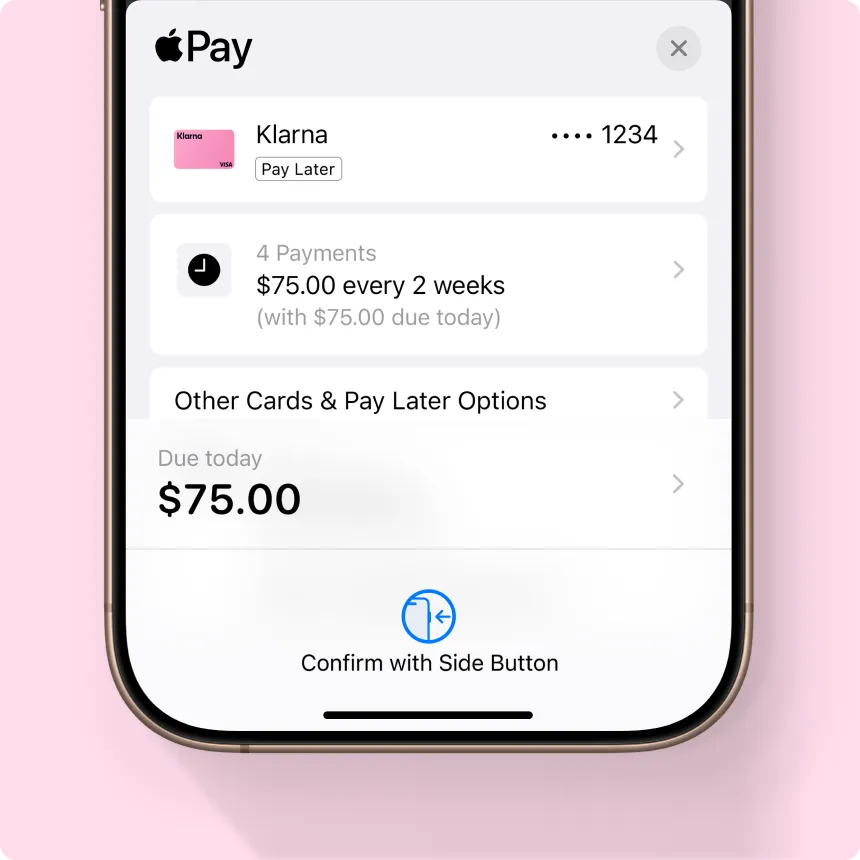
The “Pay in 4” model is Klarna’s most popular feature. When a consumer selects this option, the total purchase price is divided into four equal installments. The first payment is made at the time of purchase, and the remaining three are automatically charged every two weeks.
From a personal finance perspective, this is a powerful tool for cash flow management. For example, if you are purchasing a $400 essential appliance, paying $100 today and $100 every two weeks allows you to keep more money in your high-yield savings account for longer, earning interest on the balance while you slowly pay down the item. As long as these payments are made on time, the service is entirely free of interest and fees.
Pay in 30 Days: Flexibility for Online Shoppers
The “Pay in 30” option is designed primarily for the “try before you buy” experience. This is particularly useful in the fashion industry. A consumer can order multiple sizes of a garment, receive them, try them on, and return what doesn’t fit—all before a single cent leaves their bank account.
After 30 days, the user pays for only what they kept. This eliminates the often-frustrating wait for a merchant to process a refund, which can sometimes take weeks to hit a traditional bank account. In this scenario, Klarna acts as a buffer, protecting the consumer’s primary liquidity.
Monthly Financing: Managing Larger Purchases
For high-ticket items like furniture or electronics, Klarna offers traditional financing plans that can range from 6 to 36 months. Unlike the “Pay in 4” model, these longer-term plans often carry an interest rate (APR) and require a more formal credit check.
This product functions more like a traditional personal loan. It is essential for consumers to compare Klarna’s APR with other financing options, such as a personal loan from a credit union or a 0% introductory APR credit card, to ensure they are securing the lowest cost of capital.
The Financial Impact: Credit Scores and Debt Management
A common question among those utilizing fintech tools is how these services affect their credit profile. The answer depends heavily on which Klarna product you use and your consistency in repayment.
Soft vs. Hard Credit Inquiries
For most of its “Pay in 4” and “Pay in 30” transactions, Klarna performs what is known as a “soft credit check.” This allows Klarna to verify your identity and see your basic financial history without leaving a mark on your credit report. This is a significant advantage over traditional credit cards, where every application results in a “hard inquiry” that can temporarily lower your credit score.
However, if you opt for the longer-term “Monthly Financing” product, Klarna may perform a hard credit check. Furthermore, while Klarna traditionally hasn’t reported on-time payments for short-term installments to the major credit bureaus, this is changing as the industry moves toward more transparency.
Responsible Spending and Late Fee Structures
The risk associated with Klarna isn’t interest—it’s the psychology of spending. The ease of “splitting” a payment can make an expensive item seem more affordable than it truly is, leading to over-extension.
If a payment is missed, Klarna may charge a late fee (typically capped to ensure it doesn’t become predatory). More importantly, missing payments can result in being barred from using the service in the future. From a money management standpoint, the key is to treat Klarna payments as “fixed expenses” in your budget, ensuring the funds are available in your checking account on the bi-weekly due dates.
Leveraging the Klarna App for Personal Budgeting
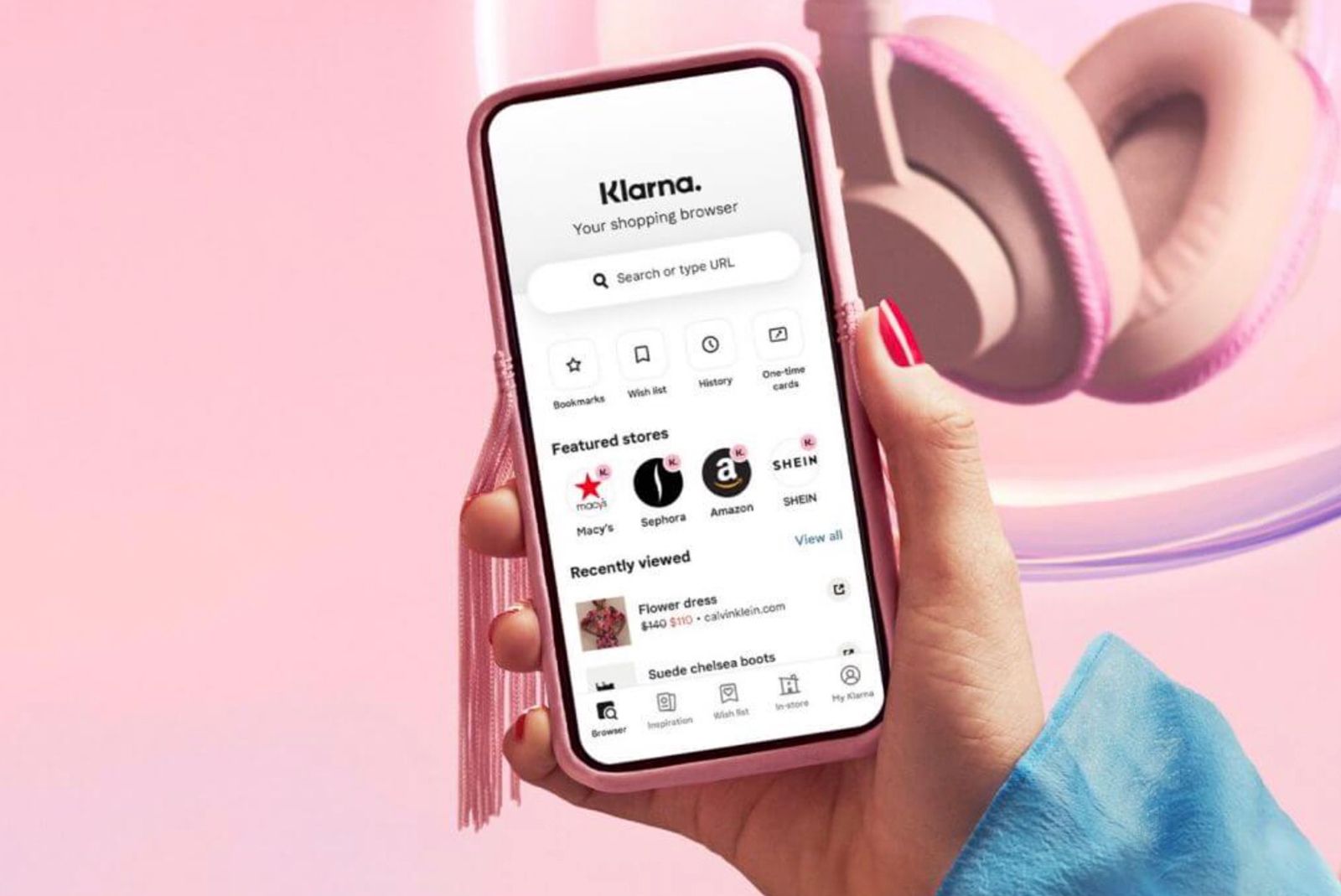
Beyond just a payment processor, Klarna has evolved into a comprehensive financial management app. For the savvy user, the app provides several tools to optimize personal finances.
Tracking Expenses and Managing Repayment Schedules
One of the greatest challenges of using multiple BNPL services is the fragmentation of debt. The Klarna app solves this by providing a centralized dashboard. Users can see every upcoming payment across various merchants in one clear timeline. This “birds-eye view” is crucial for preventing “subscription fatigue,” where several small payments add up to a significant monthly drain on resources.
Rewards Programs and Strategic Saving
Klarna has integrated rewards (often called “Vibe”) and price-drop notifications into its ecosystem. Users can save items to “Collections” and receive alerts when the price decreases.
From a financial strategy perspective, this encourages “delayed gratification.” By waiting for a price drop and then using a “Pay in 4” plan, a consumer can significantly reduce the total cost of ownership of a product. Additionally, the rewards earned through the app can often be converted into gift cards or discounts, effectively providing a small percentage of “cash back” on necessary spending.
The Future of Consumer Finance in a Digital-First Economy
The rise of Klarna signals a broader shift in how society views debt and banking. We are moving away from the era of “revolving debt” toward a future of “calculated installments.”
The Shift Away from Traditional Banking
Younger generations, in particular, are showing a marked preference for BNPL over traditional credit cards. This is largely due to a desire for transparency and a distrust of the opaque fee structures associated with big banks. Klarna’s success has forced traditional institutions to launch their own versions of installment plans (such as “My Chase Plan” or “American Express Plan It”), proving that the BNPL model is now a permanent fixture of the financial ecosystem.
Integrating Klarna into Your Long-Term Financial Strategy
Klarna should be viewed as a tool in a broader financial toolkit. It is not a replacement for an emergency fund or a long-term investment strategy, but rather a way to optimize short-term cash flow.
To use Klarna effectively, one should follow the “rule of necessity”: use it to spread the cost of planned purchases, but avoid using it to facilitate impulse buys that fall outside of your monthly budget. When used with discipline, Klarna offers a level of financial flexibility that was once reserved for those with the highest credit scores, democratizing access to smart capital management in the digital age.
In conclusion, Klarna is more than just a “payment button” at checkout. It is a sophisticated financial instrument that, when understood and managed correctly, can help consumers maintain liquidity, avoid high-interest debt, and navigate the modern retail environment with greater financial control.
aViewFromTheCave is a participant in the Amazon Services LLC Associates Program, an affiliate advertising program designed to provide a means for sites to earn advertising fees by advertising and linking to Amazon.com. Amazon, the Amazon logo, AmazonSupply, and the AmazonSupply logo are trademarks of Amazon.com, Inc. or its affiliates. As an Amazon Associate we earn affiliate commissions from qualifying purchases.