
In the rapidly evolving landscape of financial technology, Klarna has established itself as a dominant force, primarily known for its “Buy Now, Pay Later” (BNPL) services. However, as the company transitions from a simple payment processor into a comprehensive retail banking provider, it has introduced several features designed to give users more control over their liquidity. One of the most significant additions to this ecosystem is Klarna Balance.
Klarna Balance is essentially a stored-value account within the Klarna app. It functions as a digital wallet where users can hold funds, receive refunds, and manage their spending more directly. Unlike the traditional BNPL model, which relies on credit and deferred payments, Klarna Balance represents a shift toward a more holistic financial management tool. For users navigating the complexities of online shopping and personal budgeting, understanding how this feature works is essential for maximizing the utility of the Klarna platform.

Decoding the Mechanics of Klarna Balance
At its core, Klarna Balance operates similarly to a prepaid account or a digital checking sub-account. It is a dedicated space within the Klarna ecosystem where your money resides until you decide how to use it. This feature was born out of the necessity to streamline the user experience, particularly regarding the friction points of online commerce such as returns and rewards.
The Transition from BNPL to Full-Scale FinTech
For years, Klarna’s identity was tied to debt-based products—splitting a $100 purchase into four interest-free installments. While this remains a core offering, Klarna Balance signals a strategic pivot toward “front-end” banking. By allowing users to hold a balance, Klarna is no longer just a middleman in a transaction; it becomes a destination for capital. This allows the company to compete more directly with traditional banks and other digital wallets like PayPal or Apple Cash.
How the Stored Value Account Works
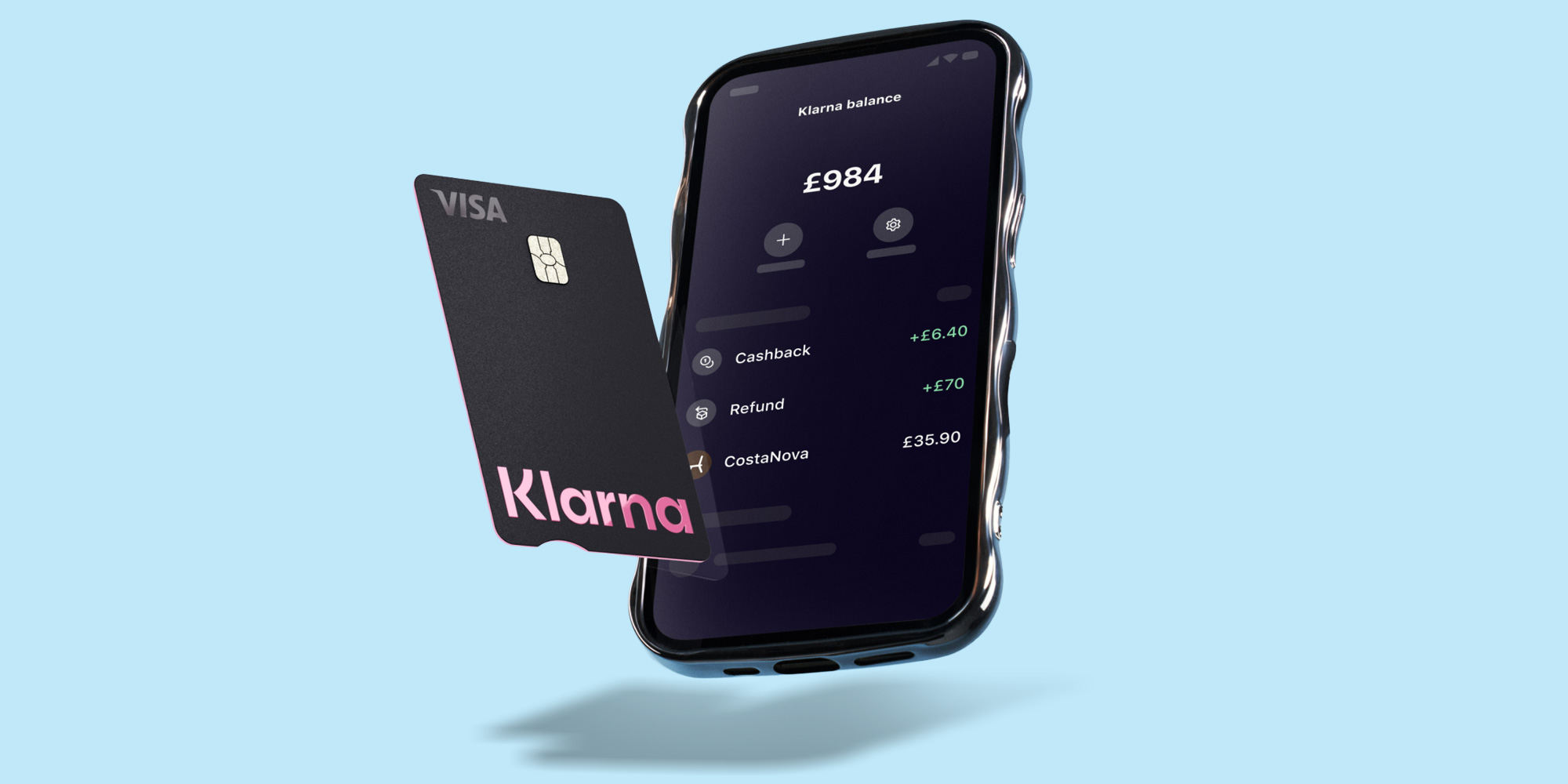
When you have a Klarna Balance, the funds are held in an account that you can view and manage through the mobile app or web interface. Money can enter this account through several channels: direct top-ups from a linked bank account, cashback earned through Klarna’s rewards program, or, most commonly, refunds from merchants.
Instead of waiting several business days for a refund to travel through the traditional banking system (from the merchant to the payment processor to your bank), Klarna can often credit the refund to your Klarna Balance almost instantly. This liquidity is then immediately available for your next purchase or can be transferred out to a traditional bank account.
The Strategic Advantages of Using Klarna Balance for Personal Finance
From a personal finance perspective, Klarna Balance offers more than just convenience; it provides a layer of financial organization that can help users maintain better control over their discretionary spending.
Streamlining Refunds and Reversals
One of the primary pain points in e-commerce is the “refund lag.” When a consumer returns an item, the capital is often tied up for a week or more. Klarna Balance resolves this by serving as a landing zone for these funds. By keeping refunds within the Klarna ecosystem, the platform ensures that users have immediate access to their money. This is particularly beneficial for high-volume shoppers who may have multiple returns in progress at any given time.
Budgeting and Financial Discipline
Klarna Balance can be used as a budgeting tool. By “top-topping up” a specific amount of money into the balance at the start of the month, a user can set a hard limit on their discretionary shopping. When the balance is depleted, the spending stops. This “prepaid” approach is a powerful psychological barrier against the overextension that sometimes occurs with credit-based BNPL services. It encourages a “save-then-spend” mentality rather than “spend-now-worry-later.”
Earning Interest and Cashback Rewards
In certain regions, Klarna has integrated interest-bearing features and cashback incentives directly into the Balance account. When users shop through the Klarna app at participating retailers, the cashback earned is deposited into their Klarna Balance. Over time, these small percentages can accumulate into a significant sum, which can then be used to pay off existing “Pay Later” installments or to fund future purchases, effectively reducing the net cost of goods.

Practical Management: Loading, Spending, and Withdrawing
Understanding how to navigate the operational side of Klarna Balance is key to ensuring it works for your financial lifestyle rather than against it.
Adding Funds to Your Account
To use Klarna Balance as a spending tool, you first need to fund it. This is typically done by linking a debit card or a bank account. In the “Money” or “Budget” section of the app, users can select the option to add funds. This process is generally instantaneous. Some users choose to automate this, transferring a portion of their paycheck into the balance to cover their monthly “Klarna-based” subscriptions or planned purchases.
The Role of the Klarna Card
The utility of Klarna Balance is significantly amplified when paired with the Klarna Card. This physical or virtual Visa card allows users to spend their Klarna Balance anywhere Visa is accepted, not just at Klarna-integrated merchants. When you make a purchase with the card, you can choose to have the funds deducted immediately from your Klarna Balance. This turns the app into a functional replacement for a traditional debit card, backed by the robust tracking and budgeting tools found within the Klarna interface.
Transferring Funds Back to Your Bank
A common concern for users is the “trapped money” syndrome. However, Klarna Balance is designed to be liquid. Users can withdraw their funds back to a linked bank account at any time. While the deposit into Klarna Balance is often instant, withdrawing it back to a traditional bank can take between 1 to 3 business days, depending on the banking institution’s processing times. It is important to note that there are typically no fees associated with these transfers, making the movement of capital relatively frictionless.
Security, Regulation, and Consumer Protection
When dealing with stored value accounts and digital wallets, security is a paramount concern. Because Klarna Balance holds actual currency, it is subject to different regulatory standards than a simple credit-facilitation tool.
Is Your Money Safe?
Klarna is a licensed bank in several jurisdictions, including Sweden, which means it must adhere to strict European banking regulations. In the United States and other markets, Klarna partners with established financial institutions to hold user funds. These funds are typically protected by deposit insurance (such as the FDIC in the US or similar schemes in Europe), up to certain limits. Furthermore, Klarna employs high-level encryption, two-factor authentication (2FA), and biometric login requirements to ensure that the balance is only accessible by the account holder.
Understanding the Regulatory Framework
As a financial institution, Klarna must comply with Anti-Money Laundering (AML) and Know Your Customer (KYC) regulations. This means that to use the Klarna Balance feature, users may be required to verify their identity by providing a government-issued ID or social security number. While this might seem like an extra step, it is a critical component of modern financial security, preventing fraud and ensuring that the platform remains a safe environment for all participants.
The Future of Klarna Balance in a Cashless Society
As we move toward an increasingly digital and cashless economy, the role of all-in-one financial apps becomes more central. Klarna Balance is a clear indicator of where the industry is headed: toward the “Super App” model.
In the future, we can expect Klarna Balance to integrate more deeply with other financial products. This could include automated savings goals, where a portion of your balance is set aside for a specific purchase, or even investment options where your idle balance could be placed into low-risk market instruments.
Furthermore, as Klarna continues to expand its merchant network, the “closed-loop” economy of Klarna Balance will become more valuable. If a user receives their salary into a Klarna-associated account, spends via Klarna Balance, and earns rewards back into that same balance, the efficiency of their financial life increases. They avoid the “middleman fees” and delays associated with traditional banking silos.
In conclusion, Klarna Balance is far more than a simple holding pen for refunds. It is a sophisticated financial tool that bridges the gap between debt-based shopping and disciplined wealth management. By providing a transparent, secure, and highly liquid environment for managing funds, Klarna is empowering consumers to take a more proactive role in their financial journeys. Whether you are using it to catch cashback rewards, manage returns, or set a strict shopping budget, Klarna Balance is a pivotal feature for the modern, digitally-savvy consumer.
aViewFromTheCave is a participant in the Amazon Services LLC Associates Program, an affiliate advertising program designed to provide a means for sites to earn advertising fees by advertising and linking to Amazon.com. Amazon, the Amazon logo, AmazonSupply, and the AmazonSupply logo are trademarks of Amazon.com, Inc. or its affiliates. As an Amazon Associate we earn affiliate commissions from qualifying purchases.