
The humble bag of kitty litter, a household staple for cat owners globally, appears on the surface to be a straightforward product. Yet, beneath its seemingly simple utility lies a complex world of material science, strategic sourcing, and meticulous design choices—all intrinsically linked to a brand’s identity, market positioning, and ultimate success. Understanding “what kitty litter is made of” is not merely a question of chemistry; it’s a deep dive into the foundational decisions that define a brand’s promise, differentiate it in a competitive landscape, and resonate with its target audience. Every ingredient, from the primary absorbent to the smallest additive, contributes to the brand narrative and the user experience it seeks to deliver.
The Foundation of Feline Comfort: Material Choices as Brand Pillars
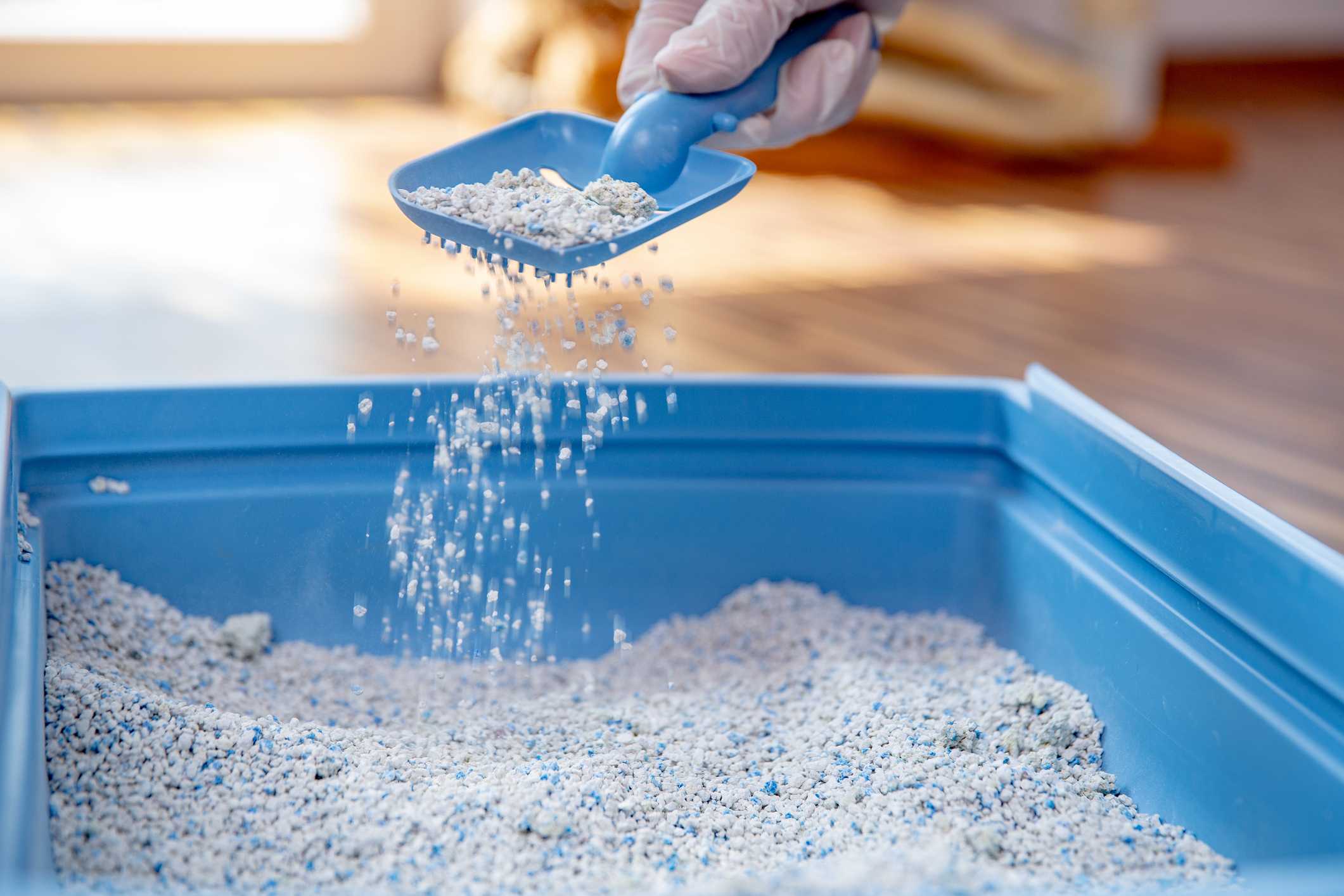
At its core, kitty litter’s primary function is absorption and odor control. The choice of the main material dictates a brand’s core offering, influencing everything from performance claims to price point and target demographic. Brands strategically select these materials to embody specific values and functionalities, thereby establishing distinct pillars for their corporate identity and marketing messages.
Bentonite Clay: The Legacy Brand Standard
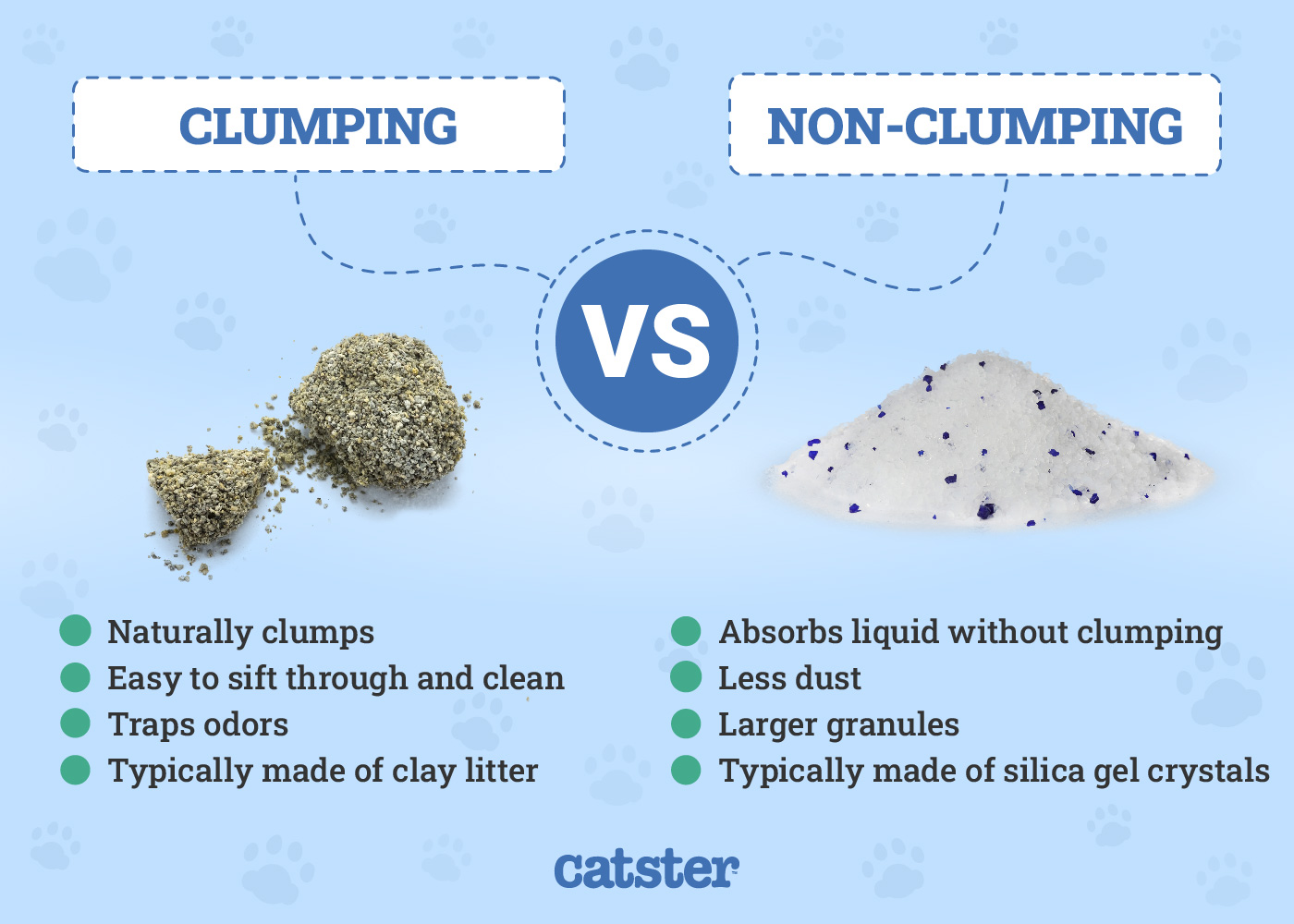
For decades, sodium bentonite clay has been the undisputed king of kitty litter. Its unique ability to swell up to 15 times its dry volume upon contact with liquid, forming hard, scoopable clumps, made it a revolutionary product. Brands leveraging bentonite clay often position themselves on a foundation of reliability, proven performance, and cost-effectiveness. The appeal of bentonite lies in its strong clumping action, which simplifies waste removal and helps maintain cleanliness. However, bentonite-based brands must also address common drawbacks such as dust, weight, and environmental concerns regarding its mining and non-biodegradability. Marketing often focuses on superior clumping strength, traditional trust, and a familiar user experience, cementing a brand’s place as a dependable choice for the mass market.
Silica Gel: The Modern Performance Brand
In contrast, silica gel litters represent a more modern, performance-oriented brand strategy. Made from silicon dioxide, these non-clumping crystals excel at absorbing moisture and locking away odors through a vast network of microscopic pores. Brands utilizing silica gel position themselves on claims of superior odor control, longer-lasting freshness, and lighter weight compared to traditional clay. This choice caters to consumers willing to invest more for convenience and effectiveness, particularly those sensitive to odors or seeking less frequent litter changes. The visual appeal of the crystals and the premium feel often associated with them contribute to a brand image of innovation, efficiency, and a sleek, contemporary lifestyle. Marketing emphasizes advanced technology and a clean, fresh home environment, targeting a segment that prioritizes high performance and minimal fuss.
Plant-Based Litters: The Sustainable & Niche Brand Proposition
The rise of eco-consciousness has spurred the growth of plant-based litters, crafting a brand identity centered around sustainability, naturalness, and biodegradability. Materials such as corn, wheat, wood (pine, cedar), paper, soy, and even walnut shells offer alternatives to mineral-based options. Brands in this category appeal to environmentally aware consumers who prioritize renewable resources, flushable options, and a lighter ecological footprint. Their brand narratives often highlight origin stories, natural scents (or lack thereof), and animal-friendly compositions free from synthetic chemicals or fragrances. While performance metrics like clumping and odor control can vary widely among these materials, brands meticulously develop and market their specific plant-based advantages—be it exceptional absorbency of wood pellets, the soft texture of wheat, or the tight clumping of corn. This niche often allows for premium pricing, justified by ethical sourcing, sustainable production, and a strong brand connection with conscious consumer values.
Beyond the Base: Additives and Enhancements in Brand Differentiation
While the primary absorbent material forms the core, what sets many brands apart are the secondary ingredients and proprietary technologies integrated into their products. These additives are not merely functional; they are strategic tools used to craft distinct brand experiences and address specific consumer pain points, thereby carving out unique market segments.
Scented vs. Unscented: Catering to Brand Segments
The debate between scented and unscented litter is a classic example of brand segmentation. Brands offering scented options, infused with fragrances like “fresh linen,” “lavender,” or “pine,” target consumers who prioritize masking odors and maintaining a pleasant ambient scent in their homes. These scents become part of the brand’s sensory identity, creating an emotional connection with freshness and cleanliness. However, brands also understand the significant demand for unscented options, catering to pet owners concerned about allergies, respiratory sensitivities in cats or humans, or simply those who prefer a neutral environment. Brands often offer both, but their core messaging may lean one way, establishing a primary identity (e.g., “the fresh-smelling choice” versus “the hypoallergenic option”). The decision to scent or not to scent directly impacts who a brand speaks to and what promise it makes.

The Role of Novel Additives in Brand Innovation
Beyond fragrance, a myriad of additives serve to enhance performance and differentiate brands. Activated charcoal, baking soda, and zeolites are frequently incorporated for their natural odor-absorbing properties. Brands highlight these inclusions as advanced solutions for odor control, reinforcing a commitment to freshness without relying solely on perfumes.
Proprietary odor-neutralizing technologies, often a blend of undisclosed compounds, are a prime example of brand innovation. Companies invest heavily in R&D to develop these unique formulations, which then become a cornerstone of their marketing claims (e.g., “24/7 odor defense,” “locks away odor at the source”). These technological differentiators allow brands to command higher price points and establish themselves as leaders in solving specific consumer problems, creating intellectual property that underpins their competitive advantage.
Furthermore, some brands incorporate probiotics or other beneficial microbes aimed at breaking down odor-causing bacteria, positioning themselves as scientifically advanced and proactive in feline hygiene. Anti-dust agents are another critical additive, appealing to consumers and cats sensitive to airborne particles, reinforcing a brand’s commitment to health and clean living spaces. Each additive offers a unique angle for branding, allowing companies to fine-tune their product offerings and speak directly to diverse consumer needs and preferences.
Sustainability and Sourcing: Core to Modern Brand Identity
In today’s market, a brand’s commitment to environmental responsibility and ethical sourcing is no longer a niche concern but a mainstream expectation. For kitty litter brands, the choice of materials and the transparency of their supply chain are powerful tools for shaping a modern, responsible corporate identity and resonating with a growing segment of conscious consumers.
Eco-Conscious Materials: Building Green Brand Narratives
The shift towards eco-conscious materials is a direct response to consumer demand for sustainable products. Brands that opt for biodegradable and renewable resources like corn, wheat, wood, or recycled paper are actively constructing a “green” brand narrative. This involves more than just selecting the material; it requires communicating the environmental benefits clearly and authentically. Marketing efforts often highlight reduction in landfill waste, use of agricultural by-products, and lower carbon footprints. Such brands position themselves not just as providers of a product, but as partners in responsible consumption, appealing to a demographic that values ecological stewardship alongside product performance. For example, a brand might emphasize its use of sustainably harvested wood or non-GMO corn, linking directly to broader environmental and ethical movements.
From Mine to Market: Supply Chain Transparency as a Brand Asset
Beyond the material itself, the journey of that material—from its origin to the final product—is increasingly scrutinized. Brands that can demonstrate transparency in their sourcing practices build significant trust and credibility. This means understanding and communicating whether materials like bentonite clay are responsibly mined with minimal environmental impact and proper land reclamation, or if plant-based ingredients are sourced from sustainable farms that do not contribute to deforestation or excessive water usage.
A brand’s commitment to fair labor practices within its supply chain can also become a powerful differentiator. Brands that share details about their manufacturing processes, their adherence to environmental regulations, and their ethical standards are viewed as more trustworthy and responsible. In a world where consumers increasingly vote with their wallets, a clear, verifiable story about how a product is made, and where its ingredients come from, transforms supply chain transparency from an operational necessity into a potent brand asset, fostering loyalty and positive brand perception.
Material Innovation and Brand Future-Proofing
The kitty litter market, though seemingly mature, is ripe for innovation, driven by evolving consumer expectations, technological advancements, and a competitive landscape. Brands that invest in material innovation are not just improving products; they are future-proofing their identity, staying relevant, and potentially disrupting the market to establish new leadership positions.
The R&D Edge: Driving Brand Evolution Through Material Science
Research and development into new materials and combinations are critical for brand evolution. This involves exploring novel absorbents, enhancing existing ones, or developing composite materials that offer synergistic benefits. For instance, brands might investigate bio-engineered materials, advanced polymers, or even waste materials from other industries that can be repurposed. The goal is to develop litters that offer superior clumping, enhanced odor control, reduced dust, lighter weight, and improved sustainability all at once. Brands that actively engage in this material science demonstrate a commitment to continuous improvement and innovation, positioning themselves as forward-thinking and cutting-edge. This R&D edge allows a brand to launch “next-generation” products, creating new categories or significantly improving upon existing ones, thereby reinforcing its image as a leader rather than a follower.
Adapting to Market Shifts: Material Strategy for Brand Resilience
Consumer preferences are dynamic. What was once acceptable, such as high-dust clay litter, may no longer meet modern expectations for health and cleanliness. Similarly, increasing environmental awareness pushes brands towards greener alternatives. Regulatory changes, such as restrictions on certain chemicals or mining practices, also necessitate material adaptation.
A proactive material strategy ensures brand resilience. This involves constantly evaluating new raw materials, testing their performance, and assessing their economic viability and environmental impact. Brands that can swiftly adapt their material composition to meet these shifts—whether by introducing a new plant-based line, perfecting a low-dust formula, or developing a more efficient clumping technology—demonstrate agility and responsiveness. This ability to evolve not only retains existing customers but also attracts new segments, safeguarding the brand’s relevance and market share in the long term. Material innovation, therefore, is not just about making a better product; it’s about building a brand that can anticipate and navigate the future.