
Kinect, an innovative motion-sensing input device developed by Microsoft, fundamentally altered how users could interact with their Xbox consoles. Launched initially for the Xbox 360 in November 2010, and later refined for the Xbox One, Kinect promised a revolutionary controller-free gaming experience. It transcended traditional button presses and joystick movements, inviting players to use their entire bodies, voices, and even facial expressions to control on-screen actions. More than just a peripheral, Kinect represented a significant leap in natural user interface (NUI) technology, pushing the boundaries of human-computer interaction beyond the gaming sphere into various other fields.

A Gateway to Controller-Free Interaction
At its core, Kinect was designed to transform the human body into a game controller. This vision aimed to democratize gaming, making it more intuitive and accessible to a wider audience, including casual players and families. By eliminating the need for a handheld device, Kinect sought to immerse users more deeply in virtual worlds, fostering a sense of direct engagement previously unattainable.
A Revolutionary Peripheral
When Kinect first hit the market, it was met with immense curiosity and excitement. It was the fastest-selling consumer electronics device in history at the time, underscoring the public’s eagerness for new ways to interact with technology. Its sleek, horizontal bar design, often positioned above or below a television screen, housed a sophisticated array of sensors and microphones that continuously scanned its environment. The device allowed players to jump, kick, dance, and speak commands, translating these real-world actions into in-game movements and menu selections. This departure from conventional gaming controllers opened up new genres and experiences, particularly those focused on physical activity, social interaction, and intuitive navigation.
The Promise of Natural Interaction
The allure of Kinect lay in its promise of natural interaction. Instead of learning complex button combinations, users could simply perform actions that felt instinctive. For instance, in a racing game, steering might involve leaning left or right; in a dance game, replicating on-screen choreography became the primary input. Voice commands provided an additional layer of convenience, allowing users to navigate menus, launch applications, or even control media playback with spoken words. This multi-modal input system aimed to make the console experience seamless and fluid, blurring the lines between the user and the digital interface. It wasn’t just about gaming; it was about making the entire console ecosystem more responsive to human presence and intention.
The Technology Underpinning Kinect
The magic of Kinect was not just in its user experience but in the complex technological ensemble working behind the scenes. Its ability to perceive depth, track skeletal movements, and understand voice commands relied on a sophisticated array of sensors and custom software algorithms, marking a significant advancement in computer vision and sensory input systems for consumer devices.
Depth Sensing and Skeletal Tracking
The most groundbreaking aspect of Kinect was its depth-sensing capability. The original Xbox 360 Kinect utilized a structured light system, projecting a grid of infrared points onto the environment and then capturing their distortion with an infrared camera. This allowed the device to create a 3D depth map, distinguishing players from the background and determining their distance from the sensor. Building upon this depth map, Kinect’s software employed advanced algorithms to identify and track up to six human bodies simultaneously, recognizing 20 specific joints (like elbows, knees, and shoulders) per person. This “skeletal tracking” enabled the console to understand a player’s posture, movements, and gestures in real-time, translating them into in-game actions with remarkable accuracy. The second iteration for the Xbox One improved upon this, using a Time-of-Flight (ToF) camera system for even greater precision, higher resolution, and a wider field of view, allowing it to see in darker conditions and track subtle movements like wrist rotation or even changes in facial expression.
Voice Recognition and Audio Processing
Beyond visual tracking, Kinect also incorporated a powerful audio processing unit. It featured a multi-microphone array designed to isolate the user’s voice from ambient noise and console sounds, even in noisy living room environments. This beamforming technology allowed Kinect to pinpoint the direction from which sound was coming, focusing its attention on the primary speaker. The integrated voice recognition software then transcribed spoken commands, enabling users to navigate menus, control media playback, launch games, and interact with applications purely through voice. For instance, commands like “Xbox, go home” or “Xbox, pause” became common interactions, adding another layer of hands-free convenience that extended beyond gaming into the general console user interface.
The Software Layer and API
The raw data from Kinect’s sensors—depth information, skeletal coordinates, and audio streams—was just the beginning. Microsoft provided a robust Software Development Kit (SDK) and Application Programming Interface (API) for developers. This SDK abstracted the complex sensor data into easily manageable inputs, allowing game developers and researchers to integrate Kinect’s capabilities into their applications without needing to master intricate computer vision algorithms. The software layer handled everything from noise reduction and calibration to gesture recognition and semantic interpretation of voice commands. This developer-friendly approach was crucial for Kinect’s widespread adoption, not just in gaming but also in academic research, robotics, and various commercial applications, showcasing its versatility as a powerful human-computer interaction tool.
Kinect’s Impact on Gaming and Beyond
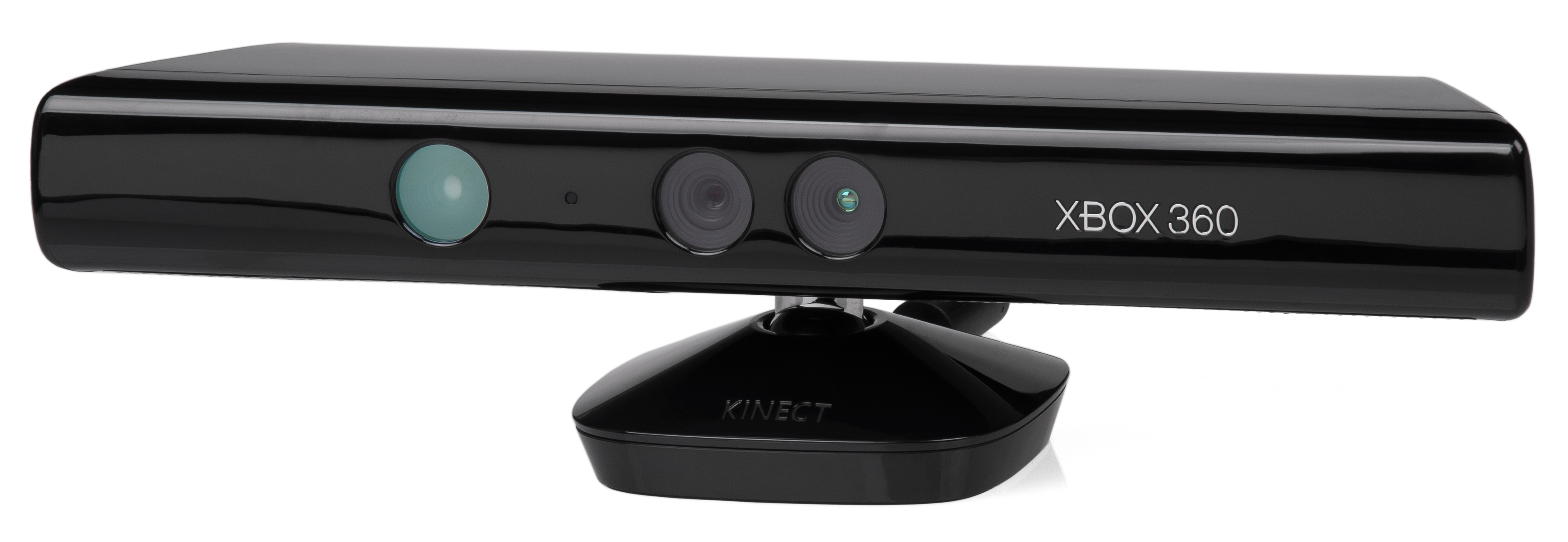
Kinect’s introduction represented a paradigm shift in how people perceived and interacted with video games, creating unique experiences that leveraged full-body motion and voice commands. While its primary focus was entertainment, the underlying technology quickly demonstrated potential far beyond the living room.
Redefining Gameplay Mechanics
For Xbox 360, Kinect brought forth a wave of titles that capitalized on its innovative input. Games like Kinect Adventures!, bundled with the sensor, provided an immediate demonstration of its capabilities through river rafting and dodgeball-like challenges. Dance games such as Dance Central series thrived on Kinect’s precise body tracking, demanding accurate replication of choreography. Fitness titles like Your Shape: Fitness Evolved used the sensor to monitor users’ form during exercises, providing real-time feedback. These games offered experiences that were fundamentally different from traditional controller-based gameplay, often encouraging more active and social engagement. The Xbox One iteration, integrated directly into the console’s architecture from launch, promised deeper integration with core games and system navigation, though its mandatory inclusion and higher price point eventually became a point of contention.
Beyond the Living Room: Unlocking New Potentials
While gaming was Kinect’s initial and most prominent application, its advanced sensor array and SDK quickly attracted attention from researchers, developers, and innovators outside the entertainment industry. Microsoft released the “Kinect for Windows” SDK, enabling the device to be used with PCs and allowing third-party developers to explore its capabilities in a myriad of non-gaming contexts.
Kinect for Windows and Academic Research
The availability of Kinect for Windows opened floodgates for innovation. Universities and research institutions began utilizing Kinect for projects spanning robotics, human-computer interaction studies, computer vision, and even virtual reality. Its affordable price point, compared to industrial-grade depth cameras, made advanced 3D sensing accessible to a broader scientific community. Researchers developed applications for gesture-controlled interfaces for operating systems, assistive technologies for people with disabilities, and tools for analyzing human motion in sports science or physical therapy.
Commercial and Industrial Applications
Kinect also found its way into commercial and industrial sectors. In retail, it was explored for interactive advertising displays, virtual fitting rooms, and customer analytics. Healthcare professionals experimented with Kinect for remote patient monitoring, rehabilitation exercises, and surgical training simulations, leveraging its ability to track movement without physical contact. Manufacturing and automotive industries looked into its potential for quality control, worker safety monitoring, and gesture-based control of machinery. These diverse applications underscored Kinect’s versatility and its fundamental contribution to bridging the gap between physical action and digital response in everyday scenarios.
Kinect’s Enduring Legacy and Evolution
Despite its initial explosive success and technological prowess, Kinect’s journey was not without its challenges. The device eventually saw a decline in prominence within the Xbox ecosystem, but its impact on technology, particularly in the realm of natural user interfaces and computer vision, remains undeniable, influencing future innovations.
Challenges and Decline within Xbox
The shift from Xbox 360 to Xbox One brought changes that ultimately challenged Kinect’s long-term viability. For the Xbox One, Kinect was initially bundled with every console, contributing to a higher price point compared to competitors, which was met with consumer resistance. While the Xbox One Kinect was technologically superior—offering improved depth sensing, wider field of view, and more accurate voice recognition—developers struggled to integrate it meaningfully into core gaming experiences. Many major titles found it difficult to implement compelling Kinect features without alienating players who preferred traditional controllers or those who didn’t have optimal room setups for motion control. Microsoft eventually unbundled Kinect from the Xbox One and later ceased production of the sensor itself, marking the end of its direct role as a primary Xbox peripheral.
Pioneering Natural User Interfaces
Notwithstanding its eventual withdrawal from the console market, Kinect left an indelible mark as a pioneer in natural user interfaces. It successfully brought sophisticated 3D sensing, skeletal tracking, and robust voice command processing into the consumer electronics space at an accessible price. Its success spurred significant research and development in gesture recognition, speech processing, and computer vision across the tech industry. The insights gained from Kinect’s performance in varied real-world environments contributed to advancements in AI, machine learning, and sensor fusion techniques.

Influence on Future Technologies
Kinect’s legacy extends far beyond its direct commercial lifespan. The fundamental technologies it popularized—depth cameras, advanced skeletal tracking, and integrated voice commands—have since become common components in various modern devices. Elements of Kinect’s design philosophy and sensor technology can be seen in facial recognition systems for smartphone security, augmented reality (AR) and virtual reality (VR) headsets that track body and hand movements, and even smart home devices that respond to voice commands. The principles of creating a more intuitive, hands-free interaction with technology, which Kinect championed, continue to drive innovation in human-computer interaction, laying groundwork for future interfaces where technology adapts to human behavior rather than the other way around. Kinect may no longer be produced, but its technological spirit lives on, shaping how we interact with the digital world.
aViewFromTheCave is a participant in the Amazon Services LLC Associates Program, an affiliate advertising program designed to provide a means for sites to earn advertising fees by advertising and linking to Amazon.com. Amazon, the Amazon logo, AmazonSupply, and the AmazonSupply logo are trademarks of Amazon.com, Inc. or its affiliates. As an Amazon Associate we earn affiliate commissions from qualifying purchases.