
Kik Messenger, commonly known as Kik, emerged in 2010 as a pioneering instant messaging application, carving out a significant niche in the burgeoning mobile communication landscape. Developed by Kik Interactive, the app differentiated itself early on by offering a free, cross-platform messaging service that allowed users to communicate without exchanging phone numbers, relying instead on unique usernames. This architectural decision, along with a suite of innovative features, defined its utility and appeal, particularly among younger demographics seeking alternative digital social spaces.
Kik’s Core Functionality: A Messaging Pioneer
At its heart, Kik was designed as a direct competitor to traditional SMS, offering a richer, internet-based communication experience that transcended carrier limitations and costs. Its fundamental purpose revolved around facilitating real-time digital conversations.

Instant Messaging and Chat Features
The primary use case for Kik has always been instant messaging. Users can send and receive text messages, creating one-on-one private chats or engaging in group conversations. The interface was intentionally designed to be lightweight and intuitive, prioritizing speed and ease of use. Message delivery notifications – sent, delivered, read – provided transparency into the communication flow, a standard feature now but a significant enhancement over basic SMS at the time. The platform also supported custom emoticons and, later, a more extensive range of emojis, allowing for more expressive communication beyond plain text. This focus on immediate, interactive text-based communication laid the groundwork for its subsequent evolution.
Multimedia Sharing and Content Exchange
Beyond simple text, Kik quickly expanded its capabilities to include multimedia sharing, a crucial feature for any modern messaging app. Users could easily send photos and videos directly from their device galleries or capture them in real-time within the app. This functionality transformed Kik from a mere text messenger into a more comprehensive communication tool, enabling visual storytelling and immediate sharing of personal experiences. The ability to share GIFs, memes, and later, even short video clips, further enhanced its utility for a generation increasingly communicating through rich media.
Group Chat Dynamics
Group chats were another cornerstone of Kik’s functionality. Users could create public or private groups, inviting friends or others to join based on shared interests. These groups served as virtual hangouts, discussion forums, and collaborative spaces. The app supported large group sizes, fostering communities around various topics, from school projects and friend circles to niche hobbies and fandoms. This group functionality was instrumental in building a sense of community within the app, allowing users to connect with multiple individuals simultaneously in a dynamic, ongoing conversation thread, a critical draw for its target demographic.
Beyond Basic Messaging: Unique Features and Ecosystem
Kik’s aspiration went beyond being just another messaging app; it aimed to create a self-contained digital ecosystem. This ambition led to the integration of several innovative features that set it apart from many competitors during its formative years.
Anonymous Chat and Privacy Considerations
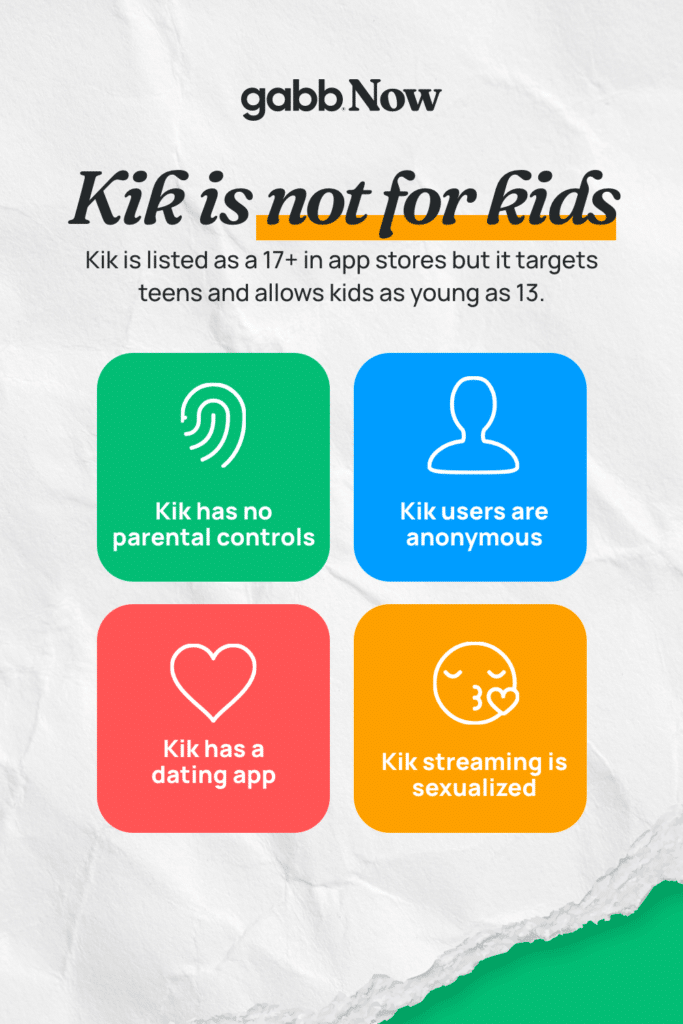
One of Kik’s most distinctive features, and a significant part of its early appeal, was its reliance on usernames rather than phone numbers for account registration and user identification. This design choice provided a layer of anonymity, as users could sign up and communicate without revealing personal identifying information like their phone number. For many, particularly younger users, this offered a perceived sense of privacy and freedom to connect with new people without the constraints of real-world contact information. From a technical standpoint, this decision lowered the barrier to entry and facilitated connections outside of established social circles. However, this same anonymity also presented significant challenges concerning user safety and content moderation, making it more difficult to trace or verify identities, a critical discussion point in digital security.
Bot Shop and Interactive Experiences
Kik was an early adopter of chat bots, launching its “Bot Shop” in 2016. This feature allowed users to discover and interact with various automated programs within the app. These bots offered a diverse range of functionalities, from providing news updates, weather forecasts, and game interactions to assisting with shopping and entertainment. For example, users could chat with bots to get fashion advice, play trivia games, or even order food. Technically, this was an ambitious move, turning the messaging app into a platform for services and interactive content, a precursor to the bot integration seen in many modern super apps. It offered an engaging, novel way for users to consume information and interact with brands directly within their messaging environment.
In-App Browser and Web Integration
Further expanding its utility, Kik included an integrated web browser. This allowed users to open web links shared within chats directly inside the app, without having to switch to an external browser. This seamless integration enhanced the user experience by reducing friction, keeping users engaged within the Kik ecosystem while still providing access to the wider internet. It was an early attempt to create a more comprehensive digital experience within a single application, allowing for quicker content consumption and sharing.

Kik Points and Digital Economy
In a forward-thinking move, Kik also experimented with its own virtual currency, Kik Points, and later, the Kin cryptocurrency. Kik Points allowed users to earn rewards for engaging with brands or content within the app, which could then be spent on various in-app purchases like stickers or exclusive content. This foray into a digital economy was an attempt to create a sustainable revenue model and foster greater user engagement, leveraging blockchain technology with Kin to create a decentralized ecosystem for digital services and payments. While its long-term success varied, it demonstrated Kik’s innovative approach to platform monetization and user incentivization from a technological perspective.
The Evolution and Challenges of a Messaging Platform
Kik’s journey has been marked by periods of rapid growth, innovation, and significant operational challenges, reflecting the intense competition and evolving regulatory landscape of the tech industry.
Early Popularity and User Base Demographics
Upon its launch, Kik quickly gained traction, particularly among teenagers and young adults. Its appeal stemmed from its free service, its cross-platform availability, and crucially, its unique approach to user identification through usernames instead of phone numbers. This allowed users to connect with new people without exchanging personal contact details, fostering a sense of digital exploration and independence. The app became a popular platform for school friends, gaming communities, and those seeking to expand their social circles online, often serving as a secondary or primary communication channel alongside other social networks. Its early tech stack was optimized for performance on various mobile devices, ensuring accessibility.
Security Concerns and Moderation Challenges
However, the very features that made Kik appealing, particularly its emphasis on anonymity and ease of connection, also presented significant security and moderation challenges. The absence of phone number verification made it more difficult to prevent misuse, leading to concerns about the facilitation of inappropriate interactions, cyberbullying, and contact between minors and adults. Technically, content moderation in an environment prioritizing user privacy and anonymity is inherently complex. The platform faced ongoing pressure to implement more robust safety measures, including enhanced reporting tools, AI-driven content filters, and stricter age verification protocols, to combat these issues while trying to maintain its core user experience. These challenges highlighted the ethical and technical dilemmas faced by platforms designed for open, anonymous communication.
Competition in the Messaging Landscape
Kik operated in an extremely crowded and competitive market. While it carved out an early lead, it soon faced fierce competition from established players like WhatsApp and Facebook Messenger, which benefited from massive user bases and integration with broader social networks. Emerging apps like Snapchat, with its ephemeral messaging and unique filters, also vied for the attention of Kik’s core demographic. To remain competitive, Kik had to continually innovate its feature set, but the resources and network effects of its larger rivals proved formidable. Its ability to scale its infrastructure and development at the pace of its competitors was a constant challenge, often leading to a focus on niche features rather than broad market dominance.
Modern Relevance and Digital Security Best Practices
In recent years, Kik has navigated shifts in user preferences, increased scrutiny on digital platforms, and ownership changes. While it may not command the same market share as global giants, it continues to serve specific communities.
Current Usage Patterns and Niche Communities
Today, Kik maintains a user base, albeit a more focused one. It remains popular within certain niche communities and for users who value its username-based anonymity. Some users leverage it for specific interest groups, gaming communities, or for connecting with people without revealing more personal contact information. The app’s persistence demonstrates that there is a demand for communication tools that offer a degree of separation from mainstream social networks tied to real-world identities. Its current use cases often revolve around transient connections, group discussions, and situations where a quick, low-friction chat platform is desired.
User IDs vs. Phone Numbers: A Double-Edged Sword
The core architectural decision to use user IDs instead of phone numbers remains Kik’s defining characteristic and a central point of discussion. From a privacy perspective, it offers users control over their real-world identity, allowing them to communicate without sharing their primary mobile number. This can be beneficial for reducing spam or unwanted contact. However, from a security and safety perspective, it presents challenges. The lack of robust identity verification can complicate efforts to combat harassment, fraud, and other illicit activities. Users must be acutely aware that while their phone number is private, the environment can be less controlled, necessitating caution and adherence to digital safety protocols.
Navigating Digital Communication Safely
For any user engaging with a messaging app like Kik, understanding and implementing digital security best practices is paramount. This includes exercising discretion when sharing personal information, even seemingly innocuous details, as it can be pieced together to form a larger profile. Users should always be cautious about opening links from unknown sources, as they could lead to phishing attempts or malware. Leveraging the app’s blocking and reporting features is crucial for managing unwanted interactions. Furthermore, understanding privacy settings and regularly reviewing who has access to your profile information can significantly enhance safety. While platforms like Kik offer unique avenues for connection, the responsibility for maintaining personal digital security ultimately rests with the user, necessitating an informed and vigilant approach to online interactions.
aViewFromTheCave is a participant in the Amazon Services LLC Associates Program, an affiliate advertising program designed to provide a means for sites to earn advertising fees by advertising and linking to Amazon.com. Amazon, the Amazon logo, AmazonSupply, and the AmazonSupply logo are trademarks of Amazon.com, Inc. or its affiliates. As an Amazon Associate we earn affiliate commissions from qualifying purchases.