
In the volatile landscape of global business, few maneuvers are as risky or as potentially rewarding as a total corporate rebrand. For decades, the name SsangYong was synonymous with rugged, utilitarian SUVs and a storied, if often turbulent, history in the South Korean automotive sector. However, the emergence of “KGM” marks a pivotal shift in corporate identity, representing more than just a name change. KGM, short for KG Mobility, is a calculated brand evolution designed to shed the baggage of the past and align a legacy manufacturer with the future of transportation, technology, and global market expectations.
To understand what KGM is, one must look beyond the badge on the grille. It is a comprehensive case study in brand strategy, illustrating how a company can pivot from a traditional manufacturing identity to a forward-thinking mobility brand. This transformation involves a complete overhaul of visual identity, market positioning, and core values, all while attempting to retain the engineering heritage that built its original foundation.
The Rebirth of a Legacy: From SsangYong to KGM
The transition from SsangYong to KGM is a textbook example of using rebranding as a strategic tool to signal a “clean slate” to investors, partners, and consumers. After years of financial instability and changing ownership, the acquisition by the KG Group—a massive South Korean conglomerate with interests ranging from chemicals to steel—provided the necessary capital and vision to initiate this metamorphosis.
The Rationale Behind the Rebrand
In brand strategy, a name change is often a response to “brand fatigue” or negative brand equity accumulated over years of struggle. SsangYong, which translates to “Twin Dragons,” had deep roots, but the name had become entangled with narratives of bankruptcy and industrial disputes. By rebranding to KGM, the parent company, KG Group, effectively decoupled the manufacturer’s future from its past setbacks.
The “K” in KGM serves a dual purpose: it honors the KG Group parentage while subtly reinforcing the brand’s South Korean heritage—a “K-brand” association that currently carries significant cultural and commercial weight globally. The shift from “Motor” to “Mobility” is equally significant. It signals to the market that the company is no longer just a builder of internal combustion engines but a provider of comprehensive transportation solutions, including electric vehicles (EVs), autonomous driving technology, and integrated software services.
Overcoming Negative Brand Equity
One of the greatest challenges in this transition is the management of existing brand equity. SsangYong was respected for its “tough” and “reliable” SUVs like the Rexton and Korando. The KGM strategy involves a delicate balance: maintaining the “toughness” associated with the old name while injecting a sense of modern sophistication. This is achieved through a “heritage-led innovation” approach, where the rugged DNA of the brand is repackaged in a sleek, high-tech aesthetic that appeals to a younger, more urban demographic.
The Core Elements of the KGM Brand Identity
A brand is not just a name; it is a promise of a specific experience. The KGM identity is built on three specific pillars: Innovation, Robustness, and Global Reach. These pillars are reflected in everything from the minimalist logo design to the “Powered by Toughness” design philosophy.
The Visual Language and Modern Aesthetic
The visual identity of KGM is a stark departure from the traditional, often cluttered designs of the past. The new branding emphasizes clean lines, bold typography, and a simplified color palette. The logo itself has undergone a refinement process, moving away from the literal interpretation of the twin dragons toward a more abstract, wing-like emblem that suggests upward movement and speed.
This minimalist approach is crucial for a brand looking to compete in the digital age. A clean, recognizable logo performs better across digital platforms, mobile apps, and high-tech vehicle interfaces. It positions KGM as a contemporary player alongside tech-heavy competitors like Tesla or the revamped identities of legacy brands like Kia and Volkswagen.
“Powered by Toughness”: The New Brand Philosophy
To maintain a unique selling proposition (USP), KGM has leaned into its history of producing off-road capable vehicles. The “Powered by Toughness” philosophy serves as the brand’s North Star. In marketing terms, this is a “personality-driven” strategy. While many brands are moving toward soft, rounded, and “friendly” EV designs, KGM has intentionally kept a more aggressive, boxy, and structural aesthetic. This differentiates them in a crowded market, appealing to consumers who value adventure and resilience—values that are currently trending in the global SUV and “overlanding” markets.
Strategic Positioning in the Global Mobility Landscape
The most critical aspect of the KGM identity is its positioning as a “Mobility” company. This reflects a broader trend in the automotive industry where companies are moving away from being hardware-centric to being software-and-service-centric.

Shifting from SUVs to “Mobility Solutions”
By incorporating “Mobility” into its official name (KG Mobility), the brand is making a public commitment to diversification. This includes the development of dedicated EV platforms, entry into the Purpose-Built Vehicle (PBV) market, and exploring urban air mobility and robotics. From a brand strategy perspective, this future-proofs the company. If the market for traditional SUVs declines, the “KGM” name still remains relevant in a world of shared autonomous shuttles or electric delivery drones.
Market Segmentation and the New Target Audience
KGM is repositioning itself to target a more affluent, tech-savvy audience. While the old SsangYong brand often competed on price, KGM is aiming to compete on “value-plus-identity.” This means attracting buyers who want the ruggedness of a Jeep or a Land Rover but with the efficiency and modern tech of a Korean electronics giant. This shift requires a massive change in marketing communication, moving away from “budget-friendly” messaging toward “lifestyle-enabling” narratives.
Case Study: The Torres and the Successful Identity Shift
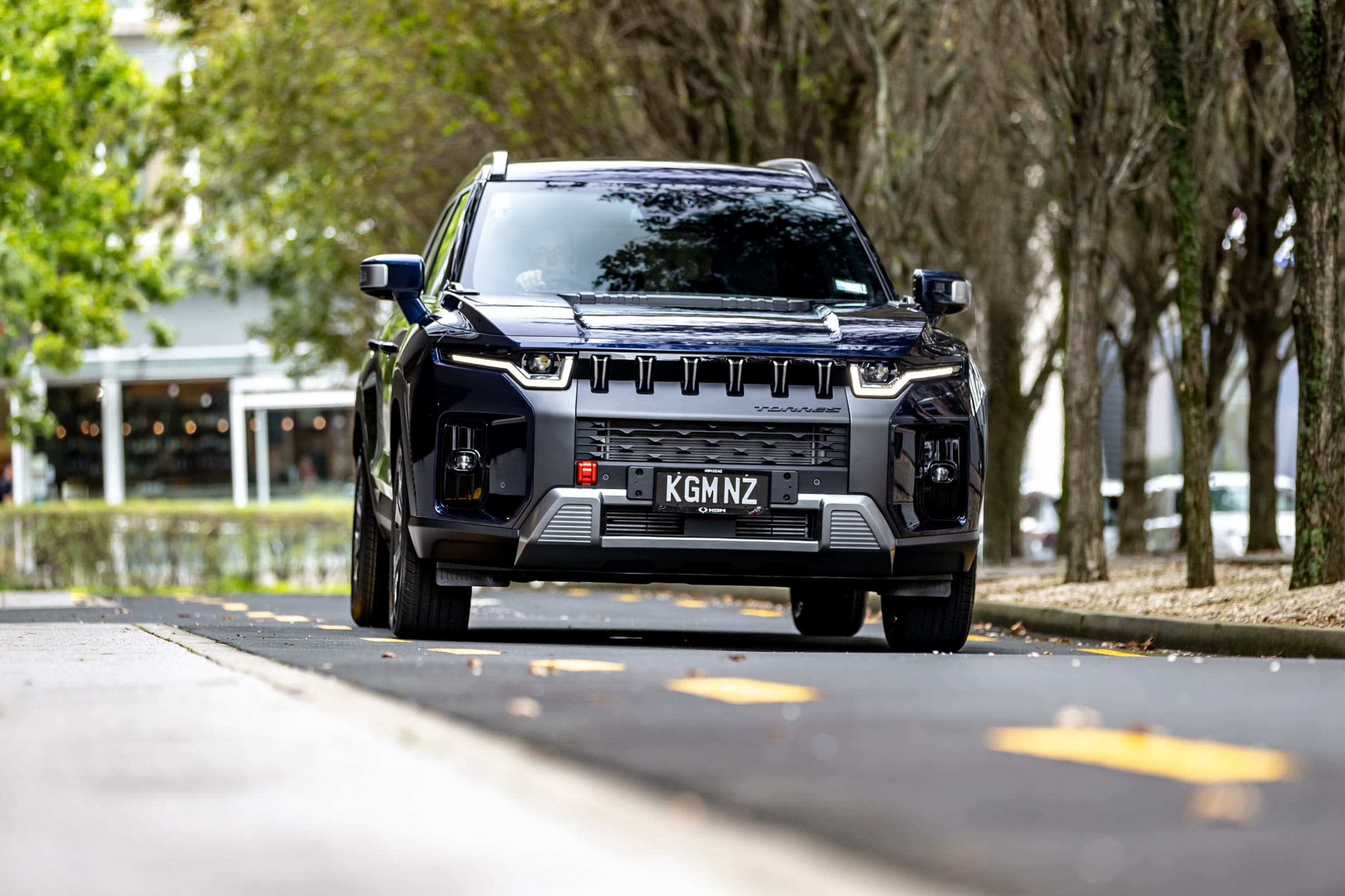
The launch of the KGM Torres (initially debuted under the transitional phase) serves as the primary case study for the success of this new brand direction. The Torres was the first vehicle to fully embody the “Powered by Toughness” design language.
Integrating Heritage with Innovation
The Torres was designed to evoke the spirit of the original SsangYong Korando and Musso—vehicles that were beloved for their ruggedness. However, the interior was packed with three-screen digital interfaces and high-end materials. This “retro-modern” approach is a classic branding tactic used to bridge the gap between old fans and new prospects. The overwhelming success of the Torres in both domestic and international markets provided the proof of concept that the KGM brand could command attention and, more importantly, premium pricing.
The success of the Torres also allowed KGM to experiment with brand extensions, such as the Torres EVX. By launching an electric version of its most popular new model, KGM successfully tethered its “tough” identity to the “green” future, proving that electric vehicles don’t have to look like “appliances.”
The Future of KGM: Sustainability and Brand Longevity
For KGM to survive in the long term, its brand must become synonymous with sustainability without losing its adventurous edge. This is the “Green Toughness” paradox that the brand is currently navigating.
Electrification as a Brand Pillar
KGM’s roadmap includes a rapid expansion of its EV lineup. However, the branding challenge here is significant. Most consumers associate “toughness” with the roar of an engine and the smell of diesel. KGM’s marketing strategy focuses on the “silent power” and “instant torque” of electric motors as a superior way to conquer off-road terrain. By rebranding the benefits of EVs to fit an adventurous lifestyle, KGM is creating a unique niche in the electric market.
Navigating the Global Market Entry
As KGM expands into Europe, Australia, and potentially North America, the brand faces the hurdle of “newcomer status.” In these markets, KGM must build trust from scratch. The strategy here involves heavy investment in customer experience and brand touchpoints. From high-end flagship showrooms to seamless digital purchasing journeys, KGM is attempting to bypass the “cheap car” stigma that often plagues emerging brands.
The global strategy also relies heavily on strategic partnerships. By aligning with local distributors and emphasizing the KG Group’s industrial might, KGM is positioning itself as a stable, reliable, and high-tech alternative to established Western and Japanese marques.

Conclusion: The Significance of the KGM Identity
KGM is more than a three-letter acronym; it is a bold statement of intent. It represents the successful navigation of a corporate crisis through the power of rebranding. By shedding the SsangYong name, KG Mobility has not forgotten its history but has instead chosen to refine it for a new era.
Through a combination of minimalist visual identity, a clear “Powered by Toughness” philosophy, and a pivot toward comprehensive mobility solutions, KGM is positioning itself as a formidable player in the global automotive landscape. The brand serves as a reminder that in the world of business, your identity is your most valuable asset—and sometimes, the only way to move forward is to redefine exactly who you are. KGM is not just a new name; it is a new direction, a new vision, and a new standard for what a resilient, modern automotive brand should be.
aViewFromTheCave is a participant in the Amazon Services LLC Associates Program, an affiliate advertising program designed to provide a means for sites to earn advertising fees by advertising and linking to Amazon.com. Amazon, the Amazon logo, AmazonSupply, and the AmazonSupply logo are trademarks of Amazon.com, Inc. or its affiliates. As an Amazon Associate we earn affiliate commissions from qualifying purchases.