
In the modern digital landscape, where brand visibility is synonymous with business survival, understanding the metrics that govern online discovery is paramount. Among these metrics, keyword volume stands as one of the most critical indicators of market demand, consumer behavior, and strategic opportunity. For brand strategists and marketing professionals, keyword volume is not merely a number; it is a pulse check on the collective interests of a target audience. It represents the number of times a specific search query is entered into a search engine within a given timeframe, typically measured on a monthly basis.
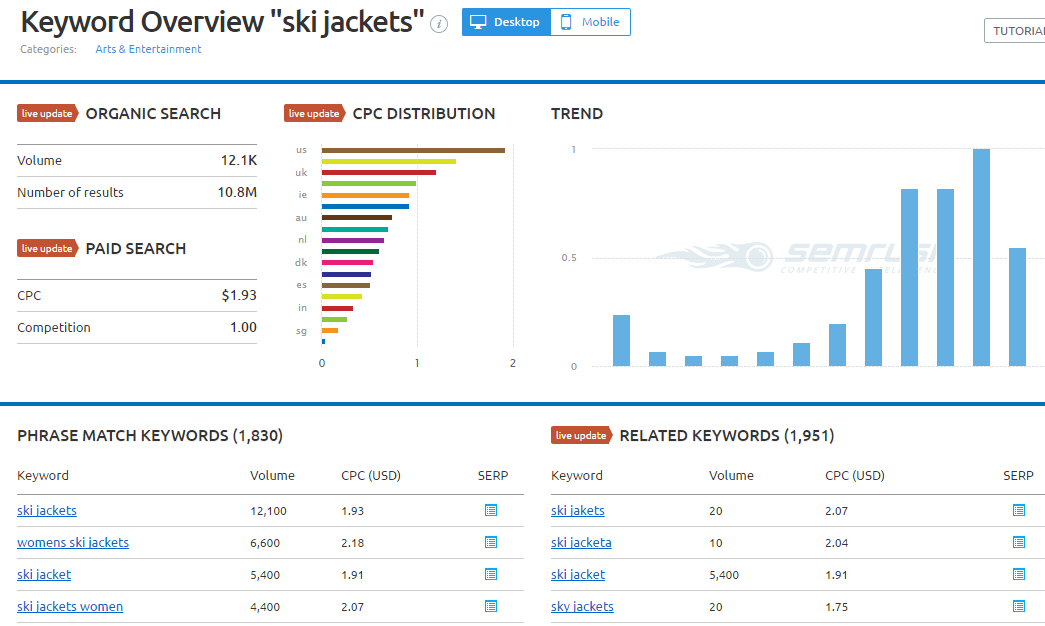
To build a robust corporate identity and a marketing strategy that resonates, a brand must first understand what its potential customers are looking for. Keyword volume provides the data-driven foundation for this understanding, allowing organizations to pivot from guesswork to precision-based communication.
Understanding the Foundation of Market Demand
Keyword volume serves as a quantitative measure of interest. When a brand begins to map out its digital presence, the first question often asked is: “Is anyone actually looking for what we offer?” By analyzing search volume, marketers can determine the size of a potential audience for a specific topic, product, or service.
The Mechanics of Search Volume Data
Most search volume data is derived from search engines like Google, which aggregate billions of queries to provide “Average Monthly Searches.” This figure is typically a rolling average of the last twelve months of data. It is important for brand managers to realize that these numbers are estimates, not exact counts. They offer a directional compass rather than a precise GPS coordinate. However, even as an estimate, this data is invaluable for prioritizing marketing efforts.
The Psychology of the Searcher
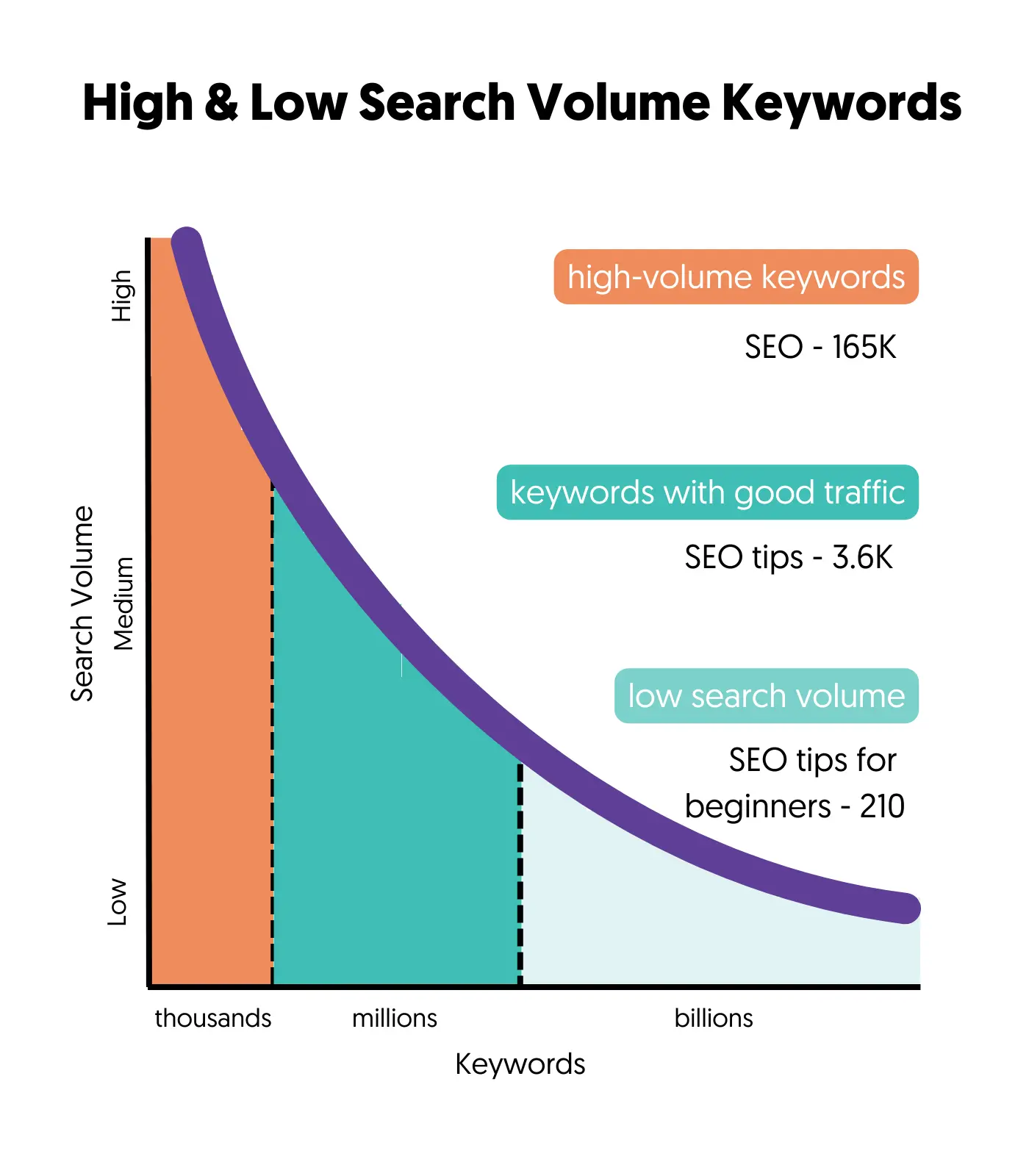
High keyword volume often indicates a broad, “top-of-funnel” interest. For instance, a term like “organic skincare” might have a massive monthly volume. This tells a brand that there is a significant global or regional interest in the category. Conversely, a term like “organic rosehip oil for sensitive skin” will have a much lower volume but indicates a higher level of intent and a more specific consumer need. Understanding this spectrum allows a brand to tailor its messaging to different stages of the buyer’s journey, ensuring that the brand narrative aligns with the user’s psychological state at the moment of search.
Regional and Seasonal Fluctuations
Keyword volume is rarely static. It is influenced by geography and timing. A brand strategy must account for the fact that search volume for “winter coats” will spike in October in the Northern Hemisphere while remaining dormant in July. Similarly, regional dialect and cultural nuances change how volume is distributed. A brand expanding into the UK might find higher volume for “trainers,” while the same product in the US requires targeting the volume associated with “sneakers.”
Integrating Keyword Volume into Brand Strategy
A successful brand strategy is built on the intersection of what a company offers and what the market desires. Keyword volume acts as the bridge between these two points. By integrating these metrics into the core marketing plan, businesses can ensure their corporate identity is not just seen, but seen by the right people.
Identifying Brand-Relevant Topics
Keyword research often reveals “content gaps”—areas where there is high search volume but a lack of quality information or competition. For a brand looking to establish thought leadership, identifying these gaps is essential. If a brand specializes in sustainable fintech, and data shows a rising volume for “how to offset carbon footprint via banking,” the brand has a clear directive to create authoritative content that captures that interest. This positions the brand as a helpful resource, building trust and authority before a purchase is even considered.
Competitive Positioning and Market Share
In the digital realm, “share of voice” is often measured by how much of the high-volume keyword landscape a brand occupies. By analyzing which keywords competitors are ranking for, a brand can assess its relative position in the market. If a competitor dominates the highest-volume terms in a category, a strategic brand might choose to target “long-tail” keywords—longer, more specific phrases with lower volume but higher conversion potential. This “flanking maneuver” allows smaller or newer brands to build a foothold without competing head-on for the most expensive and crowded terms.
Balancing Volume with Brand Alignment
One of the most common mistakes in marketing is chasing volume for the sake of volume. A high-volume keyword that is only tangentially related to a brand’s core values can lead to “empty” traffic—visitors who click but never engage or convert. Strategic brand management requires a filter: Does this high-volume term reflect our corporate identity? Does it attract the persona we have carefully crafted? A luxury brand, for example, might intentionally ignore high-volume terms that include the word “cheap” or “discount,” even if those terms could bring in massive traffic, because such terms would dilute the brand’s premium positioning.
The Tools of the Trade: Measuring Digital Presence
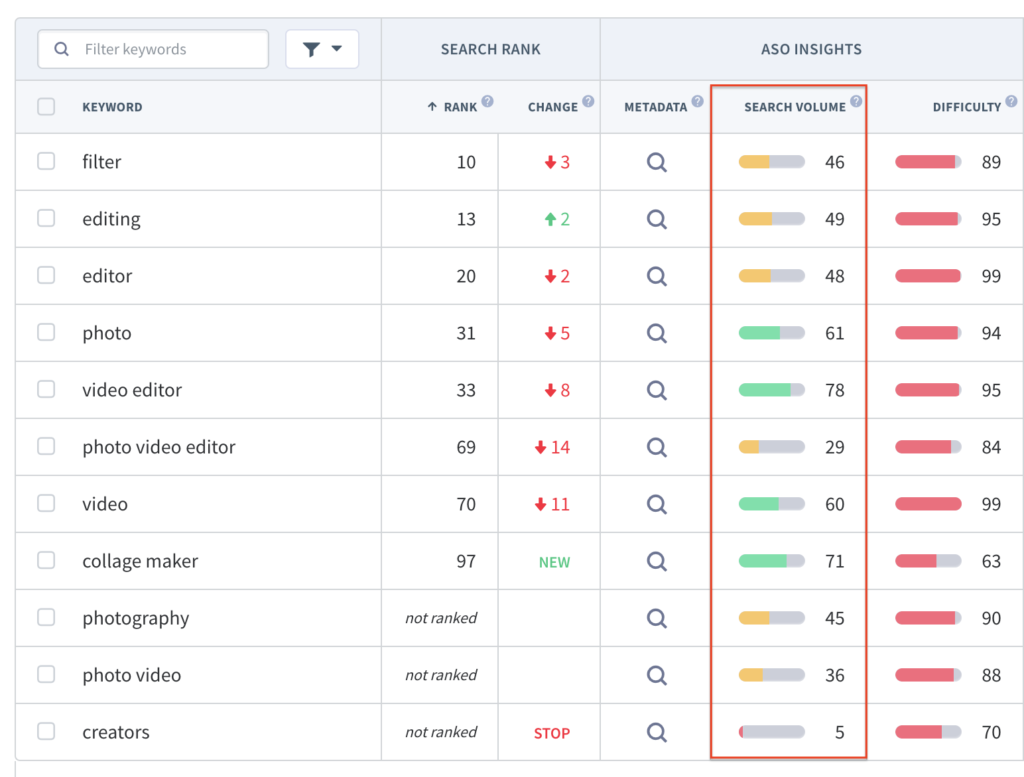
To navigate the complexities of keyword volume, marketing departments rely on a suite of sophisticated tools. These platforms transform raw data into actionable insights, allowing for a more nuanced approach to brand growth.
Leveraging Professional Analytics Platforms
Tools such as SEMrush, Ahrefs, and Google Keyword Planner are the industry standards for measuring volume. These platforms allow marketers to filter data by language, device, and location. For a global brand, the ability to see that search volume for a specific service is growing in Southeast Asia but stagnating in Europe allows for a more efficient allocation of the advertising budget. This data-driven approach to marketing ensures that the corporate identity is being projected into fertile ground.
Interpreting “Keyword Difficulty” Alongside Volume
Volume should never be analyzed in a vacuum. Most professional tools provide a “Keyword Difficulty” (KD) score alongside the volume. This score estimates how hard it would be to rank on the first page of search results for that term. A high-volume keyword with an exceptionally high difficulty score might require years of effort and a massive budget to conquer. For a mid-sized brand, the smarter strategic move is often to find the “sweet spot”: keywords with moderate volume and low-to-medium difficulty. This ensures a higher return on investment (ROI) for the marketing department.
The Role of Search Intent
Modern marketing strategy places a heavy emphasis on search intent, which is the “why” behind the volume. Intent is generally categorized into four types: Informational (seeking knowledge), Navigational (seeking a specific site), Transactional (ready to buy), and Commercial Investigation (comparing options). A brand’s content strategy must be mapped to these intents. High-volume informational keywords are perfect for blog posts and educational videos, while transactional keywords should lead directly to product pages or lead-capture forms.
Common Pitfalls and Strategic Nuances
While keyword volume is a powerful metric, it is often misinterpreted by those who view it as a standalone success indicator. To maintain a sophisticated brand strategy, marketers must look beyond the surface numbers.
The “Vanity Metric” Trap
High volume can be intoxicating. Seeing a keyword with 100,000 monthly searches might tempt a brand to build an entire campaign around it. However, if the “click-through rate” (CTR) is low—perhaps because the search engine provides the answer directly in a featured snippet—the actual traffic reaching the brand’s website will be minimal. In branding, it is better to own a smaller, dedicated audience than to be a fleeting thought in a massive, disengaged crowd.
Long-Tail Keywords and Niche Branding
The “long tail” refers to the thousands of low-volume search queries that, when combined, often make up the majority of search traffic. For personal branding and niche corporate identities, the long tail is where the most loyal customers are found. These keywords often represent specific pain points or highly specialized interests. By dominating the long tail, a brand can become the “big fish in a small pond,” establishing an unbreakable connection with a specific demographic that larger, more generalized brands overlook.
Data Lag and Emerging Trends
Keyword volume is historical data; it tells you what happened in the past. In fast-moving industries like tech or fashion, a brand that relies solely on historical volume might miss the next big wave. To stay ahead, brand strategists must combine keyword volume data with “social listening” and trend forecasting tools. This allows a brand to create content for a rising keyword before it hits its peak volume, securing a first-mover advantage that is difficult for competitors to displace.
Future-Proofing Your Marketing via Keyword Insights
As we move toward an era of AI-driven search and voice-activated assistants, the way we define and interact with keyword volume is evolving. Brands that adapt their strategy to these changes will maintain their relevance in an increasingly automated world.
The Impact of AI and Semantic Search
Search engines are becoming better at understanding context and synonyms. This means that a brand no longer needs to target a single, high-volume keyword repeatedly. Instead, the focus is shifting toward “topic clusters.” By covering a topic comprehensively, a brand can capture volume from hundreds of related keywords. This approach aligns with a more natural, human-centric brand voice, moving away from the “keyword stuffing” of the past and toward genuine authority.
Voice Search and Conversational Volume
The rise of smart speakers has introduced “conversational” keyword volume. People speak to devices differently than they type into a search bar. Voice queries are longer, more question-based, and have a different volume profile. A brand strategy that accounts for voice search volume will focus on “how-to” queries and localized “near me” searches, ensuring that the brand remains accessible regardless of how the consumer chooses to search.
Building Brand Equity Beyond Search
Ultimately, the goal of monitoring keyword volume is to build enough brand equity that people eventually stop searching for the category and start searching for the brand name itself. When your brand name becomes a high-volume keyword, you have moved from competing in the market to defining the market. This is the pinnacle of brand strategy: using the insights gained from general keyword volume to build a corporate identity so strong that it becomes its own destination.
In summary, keyword volume is the compass of digital marketing. It informs every aspect of brand strategy, from the initial identification of market needs to the long-term cultivation of a loyal audience. By treating volume as a nuanced insight into human behavior rather than a mere statistic, brands can craft narratives that are not only visible but truly impactful in a crowded digital world.
aViewFromTheCave is a participant in the Amazon Services LLC Associates Program, an affiliate advertising program designed to provide a means for sites to earn advertising fees by advertising and linking to Amazon.com. Amazon, the Amazon logo, AmazonSupply, and the AmazonSupply logo are trademarks of Amazon.com, Inc. or its affiliates. As an Amazon Associate we earn affiliate commissions from qualifying purchases.