
The ketogenic diet, often referred to as the keto diet, has surged in popularity, prompting widespread curiosity. But beyond its dietary implications, how does this high-fat, low-carbohydrate approach intersect with the dynamic worlds of technology, branding, and finance? This article delves into the ketogenic lifestyle, examining its technological underpinnings, the branding strategies employed by keto-related businesses, and the financial considerations for individuals and enterprises navigating this nutritional shift.
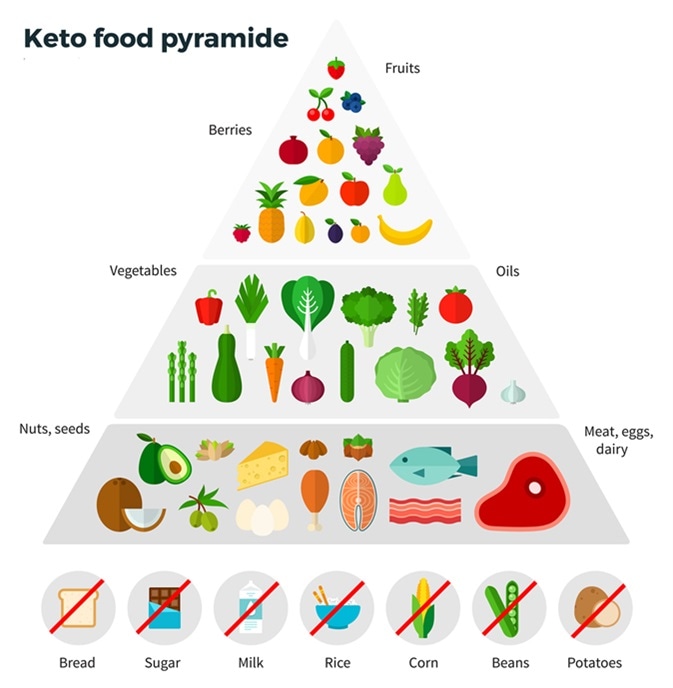
The ketogenic diet is fundamentally a metabolic state where the body, deprived of its usual glucose fuel source (from carbohydrates), begins to burn fat for energy. This process, known as ketosis, leads to the production of ketones, which then become the primary energy source for the brain and body. Typically, a keto diet involves drastically reducing carbohydrate intake to around 20-50 grams per day, while significantly increasing fat consumption (around 70-80% of daily calories) and moderating protein intake (around 20-25%).

The Technological Backbone of the Ketogenic Journey
The accessibility and sustainability of the ketogenic diet have been profoundly amplified by advancements in technology. What was once a niche dietary approach, requiring meticulous manual tracking and specialized knowledge, is now democratized and streamlined through a plethora of digital tools and resources.
Navigating Macros with Smart Apps and Gadgets
At the forefront of tech’s influence are the myriad of apps and software designed to simplify the rigorous macro-tracking essential for ketosis. These applications are not merely digital notebooks; they are sophisticated platforms leveraging vast databases of food items, complete with their nutritional breakdowns. Users can effortlessly log meals, scan barcodes of packaged goods, and even input custom recipes. The algorithms within these apps then calculate the exact carbohydrate, fat, and protein content, providing immediate feedback on whether a meal aligns with ketogenic targets. Some advanced apps even offer personalized macro recommendations based on user-specific goals, activity levels, and biometric data.
Beyond mobile applications, wearable technology is also playing an increasingly significant role. While not exclusively for keto, smartwatches and fitness trackers can monitor activity levels, sleep patterns, and even heart rate variability. This data can be integrated with macro-tracking apps to provide a more holistic view of the body’s response to the diet. For instance, understanding how exercise impacts carbohydrate depletion and ketone production can inform dietary adjustments.
Furthermore, the burgeoning field of AI tools is beginning to revolutionize how individuals approach and maintain the ketogenic diet. AI-powered meal planning services can generate daily or weekly meal plans tailored to individual preferences, dietary restrictions (beyond keto, such as allergies or intolerances), and even budget considerations. These systems can learn from user feedback, progressively refining their recommendations to optimize adherence and enjoyment. Imagine an AI that not only suggests keto-friendly recipes but also considers what ingredients you already have in your pantry, minimizing food waste and saving time.
Digital security is also a growing concern within the digital health space. As individuals share more personal data with health and fitness apps, ensuring the security of this sensitive information becomes paramount. Reputable keto apps prioritize robust data encryption and transparent privacy policies, giving users confidence in their digital tools.
The accessibility of online tutorials and educational content has also been a game-changer. From YouTube channels offering detailed explanations of ketosis and recipe demonstrations to online courses and forums providing support and advice from experienced keto practitioners, technology has made learning and implementing the diet easier than ever. This digital knowledge base empowers individuals to understand the science behind keto and make informed decisions about their health.
The Future: Precision Nutrition and Biohacking
Looking ahead, the intersection of technology and the ketogenic diet promises even more sophisticated solutions. We are seeing the early stages of precision nutrition, where genetic testing and advanced biomarker analysis are used to personalize dietary recommendations. For the keto diet, this could mean identifying individual predispositions or optimal macronutrient ratios for achieving ketosis based on unique biological markers.
Biohacking communities are also leveraging technology to explore the boundaries of ketogenic living. This includes experimenting with intermittent fasting, exogenous ketones, and various supplementation strategies, all meticulously tracked and analyzed using wearable sensors and data aggregation platforms. While some of these practices are still in their nascent stages and require careful scientific scrutiny, they highlight the innovative ways technology is being used to optimize human performance and well-being within the keto framework.
The growth of smart kitchen appliances, such as connected refrigerators that can track inventory and suggest recipes, or ovens with pre-programmed keto settings, further illustrates how technology is weaving itself into the fabric of ketogenic living. Even the way we purchase keto-friendly foods is evolving, with online grocery delivery services and specialized keto product marketplaces making it easier to access the ingredients needed.
Branding the Ketogenic Lifestyle: From Niche to Mainstream
The increasing popularity of the ketogenic diet has naturally spawned a robust industry. This has led to sophisticated brand strategies aimed at capturing the attention and loyalty of consumers seeking to adopt or maintain a keto lifestyle.
Building Trust and Authority in the Keto Space
For companies operating within the ketogenic ecosystem – be it food manufacturers, supplement producers, app developers, or educational platforms – building a strong brand identity is crucial. This involves more than just a logo; it’s about communicating a clear value proposition and fostering trust with a discerning audience.
Brand strategy in the keto world often hinges on emphasizing health benefits, simplicity, and efficacy. Companies aim to position themselves as trusted guides, simplifying the complexities of the diet and offering solutions that make adherence achievable and enjoyable. This can involve highlighting the scientific backing of their products or services, featuring testimonials from satisfied customers, and partnering with credible health professionals or influencers.

Personal branding also plays a significant role. Many keto coaches, nutritionists, and content creators have built successful personal brands by sharing their own journeys, expertise, and practical tips. They often leverage social media platforms to build a community, offer direct advice, and promote their associated products or services. Their authenticity and relatability are key components of their brand appeal.
Corporate identity for larger brands venturing into the keto market involves adapting their existing brand recognition to resonate with keto consumers. This might mean developing specific product lines with distinct packaging and marketing messages that clearly communicate their keto-friendliness. For example, a snack bar company might launch a “Keto-Friendly” sub-brand with packaging that emphasizes low carbs and high fats.
Marketing for keto products and services often employs a combination of educational content and aspirational messaging. Campaigns might focus on weight loss success stories, increased energy levels, improved mental clarity, or the deliciousness and convenience of keto-friendly meals. The visual language of keto marketing often features vibrant, fresh ingredients, healthy fats, and images of active, vibrant individuals.
Design is paramount in creating an appealing keto brand. Packaging for keto food products needs to clearly communicate their nutritional profile, often using visual cues like green labels or prominent “keto-certified” badges. Websites and apps need to be user-friendly, visually appealing, and easy to navigate, reinforcing the idea of a simplified and enjoyable keto experience.
Case studies are invaluable for demonstrating the effectiveness of keto-related products and services. Companies often showcase detailed accounts of how their offerings have helped individuals achieve their health and wellness goals, providing tangible evidence of their value.
Ultimately, reputation management is a continuous effort for any brand in the keto space. Given the often-passionate nature of dietary communities, positive word-of-mouth, strong customer support, and ethical business practices are essential for maintaining a favorable public perception. Addressing any concerns or negative feedback transparently and effectively is crucial.
The Financial Landscape of Ketogenic Living
The ketogenic diet, like any lifestyle choice, has significant financial implications. These range from personal budgeting for food and supplements to the economic opportunities and challenges within the keto industry.
Personal Finance and Investment in a Keto Lifestyle
For individuals adopting a ketogenic diet, personal finance management becomes a key consideration. While the initial perception might be that a high-fat diet is inherently expensive, strategic planning can make it financially viable.
The core of keto eating involves whole, unprocessed foods. This can mean an increased reliance on sources of healthy fats like avocados, nuts, seeds, olive oil, fatty fish, and quality meats. While some of these can be pricier than carbohydrate-rich staples like rice or pasta, smart shopping strategies can mitigate costs. Buying in bulk, seeking out seasonal produce, and opting for less expensive cuts of meat can help.
The expense of supplements is another area to consider. While not strictly necessary for everyone on a keto diet, some individuals choose to supplement with things like exogenous ketones, electrolytes, or certain vitamins. Researching reputable brands and comparing prices is essential.
The idea of online income can also be linked to the ketogenic lifestyle. Many individuals have found success in creating and selling keto-specific products, developing recipe books, offering online coaching services, or even building affiliate marketing businesses around keto-related products. This taps into the growing demand for keto solutions.
For those looking to build a business within the keto space, side hustles can range from freelance recipe development to becoming a ketogenic coach. The market is ripe for innovation and specialized services.
When it comes to business finance, companies in the keto industry face both opportunities and challenges. The market is highly competitive, requiring significant investment in product development, marketing, and distribution. Understanding the target consumer’s price sensitivity and value perception is crucial. Businesses need to carefully manage their inventory, supply chains, and operational costs to remain profitable.
Financial tools can assist both individuals and businesses. Budgeting apps can help individuals track their keto-specific food expenses. For businesses, accounting software and financial planning tools are essential for managing cash flow, analyzing profitability, and making strategic investment decisions.
The investment landscape also includes opportunities related to the keto industry. Venture capital firms and angel investors are increasingly looking at the health and wellness sector, including companies focused on ketogenic products, services, and technologies. Investing in publicly traded companies that offer keto-friendly options or developing innovative keto-related technologies can also be a financial avenue.
The economic impact of the ketogenic diet extends beyond individual spending. It influences agricultural production, food manufacturing, and the retail sector. As the demand for keto products grows, so too does the economic activity surrounding this dietary trend. Understanding the cost-benefit analysis, both personally and economically, is a vital component of navigating the ketogenic world.
Conclusion: A Holistic View of Ketogenic Living
The ketogenic diet is far more than a dietary restriction; it’s a multifaceted lifestyle choice that is increasingly intertwined with technological innovation, sophisticated branding, and significant financial considerations. From the smart apps that guide our daily intake to the brands that shape our choices and the financial strategies that support our journey, the keto world is a dynamic and evolving landscape. By understanding these interconnected elements, individuals and businesses alike can better navigate and thrive within the ever-expanding realm of ketogenic living. Whether you’re tracking macros with a smartwatch, building a keto-focused brand, or managing your personal finances to support a healthier lifestyle, the principles of technology, brand, and money are proving to be indispensable allies in the pursuit of ketosis.
aViewFromTheCave is a participant in the Amazon Services LLC Associates Program, an affiliate advertising program designed to provide a means for sites to earn advertising fees by advertising and linking to Amazon.com. Amazon, the Amazon logo, AmazonSupply, and the AmazonSupply logo are trademarks of Amazon.com, Inc. or its affiliates. As an Amazon Associate we earn affiliate commissions from qualifying purchases.