
In the modern marketplace, a brand is no longer defined solely by the products it sells or the services it provides. Instead, a brand is a living entity, a collection of values, and a participant in the broader cultural conversation. As Juneteenth—observed on June 19th—has transitioned from a deeply significant regional celebration to a recognized federal holiday in the United States, its meaning for brand strategy and corporate identity has undergone a profound transformation. For organizations, understanding “what Juneteenth means” is not merely an exercise in historical awareness; it is a critical component of navigating social responsibility, authenticity, and consumer trust.
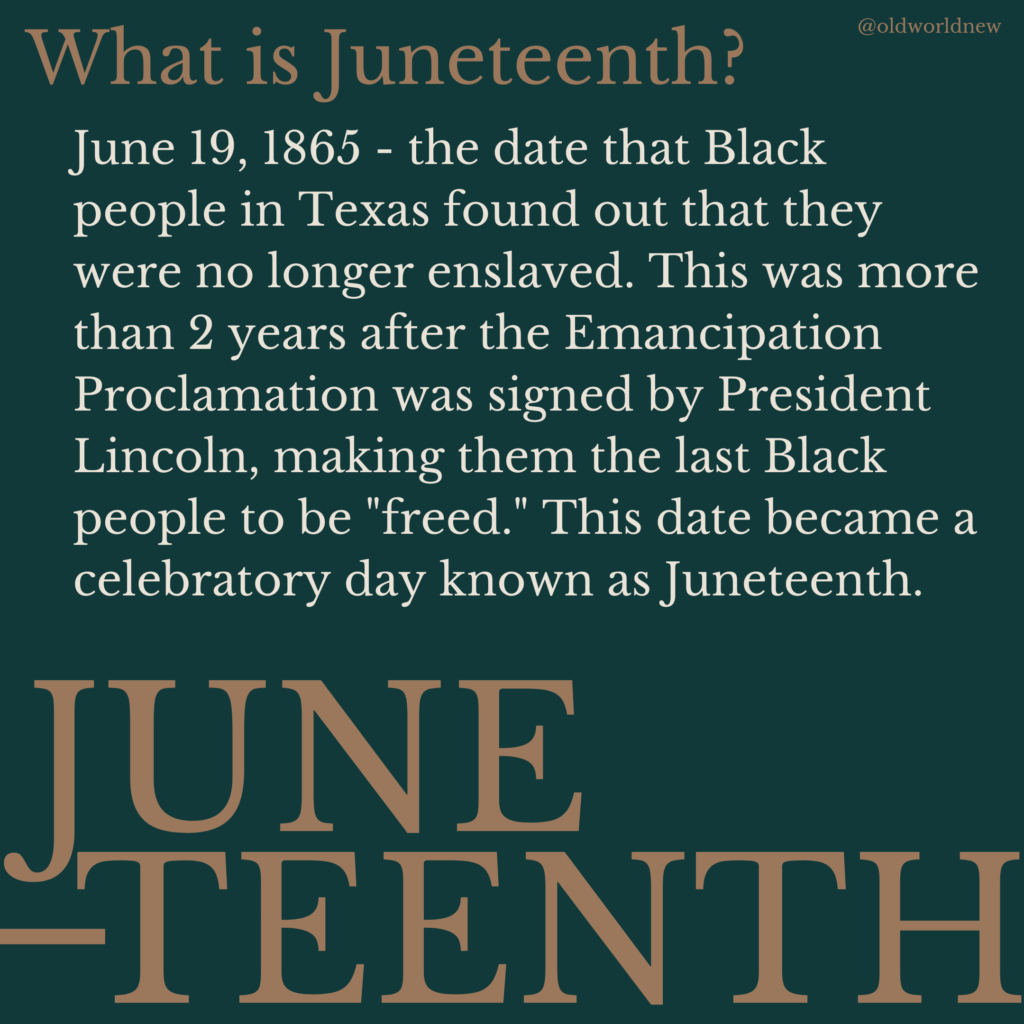
Juneteenth commemorates the day in 1865 when enslaved People in Galveston, Texas, finally received word of their freedom, more than two years after the Emancipation Proclamation had been signed. For a brand, engaging with this day requires a delicate balance of respect, education, and genuine commitment to progress. It serves as a litmus test for a company’s internal culture and its external brand promise.
Understanding the Historical Essence in a Modern Brand Landscape
To integrate Juneteenth into a brand strategy, leadership must first internalize the weight of the day. It is often referred to as “Freedom Day” or “Jubilee Day,” marking the moment when the promise of liberty began to be realized for Black Americans. In a corporate context, this historical essence dictates that any brand interaction must be rooted in gravity rather than commercialization.
The Significance of June 19, 1865
The delay of news reaching Galveston is a powerful metaphor for the systemic barriers that brands must acknowledge today. When a brand asks what Juneteenth means, the answer lies in the themes of liberation, resilience, and the ongoing pursuit of equity. From a brand identity perspective, this means moving beyond the “what” (the holiday itself) to the “why” (the values of justice and human rights). A brand that fails to understand the historical nuances risks appearing tone-deaf or opportunistic, which can cause irreparable damage to its reputation.
From Regional Celebration to National Brand Standard
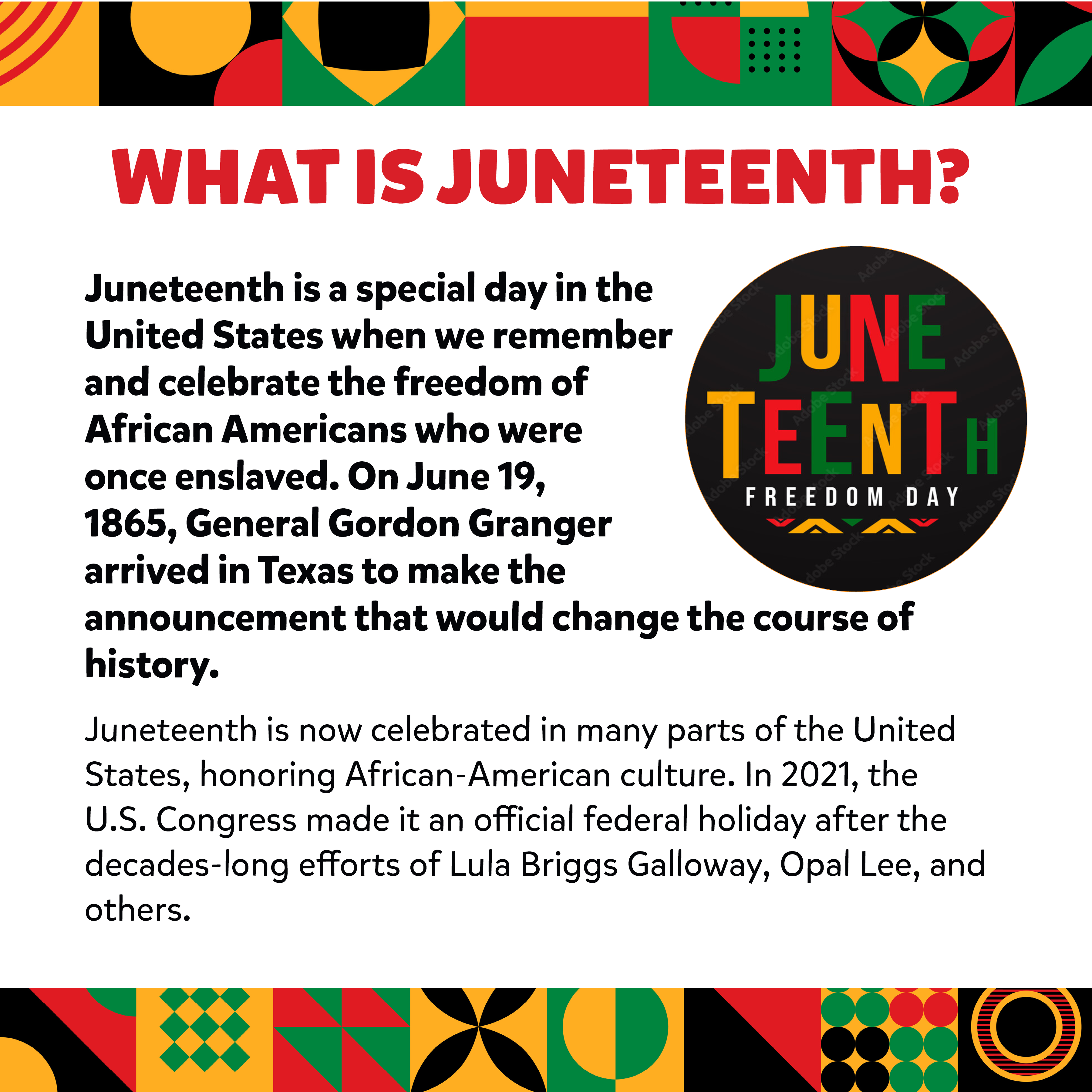
For decades, Juneteenth was celebrated primarily within Black communities. Its elevation to a federal holiday in 2021 signaled a shift in the national consciousness, and by extension, a shift in expectations for corporate behavior. Brands are now expected to have a “Juneteenth stance.” This isn’t about creating a special logo for a day; it’s about acknowledging the holiday as a standard part of the corporate calendar, reflecting a brand’s commitment to a diverse and inclusive society. This transition requires brands to move from passive observation to active participation in the narrative of American progress.
Navigating Authenticity vs. Performative Activism
The greatest challenge brands face when engaging with Juneteenth is the thin line between authentic support and performative activism. Performative activism occurs when a brand makes a public statement or changes its social media profile picture to signal “wokeness” without making any substantive internal changes or community investments. In the age of digital transparency, consumers—particularly Gen Z and Millennials—are highly adept at spotting inauthentic branding.
The Trap of “Commercializing” Freedom
One of the most significant pitfalls in brand strategy is the impulse to treat Juneteenth like Memorial Day or Labor Day—occasions often used to drive sales through discounts and themed merchandise. When brands attempt to “sell” Juneteenth through specialized ice cream flavors or themed party supplies, they often face significant backlash. This is because the holiday’s roots in the struggle against chattel slavery are fundamentally at odds with casual commercialism. For a brand, the strategy should be “contribution over consumption.” This might involve donating profits to social justice organizations or using the brand’s platform to amplify Black voices rather than pushing a product.
Building Long-Term Equity over Seasonal Campaigns
Authentic branding is a year-round endeavor. If a brand celebrates Juneteenth on June 19th but lacks diversity in its C-suite, maintains an inequitable pay structure, or ignores the needs of its Black employees the other 364 days of the year, its Juneteenth messaging will ring hollow. To build a brand identity that resonates, the focus must be on long-term equity. This involves transparent reporting on Diversity, Equity, and Inclusion (DE&I) goals, supporting Black-owned businesses in the supply chain, and fostering an internal culture where the spirit of Juneteenth—liberation and empowerment—is felt by every employee.
Strategic Integration: Honoring the Day Through Brand Design and Voice
Once a brand has established an authentic foundation, it can begin to think about how to visually and verbally communicate its respect for the holiday. This is where design and voice come into play, serving as the interface between the brand’s values and the public.
Visual Storytelling and Symbolism
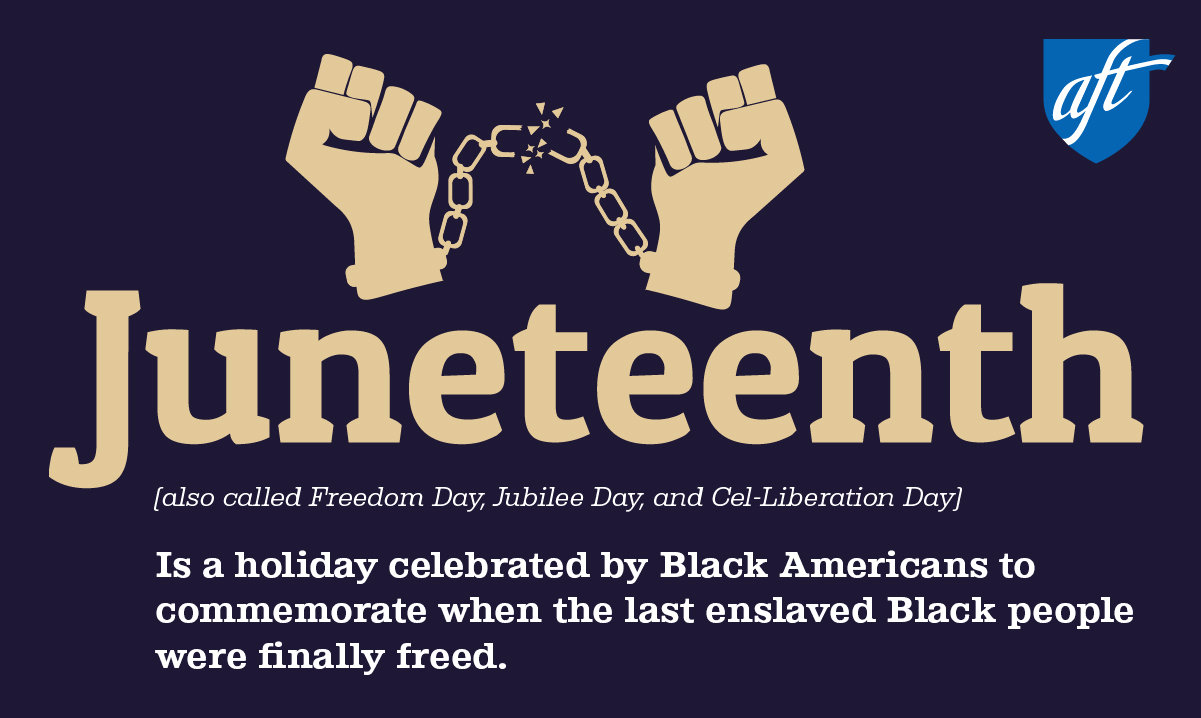
Visual identity is a powerful communicator. When designing assets for Juneteenth, brands should be mindful of the symbolism they use. The Juneteenth Flag, featuring a star and a burst of red, white, and blue, carries specific historical meaning. Similarly, the Pan-African colors of red, black, and green are often used to represent the broader African diaspora.
A sophisticated brand strategy avoids clichés and instead focuses on high-quality, respectful visual storytelling. This might involve commissioning Black artists to create original work that reflects the themes of the day or using photography that centers Black joy and community. The goal is to move away from generic “clip-art” style branding and toward intentional, meaningful design that reflects the brand’s unique voice.
Engaging the Community through Purpose-Driven Marketing
Marketing in the context of Juneteenth should be purpose-driven. This means the objective isn’t to increase brand awareness for the sake of market share, but to use the brand’s influence to drive positive social change.
Effective purpose-driven marketing for Juneteenth might include:
- Educational Content: Using the brand’s blog or social media channels to educate its audience on the history of the holiday.
- Partnerships: Collaborating with non-profits or community leaders to highlight local events or initiatives.
- Employee Spotlights: Giving a platform to Black employees within the organization to share what the day means to them, provided this is done voluntarily and with genuine respect for their experiences.
Case Studies: Operationalizing DE&I Beyond the Marketing Department
The most successful brands are those that treat Juneteenth as an operational imperative rather than a marketing checkbox. By looking at how leading organizations handle the day, we can see the difference between a brand that “says” and a brand that “does.”
Empowering Black Creators and Voices
Some tech and media brands have set a high bar by using Juneteenth as a launchpad for long-term initiatives that support Black creators. For example, a brand might launch a fund for Black filmmakers or create a dedicated section in their app to feature Black-owned businesses. By integrating these initiatives into the brand’s core service or product, the organization demonstrates that its support for the community is foundational to its business model. This creates a powerful brand story that attracts loyal customers who share those values.
Internal Culture as Brand Identity
A brand’s identity is often forged from the inside out. Many companies have chosen to make Juneteenth a permanent paid company holiday. While this is a logistical decision, it is also a branding decision. It signals to current and prospective employees, as well as the public, that the company values rest, reflection, and the celebration of freedom. Furthermore, using the day for internal “Lunch and Learns” or service days allows the brand to strengthen its internal community, which in turn radiates outward as a more cohesive and principled brand identity.
The Future of Juneteenth in Global Brand Management
As the discourse around racial justice continues to evolve globally, the significance of Juneteenth will likely expand. For multinational brands, the challenge is to translate the meaning of a uniquely American holiday into a global context of human rights and equity.
Evolving Corporate Responsibility
The future of brand strategy lies in “Radical Transparency.” Brands will increasingly be expected to provide data-driven evidence of their impact. In the context of Juneteenth, this could mean tracking the growth of Black representation within the company over time or showing the direct results of financial investments made in underserved communities. When a brand can prove that its engagement with Juneteenth is part of a larger, successful strategy for equity, it builds a level of trust that is a massive competitive advantage.
Measuring Impact and Accountability
Finally, the meaning of Juneteenth for a brand is defined by accountability. A brand must be willing to listen to feedback, even when it is critical. If a brand’s Juneteenth campaign misses the mark, the way the brand responds—whether it becomes defensive or uses the moment as an opportunity to learn and improve—becomes a defining part of its identity.
In conclusion, “what Juneteenth means” for a brand is an ongoing journey of alignment between stated values and actual practice. It is an opportunity for brands to move beyond the transactional and into the transformational. By honoring the history, avoiding the pitfalls of commercialization, and committing to long-term systemic change, a brand can develop a corporate identity that is not only respected but is a meaningful participant in the continued story of freedom and equity.
aViewFromTheCave is a participant in the Amazon Services LLC Associates Program, an affiliate advertising program designed to provide a means for sites to earn advertising fees by advertising and linking to Amazon.com. Amazon, the Amazon logo, AmazonSupply, and the AmazonSupply logo are trademarks of Amazon.com, Inc. or its affiliates. As an Amazon Associate we earn affiliate commissions from qualifying purchases.