
JPMorgan Chase & Co., commonly referred to by its ticker and internal shorthand “JPMC,” is not merely a bank; it is a central pillar of the global financial system. As the largest bank in the United States and one of the largest in the world by total assets, JPMC operates at a scale that influences global markets, national economies, and the personal portfolios of millions. For anyone interested in business finance, investing, or the mechanics of global wealth, understanding JPMC is essential.
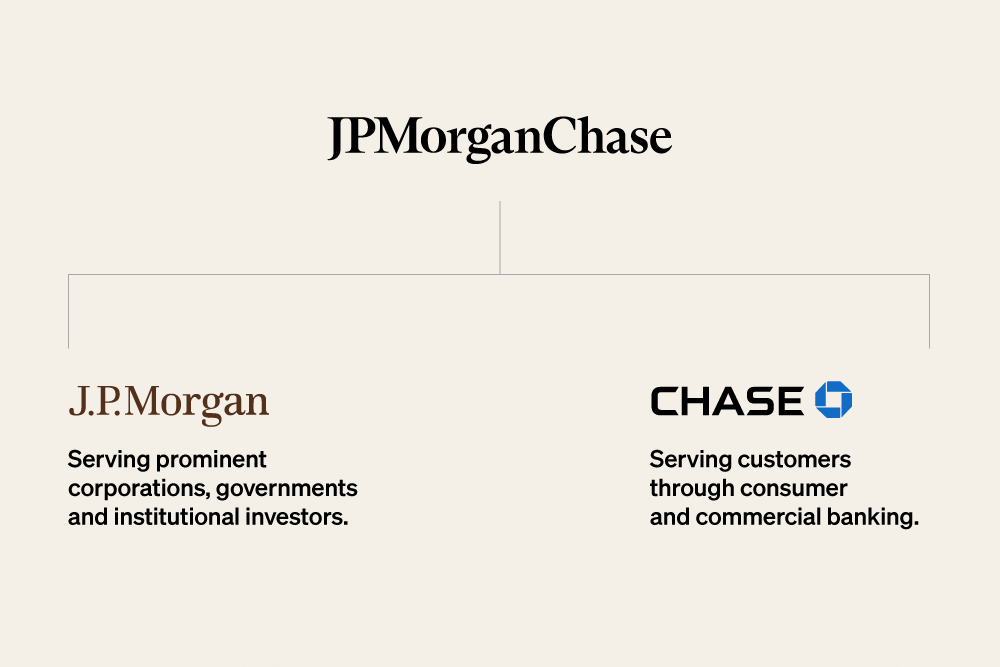
The firm is the result of the merger of thousands of institutions over two centuries, most notably the 2000 merger between Chase Manhattan Corporation and J.P. Morgan & Co. Today, it operates through two primary brands: Chase for consumer and commercial banking, and J.P. Morgan for investment banking, asset management, and private banking. This article explores the multifaceted structure of JPMC through the lens of money, examining its business model, its role in the global investment landscape, and the financial tools it provides to individuals and institutions.
1. The Foundations of a Financial Empire: Corporate Structure and Business Finance
To understand what JPMC is, one must first understand its “Fortress Balance Sheet”—a term frequently used by CEO Jamie Dimon to describe the bank’s strategy of maintaining high liquidity and capital reserves to withstand economic shocks. JPMC is structured into four primary segments, each serving a specific niche in the world of money.
Chase: The Retail and Commercial Banking Arm
The “Chase” brand represents the consumer-facing side of the business. It is a dominant force in personal finance, providing services to nearly half of all U.S. households. This segment manages consumer banking, credit cards, mortgages, and auto loans. From a business finance perspective, Chase is a massive engine for deposit gathering. These deposits provide the low-cost capital that JPMC uses to fund its other operations, creating a self-sustaining cycle of liquidity.
J.P. Morgan: Investment Banking and Asset Management
While Chase handles the public, the “J.P. Morgan” brand handles the world’s most significant capital. The Corporate & Investment Bank (CIB) is a global leader in merger and acquisition (M&A) advisory, equity and debt underwriting, and market making. When a multi-billion dollar corporation wants to go public (IPO) or acquire a competitor, they often turn to J.P. Morgan. This segment is where the “heavy lifting” of global finance happens, moving trillions of dollars through the system daily.
Asset and Wealth Management (AWM)
Money management is at the core of JPMC’s long-term stability. The AWM division manages trillions of dollars for individuals, institutions, and sovereign wealth funds. By offering a range of investment products—from mutual funds to private equity—JPMC earns significant fee-based income, which is more predictable than the volatile earnings of an investment bank. This diversification is a key reason why JPMC is often viewed as the most stable “bulge bracket” bank.
2. JPMC as a Strategic Asset for Investors
For those focused on investing and online income, JPMC is more than just a place to keep a checking account; it is a blue-chip stock (JPM) that many consider a bellwether for the health of the global economy. Understanding how JPMC makes money is crucial for any investor looking to analyze the financial sector.
Diversification and Revenue Streams
One of JPMC’s greatest strengths is its diversified revenue model. Unlike smaller regional banks that may rely heavily on net interest income (the difference between interest earned on loans and interest paid on deposits), JPMC has massive non-interest income streams. These include:
- Trading Revenue: Profit generated from buying and selling fixed income, currencies, and equities.
- Advisory Fees: Fees from helping corporations navigate complex financial deals.
- Credit Card Fees: Income from one of the largest credit card portfolios in the world.
- Asset Management Fees: Recurring revenue from managing wealth.
This diversification allows the firm to remain profitable even when interest rates are low or when the stock market is volatile, making it a staple in many long-term investment portfolios.
Market Position and the “Fortress Balance Sheet”
Investors value JPMC for its resilience. During the 2008 financial crisis, while other institutions were collapsing, JPMC was in a position of strength, even acquiring Bear Stearns and Washington Mutual. This history of stability has led to a premium valuation compared to its peers. The “Fortress Balance Sheet” philosophy ensures that the bank holds significantly more capital than required by regulators, which provides a safety net during recessions and allows the bank to continue paying dividends to its shareholders.

3. Financial Tools and Services for Modern Businesses
Beyond its role as a repository for wealth, JPMC acts as a vital utility for the global business community. Its suite of financial tools allows businesses—from small startups to multinational corporations—to manage their liquidity and scale their operations.
Capital Markets and Advisory Services
For a business to grow, it requires capital. JPMC provides this through various channels. In the debt capital markets, the bank helps companies issue bonds to raise funds for expansion. In the equity markets, it assists with share buybacks or new equity offerings. The advisory component is equally important; JPMC’s analysts provide deep market insights that help CEOs decide when to expand, when to divest, and how to price their products in a global market.
Global Payments and Treasury Solutions
In the modern economy, money needs to move fast. JPMC’s Treasury Services division is a leader in global payments. They provide the infrastructure for businesses to send and receive payments in hundreds of currencies across borders. For a modern business, managing cash flow is a primary challenge; JPMC offers sophisticated tools for “liquidity management,” allowing companies to optimize their cash positions, earn interest on idle funds, and hedge against currency fluctuations.
Lending and Credit Facilities
JPMC is a primary source of credit for the corporate world. From revolving credit lines that help businesses manage seasonal cash flow gaps to massive term loans for infrastructure projects, the bank’s lending capacity is unparalleled. This role as a “lender of last resort” for high-quality corporate borrowers ensures that the wheels of industry keep turning, even when the broader credit markets are tight.
4. Navigating Personal Finance with JPMC
For the individual, “What is JPMC” is often answered through the lens of personal wealth management and financial tools. The bank has spent billions of dollars developing a platform that integrates banking, investing, and lending into a single ecosystem.
Wealth Management and Private Banking
JPMC caters to the entire spectrum of wealth, from someone opening their first college savings account to ultra-high-net-worth individuals requiring complex estate planning. The J.P. Morgan Private Bank provides bespoke financial strategies, including tax-efficient investing, philanthropic planning, and specialized lending (such as loans backed by art collections or high-end real estate). This high-touch service ensures that large pools of capital are preserved and grown across generations.
The Rise of Digital Financial Tools
In recent years, JPMC has focused on bringing institutional-grade tools to the retail investor. Through the Chase mobile app and the “You Invest” platform, users can trade stocks and ETFs with zero commissions, mirroring the trends seen in the broader “online income” and fintech space. These tools democratize access to the markets, allowing everyday users to build portfolios using the same research and data that the bank’s professional traders use.
Credit and Lending as a Wealth Building Tool
JPMC is a leader in the premium credit card market, most notably with the Sapphire suite of cards. While many see credit cards as a way to spend, JPMC has positioned them as a financial tool for wealth building through rewards, travel insurance, and purchase protections. Furthermore, their mortgage and home equity products allow individuals to leverage their assets to build long-term wealth through real estate.
Conclusion: The Ultimate Financial Ecosystem
JPMorgan Chase & Co. is more than the sum of its parts. It is a massive, interconnected ecosystem designed to facilitate the flow of capital across the globe. Whether it is providing the liquidity needed for a small business to hire new employees, advising a tech giant on a landmark acquisition, or helping a family save for retirement, JPMC’s influence on the world of money is total.
For the investor, it represents a standard of financial discipline and a diversified bet on the global economy. For the business owner, it is a partner that provides the tools and capital necessary for growth. And for the individual, it is a gateway to the financial markets. In the complex world of business finance and personal investing, JPMC remains the “gold standard” of what a modern financial institution can achieve. Understanding its structure and strategies is not just a lesson in corporate history—it is a roadmap for understanding how money moves in the 21st century.
aViewFromTheCave is a participant in the Amazon Services LLC Associates Program, an affiliate advertising program designed to provide a means for sites to earn advertising fees by advertising and linking to Amazon.com. Amazon, the Amazon logo, AmazonSupply, and the AmazonSupply logo are trademarks of Amazon.com, Inc. or its affiliates. As an Amazon Associate we earn affiliate commissions from qualifying purchases.