
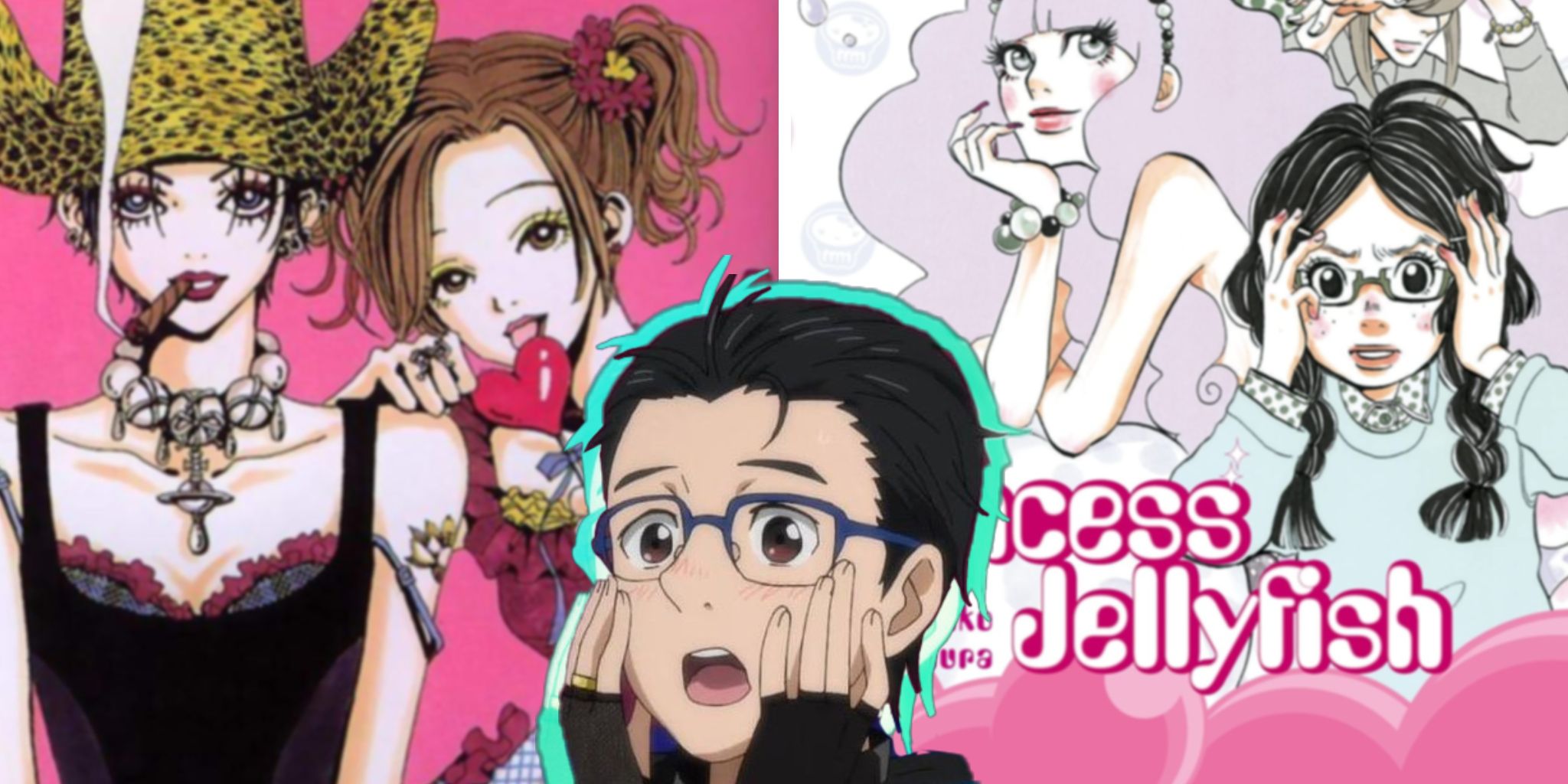
While the vast landscape of Japanese animation, or anime, often conjures images of high-octane shonen battles, fantastical isekai adventures, or heartwarming slice-of-life comedies, there exists a significant and often under-explored demographic: josei anime. This genre, specifically catering to adult women, offers a nuanced and mature perspective on life, relationships, and personal growth, often tackling themes that resonate deeply with a female audience navigating the complexities of adulthood. Understanding josei anime is not merely about identifying a target demographic; it’s about appreciating a distinct storytelling approach and thematic richness that distinguishes it within the broader anime spectrum.
The Defining Characteristics of Josei Anime
Josei anime, derived from the Japanese word for “woman,” is explicitly marketed towards and often created by women in their late teens and beyond. This fundamental distinction shapes the core elements of its narratives. Unlike shojo anime, which also targets a female audience but often focuses on idealized romance and coming-of-age stories, josei anime delves into more grounded and realistic portrayals of life. The themes explored are typically more mature, reflecting the experiences and concerns of women who are often past their initial romantic awakenings and are grappling with careers, established relationships, societal expectations, and personal aspirations.
Mature Themes and Relatable Narratives
The thematic palette of josei anime is broad and encompasses a spectrum of adult experiences. Romance, while present, is rarely the sole focus and is often depicted with a greater sense of realism, acknowledging the challenges, compromises, and emotional complexities that arise in long-term relationships or mature dating. Career aspirations and professional struggles are frequently central, with characters striving for success, facing workplace politics, or re-evaluating their life choices in the pursuit of fulfillment. Family dynamics, friendships among adult women, and the navigation of societal pressures—such as marriage, childbirth, and career plateaus—are also common threads. These narratives often eschew simplistic happy endings in favor of more bittersweet conclusions, reflecting the multifaceted nature of adult life where challenges and triumphs are often intertwined.
Character Development and Psychological Depth
A hallmark of josei anime is its emphasis on character development and psychological depth. The protagonists are typically not idealized figures but flawed, relatable individuals with inner struggles, insecurities, and evolving perspectives. Viewers are invited to witness their journeys of self-discovery, resilience, and personal growth as they confront their pasts, present dilemmas, and future uncertainties. This focus on internal conflict and emotional nuance allows for a deeper connection between the audience and the characters, fostering empathy and introspection. The storytelling often prioritizes subtle character interactions, internal monologues, and a gradual unfolding of emotional arcs, mirroring the slow, organic nature of personal change.
Key Elements Differentiating Josei from Other Demographics
While “adult” can be a broad descriptor, josei anime carves out its unique space by distinguishing itself from other anime demographics, particularly shojo and seinen. The distinctions lie not only in the target audience but also in the thematic content, narrative complexity, and visual presentation.
Shojo vs. Josei: A Maturation of Themes
The most frequent point of comparison for josei anime is shojo anime, which targets teenage girls. While both genres often feature romance and emotional arcs, shojo typically presents a more romanticized and idealized view of relationships and life. The protagonists are often younger, their challenges more focused on high school dilemmas and first love. Josei, on the other hand, introduces a more grounded and mature perspective. While still exploring romance, it acknowledges the complexities of adult relationships, including potential infidelity, the pressures of societal expectations, and the evolution of personal desires beyond initial infatuation. The emotional stakes are often higher and more nuanced, reflecting the lived experiences of adults.
Seinen: Bridging the Gap with a Female Lens
Seinen anime, targeting adult men, often explores mature themes like violence, complex political intrigue, or existential crises. While seinen and josei can overlap in their maturity and complexity, the key differentiator lies in the perspective. Josei anime consistently offers a female-centric viewpoint, exploring these mature themes through the lens of female characters and their unique experiences. This means that even when dealing with issues like career ambition, societal pressure, or relationship difficulties, the narrative remains firmly rooted in the protagonist’s personal journey as a woman, offering insights and emotional resonance that may differ from a male-oriented perspective.
Notable Genres and Common Tropes within Josei Anime
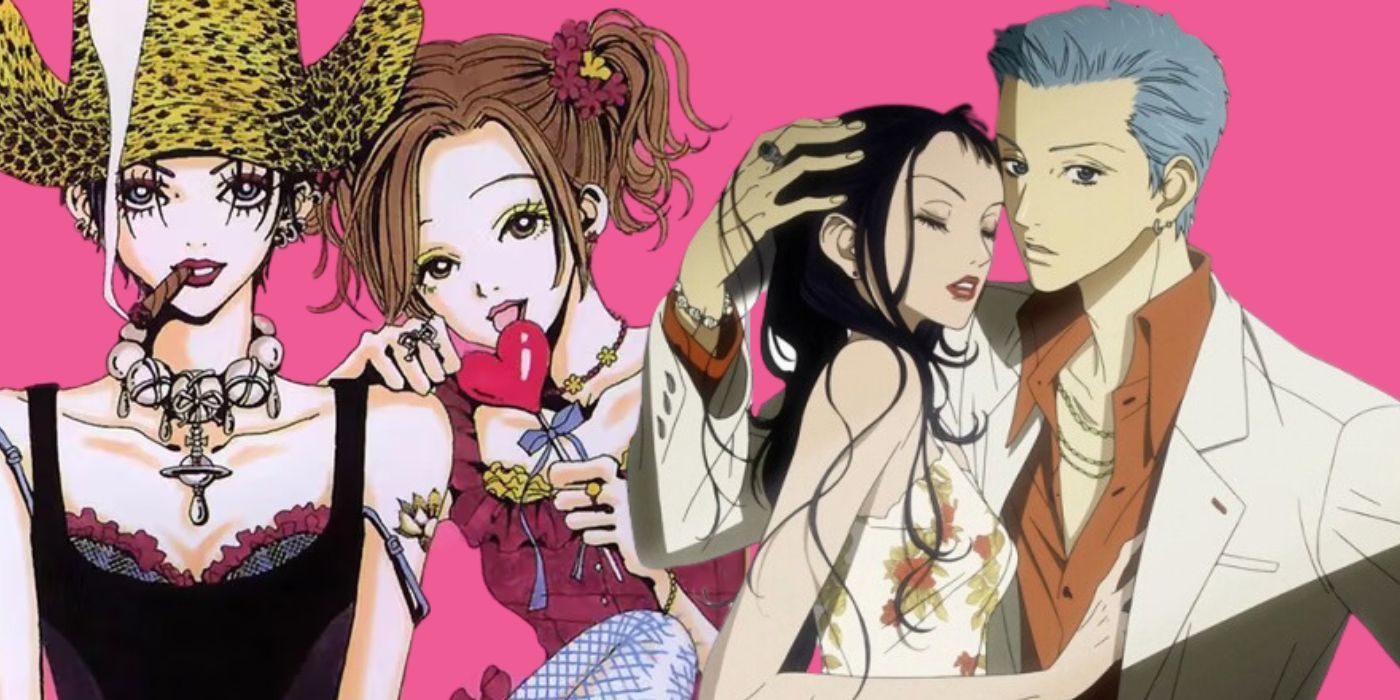
While josei anime is defined by its target audience and thematic maturity, it encompasses a variety of sub-genres and often employs recurring narrative elements that contribute to its distinctive appeal. These tropes are not necessarily negative; rather, they are recurring motifs that resonate with the intended audience.
The Workplace Drama: Navigating Professional Life
A significant portion of josei anime centers around the professional lives of its protagonists. These narratives often explore the challenges and triumphs of women in various careers, from office environments to more creative fields. Common themes include workplace politics, the pursuit of promotions, dealing with demanding bosses or colleagues, balancing work and personal life, and the often-difficult process of finding one’s passion and purpose in a career. These stories provide a realistic depiction of the modern professional landscape and the unique hurdles women may face, offering relatable scenarios and inspiring portrayals of ambition and resilience.
The Romance Realism: Love in Adulthood
Romance in josei anime is rarely the fairy-tale fantasy often seen in shojo. Instead, it focuses on the complexities and realities of adult relationships. This can include navigating long-term partnerships, the complexities of dating in one’s twenties and thirties, the impact of past experiences on current relationships, and the emotional toll of breakups or unrequited love. The narratives often explore themes of compromise, communication, emotional vulnerability, and the often-messy process of building and maintaining intimacy. The focus is on genuine connection and emotional growth rather than idealized perfection.
The Slice of Life with a Mature Twist
While “slice of life” is a broad anime genre, josei anime imbues it with a distinctly mature perspective. Instead of focusing on the whimsical adventures of school-aged protagonists, josei slice-of-life series often explore the everyday lives of adult women. This can involve mundane routines, navigating friendships, dealing with family obligations, pursuing hobbies, and the quiet moments of reflection that characterize adult existence. These series offer a sense of comfort and familiarity, allowing viewers to see their own lives reflected in the characters and their relatable experiences.
The Enduring Appeal and Cultural Significance of Josei Anime
The appeal of josei anime lies in its ability to provide viewers with a mirror to their own lives, offering validation, insight, and a sense of shared experience. Its cultural significance extends beyond mere entertainment, contributing to a more nuanced and representative portrayal of women in media.
Fostering Connection and Understanding
For many viewers, josei anime serves as a powerful tool for connection and understanding. By presenting realistic portrayals of female experiences, it can validate the emotions and struggles that individuals are facing, making them feel less alone. The detailed character development and exploration of complex psychological states allow audiences to empathize with the protagonists, fostering a deeper appreciation for diverse perspectives and lived realities. This sense of shared humanity is a cornerstone of its enduring appeal.
Challenging Stereotypes and Expanding Representation
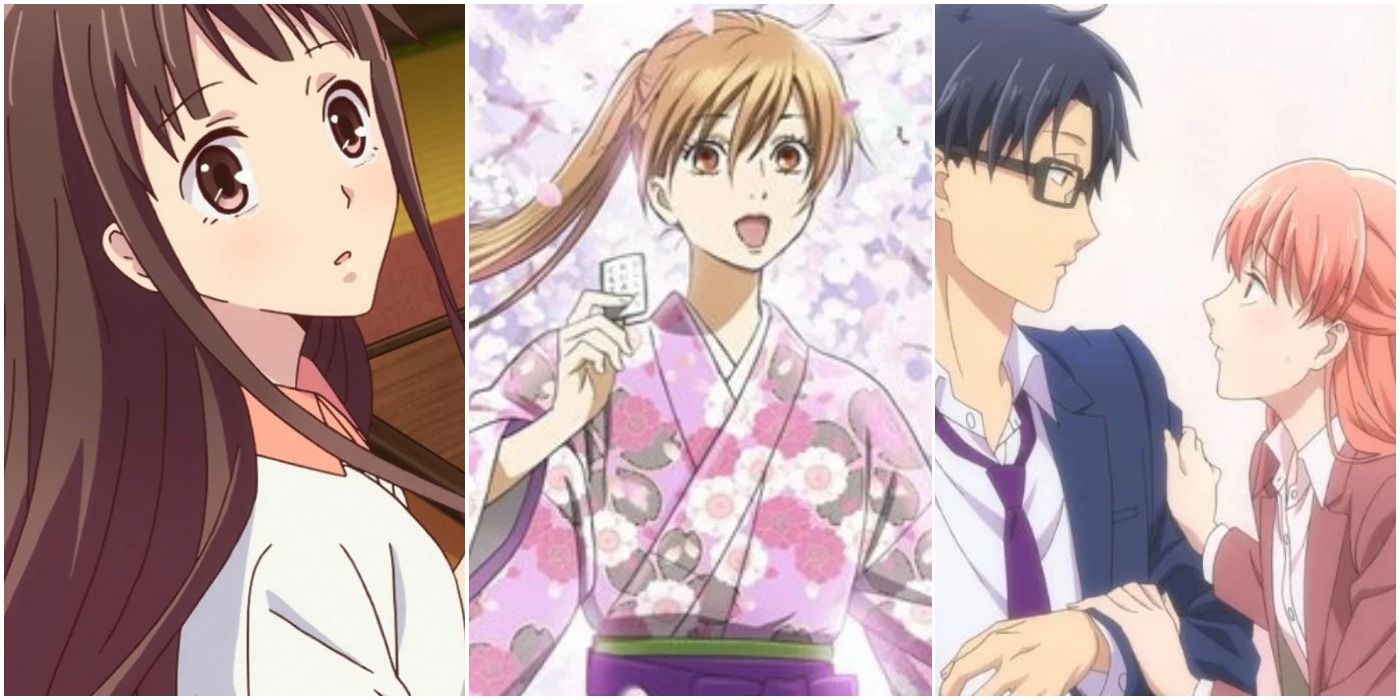
Josei anime plays a crucial role in challenging stereotypical portrayals of women in media. By offering complex, multi-dimensional female characters who are navigating the challenges of adulthood with agency and resilience, the genre actively works against simplistic or objectifying representations. It provides a platform for diverse female voices and experiences to be heard, contributing to a broader and more inclusive cultural conversation about gender and identity. The genre’s focus on realism and emotional honesty makes it a valuable contribution to the evolving landscape of Japanese animation, demonstrating its capacity to engage with mature audiences on a profound level.
In conclusion, josei anime is a vital and enriching genre within the broader anime landscape. By offering mature themes, relatable characters, and a distinctly female perspective, it provides a unique and valuable form of storytelling that resonates deeply with adult audiences. Its continued growth and popularity underscore a growing demand for nuanced, authentic, and representative narratives that reflect the complexities of life beyond adolescence.
aViewFromTheCave is a participant in the Amazon Services LLC Associates Program, an affiliate advertising program designed to provide a means for sites to earn advertising fees by advertising and linking to Amazon.com. Amazon, the Amazon logo, AmazonSupply, and the AmazonSupply logo are trademarks of Amazon.com, Inc. or its affiliates. As an Amazon Associate we earn affiliate commissions from qualifying purchases.