
The modern job market is a dynamic ecosystem, constantly evolving to meet the needs of both employers seeking talent and individuals searching for their next career opportunity. In this intricate landscape, job boards have emerged as indispensable digital platforms, acting as vital conduits for connection and information exchange. Far more than simple online classifieds, job boards represent a sophisticated technological solution designed to streamline and optimize the recruitment process. They are the digital town squares where companies post their openings and job seekers cast their nets, facilitating interactions that fuel economies and shape professional lives. Understanding what a job board is, how it functions, and its impact is crucial for anyone navigating the contemporary world of work.
The Foundational Architecture: How Job Boards Operate
At its core, a job board is a website or digital platform dedicated to listing employment opportunities. However, its functionality extends far beyond mere aggregation. The underlying technology and operational model are designed for efficiency, scalability, and user experience, catering to the distinct needs of both employers and job seekers.
Aggregation and Listing: The Core Functionality
The primary purpose of any job board is to collect and display job listings. This is achieved through various methods. Some job boards rely on direct input from employers, who create accounts and manually post their vacancies. These listings typically include crucial details such as the job title, description, required qualifications, location, salary range (if disclosed), and application instructions.
More sophisticated job boards utilize web scraping and API integrations to aggregate listings from multiple company career pages or other job boards. This “aggregator” model, exemplified by platforms like Indeed or Google for Jobs, aims to provide a comprehensive overview of the job market by pulling in a vast number of opportunities from diverse sources. This broad reach is a significant draw for job seekers, offering a single point of access to a wide array of potential roles.
Search and Filtering Mechanisms: Navigating the Volume
With thousands, if not millions, of job listings available on larger platforms, effective search and filtering capabilities are paramount. Job boards employ advanced algorithms and user-friendly interfaces to allow job seekers to narrow down their search based on a multitude of criteria.
Common search parameters include:
- Keywords: Based on job titles, skills, or industry terms.
- Location: Specific cities, regions, or remote work options.
- Industry: Healthcare, technology, finance, retail, etc.
- Job Type: Full-time, part-time, contract, temporary, internship.
- Experience Level: Entry-level, mid-career, senior.
- Salary Range: Often a critical factor for job seekers.
- Company: For those targeting specific employers.
These filters are essential for personalizing the job search experience, saving users time and presenting them with the most relevant opportunities, thereby increasing the efficiency of the platform.
User Interface and Experience: The Digital Gateway
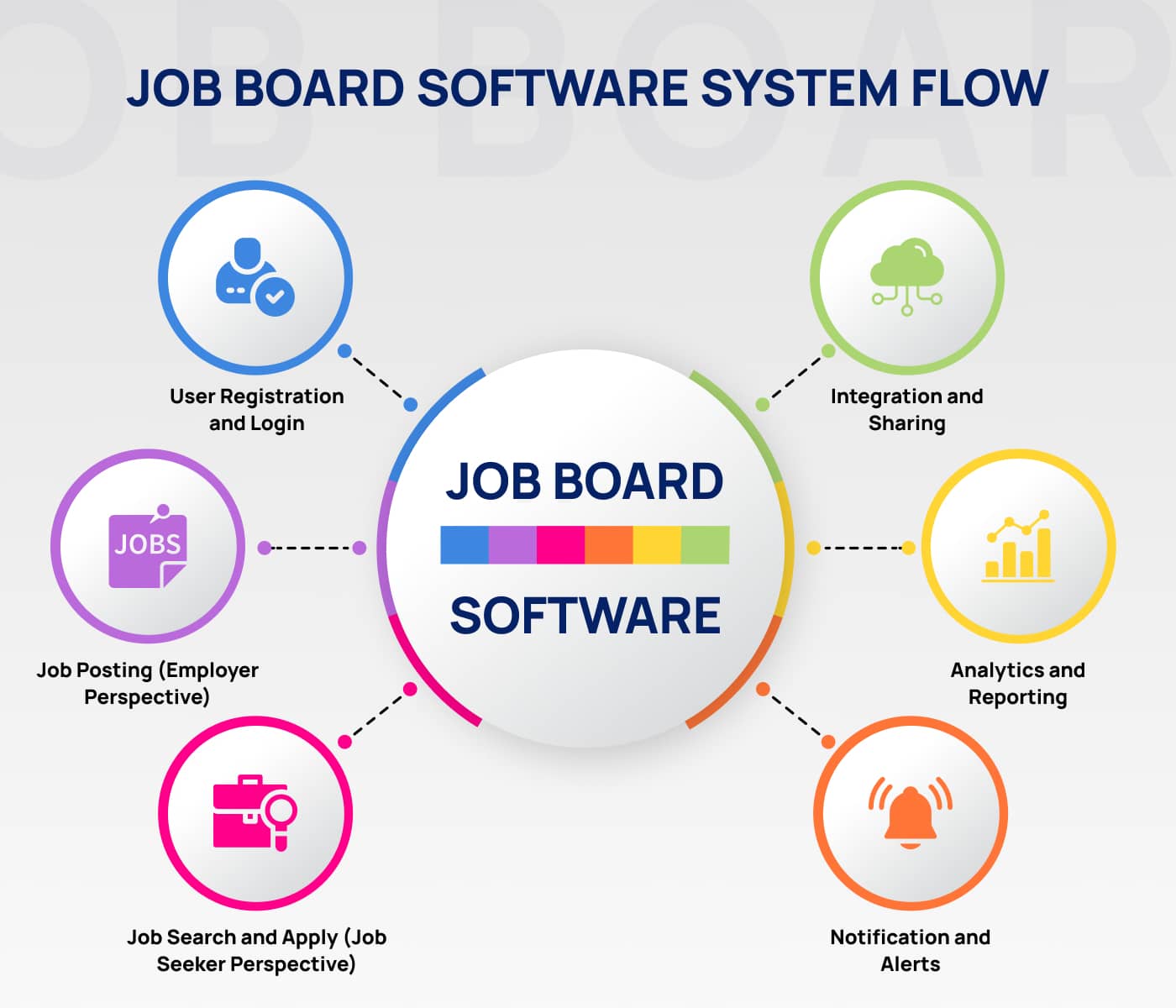
The design and usability of a job board are critical to its success. A clean, intuitive interface ensures that both employers and job seekers can navigate the platform easily and efficiently. For job seekers, this means a straightforward search bar, easily understandable filtering options, and clear presentation of job details. For employers, it involves a simple process for creating listings, managing applications, and tracking candidate progress.
Modern job boards often incorporate features that enhance the user experience, such as:
- Personalized recommendations: Based on past searches and saved jobs.
- Job alerts: Notifying users when new positions matching their criteria are posted.
- Profile creation: Allowing job seekers to upload resumes and cover letters, making applications quicker.
- Company profiles: Providing information about the employer, culture, and benefits.
- Application tracking systems (ATS) integration: For employers to manage candidate pipelines.
The success of a job board is heavily influenced by its ability to provide a seamless and effective digital gateway to the job market.
The Technological Underpinnings: Driving Efficiency and Innovation
Job boards are inherently tech-driven platforms. Their evolution reflects advancements in web technologies, data science, and artificial intelligence, all aimed at making the recruitment process more efficient, personalized, and ultimately, more successful.
Data Management and Algorithm Design: The Power of Information
At the heart of every functional job board lies robust data management. Job listings, user profiles, search queries, and application data are collected, stored, and processed. The quality and organization of this data are crucial for the effectiveness of the platform’s search algorithms.
- Indexing and Ranking: Job boards use sophisticated indexing techniques to quickly retrieve relevant listings based on user queries. Ranking algorithms then prioritize these listings based on factors like relevance, recency, and sometimes, employer investment (e.g., sponsored listings).
- Natural Language Processing (NLP): NLP plays a vital role in understanding the nuances of job descriptions and resumes. It helps in matching skills and requirements more accurately, even when different terminology is used. For example, NLP can recognize that “software developer” and “programmer” are related roles.
- Machine Learning (ML) for Personalization: ML algorithms analyze user behavior – search history, clicked jobs, applications – to predict which jobs a user is most likely to be interested in. This leads to personalized job recommendations, enhancing user engagement and satisfaction.
Search Engine Optimization (SEO) and Reach: Being Found
For job boards to be effective, they need to be discoverable. This involves significant investment in Search Engine Optimization (SEO) to ensure that job listings appear prominently in search engine results when individuals search for jobs.
- On-page optimization: Structuring job listings with relevant keywords, clear titles, and descriptive meta tags.
- Off-page optimization: Building backlinks from reputable sources and ensuring the website’s technical health.
- Schema Markup: Implementing structured data (like
JobPostingschema) allows search engines to better understand the content of job listings, leading to richer search results and improved visibility.
Cloud Infrastructure and Scalability: Handling the Demand
The job market can experience significant fluctuations in demand, with spikes in activity during certain periods. Job boards, especially large aggregators, require robust and scalable cloud infrastructure to handle these varying loads.
- Elasticity: Cloud platforms allow job boards to automatically scale their computing resources up or down based on traffic, ensuring consistent performance even during peak times.
- Reliability and Uptime: Mission-critical platforms like job boards need to be highly available. Cloud infrastructure offers redundancy and disaster recovery capabilities to minimize downtime.
- Data Storage and Security: Large volumes of sensitive data (user information, resumes) require secure and scalable storage solutions, often provided by cloud service providers.
The Evolving Landscape: Advanced Features and Future Trends
The job board industry is not static. Continuous innovation is driven by the desire to provide more value to both employers and job seekers, leveraging emerging technologies and adapting to changing work dynamics.
AI-Powered Matching and Insights: Smarter Connections
Artificial intelligence is increasingly central to the evolution of job boards, moving beyond simple keyword matching to more intelligent and predictive functionalities.
- AI-driven resume parsing: Advanced AI can extract skills, experience, and qualifications from resumes with greater accuracy, allowing for more precise candidate matching.
- Predictive analytics for employers: AI can analyze historical hiring data to predict candidate success rates, identify potential skill gaps in the workforce, and recommend optimal sourcing strategies.
- Chatbots and Virtual Assistants: AI-powered chatbots can answer common candidate questions, guide users through the application process, and even conduct initial screening interviews, freeing up recruiter time.
- Bias detection and mitigation: As AI becomes more sophisticated, there’s a growing focus on using it to identify and reduce bias in job descriptions and the matching process, promoting diversity and inclusion.
Enhanced Candidate Experience: Beyond the Application Form
Job seekers are increasingly demanding more than just a place to submit a resume. Modern job boards are focusing on providing a richer and more supportive candidate experience.
- Skill assessments and gamification: Platforms may integrate tools that allow candidates to demonstrate their skills through interactive tests or gamified exercises, providing employers with more objective data.
- Career pathing and development resources: Some job boards offer tools that help users understand career progression, identify skill gaps for desired roles, and access learning resources.
- Virtual career fairs and networking events: Leveraging technology to recreate in-person recruitment events online, facilitating direct interaction between candidates and employers.
- Focus on candidate privacy and transparency: With increasing data privacy regulations, job boards are emphasizing how candidate data is used and protected.
Specialization and Niche Boards: Catering to Specific Needs
While large, general job boards remain dominant, there’s a growing trend towards specialized or niche job boards. These platforms cater to specific industries, skill sets, or demographics, offering a more targeted and relevant experience for both employers and job seekers within that niche.
Examples include:
- Tech-specific boards: Focusing on software engineering, data science, cybersecurity, etc.
- Industry-specific boards: For healthcare professionals, educators, legal professionals, etc.
- Remote work boards: Dedicated solely to remote job opportunities.
- Diversity-focused boards: Aimed at connecting underrepresented groups with employers committed to diversity and inclusion.
These specialized platforms often provide deeper industry insights, more tailored search filters, and a community that understands the specific nuances of the roles they advertise.
The Economic and Societal Impact of Job Boards
Job boards are not just technological tools; they are powerful engines that drive economic activity and influence the fabric of society by shaping how individuals find work and how companies acquire talent.
Facilitating Labor Market Efficiency: Bridging the Gap
One of the most significant impacts of job boards is their role in increasing labor market efficiency. By centralizing job openings and making them accessible to a broad audience, they reduce the time and effort required for both job seekers to find opportunities and employers to find qualified candidates.
- Reduced search friction: Job seekers no longer need to scour individual company websites or rely solely on personal networks.
- Wider talent pools for employers: Companies can reach a more diverse and geographically dispersed pool of applicants.
- Price discovery for labor: The visibility of salary ranges, where disclosed, can contribute to more informed salary negotiations and potentially more equitable compensation.
Impact on Recruitment Strategies: A Digital Transformation
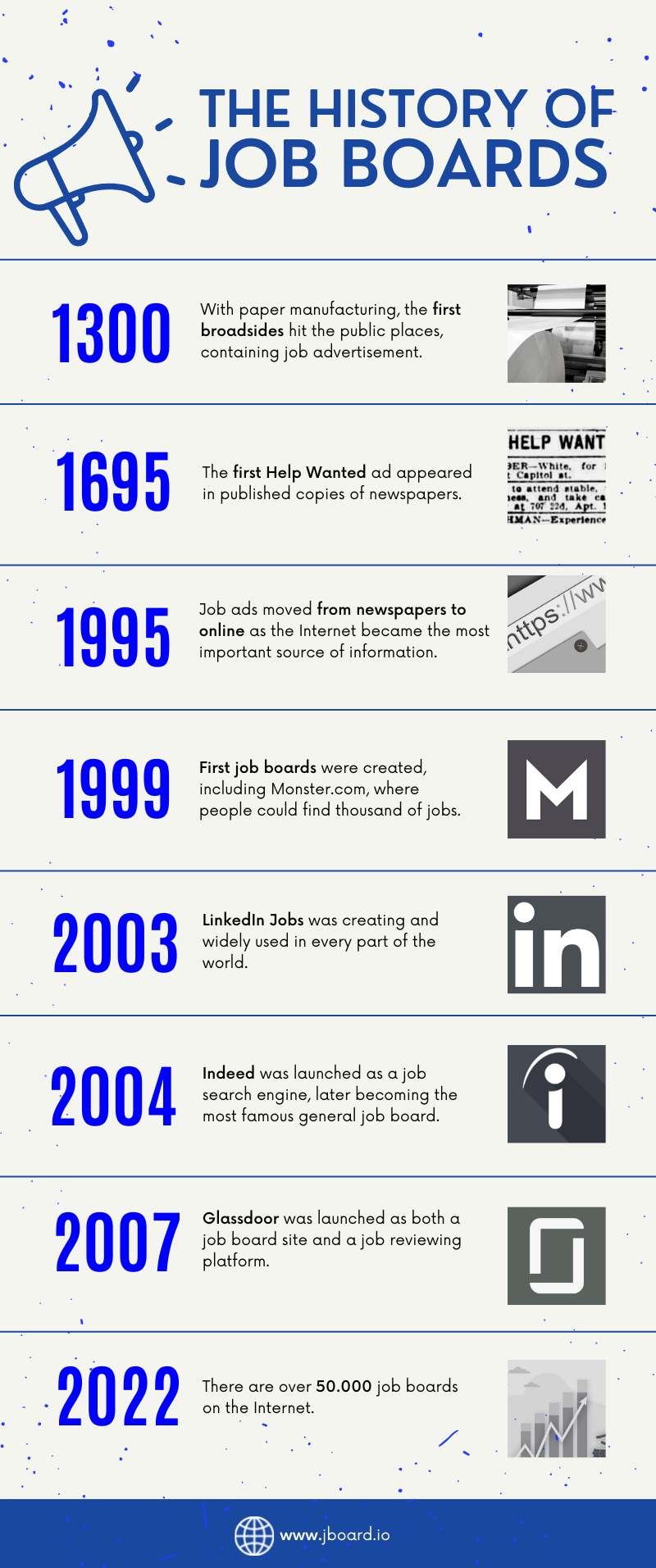
Job boards have fundamentally altered how companies approach recruitment. The reliance on traditional methods like newspaper ads or purely passive sourcing has diminished, replaced by a more active, digital-first strategy.
- Employer branding: Companies use their job board presence to showcase their culture and attract talent.
- Data-driven recruitment: Employers can track the effectiveness of their job postings, analyze candidate sources, and refine their recruitment strategies based on data.
- Cost-effectiveness: For many companies, posting jobs on boards is more cost-effective than traditional advertising or extensive headhunting.
Empowering Job Seekers: Tools for Career Advancement
For individuals, job boards have become indispensable tools for career management and advancement. They provide access to information, enable proactive job seeking, and offer resources for skill development.
- Democratization of opportunity: Individuals from all backgrounds and locations have a more equitable chance to discover and apply for jobs they might not otherwise have known about.
- Career exploration: Job boards allow individuals to explore different career paths, understand market demands, and identify areas for professional growth.
- Empowerment through information: Access to job details, company information, and sometimes salary benchmarks empowers job seekers to make more informed career decisions.
In conclusion, job boards are sophisticated technological platforms that have revolutionized the way individuals find employment and companies recruit talent. From their foundational aggregation and filtering mechanisms to their increasingly AI-driven capabilities and specialized niches, they represent a critical infrastructure in the modern digital economy. Their impact extends beyond mere transactions, shaping labor market efficiency, recruitment strategies, and ultimately, empowering individuals to navigate and advance their careers in an ever-evolving professional landscape.
aViewFromTheCave is a participant in the Amazon Services LLC Associates Program, an affiliate advertising program designed to provide a means for sites to earn advertising fees by advertising and linking to Amazon.com. Amazon, the Amazon logo, AmazonSupply, and the AmazonSupply logo are trademarks of Amazon.com, Inc. or its affiliates. As an Amazon Associate we earn affiliate commissions from qualifying purchases.