
In the intricate landscape of contemporary brand identity and cultural movements, the term “Jirai” has emerged from its literal Japanese translation of “landmine” to signify a deeply nuanced and powerful form of personal and aesthetic branding. Far from a simple fashion trend, Jirai, specifically Jirai-kei (地雷系), represents a meticulously crafted persona and visual language that communicates a complex emotional state and subcultural affiliation. From a branding perspective, understanding Jirai is to delve into the deliberate construction of identity, the strategic use of visual cues for emotional resonance, and the compelling power of niche marketing within digital and real-world communities. It serves as a compelling case study in how individuals and groups can establish a distinctive brand image that resonates with a specific demographic, fostering both recognition and loyalty.

The Jirai-kei Aesthetic: A Visual Brand Language
The core of Jirai as a brand lies in its highly recognizable and consistent aesthetic. This visual language is the primary “logo” of the Jirai-kei persona, instantly signaling its identity to those familiar with the subculture.
Core Visual Elements
Jirai-kei fashion meticulously combines specific elements to create its signature look. Predominant colors are often dark—black, deep burgundy, and dark navy—juxtaposed with accents of pale pink, white, or baby blue to introduce a contrasting softness. Key garments include dresses and skirts featuring ample lace, ruffles, and ribbons, often paired with oversized hoodies or cardigans. Accessories are vital, encompassing chunky platform shoes, hair bows, chokers, and often an abundance of silver jewelry. Makeup plays a crucial role, characterized by exaggerated undereye circles (known as “menheraメイク” or “sick-girl makeup”), heavy eyeliner, and often contact lenses to create a doll-like or melancholic gaze. This precise combination of elements is not accidental; it’s a deliberate design strategy that defines the visual brand.
The “Cute but Dangerous” Paradox
What makes the Jirai aesthetic particularly potent from a branding standpoint is its inherent paradox: the “cute but dangerous” or “fragile but edgy” dichotomy. The “cute” elements—pastel colors, ribbons, doll-like makeup—evoke innocence and vulnerability, while the darker colors, heavy platforms, and specific makeup (suggesting sleeplessness or emotional distress) hint at an underlying melancholic, rebellious, or even volatile nature. This deliberate tension creates a compelling and memorable brand image. It’s akin to a commercial brand that successfully combines contradictory attributes (e.g., affordable luxury), creating a richer, more engaging narrative that captures attention and sparks intrigue. The “landmine” metaphor becomes clear here: an outwardly delicate appearance that carries a hidden, unpredictable edge.
Cohesion and Recognition
The consistent application of these visual elements across different individuals and contexts contributes significantly to Jirai-kei’s strong brand identity. Like a well-executed corporate branding guide, there’s a clear framework that allows for individual expression within defined boundaries. This cohesion ensures instant recognition, fostering a sense of belonging among adherents and clarity for external observers. This level of visual consistency is a powerful tool for brand building, ensuring that the “Jirai” message is always clear, whether seen on a busy Tokyo street or an Instagram feed.
Crafting a Persona: The Human Brand Behind Jirai-kei
Beyond the visual, Jirai is fundamentally about the deliberate crafting and communication of a specific persona, functioning as a powerful form of personal branding. This persona extends beyond mere clothing to encompass attitudes, emotional states, and desired social interactions.
Emotional Branding and Resonance
The Jirai-kei persona often communicates a specific emotional landscape: fragility, introversion, a sense of being misunderstood, or even a deliberate melancholy. This isn’t just about what one wears, but what one feels and expresses through that aesthetic. For many, adopting the Jirai-kei style is a way to externally brand an internal emotional state, creating a form of emotional branding. This appeals directly to individuals who identify with these feelings, offering them a visible outlet and a sense of solidarity. It’s similar to how lifestyle brands connect with consumers on an emotional level, promising not just a product, but a feeling or an identity.
Targeting and Relatability
This deeply emotional approach naturally targets a specific demographic, primarily young women in Japan who may feel pressure, alienation, or a desire for a distinct identity. By embodying a persona that acknowledges vulnerability and defiance, Jirai-kei provides a relatable “brand” for those navigating the complexities of adolescence and early adulthood. The aesthetic becomes a flag under which individuals can gather, finding comfort and understanding in a shared identity. This tribal branding effect is incredibly powerful, transforming isolated individuals into a cohesive community bound by a common “brand” ethos.
Authenticity as a Brand Value
For the Jirai-kei brand to be successful, authenticity is paramount. While it starts as an aesthetic choice, for adherents, it often evolves into a genuine expression of self. It moves beyond mere imitation to a deeply integrated personal brand statement where the style reflects an internal truth. This focus on authenticity strengthens the brand’s integrity and appeals to those seeking genuine connections and expressions of identity, distinguishing it from fleeting trends or mere cosplay. True brand loyalty is built on perceived authenticity.
Marketing a Mood: Communication Through Style
The rise of Jirai-kei highlights the potent ways in which style functions as a non-verbal marketing tool, communicating complex ideas and fostering community in an increasingly visual world.
Non-Verbal Communication
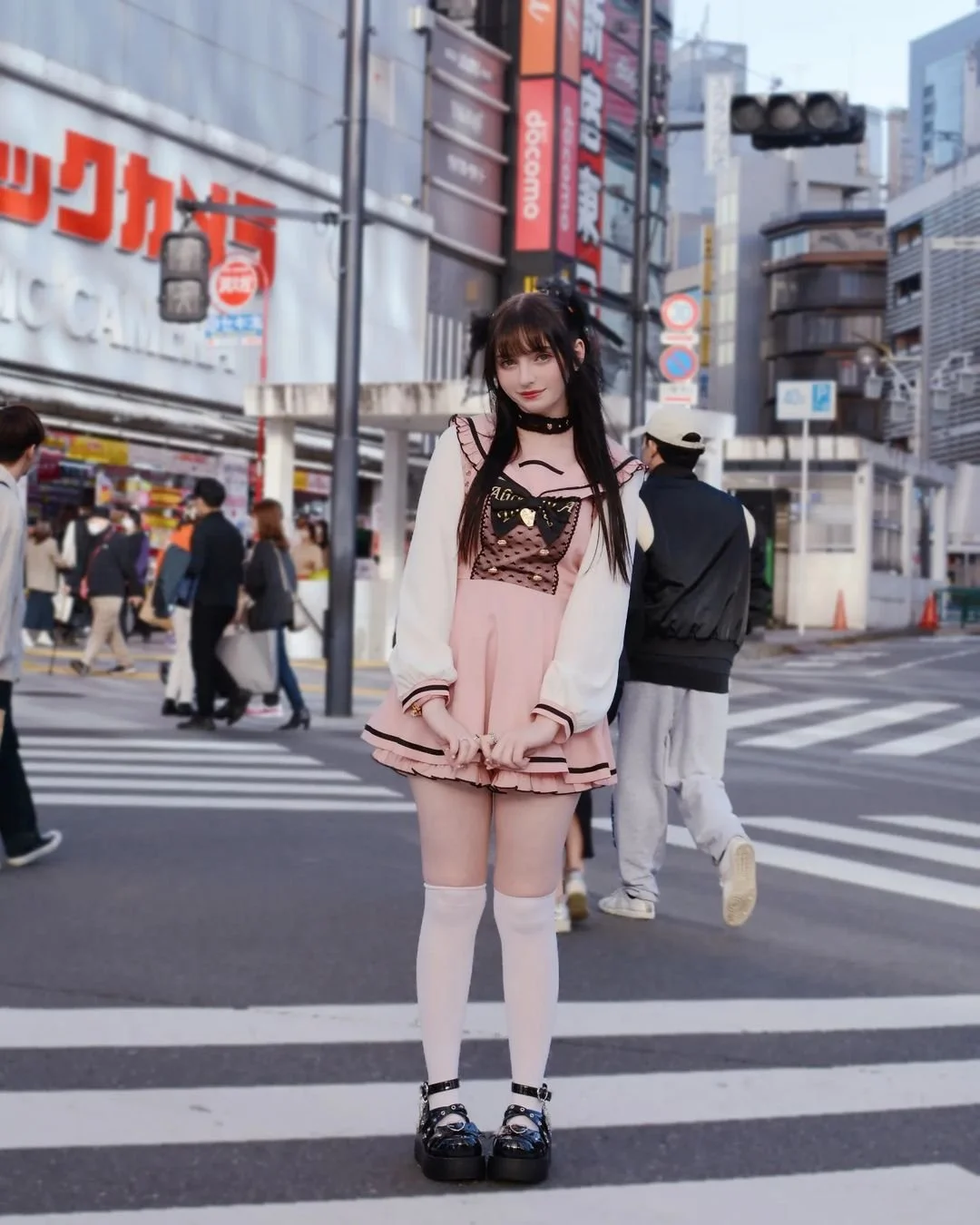
The Jirai-kei aesthetic acts as a powerful non-verbal marketing tool. Before a word is spoken, the clothing, makeup, and demeanor communicate a wealth of information about an individual’s chosen brand identity, values, and emotional state. It signals affiliation to a subculture, an openness to certain types of interactions, and a distinct psychological profile. In a crowded marketplace of personal identities, Jirai-kei provides instant messaging, cutting through noise to convey a specific brand message. This is akin to a company’s logo or storefront design, instantly communicating its brand essence.
Digital Presence and Influence
Social media platforms have been instrumental in the widespread “marketing” of the Jirai-kei brand. Influencers and regular users alike leverage platforms like Instagram, TikTok, and X (formerly Twitter) to showcase their Jirai-kei looks, utilizing specific poses, filters, and backdrops that reinforce the aesthetic and persona. This digital dissemination creates a constant stream of brand content, allowing the “Jirai” identity to evolve and reach new audiences. Hashtags and algorithmically driven content act as organic marketing channels, connecting like-minded individuals and solidifying the brand’s presence in the digital sphere. This demonstrates the power of user-generated content in building and sustaining a brand.
Community Building Through Shared Aesthetics
One of the most compelling aspects of the Jirai-kei phenomenon, from a brand perspective, is its capacity for community building. When individuals adopt the Jirai-kei aesthetic, they are not merely dressing up; they are aligning with a specific brand identity that signifies shared values, experiences, or emotional states. This shared aesthetic fosters a sense of belonging and mutual understanding, akin to how global brands cultivate customer loyalty and community through shared values. This sense of collective identity reinforces the individual’s commitment to the “Jirai” brand, creating a positive feedback loop of engagement and belonging.
Strategic Implications for Niche Brand Building
The Jirai-kei phenomenon offers valuable lessons for businesses and individuals aiming to build strong, memorable brands, particularly within niche markets.
Defining a Clear Niche
Jirai-kei’s success lies in its unapologetic embrace of a highly specific aesthetic and psychological profile. It doesn’t attempt to appeal to everyone; instead, it focuses intensely on a segment that resonates with its unique brand message. This exemplifies a critical branding strategy: rather than dilute your message to broaden appeal, define a clear niche and cater to it with specificity and depth. For any brand, clarity on who you are serving and what unique value you offer them is paramount.
Consistency as Key
The unwavering consistency of Jirai-kei’s visual and emotional messaging is a cornerstone of its strength. From the color palettes to the makeup styles and even the emotional expressions, there’s a remarkable coherence that reinforces the brand’s identity. This lesson is universal: consistent brand messaging across all touchpoints builds recognition, trust, and memorability. Any deviation can dilute brand equity, while unwavering consistency reinforces it.
The Power of Subculture in Branding
Subcultures like Jirai-kei are fertile grounds for observing powerful brand formation. They naturally generate strong, often visually distinct, identities that serve as powerful markers for their members. Marketers and brand strategists can learn from these organic movements how to create brands that foster deep loyalty and a sense of belonging, often by tapping into underserved emotional or social needs. Understanding these subcultural dynamics can inform strategies for building authentic, resonant brands.
From Personal Branding to Commercial Opportunity
While primarily a form of personal branding, the widespread adoption and visibility of Jirai-kei have inevitably created commercial opportunities. Fashion brands, accessory designers, and beauty companies have begun to cater specifically to this aesthetic, offering products that align with the Jirai-kei brand. This demonstrates how a strong, organically grown personal or subcultural brand can evolve into a significant market demand, proving that authenticity and resonance can directly translate into commercial viability and new business ventures.
Beyond the Trend: Sustaining a Brand Identity
For any brand, the challenge lies not just in creation but in sustained relevance. Jirai-kei, like all cultural phenomena, faces questions of evolution and longevity.
Evolution Versus Dilution
A critical challenge for a niche brand like Jirai-kei is how to evolve without diluting its core identity. As elements of the style become more mainstream or adapted, the subculture must navigate how to retain its distinctiveness while allowing for natural progression. For commercial brands, this translates into balancing innovation with brand heritage, ensuring new offerings align with the established brand promise.

Cultural Impact and Longevity
What determines whether Jirai-kei remains a fleeting trend or embeds itself deeper into cultural consciousness, much like other enduring Japanese street styles? The answer lies in its continued ability to resonate authentically with its target audience and adapt to changing societal contexts while maintaining its core emotional and visual brand message. The longevity of any brand, whether personal or corporate, ultimately depends on its ability to stay relevant, authentic, and connected to the evolving needs and desires of its audience.
aViewFromTheCave is a participant in the Amazon Services LLC Associates Program, an affiliate advertising program designed to provide a means for sites to earn advertising fees by advertising and linking to Amazon.com. Amazon, the Amazon logo, AmazonSupply, and the AmazonSupply logo are trademarks of Amazon.com, Inc. or its affiliates. As an Amazon Associate we earn affiliate commissions from qualifying purchases.