
JetBlue, often perceived as a refreshingly different player in the aviation industry, is far more than just an airline; it is a meticulously crafted brand that redefined the low-cost carrier segment. From its inception, JetBlue embarked on a mission to disrupt conventional air travel by merging affordability with a premium, customer-centric experience. This strategic blend has allowed it to carve out a unique corporate identity, distinguishing itself from both legacy carriers and ultra-low-cost competitors. Understanding “what is JetBlue” requires a deep dive into its brand strategy, corporate identity, and the marketing principles that have shaped its trajectory from a startup to a significant force in North American aviation.
The Genesis of a Disruptor: Crafting a Unique Airline Identity
The story of JetBlue begins not merely with planes and routes, but with a profound understanding of customer dissatisfaction within the existing airline landscape. Launched in 2000 by David Neeleman, the vision was to create an airline that consumers would genuinely love – a bold claim in an industry often plagued by negative perceptions. This foundational ethos was the bedrock upon which JetBlue’s distinctive brand identity was built.
From Concept to Takeoff: Early Brand Promises
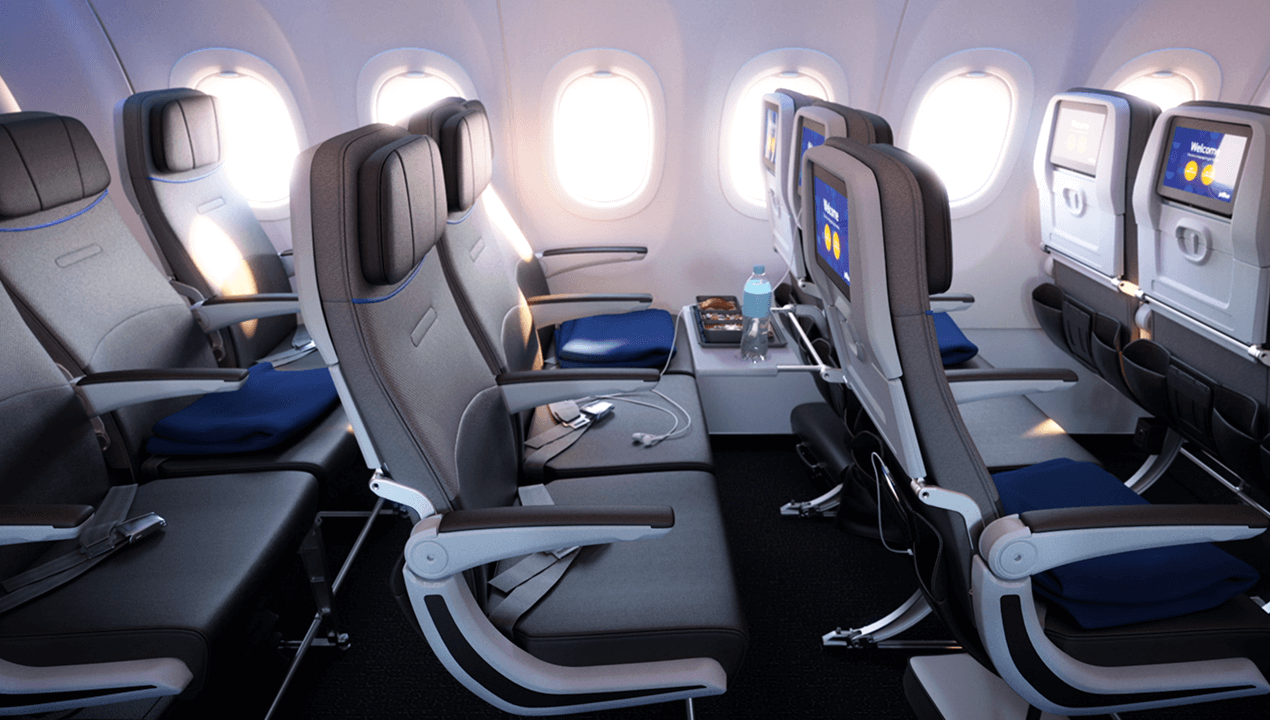
JetBlue’s initial brand promise was simple yet revolutionary: provide excellent customer service, modern amenities, and a comfortable flying experience at competitive prices. At a time when many airlines were stripping down services to cut costs, JetBlue went against the grain. It introduced personal seat-back entertainment screens (a novelty at the time), more legroom in economy class, and complimentary brand-name snacks and drinks. These features were not merely operational decisions; they were tangible manifestations of a brand promise centered on value, comfort, and a commitment to making air travel enjoyable again. The brand name itself, “JetBlue,” evokes a sense of modernity, freedom, and the vastness of the sky, reflecting its ambition to be a refreshing choice. This early differentiation quickly resonated with consumers, establishing JetBlue as a brand that genuinely cared about its passengers’ experience, challenging the often-cold, transactional nature of air travel.
The Core Brand Values
Central to JetBlue’s corporate identity are its five core values: Safety, Caring, Integrity, Passion, and Fun. These aren’t just buzzwords; they are embedded in the company culture and reflected in every aspect of its brand delivery. “Caring,” for instance, translates into attentive flight attendants and responsive customer service. “Fun” is evident in its playful marketing campaigns, the casual yet professional demeanor of its crew, and the overall lighthearted atmosphere it strives to cultivate. “Integrity” underpins its transparent communication and commitment to ethical operations. These values guide hiring decisions, training programs, and service standards, ensuring consistency across all customer touchpoints. By actively living these values, JetBlue has fostered a brand personality that is approachable, reliable, and trustworthy, cultivating strong emotional connections with its customer base.
Distinguishing the Blue: JetBlue’s Brand Strategy in Action
JetBlue’s brand strategy is a masterclass in differentiation within a highly commoditized industry. It strategically positions itself in the “sweet spot” between ultra-low-cost carriers and full-service legacy airlines, offering a perceived premium experience without the premium price tag. This positioning is maintained through a concerted effort across various brand elements.
Customer Experience as a Brand Pillar
The customer experience is arguably JetBlue’s most potent brand differentiator. Unlike airlines that charge for every amenity, JetBlue includes many “nice-to-haves” as standard. The aforementioned free seat-back entertainment (LiveTV, later DirecTV and now free high-speed Wi-Fi called Fly-Fi), spacious leather seats, and unlimited complimentary brand-name snacks are all designed to elevate the passenger journey. This approach builds significant brand equity by fostering a sense of perceived value and generosity. Furthermore, JetBlue’s cabin crew is often highlighted for its friendly, professional, and often witty service, which aligns perfectly with the brand’s “fun” and “caring” values. Every interaction, from booking online to disembarking the aircraft, is orchestrated to reinforce the brand promise of a superior, more enjoyable travel experience. This consistent delivery helps convert first-time flyers into loyal brand advocates.
Design and Aesthetics: Visual Identity
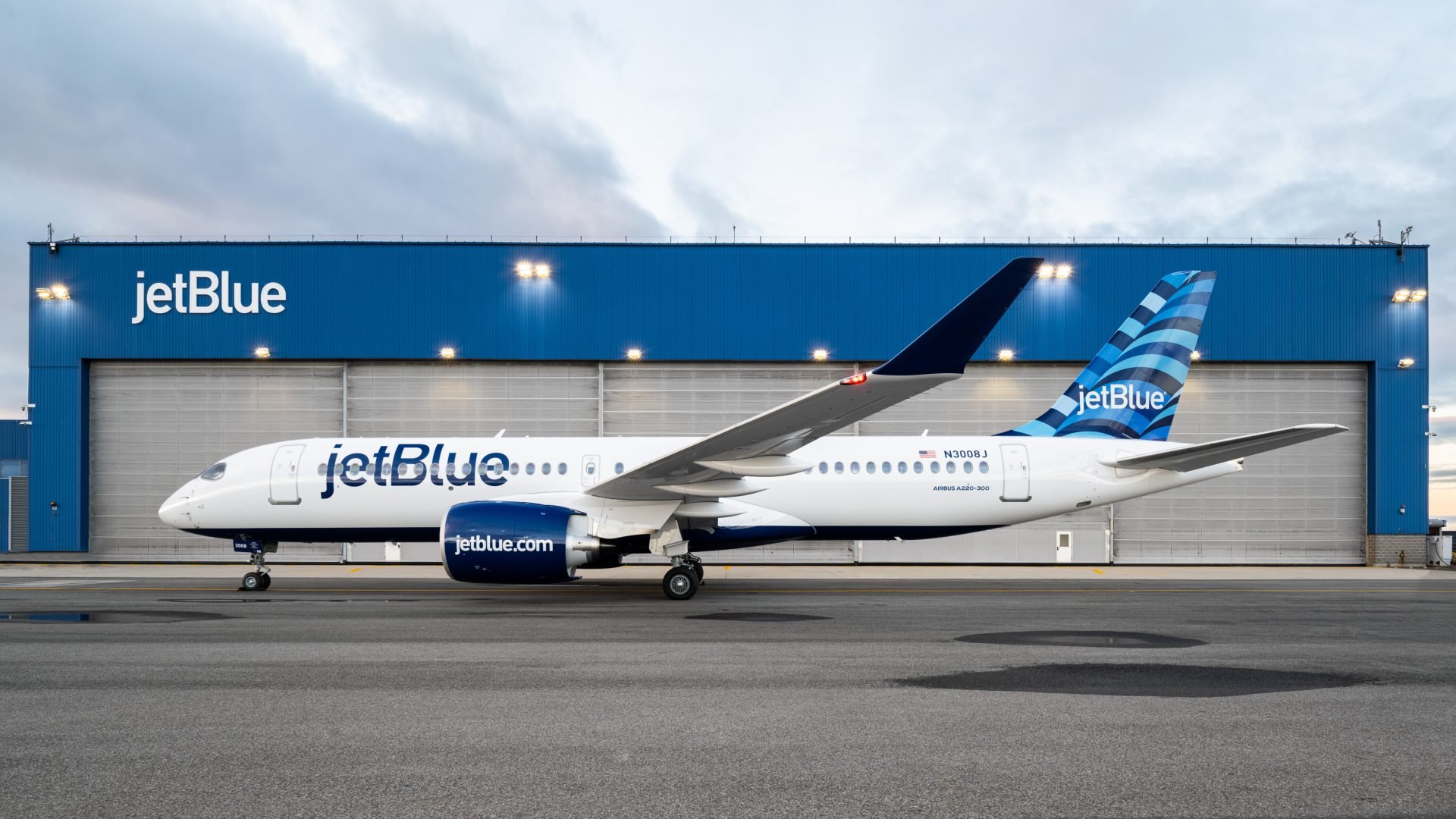
JetBlue’s visual identity is clean, modern, and distinctly “blue.” The livery, dominated by shades of blue and white, with different tailfin patterns, exudes a contemporary and friendly aesthetic. These tailfin designs, unique across its fleet, add a touch of personality and vibrancy, subtly reinforcing the “fun” aspect of its brand. The cabin interiors are equally thoughtfully designed, featuring blue leather seats, ample lighting, and a generally uncluttered feel that contributes to a perception of spaciousness and comfort. The branding extends to its digital presence, where its website and app maintain a consistent look and feel – intuitive, user-friendly, and reflecting the same approachable professionalism. This cohesive visual language across all touchpoints strengthens brand recognition and reinforces the modern, fresh image JetBlue aims to project.
Marketing and Communication: Reinforcing the Brand Message
JetBlue’s marketing and communication strategies are key to sustaining its brand narrative. Its campaigns often highlight the tangible benefits of flying JetBlue – “more legroom,” “free Wi-Fi,” “personal screens” – while also emphasizing the emotional appeal of a more pleasant journey. The tone is consistently optimistic, slightly irreverent, and always customer-focused. Through social media, traditional advertising, and public relations, JetBlue actively engages with its audience, often using humor and empathy to build rapport. For example, its “Flight Etiquette” campaigns playfully addressed common passenger grievances, demonstrating the brand’s understanding of and commitment to improving the overall travel environment. By consistently communicating its unique value proposition and brand personality, JetBlue manages to cut through the noise of competitive advertising and maintain a clear, differentiated message in the marketplace.
Navigating the Skies: Brand Evolution and Challenges
No brand can remain static, especially in a dynamic industry like aviation. JetBlue has continually evolved its brand while striving to stay true to its core identity, facing both opportunities for growth and significant challenges.
Adapting to Market Dynamics
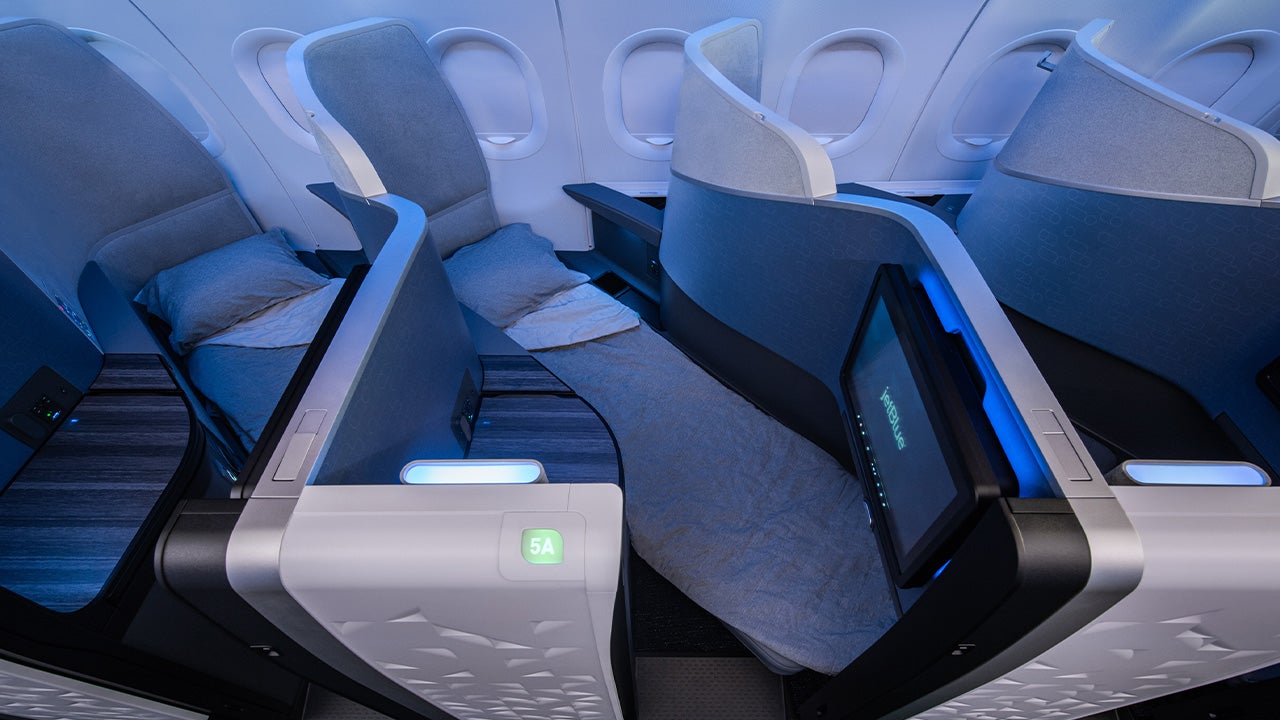
As JetBlue matured, the market landscape shifted. New ultra-low-cost carriers emerged, and legacy airlines began to unbundle services, mimicking some of JetBlue’s earlier innovations. This compelled JetBlue to adapt its brand strategy. While maintaining its core premium-economy experience, it introduced offerings like Mint, its premium class, to appeal to business travelers and leisure passengers seeking an elevated luxury experience. Mint, with its lie-flat seats and gourmet dining, further solidified JetBlue’s ability to offer differentiated products while still operating under the overarching “value and comfort” brand umbrella. This strategic diversification demonstrated the brand’s agility and its commitment to evolving its product offering without diluting its established corporate identity. It also allowed JetBlue to compete more directly with legacy carriers on transcontinental and international routes, expanding its brand perception beyond just a domestic low-cost option.
Sustaining Brand Loyalty
A critical challenge for any brand is sustaining loyalty in the face of increased competition and evolving customer expectations. JetBlue has tackled this by consistently investing in its customer experience and leveraging its TrueBlue loyalty program. The program is designed to be straightforward and rewarding, focusing on earning points based on the fare amount rather than miles flown, making it more accessible for frequent flyers. Beyond points, JetBlue nurtures loyalty through personalized communications, proactive service recovery, and fostering a sense of community among its customers. By demonstrating genuine care and continuously seeking feedback, JetBlue reinforces the emotional connection that underpins long-term brand preference, ensuring that customers feel valued beyond just being a ticket holder.
The Future of the Blue Brand: Innovation and Identity
Looking forward, JetBlue’s brand identity will continue to be shaped by innovation, expansion, and a steadfast commitment to its founding principles.
Expanding Reach While Maintaining Core Values
With its expansion into transatlantic routes to Europe, JetBlue faces the challenge of translating its distinctive brand identity to an international stage. This requires careful consideration of how its “challenger” brand image, built on domestic disruption, resonates with a global audience. The strategy involves maintaining its signature product offerings – like Mint and free Wi-Fi – to ensure a consistent experience, regardless of the destination. The brand messaging emphasizes its commitment to bringing “humanity back to air travel” even across oceans, demonstrating that its core values of comfort, care, and fun are universal. This careful balancing act is crucial for JetBlue to grow its market share without diluting the strong, recognizable brand it has painstakingly built.
Digital Engagement and Brand Storytelling
In an increasingly digital world, JetBlue continues to leverage technology not just for operational efficiency but also for brand storytelling and engagement. Its robust online presence, user-friendly app, and active social media channels serve as vital platforms for communicating its brand narrative, showcasing its unique offerings, and interacting directly with customers. Through compelling content that highlights its crew members, destinations, and philanthropic initiatives, JetBlue reinforces its corporate identity as a responsible, engaging, and people-centric airline. This continuous digital engagement allows the brand to remain relevant, responsive, and deeply connected to its evolving customer base, ensuring its distinct blue identity continues to shine brightly in the competitive skies.
aViewFromTheCave is a participant in the Amazon Services LLC Associates Program, an affiliate advertising program designed to provide a means for sites to earn advertising fees by advertising and linking to Amazon.com. Amazon, the Amazon logo, AmazonSupply, and the AmazonSupply logo are trademarks of Amazon.com, Inc. or its affiliates. As an Amazon Associate we earn affiliate commissions from qualifying purchases.