
In the vast and ever-evolving world of denim, understanding your size is paramount to achieving the perfect fit, comfort, and style. While seemingly straightforward, the designation of “jeans size 28” can evoke a spectrum of interpretations, influenced by brand, cut, fabric composition, and even regional sizing conventions. This article delves into the multifaceted meaning of jeans size 28, exploring its significance within the broader landscape of fashion branding and its impact on the consumer experience.
The Universal Language of Denim Sizing: More Than Just a Number
Jeans sizing is a complex ecosystem, designed to categorize individuals within a standardized framework. At its core, size 28 in jeans typically refers to the waist measurement. However, the precision of this measurement is where the nuances emerge. Unlike the precise millimeter measurements found in engineering or scientific contexts, clothing sizes are subject to brand-specific tolerances and interpretations.
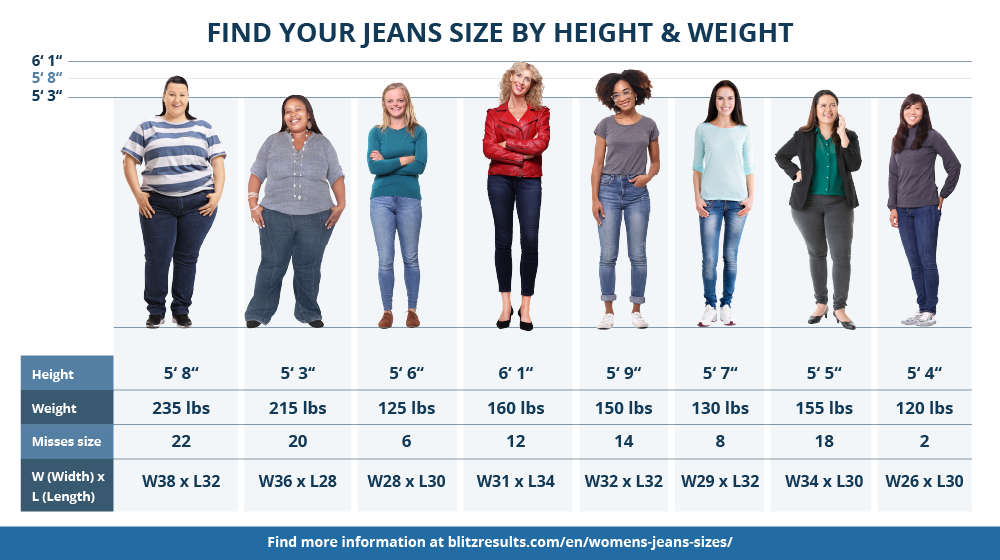
Waist Measurement: The Foundation of the Fit
The fundamental understanding of “size 28” in jeans revolves around the waist. This measurement generally corresponds to a circumference of approximately 28 inches. However, it’s crucial to recognize that this is an intended measurement, not an absolute one. Different brands will have slightly different grading systems, meaning a size 28 from one manufacturer might fit slightly larger or smaller than a size 28 from another.
Several factors contribute to this variation:
- Brand Standardization: Each brand develops its own sizing chart and measurement guidelines. While many adhere to general industry standards, there’s enough leeway for individual branding to manifest. A luxury brand might aim for a more precise, consistent fit, while a mass-market brand might allow for broader tolerances to accommodate a wider range of body types within that size designation.
- Target Demographic: Brands often tailor their sizing to their perceived target demographic. A brand catering to a younger, more trend-conscious audience might have a different waist grading than one aimed at a more mature or classic consumer. This can subtly influence how a size 28 is perceived and constructed.
- Fabric Properties: The stretch and recovery of the denim fabric itself plays a significant role. A pair of size 28 jeans made from 100% cotton, raw denim will fit and feel very different from a pair of size 28 jeans made from a high-stretch elastane blend. The latter is designed to accommodate minor variations and offer more forgiving comfort. The brand’s choice of fabric significantly impacts the actual fit of a given size.
Beyond the Waist: Inseam, Rise, and Cut
While the waist is the primary determinant, a size 28 designation is incomplete without considering other critical fit elements that are intrinsically linked to the brand’s overall design philosophy. These include inseam, rise, and the specific cut of the jeans.
- Inseam: The inseam refers to the length of the leg from the crotch to the hem. Brands offer various inseam lengths within each waist size, allowing consumers to choose based on their height and desired look (e.g., full-length, cropped, ankle-grazing). A size 28 with a 30-inch inseam will offer a different aesthetic and comfort level than a size 28 with a 34-inch inseam. The brand’s commitment to offering a range of inseams within a specific waist size contributes to its inclusivity and appeal.
- Rise: The rise is the measurement from the crotch seam to the top of the waistband. This is a crucial factor in how jeans sit on the body and contribute to the overall silhouette. Common rises include:
- Low-rise: Sits well below the natural waistline.
- Mid-rise: Sits at or just below the natural waistline.
- High-rise: Sits at or above the natural waistline.
A size 28 in a high-rise jean will often feel snugger around the waist and provide a different body-shaping effect than a size 28 in a low-rise jean. Brands leverage different rises to cater to diverse style preferences and body shapes, further defining their brand identity.
- Cut (Fit): The cut, or fit, of the jeans refers to the overall silhouette and how it drapes on the body. Common cuts include:
- Skinny: Tight from the hip to the ankle.
- Slim: Fitted but not as tight as skinny jeans.
- Straight: Consistent width from the knee to the ankle.
- Bootcut: Slightly flared from the knee down to accommodate boots.
- Relaxed/Baggy: Looser fit throughout.
For a size 28, the experience of wearing a skinny fit will be vastly different from wearing a relaxed fit. The brand’s choice of cut for a particular model is a key branding element, communicating a specific style and intended wear. A brand known for its edgy, modern aesthetic might offer size 28 in predominantly skinny and slim cuts, while a brand focused on comfort and vintage influences might offer size 28 in more relaxed and straight fits.
The Brand’s Blueprint: How Sizing Defines Identity
In the competitive fashion landscape, a brand’s approach to sizing is not merely a logistical necessity; it’s a strategic branding tool. The way a brand defines and communicates its sizes, including the consistent offering of a size 28, plays a significant role in shaping consumer perception, loyalty, and overall brand identity.
Consistency and Trust: The Pillars of Brand Loyalty
For consumers, consistent sizing across a brand’s product lines fosters trust and reduces the friction of purchasing. When a customer finds that a size 28 fits them perfectly in one style of jeans, they are more likely to repurchase from that brand, confident that the same size will offer a similar fit in another style. This reliability builds brand loyalty.
- Predictability: A well-defined sizing system provides predictability. A consumer who knows they wear a size 28 in a particular brand’s denim can often purchase online with a higher degree of confidence, knowing what to expect. This is a crucial element of modern e-commerce success.
- Brand Reputation: Brands that are known for their accurate and consistent sizing build a positive reputation. Conversely, brands with erratic sizing can alienate customers, leading to frustration and a decline in sales. The reputation of a brand can be significantly influenced by the perceived reliability of its sizing chart.
- Reduced Returns: Consistent sizing directly impacts return rates. High return rates due to poor fit are costly for brands in terms of shipping, processing, and lost sales. Investing in robust sizing development and clear communication is therefore a sound business strategy that reinforces brand value.
Inclusivity and Accessibility: Expanding the Brand’s Reach

The concept of “size 28” also intersects with a brand’s commitment to inclusivity and accessibility. As consumer expectations evolve, brands are increasingly pressured to offer a wider range of sizes to cater to diverse body types.
- Accommodating Body Diversity: While size 28 is often perceived as a smaller waist size, brands that offer a comprehensive range of sizes, from smaller to larger, demonstrate a commitment to serving a broader customer base. This inclusivity can significantly enhance a brand’s image and market reach.
- Targeting Specific Markets: Certain brands might strategically focus on specific size ranges as part of their niche. For example, a brand specializing in petite clothing might prominently feature and accurately size their smaller waist measurements, including size 28, to appeal directly to that demographic.
- Marketing and Messaging: The way brands communicate their sizing, especially for commonly sought-after sizes like 28, can be a powerful marketing tool. Highlighting the availability and accurate fit of size 28 can attract consumers who have historically struggled to find well-fitting denim.
The Evolution of Sizing Standards: Adapting to Consumer Needs
The fashion industry, and denim in particular, has seen significant shifts in sizing standards over time, driven by consumer feedback and a growing awareness of body positivity.
- Historical Context: Historically, clothing sizes were more narrowly defined. As the concept of body diversity gained prominence, brands began to expand their size offerings and refine their measurement systems.
- Global Variations: It’s important to note that international sizing systems can differ. A size 28 in the US may not correspond directly to a size 28 in the UK, EU, or other regions. Brands that operate globally must carefully navigate these differences and provide clear conversion charts to avoid consumer confusion. This is a critical aspect of their international branding strategy.
- The Rise of Customization and Technology: While standardized sizing remains the norm, there’s a growing trend towards customization and the use of technology to achieve a more personalized fit. Brands are experimenting with online fitting tools, body scanning technology, and made-to-measure options, all of which further redefine the concept of “size.” However, even within these innovative approaches, the foundational understanding of a size 28 waist remains a starting point for many.
Decoding the Denim Dialogue: From Tag to True Fit
Understanding what “jeans size 28” truly signifies requires looking beyond the number on the tag. It’s a complex interplay of brand strategy, garment construction, and consumer expectation. For brands, mastering this dialogue is crucial for building trust, fostering loyalty, and establishing a distinct identity in a crowded marketplace.
The Power of the Brand’s Sizing Chart
A brand’s sizing chart is more than just a reference; it’s a key piece of marketing collateral and a direct communication of their commitment to fit. A well-designed, accurate, and easily accessible sizing chart empowers consumers to make informed decisions.
- Detailed Specifications: A comprehensive sizing chart will not only list waist measurements but also provide information on hip, thigh, inseam, and rise measurements. This level of detail helps consumers understand how a specific brand’s size 28 will translate to their individual body proportions.
- Fit Guides and Descriptions: Many brands go a step further by providing detailed fit guides and descriptions for each denim style. These guides often explain how a particular cut should fit (e.g., “snug but comfortable,” “relaxed through the leg”) and how the fabric will behave (e.g., “will stretch out over time”). This contextual information is invaluable for understanding the intended fit of a size 28.
- Customer Reviews and Feedback: Brands that actively monitor and incorporate customer feedback on sizing can continuously refine their offerings. Positive reviews about the accuracy of a size 28, or constructive criticism about inconsistencies, provide valuable insights that can inform future design and production decisions.
The Consumer’s Role in Navigating Size
Ultimately, the consumer plays an active role in understanding and utilizing size information. While brands provide the framework, individual bodies and preferences are unique.
- Know Your Measurements: The most effective way to navigate denim sizing is to know your actual body measurements. Regularly measuring your waist, hips, and inseam can provide a more objective basis for selecting a size, especially when trying new brands.
- Understand Fabric Composition: Pay close attention to the fabric composition of the jeans. A higher percentage of elastane or spandex will result in more stretch and a more forgiving fit, which can influence the ideal size. Brands often highlight these properties, and understanding them is key to interpreting how a size 28 will perform.
- Read the Reviews and Try Them On: When possible, reading customer reviews and, most importantly, trying on jeans before purchasing are invaluable steps. This allows for a direct assessment of how a size 28 fits on your specific body and aligns with your style preferences.

The Future of Denim Sizing: Personalization and Precision
The fashion industry is constantly evolving, and the realm of denim sizing is no exception. As technology advances and consumer expectations shift, we can anticipate further innovations in how denim sizes are determined and communicated.
- AI-Powered Fit Solutions: Artificial intelligence is increasingly being used to analyze body scans and provide personalized size recommendations. This technology has the potential to revolutionize the online denim shopping experience, offering a level of precision that surpasses traditional sizing charts.
- Sustainable Sizing Models: As sustainability becomes a core value for many brands and consumers, there’s a growing emphasis on reducing waste, including excess inventory due to poor fit. This may lead to more on-demand production models and a greater focus on achieving accurate, first-time fits.
- The Enduring Significance of Size 28: Despite these advancements, the fundamental concept of a size 28 waist measurement will likely endure. It represents a tangible point of reference within the complex world of apparel. What will change is the precision with which brands can communicate and deliver that fit, ensuring that “size 28” means a reliably excellent experience for the consumer.
In conclusion, “what is jeans size 28” is a question that opens the door to understanding the intricate relationship between brands, products, and consumers. It’s a testament to the fact that in the fashion world, a number on a tag is a deeply embedded part of a brand’s identity, its promise to the customer, and the very fabric of its success.
aViewFromTheCave is a participant in the Amazon Services LLC Associates Program, an affiliate advertising program designed to provide a means for sites to earn advertising fees by advertising and linking to Amazon.com. Amazon, the Amazon logo, AmazonSupply, and the AmazonSupply logo are trademarks of Amazon.com, Inc. or its affiliates. As an Amazon Associate we earn affiliate commissions from qualifying purchases.